What Die Tolerance Means on a Real Label Job
In plain terms, tolerance is the allowed variation from the target size. A die can be very accurate and still have a small tolerance because every machined part has limits. For label work, those limits matter because the die has to line up with print, registration marks, liners and the press setup.
If a die is cut too tight, the label may not release cleanly or the cut line may creep into print. If it is too loose, you can get fit issues, poor repeat, or a finished roll that does not run straight through the converting line. The best tolerance is not the smallest number on paper, it is the one that suits the stock, artwork and machine on the day.
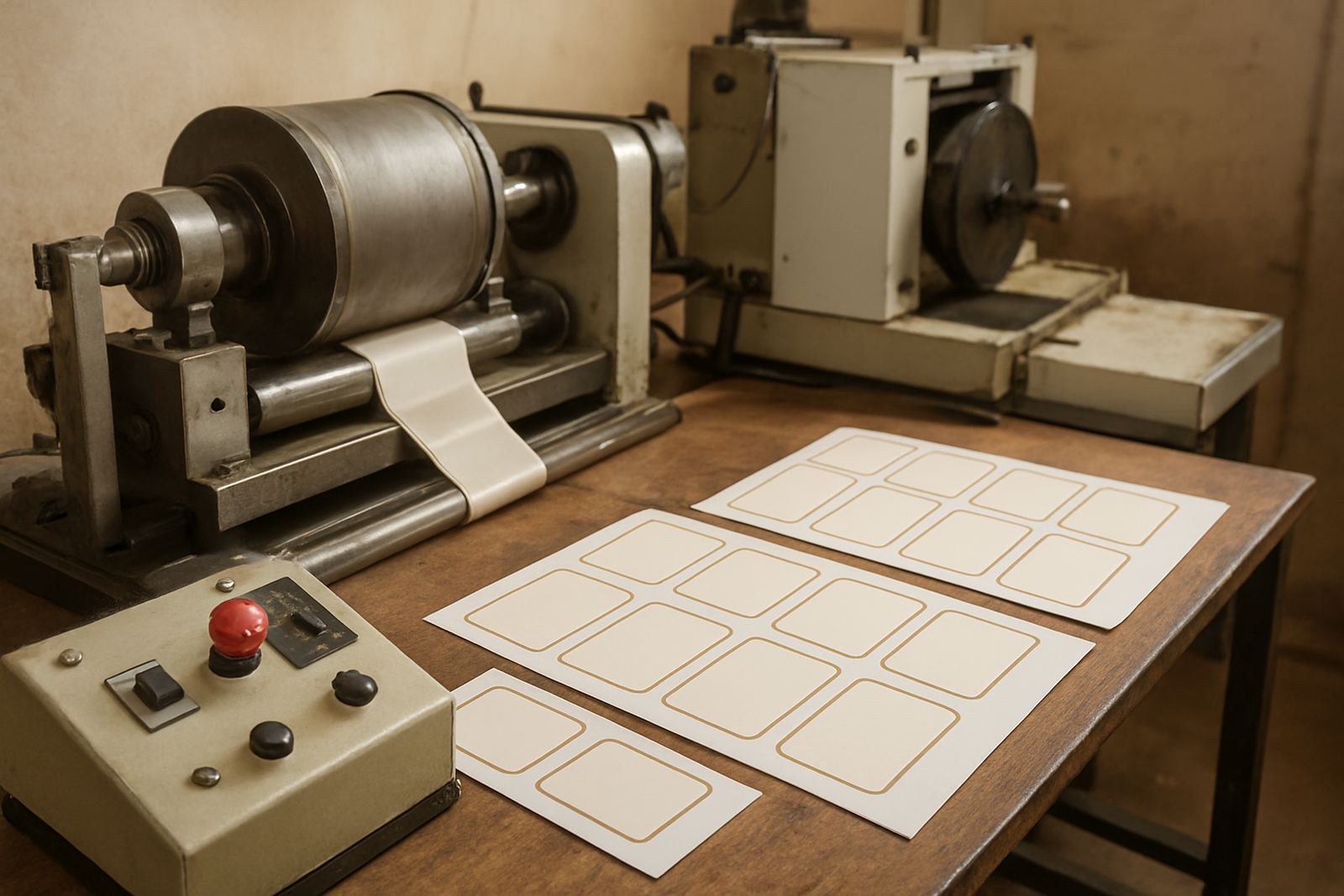
At our Wadeville, Germiston base we see this with self-adhesive labels, tags and wraparound work. A paper label on a stable substrate behaves differently from a film job that is affected by heat, static and humidity, especially in coastal areas like Durban and Gqeberha. The tolerance has to match the actual conditions, not just the drawing.
The Main Factors That Affect Fit and Repeat
Three things usually drive tolerance decisions: the material, the press and the repeat length. If any one of those changes, the die specification may need to change with it. That is why repeat matching and CAD proofing matter before the job goes into the machine shop.
- Material movement: Paper, PP and PET all move differently with temperature and tension.
- Press condition: Wear in the press, bearer setting and cylinder condition can affect cut depth and registration.
- Repeat length: A short repeat often gives less room for error, while a long repeat can show cumulative variation.
- Environmental conditions: Load-shedding, heat and coastal moisture can change stock behaviour during storage and production.
In practice, a converter in Johannesburg may run the same label artwork more easily in winter than in midsummer. In Cape Town, a job stored near a loading bay or in a humid area may shift slightly before it even reaches the press. That is why stock advice and press trial support are part of the conversation, not an afterthought.
Rotary Solid Dies, Flexible Magnetic Dies and Cylinders
Not every die type carries the same tolerance demands. Rotary solid dies are machined for demanding repeat work and usually need very precise control of diameter, profile and cutting edge. Flexible magnetic dies rely on consistent mounting and magnet condition to keep fit stable. Magnetic cylinders must stay true so the die and press work together without chasing side to side errors.
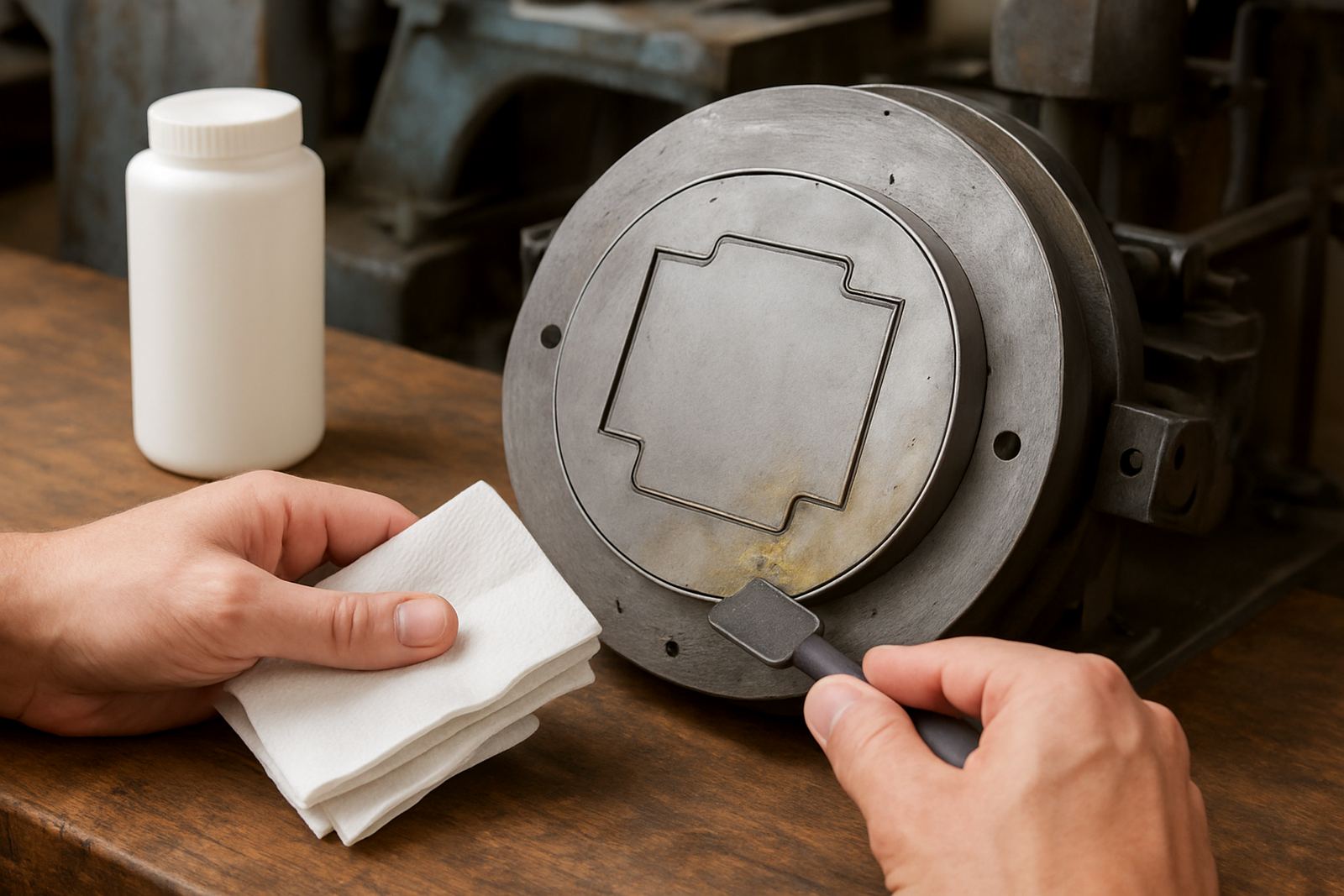
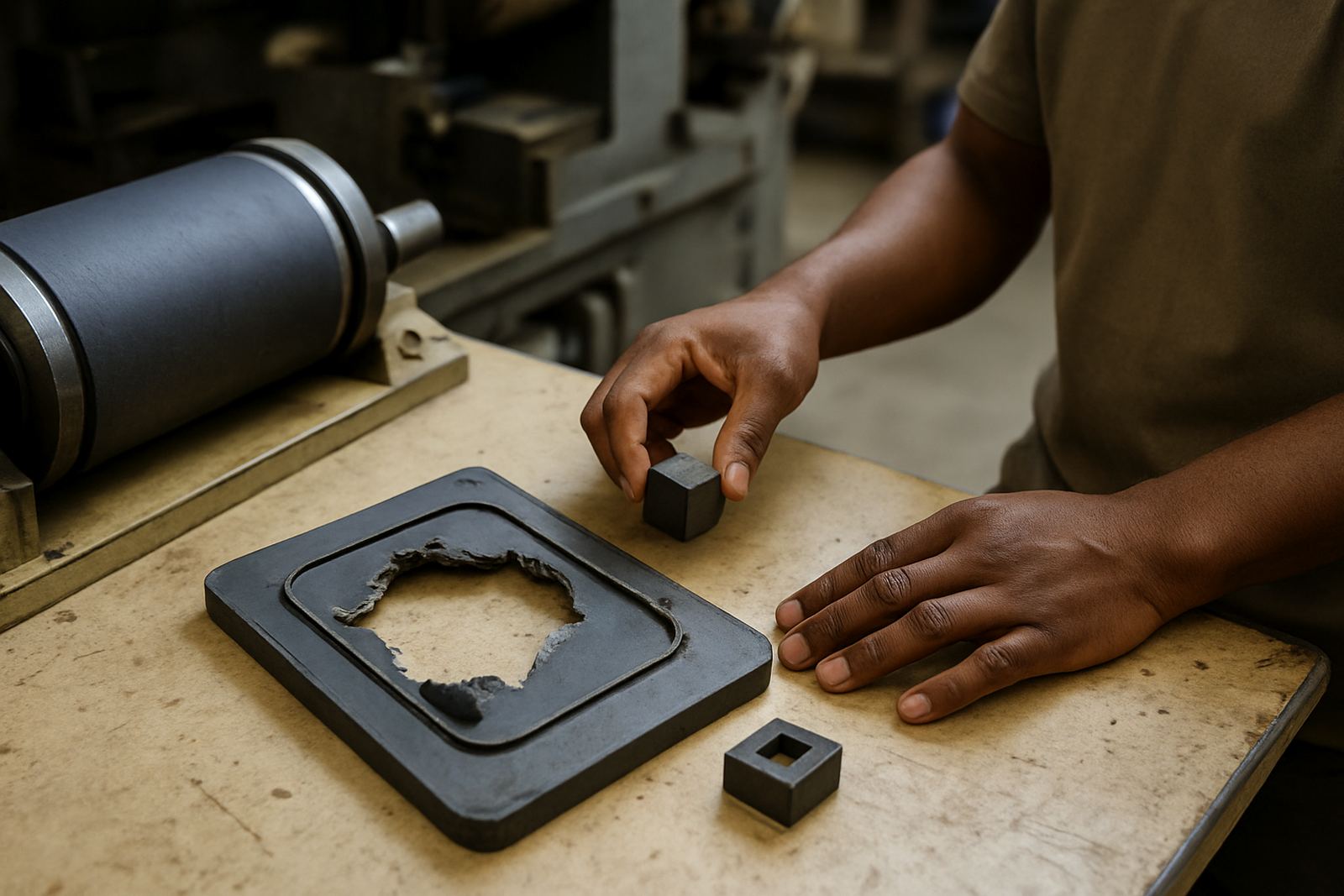
When a cylinder is worn or a flexible die is not seating properly, the cut may look acceptable for the first few hundred metres then start drifting. That is where cylinder refurb, die regrind and magnet checks make a practical difference. The issue is often not the artwork at all, but the small mechanical variation underneath it.
For converters in Pretoria or Durban, the benefit of correct tolerance is less waste and fewer stops. If the die and cylinder are matched properly, you reduce set-up time and avoid unnecessary remakes. That saves money in Rand terms, but it also saves time when the press schedule is already tight.
Signs the Tolerance Is Too Tight or Too Loose
You do not always need gauges to notice a tolerance problem. The press and the finished rolls usually show it first. Operators often spot the symptoms in make-ready, waste samples or the first reel off the machine.
- Cut lines wander off the printed image
- Labels do not release cleanly from the liner
- Peel edges lift or snag during rewind
- Repeat marks do not return where they should
- The die feels fine on one side but too aggressive on the other
- There is extra wear on the same point of the cylinder or bearer
If the same issue keeps appearing on repeat orders, the answer is usually not to force the press harder. It is better to check the die dimensions, the bearer setting and the condition of the magnetic mounting. A small correction now is usually cheaper than scrapping a whole run later.
How to Specify a Tolerance That Suits South African Production
The most useful tolerance request is clear and practical. Give the artwork size, repeat length, substrate type, press details and whether the job is for a fresh setup or a repeat. If you have a sample from a previous run, send that information too so the new die can be matched correctly.
Good specification helps with urgent remakes as well. When a printer in Germiston or Johannesburg needs a replacement quickly, the die shop needs to know whether the previous cut was running hot, whether the material was curling, and whether the press team wants a tighter or looser fit. A clear brief means less back and forth and better turnaround.
- State the exact repeat length in millimetres
- Confirm substrate and adhesive type where known
- Note whether the job is for sheet, roll or inline converting
- Share previous issues like burrs, lift or poor release
- Ask for CAD proofing before manufacture when the job is critical
A Local Example From Germiston to Gqeberha
A converter in Germiston might be running a repeat label on a narrow web press with a tight deadline and a humid stock room after a week of load-shedding. The first run looks close, but the cut is slightly off on the tail end of the repeat. In that case the problem may be a mix of stock movement, cylinder wear and a tolerance that was set too broadly for the press.
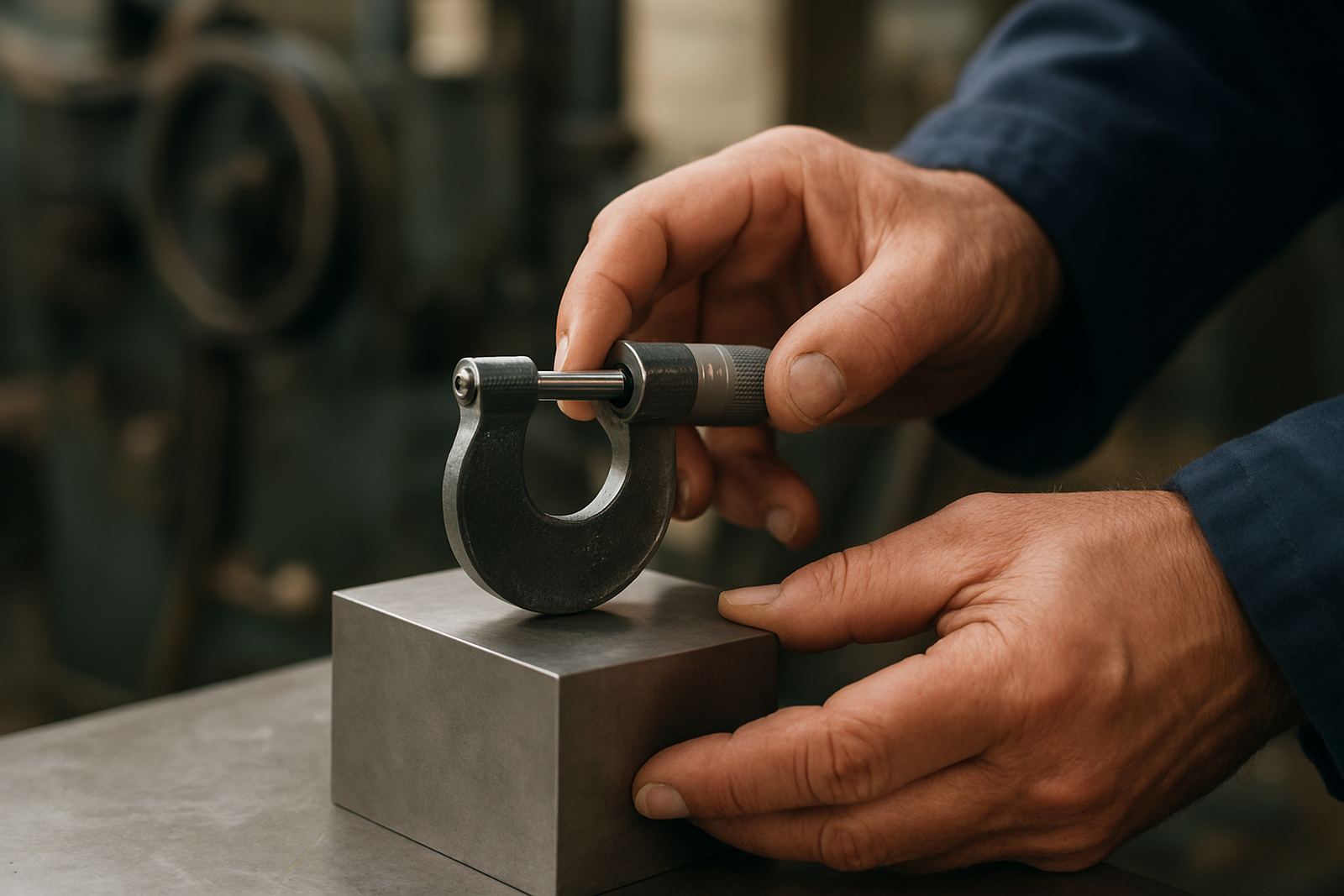
With the right checks, the fix is straightforward. The die can be measured, the magnetic cylinder checked, and the bearer setting adjusted before the remake goes out. If the same job later runs in Cape Town or Gqeberha, the production team may need the same tolerance on paper but a different handling note for storage and press conditions. The job is still the same artwork, but the production reality is not.
That is why local support matters. Our team handles design, production, dispatch and delivery coordination across Johannesburg, Pretoria, Durban, Pinetown, Cape Town, Bellville and Gqeberha. When the fit is right, the press runs cleaner and the finished label looks more consistent from the first metre to the last.