Why gap and land matter on small labels
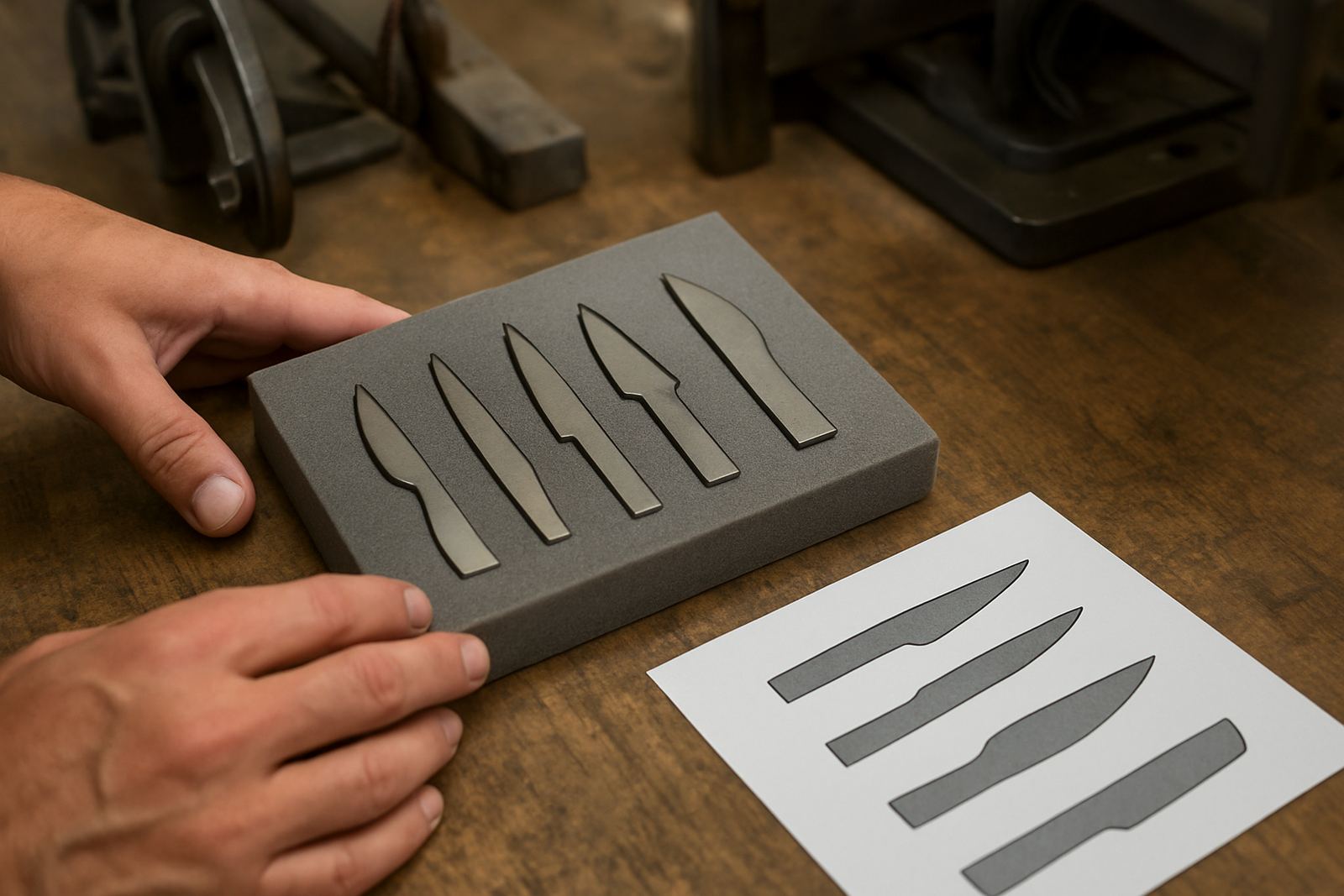
Gap is the space between cuts or between the cutting edge and the next feature in a die layout. Land is the flat section that remains between those cut areas, and in narrow label work that small strip of material can make the difference between a steady run and a messy one. When a printer is running a tight layout for pharmaceutical labels, shampoo packs or barcode labels, even a fraction of a millimetre can affect stripping and waste removal.
On compact jobs, the press is doing more work with less room to forgive errors. If the gap is too tight, debris can build up and the web may tear. If the land is too wide, the job can waste space and force a slower step-and-repeat. A clean layout starts with the label size, the substrate and the press speed, not just the artwork. That is why we always check the finished size against the converting method before cutting a die or setting a magnetic cylinder.
How gap and land affect release, stripping and waste
The practical test is simple: the label must separate cleanly, the matrix must hold together long enough to strip, and the waste must leave the web without snagging. On self-adhesive labels, gap and land influence how the adhesive and face stock behave under pressure. On thinner stocks, too little land can let cuts crowd each other and weaken the web. On thicker materials, too much land can leave awkward islands that do not clear properly.
- Too little gap can cause labels to stick together after cutting.
- Too much gap can reduce output per repeat and increase offcut waste.
- Weak land sections can collapse under press tension.
- Overcutting through the land can create premature matrix breaks.
- Uneven gaps can show up as wandering trim and poor repeat consistency.
For converters in Germiston, Johannesburg or Durban handling mixed jobs, the real challenge is not only cutting accuracy but repeat stability. A label that looks fine on the bench may behave differently once the press is running at full speed and the material has been under tension for a few hundred metres.
Picking the right tolerances for your press and material
Tolerances are where gap and land become a production decision rather than a drawing note. A rotary solid die for a long run may need a different approach from a flexible magnetic die used for shorter batches or quick changeovers. The press condition matters too. If bearer setting is off, or the magnetic cylinder has wear, the effective cut depth changes and your gap and land balance can shift.
We often advise customers to look at three things before ordering: material thickness, adhesive tack and the minimum web width that your converting line can handle. A narrow label on a coated stock with high tack adhesive may need more care than a wider label on an easier release facestock. In our view, the aim is not to push the tightest possible spacing, but to set a layout that runs cleanly at the speed your team actually uses.
For repeat jobs, keeping the same gap and land logic from the first run helps avoid rework. If the artwork changes, or if the printer changes supplier on the base stock, the die should be checked again. A small change in liner or coating can alter how the waste strips away, and that is often where problems start.
Common mistakes we see on compact label layouts
Most layout problems are not dramatic. They start with small assumptions, like using the same settings from a wider label and expecting them to work on a narrower one. Another common mistake is leaving too little room around corners or internal cut-outs, which causes stress points and uneven stripping. On some jobs the issue is actually in the waste path, not the label itself.
- Copying a previous die layout without checking the new repeat.
- Ignoring how the label behaves after lamination or varnish.
- Using the same gap for both heavy and light label stock.
- Allowing sharp internal corners to sit too close to the next cut.
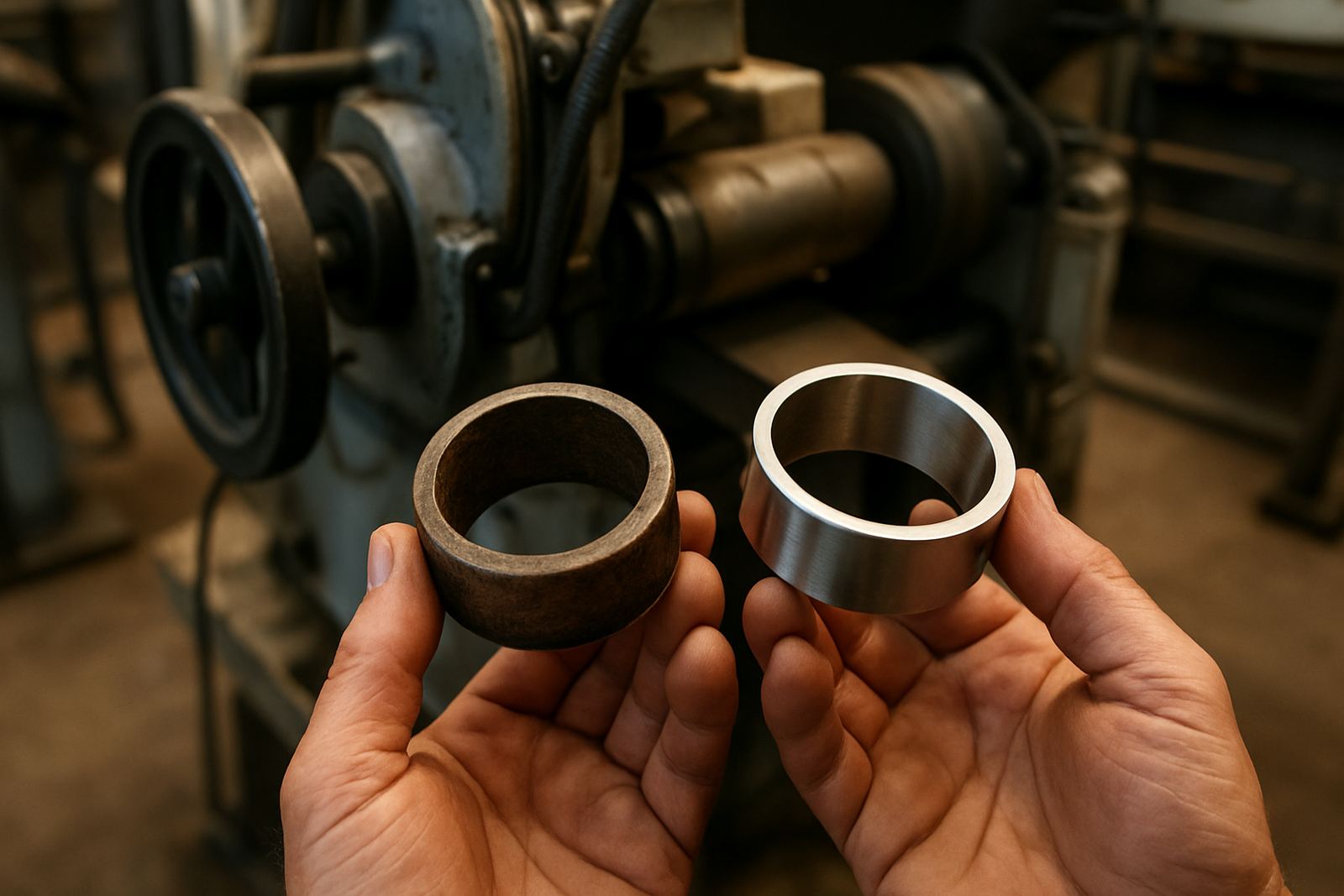
- Not checking the cylinder or die after storage in humid conditions.
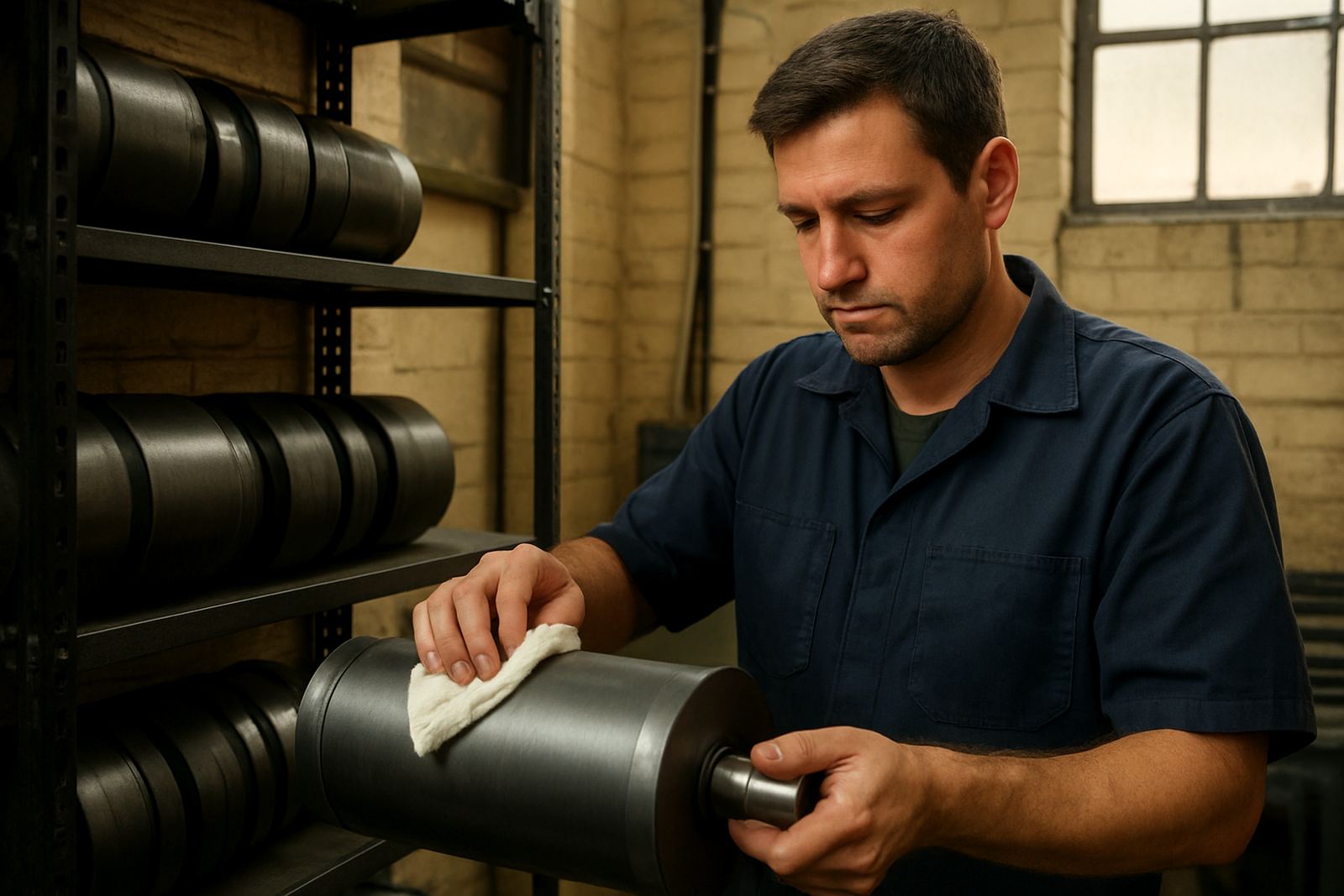
In coastal areas such as Cape Town, Gqeberha or Durban, humidity can affect storage and handling. Magnetic components and tooling need to be kept dry and checked before use, especially after long weekends or load-shedding interruptions where workshop conditions may shift. A quick magnet check and a clean trial can save a whole shift of failling labels.
A local example from a Johannesburg short-run label
A converter in Wadeville asked for a short-run label for a food client in Johannesburg with a compact footprint and a very tight repeat. The label carried a barcode, a small ingredients panel and a date code area, all on a narrow web. The first sample looked acceptable on the artwork proof, but once the press ran, the waste did not strip cleanly and the corners on the internal cut were lifting.
We adjusted the gap and land relationship, then checked the cut pressure against the material thickness and liner spec. The change was not large, just enough to give the matrix a cleaner path and keep the labels stable through the run. The result was less stoppage, cleaner stripping and better register on the second pass. That kind of adjustment is common on compact label work, because the layout has very little spare room and every fraction matters.
For printers in Pretoria or Cape Town doing similar work, the lesson is the same. If a job is close to the limit, do not treat the gap as a drafting detail. It is part of how the press will behave on the day, and it can change the whole job outcome.
What to send with an enquiry so the die is set up right first time
When you send through a gap and land enquiry, the more practical detail you provide the better. We use that information for die design, CAD proofing, repeat matching and press support, so the setup can be matched to the job rather than guessed. It also helps us advise whether a rotary solid die, a flexible magnetic die or a magnetic cylinder is the better fit for your run length.
- Finished label size and repeat length.
- Material type, thickness and whether it is paper, film or laminated stock.
- Press type and typical running speed.
- Any stripping issues, web breaks or matrix problems from previous runs.
- Whether it is a repeat job or a new layout.
Good gap and land planning is not about making the drawing look neat. It is about keeping your press moving, your waste under control and your labels consistent from the first sheet to the last. That is the practical side of compact label converting, and it is where careful die work pays for itself.