Start with the label use, not just the face stock
Good crackback release design starts with the end use of the label. A short-life promotional label, a warehouse barcode, and a cold-chain sticker all need different release behaviour. If the liner gives too easily, the label can slip during die cutting, matrix stripping or rewinding. If it grips too hard, operators fight the job and the face stock may stretch or lift at the edges.
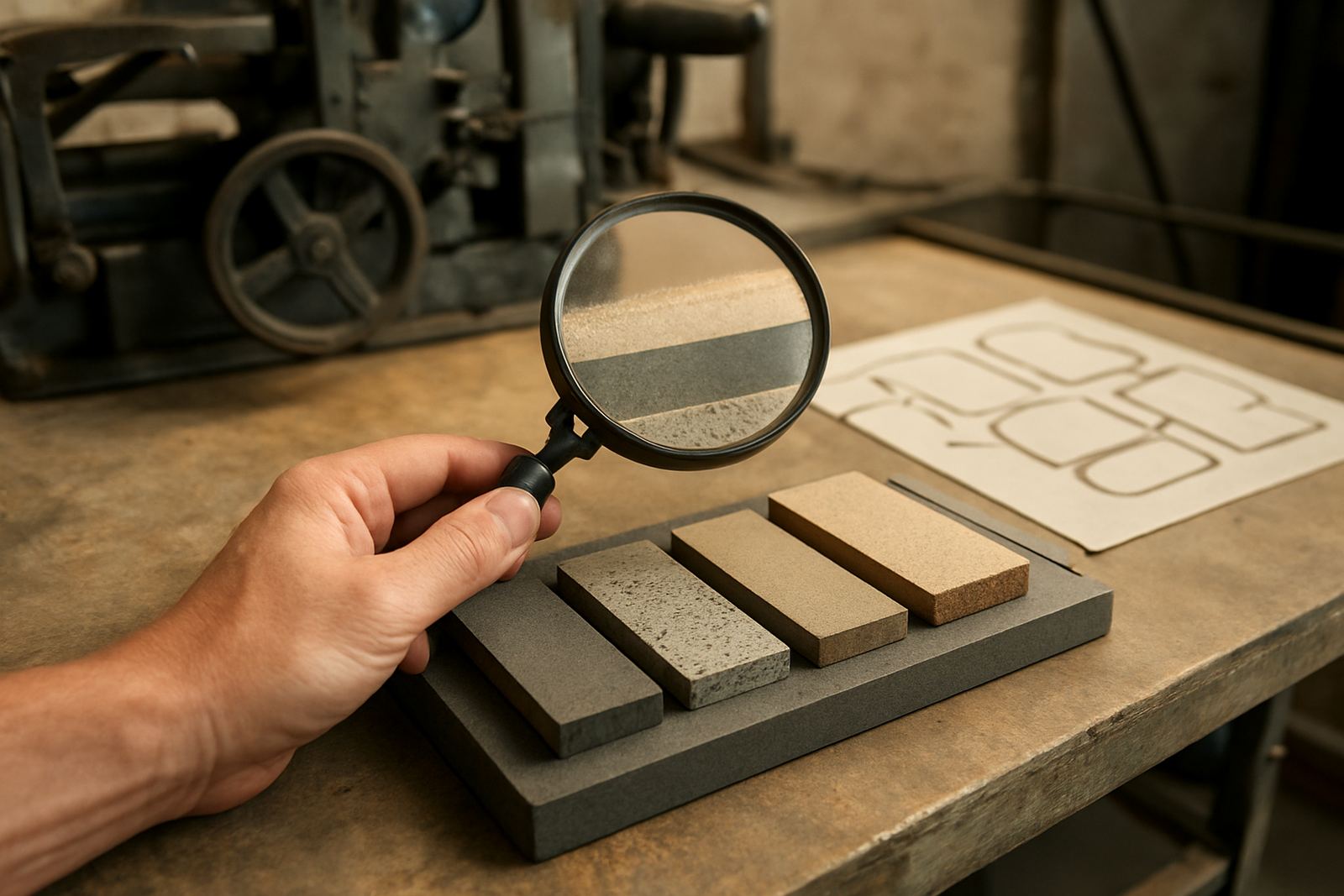
We usually look at three things first: the substrate, the adhesive and the application method. Paper face stock behaves differently from polypropylene or clear film. A permanent adhesive needs a more controlled release than a removable one, and hand application is less forgiving than automatic labelling. In Germiston and the wider Gauteng market, many converters are running mixed jobs each week, so the crackback has to be matched to the press room reality, not theory.
- Define the final application speed
- Check whether the label will be hand applied or machine applied
- Match release level to the adhesive coat weight
- Confirm whether the label must survive heat, moisture or cold rooms
Release lines that open cleanly without tearing the liner
The release pattern is where many jobs go wrong. A crackback liner needs a controlled split or lift point that is easy to start, but not so aggressive that it weakens the full label. Too much cut pressure can mark the liner and create fibre damage. Too little and the user ends up peeling by hand and slowing down the line.
For many South African label printers, the challenge is getting a clean opening on the first pull after a production delay or press stop. If the liner is too soft, the initial crack can creep further than intended. If the line is too shallow, operators need more force and the label face can wrinkle. A good setup will release where it should, with enough strength left in the rest of the construction to keep the sheet flat.
- Use precise cut depth so the liner splits where planned
- Avoid heavy tooling pressure that scores the backing too deep
- Keep the crack line consistent across the full web width
- Test the first pull after stoppages, not only the first reel start
Keep the liner strong enough for converting and rewinding
There is no point in making a liner that opens nicely if it cannot survive the rest of the job. During rotary converting, the liner must stay stable through tension changes, matrix stripping and rewind build-up. In hot summer conditions, a liner can soften slightly and behave differently from the sample tested in a cool shop. Coastal humidity in places like Durban or Bellville can also affect how the stock feeds and how the adhesive behaves on press.
That is why press trials matter. A design that looks right on paper can still buckle on a live job if the liner basis weight, release coating and slit width are not in balance. On short runs, a converter may not notice. On long runs, the weakness shows up as telescoping rolls, edge lift or split cracks running beyond the intended area. We see this especially on repeat work where a client wants the same feel as the last run, but the raw material batch has changed.
Set tolerances around the press, not around guesswork
Crackback design depends on repeatable tolerances. The gap between the cut and the release point, the concentricity of the tooling and the condition of the bearer setting all affect how the job behaves. If a die is slightly out, the liner may release unevenly from one side to the other. That creates waste, and the job often gets blamed on the material when the real issue is mechanical setup.
For label converters in Johannesburg, Pretoria and Cape Town, the better approach is to keep records of successful jobs. Note the face stock, adhesive type, press speed, tension settings and the die spec. When the same customer returns a year later with a similar order, repeat matching becomes far more accurate. It saves time on proofing and reduces the number of corrections before approval.
Practical tolerances worth watching include:
- Web width and slit position
- Die registration against printed copy
- Bearer contact and cutting pressure
- Rewind tension from start to finish
Common crackback mistakes that slow production
One of the biggest mistakes is treating crackback as a simple liner trick rather than a full converting decision. Another is overcutting the die so the release becomes inconsistent across the roll. Some teams also chase an easier peel by weakening the liner too much, only to find the labels curl or the matrix starts pulling the wrong way. It is a false economy.
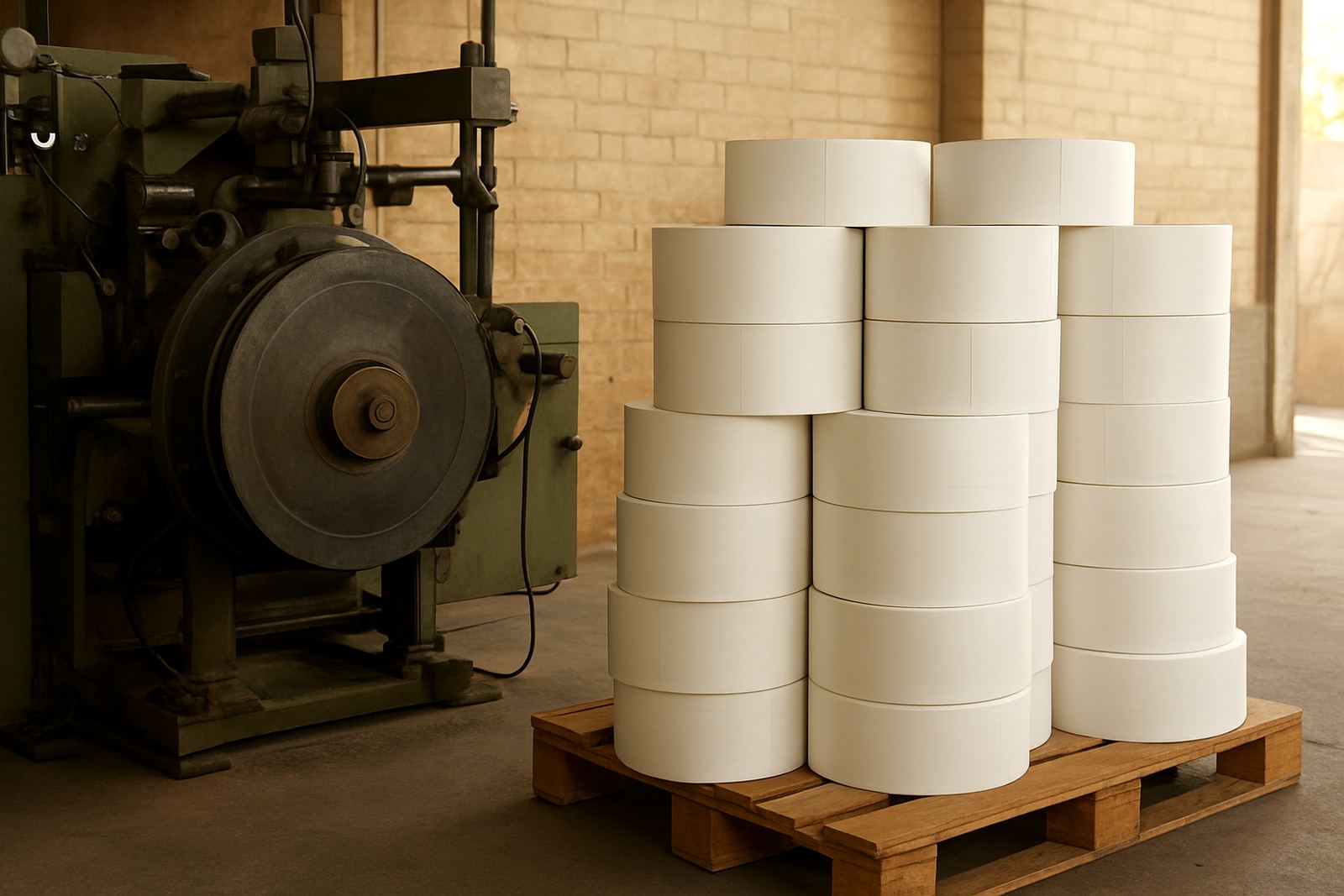
Other issues show up in packing and dispatch. If the rolls are packed too tightly, the crackback can compress and the release point changes by the time the job reaches the customer. If the rolls are exposed to damp conditions, especially in summer, the liners can behave differently during application. A small change in storage, maybe at a satellite site in Pinetown or Gqeberha, can be enough to shift performance.
- Do not chase easy release at the cost of label flatness
- Do not ignore storage conditions after packing
- Do not assume one liner spec suits every adhesive
- Do not skip press trial support on new or sensitive jobs
A practical local example from a Durban repeat job
A Durban converter recently needed a crackback label for cartons that were being hand applied in a warm packing area. The first version released too freely and the labels picked up curl after packing. The issue was not just the liner, it was the full combination of release, cut depth and rewind tension. After adjusting the die setting, refining the crack line and tightening the tolerances, the job ran cleaner and the labels sat flatter on application.
That kind of correction is common. The fix is rarely one magic setting. It is usually a combination of better CAD proofing, a proper press trial and a clear repeat spec for the next run. When the design is right, the operator spends less time fighting the job and more time keeping the line moving. That matters when deadlines are tight and the customer wants the same result every time, not just once.
What to ask for when ordering crackback dies
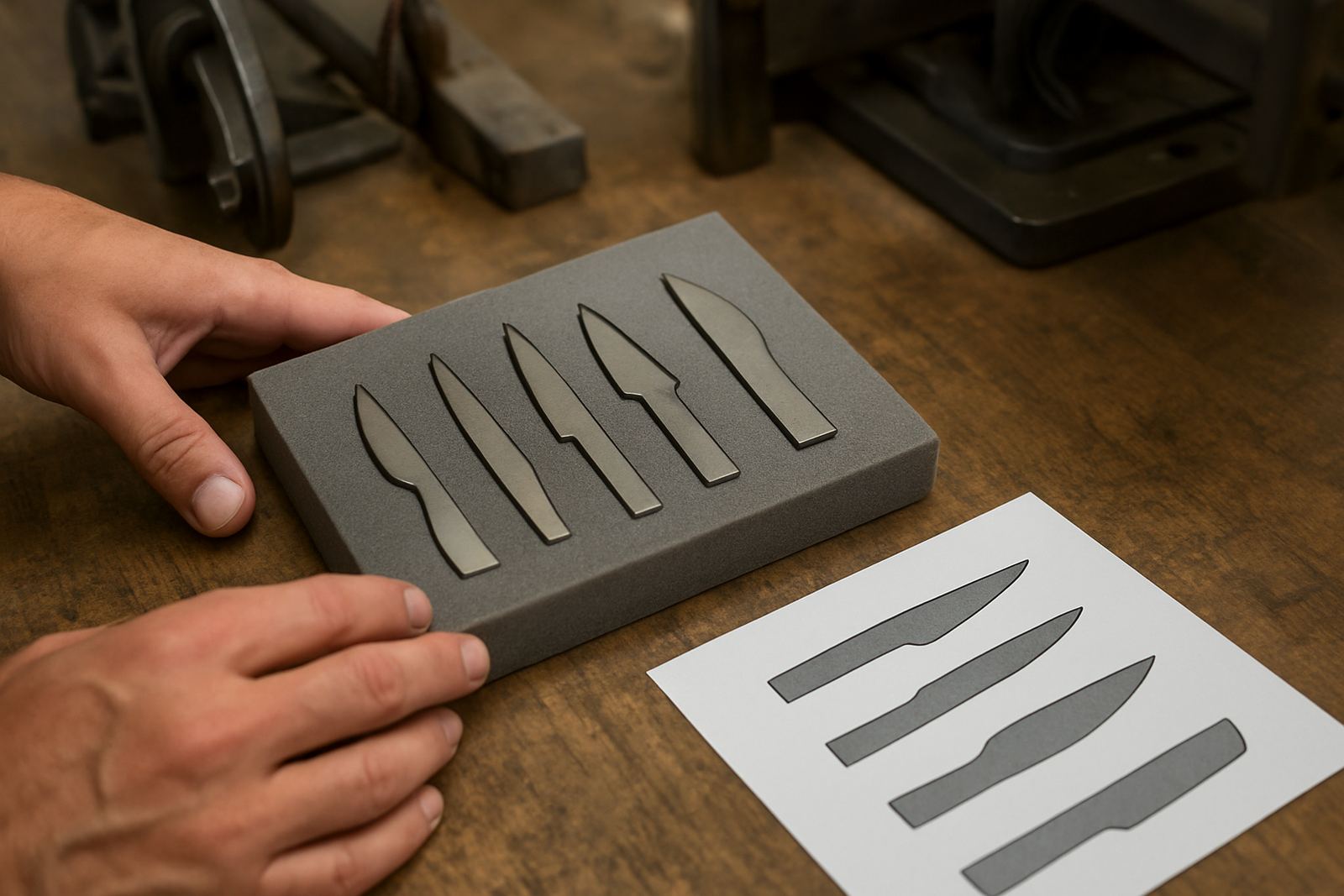
If you are ordering a crackback release design, the brief should be specific. Give the label size, face stock, adhesive type, press type and the exact way the label must release. If the job has to work on more than one press, mention that too. The more detail we have, the easier it is to match the tooling to the job and avoid unnecessary remakes.
It also helps to mention whether the order is for a new product launch or a repeat. Repeat jobs can often be matched very closely, but only if the old issue is known. If the label failed because of a weak release, let us know. If it failed because the liner split too far, say that as well. Clear notes lead to better stock advice, better die design and fewer surprises on the floor.
- Label dimensions and print layout
- Material type and adhesive specification
- Application method and target speed
- Any issues from the previous run
Why precise release design saves money over time
Crackback release design is not just about easier peeling. It affects waste, uptime, customer satisfaction and the number of remakes a converter has to carry. A job that releases neatly can move faster through the press room and the packing table. It also reduces complaints from the end user, which is where the real cost often starts.
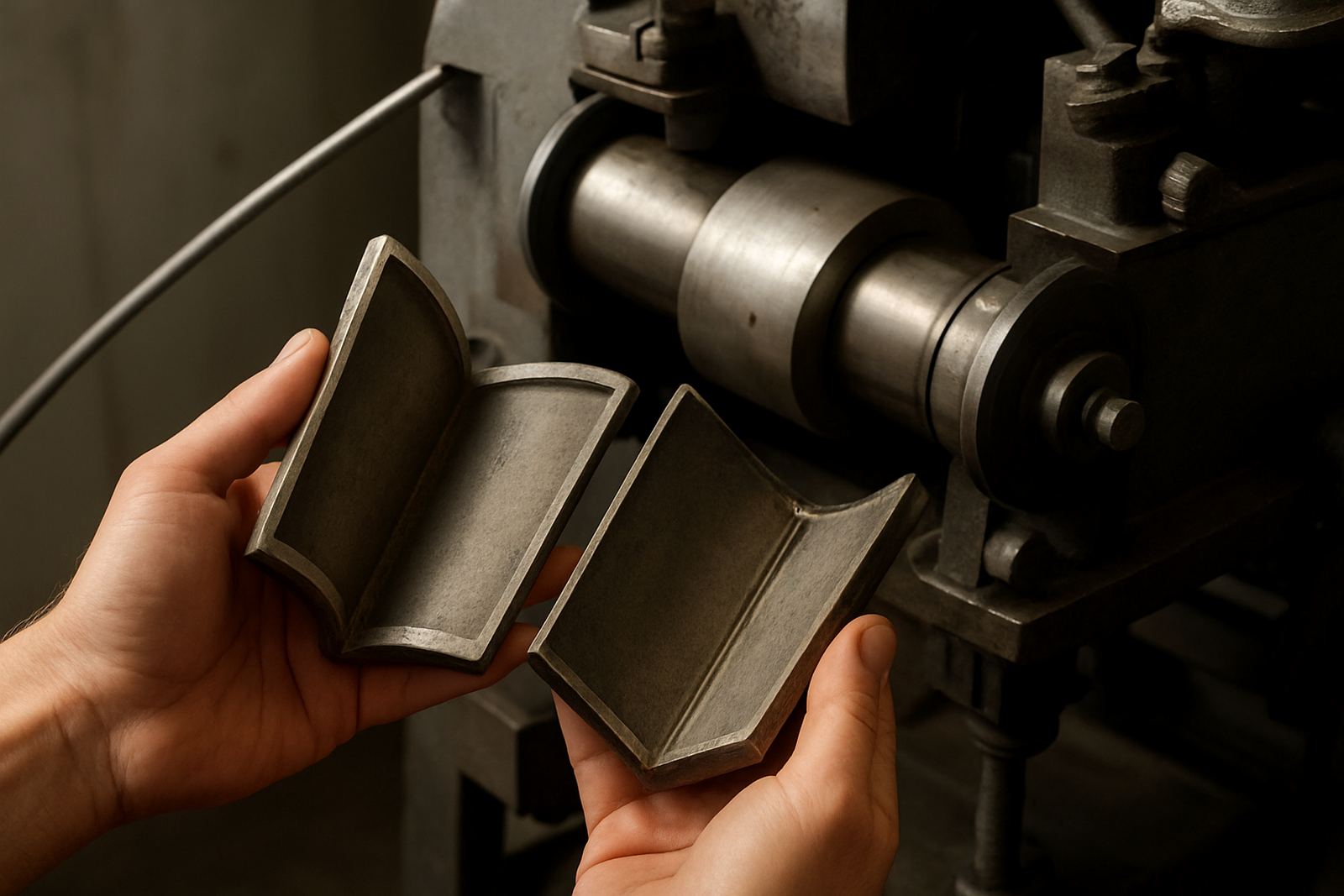
For South African label printers working across different towns and climates, the safest route is to design for the actual job conditions and not only the sample sheet. Precise tooling, proper bearer setting and checked magnet condition all contribute to a cleaner result. When the release is right, the rest of the label performs better too.