Why small errors become expensive on long runs
A short label run can hide a lot. A slight burr on a cutting edge, a magnetic cylinder that is not quite true, or bearer settings that drift by a fraction will often stay invisible for a few hundred labels. On a larger run those same faults show up in waste, stoppages and slow press speeds.
For South African converters, the economics are straightforward. Every extra stop means more labour, more set-up time and more substrate thrown away. If a 20 minute interruption happens three times on a long job, the lost output can outweigh the original saving from cheaper tooling. That is why tooling quality matters more as run length increases.
The real cost of a poor die on a high-volume job
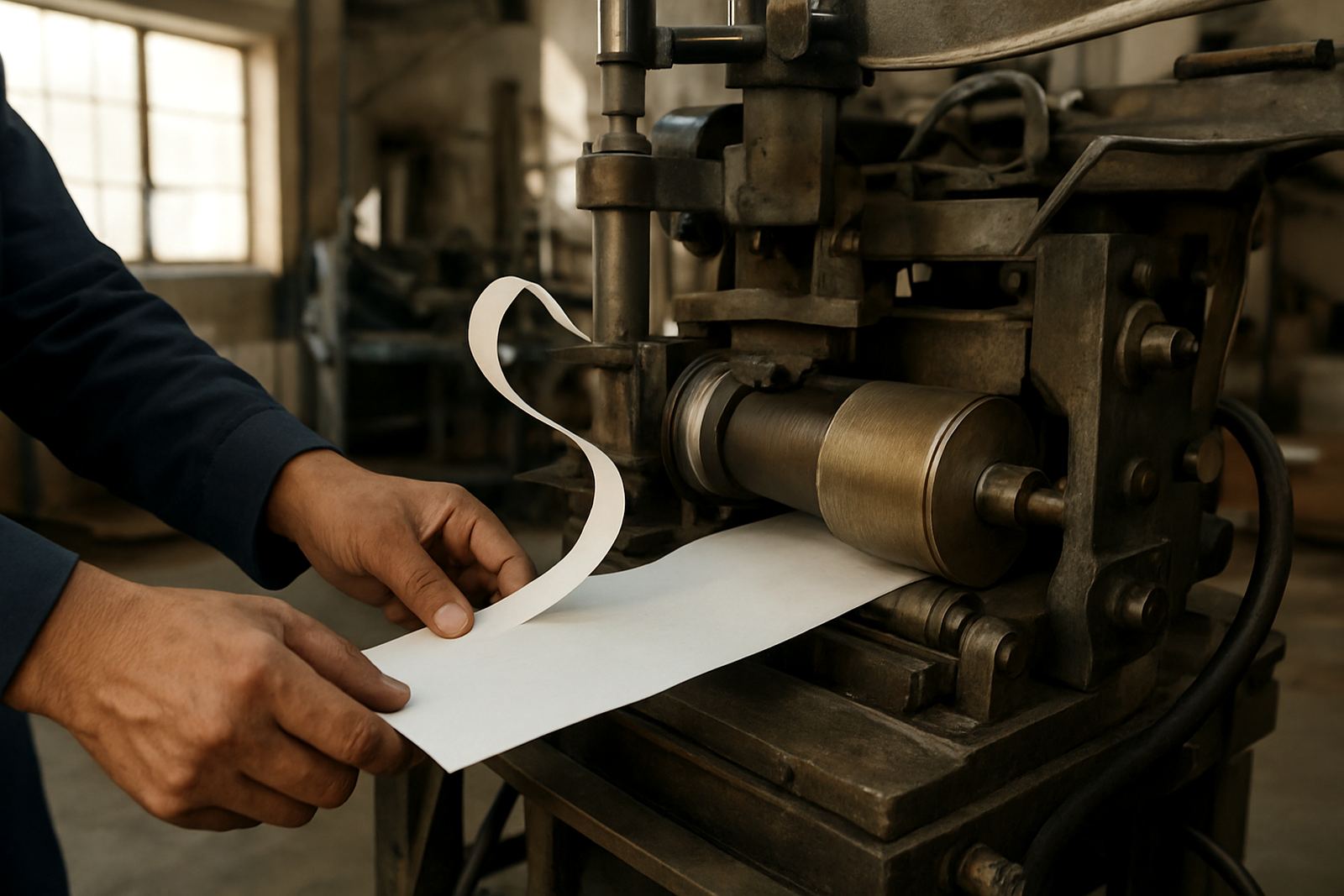
On long label runs, die performance affects more than the finished cut. It affects how confidently the press can keep running, how often operators need to clear waste, and whether the job can hold repeat accuracy from the first pallet to the last. A die that starts to wander can create edge lift, incomplete cuts or liner damage, and then the press team is forced to slow down to protect the job.
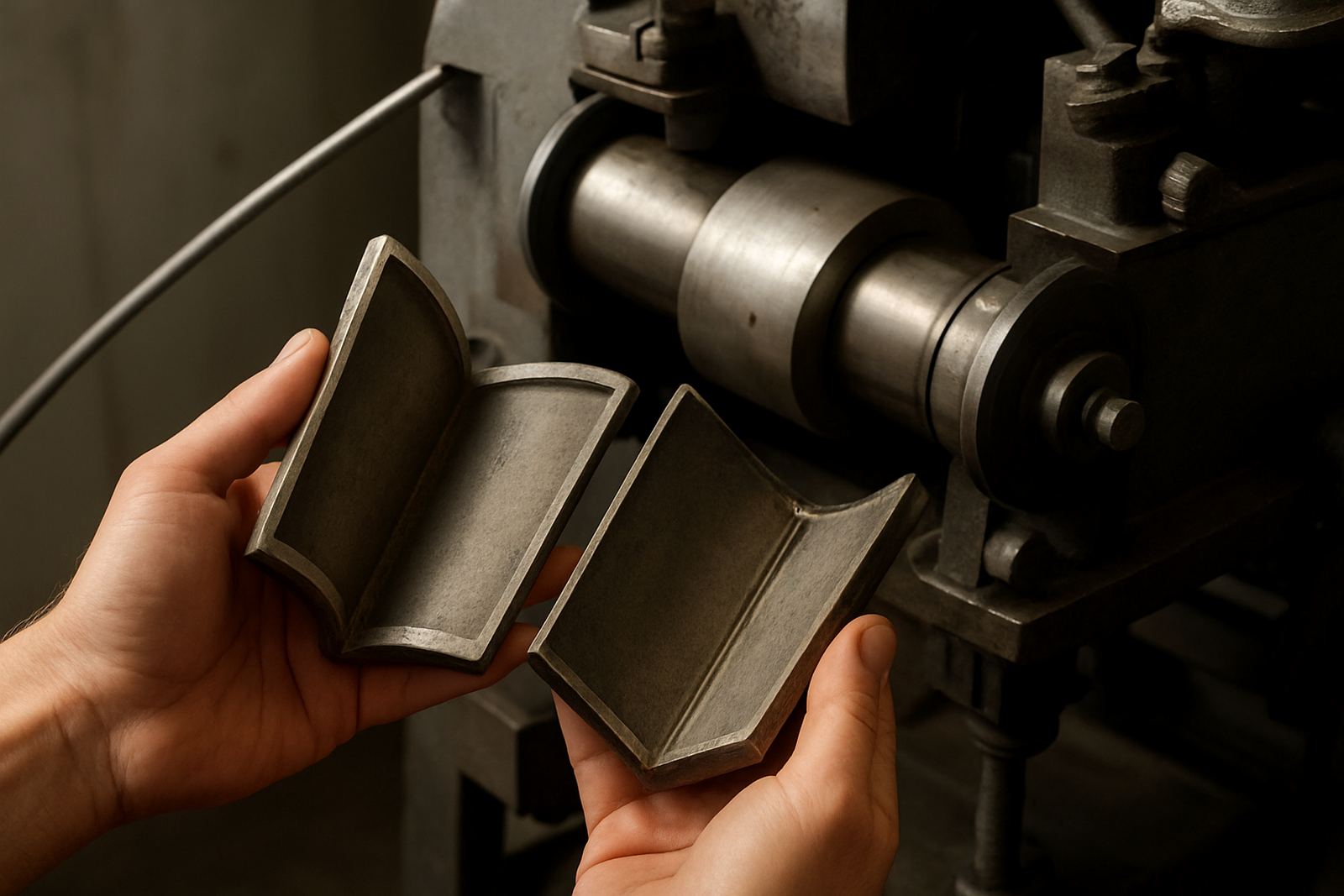
For plants in Germiston, Johannesburg, Pretoria or Durban, those delays are not abstract. They affect delivery windows, overtime and whether a customer receives their labels in time for packing, dispatch or retail release. That is why made to order rotary solid dies, flexible magnetic dies and magnetic cylinders should be specified with the full run in mind, not only the first make-ready.
- Less waste from cleaner cuts and steadier repeatability
- Fewer press stops for adjustment and cleaning
- Better substrate use across the full roll length
- Lower risk of remake costs when a job is repeat ordered
Repeat control is the difference between one good job and ten good jobs
Long runs are not just about one production order. They are also about repeat work. If a label printer knows the die matches the original spec every time, the next order can move faster through the shop floor. If not, the team spends hours checking old samples, re-proving, and adjusting press settings to compensate for tooling drift.
Repeat matching matters when the same label specification is run again after a long gap between batches. A good tooling record, proper CAD proofing and accurate bearer setting help keep the cut position, register and pressure profile consistent. In practice that means fewer surprises when the same label comes back for a 50,000 metre run or a series of smaller repeat orders.
For converters working with food, health or chemical labels, repeat control also supports compliance. The label must fit the pack every time, and the cut must hold up through transport and application. If the tooling is off, the packaging line feels it immediately.
Why South African conditions put extra pressure on tooling
Local production conditions make good tooling even more valuable. Load-shedding can interrupt a job mid-run and coastal humidity can change how materials behave, especially in Durban, Pinetown and Cape Town. In some plants, dust and temperature swings also affect how consistently a press handles long rolls.
That means cutters and cylinders need to be checked properly before the job starts. Magnet checks, die regrind and cylinder refurbishment are not optional extras on demanding runs, they are part of controlling the final cost. A tooling set that is only nearly correct can become expensive once the press is running for hours.
- Heat and humidity can alter material behaviour during long shifts
- Power interruptions can expose weak set-ups when production restarts
- Dust and wear increase the need for clean edges and accurate setting
- Delivery timing matters when jobs are planned around municipal load limits or weekend dispatches
What to ask before you commit to a large run
Before a large label run begins, it helps to ask a few practical questions. These are not theoretical checks. They are the questions that reduce waste, protect margins and keep operators from fighting the tooling all day.
- Has the die been designed for the exact substrate and press setup?
- Has the artwork been proofed against the cutting layout?
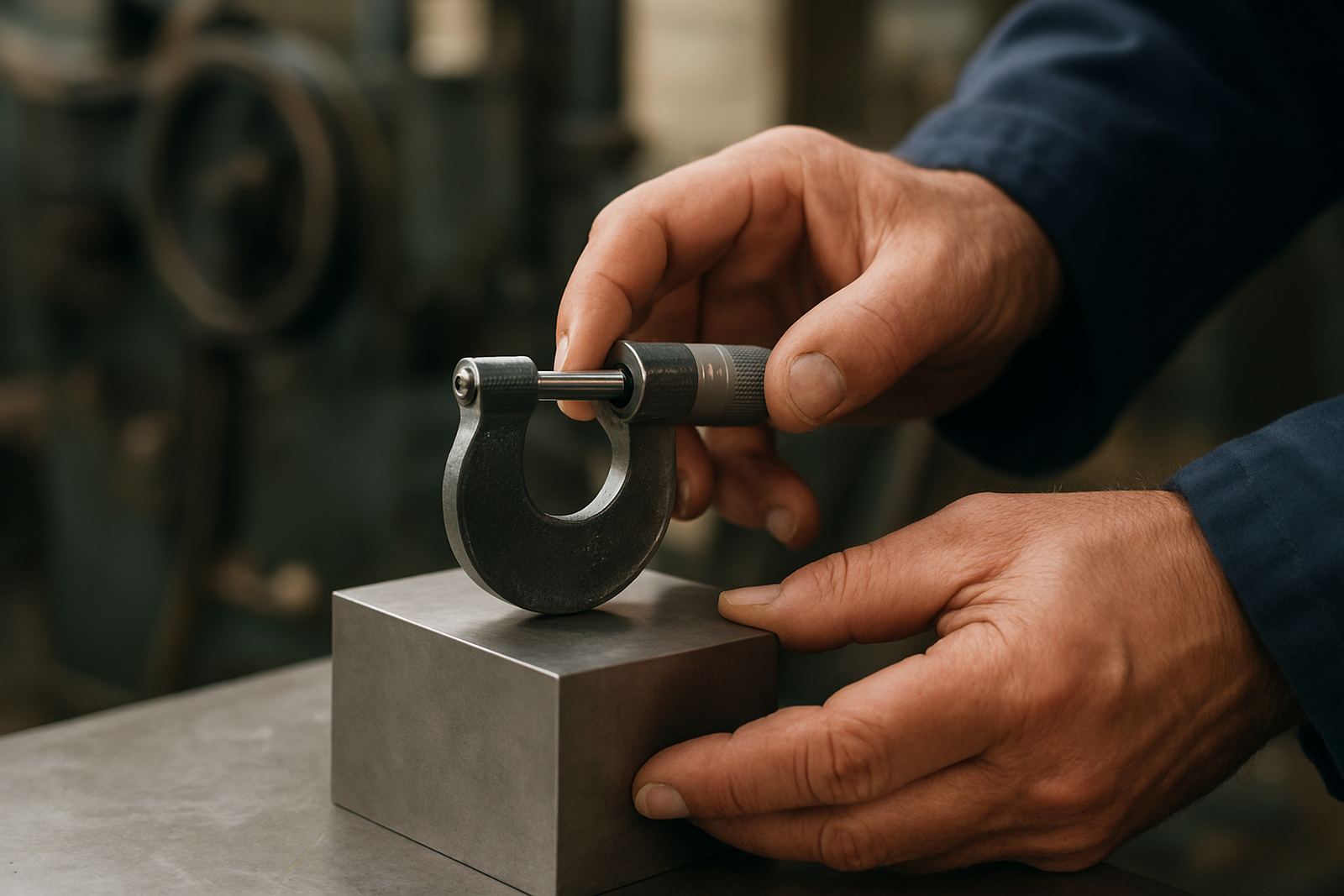
- Is the magnetic cylinder true and ready for the required pressure?
- Was the previous repeat order measured against the original spec?
- Can urgent remakes be handled without throwing off the production plan?
If the answer to any of these is unclear, the run is carrying avoidable risk. A careful upfront check is usually cheaper than a half day of lost production later. That is true whether the job is going to a printer in Pretoria or a converter supplying retail labels in Cape Town.
A local example from the Gauteng press floor
A converter in the east of Johannesburg needed a repeat label run for a client moving product through summer promotion. The order volume was large enough that any stop would affect dispatch, and the labels had to stay consistent across multiple reels. The first sample looked fine, but the press team wanted the tooling checked before the full run began.
After a CAD proofing review and a magnet check, the cutting pressure was brought into line and the bearer setting adjusted. The change looked small in the paperwork, but it made a clear difference on press: fewer stoppages, better edge quality and less waste across the job. The savings came from avoiding small errors over a long run, not from one big change.
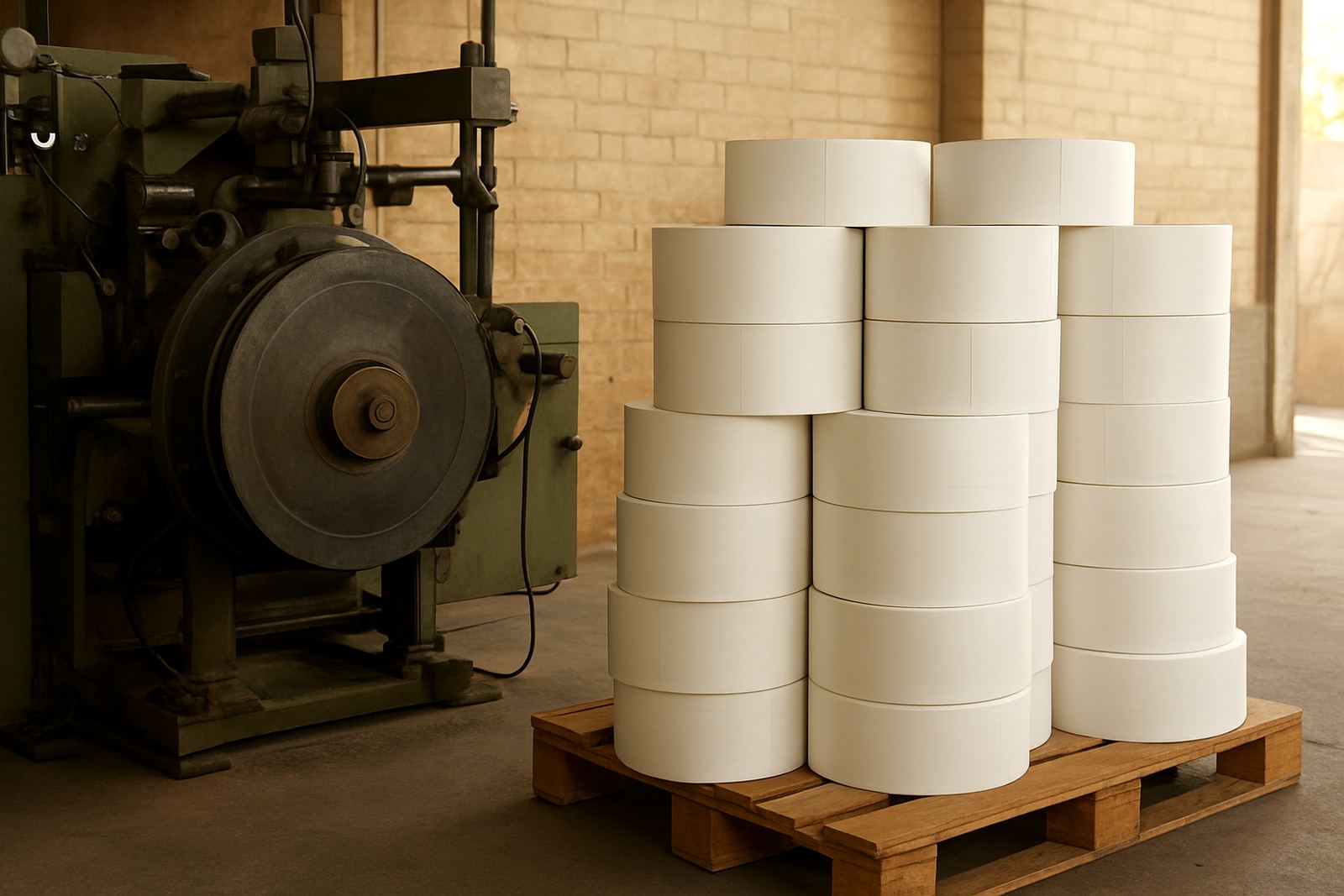
That is the point of long-run economics. The best outcome is usually quiet. The press keeps moving, the waste stays down, and the pallet count matches the plan.
How LabelCutter Dies supports long-run value
LabelCutter Dies works with label printers and converters across South Africa from Wadeville, Germiston, supplying rotary solid dies, flexible magnetic dies and magnetic cylinders made to order with precise tolerances. The focus is on practical support for repeat work, urgent remakes and production planning, because long runs do not forgive poor preparation.
Our team handles die design, CAD proofing, repeat matching, cylinder refurb, die regrind, bearer setting, magnet checks, press trial support, stock advice, packing and dispatch, and delivery coordination. That means the tooling arrives ready for the job, with the right checks in place before the run starts. For clients in Germiston, Johannesburg, Pretoria, Durban, Pinetown, Cape Town, Bellville and Gqeberha, reliable supply helps keep the press schedule steady and the unit cost under control.
In large run production, the cheapest option is not always the lowest-priced tooling. The best value is the tooling that keeps running cleanly, repeats accurately and reduces avoidable downtime from start to finish.