Store dies as if the next shift starts tomorrow
In a busy label room, dies are often used hard and put away in a hurry. That is where the damage starts. A rotary solid die left leaning against a bench, or a flexible magnetic die thrown into a loose rack, can pick up edge knocks, bent corners and surface marks that show up later as poor cut quality. If the die is going back into service next week, it should be stored in the same condition you would want it delivered in.
For South African printers dealing with load-shedding stoppages, humidity near the coast and dust in industrial areas, storage needs to be simple and consistent. The goal is to keep dies clean, dry and seperated by job, size and repeat status. That means every die has a place, every place has a label, and nothing gets left on the floor where trolleys and pallets can catch it.
Keep rotary dies off the floor and away from hard knocks
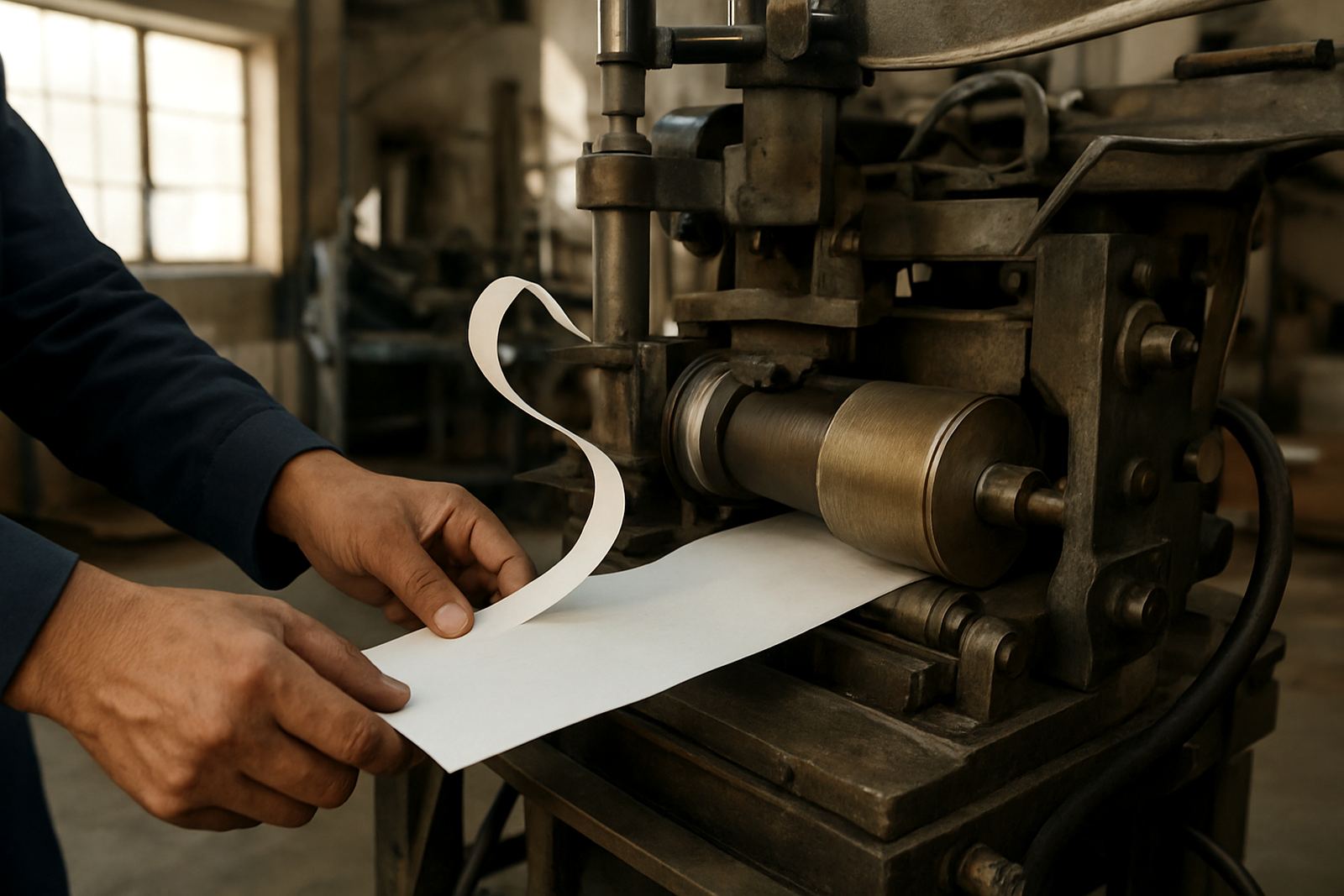
Rotary solid dies are precision tools. A small knock on the cutting edge or bearer area can change the way they run on press. Even if the damage is not visible, it can lead to uneven pressure, more make-ready time and extra waste. The safest habit is to store rotary dies in purpose-built racks or holders that keep them stable, upright and protected from accidental contact.
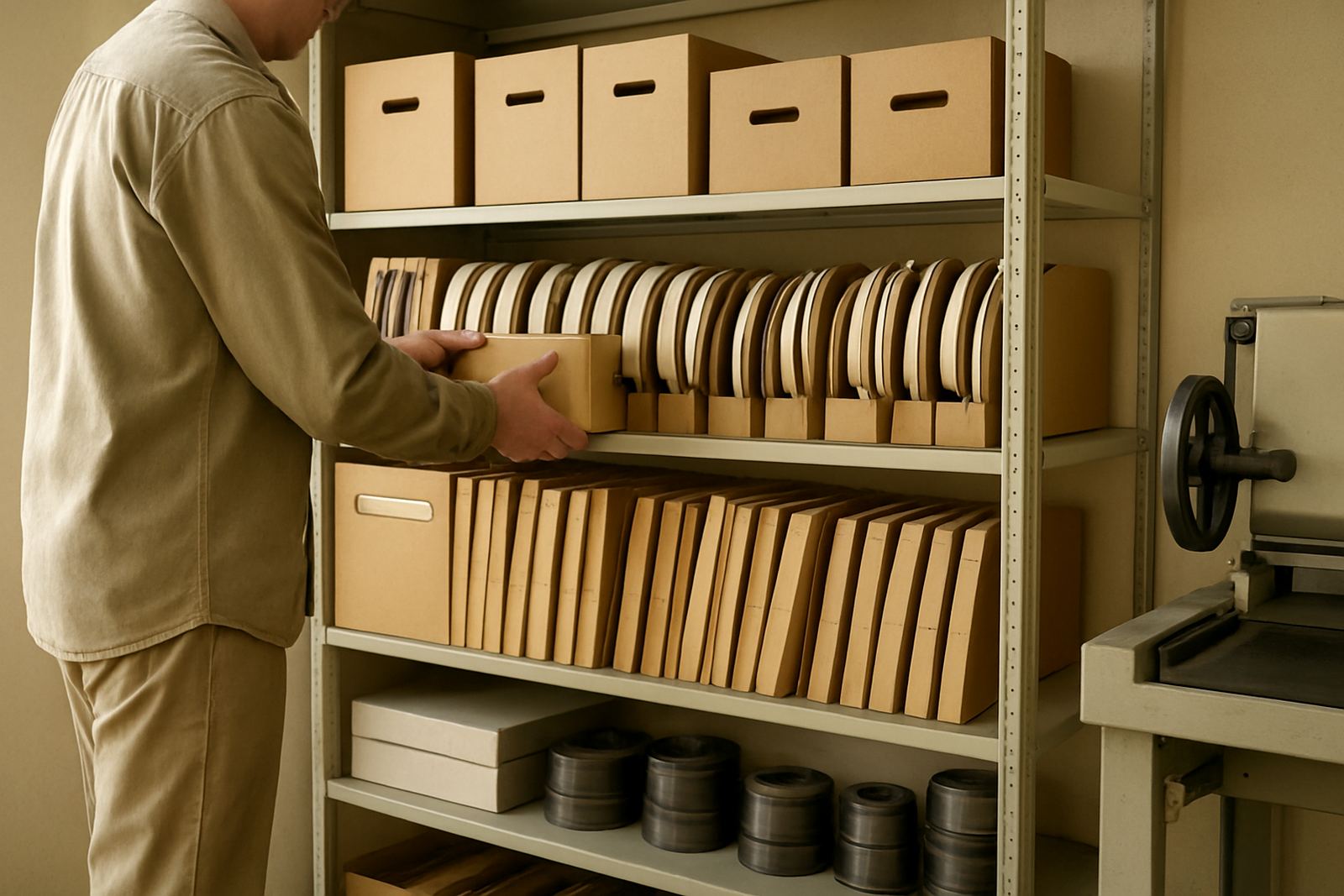
For larger operations in Germiston, Johannesburg and Pretoria, a dedicated die store near production helps a lot. It cuts the number of times a die is carried across the floor and reduces mix-ups between jobs. Keep the heavy pieces low down, with clear access for lifting and moving. If dies are stacked, use spacers and never let metal touch metal without protection.
- Use labelled slots or shelves for each repeat job
- Keep bearing surfaces and cutting edges covered where possible
- Avoid stacking dies on uneven pallets or against walls
- Record any edge damage before the die goes back into storage
Control moisture before it becomes rust and staining
Corrosion is a common problem, especially where winter mornings are damp or where the factory is near the coast. Flexible magnetic dies can stain, and rotary tooling can rust if it is stored in poor conditions. Once corrosion starts, the cleaning takes time and sometimes the die no longer runs as smoothly as it should. A dry store is cheaper than a regrind or replacement.
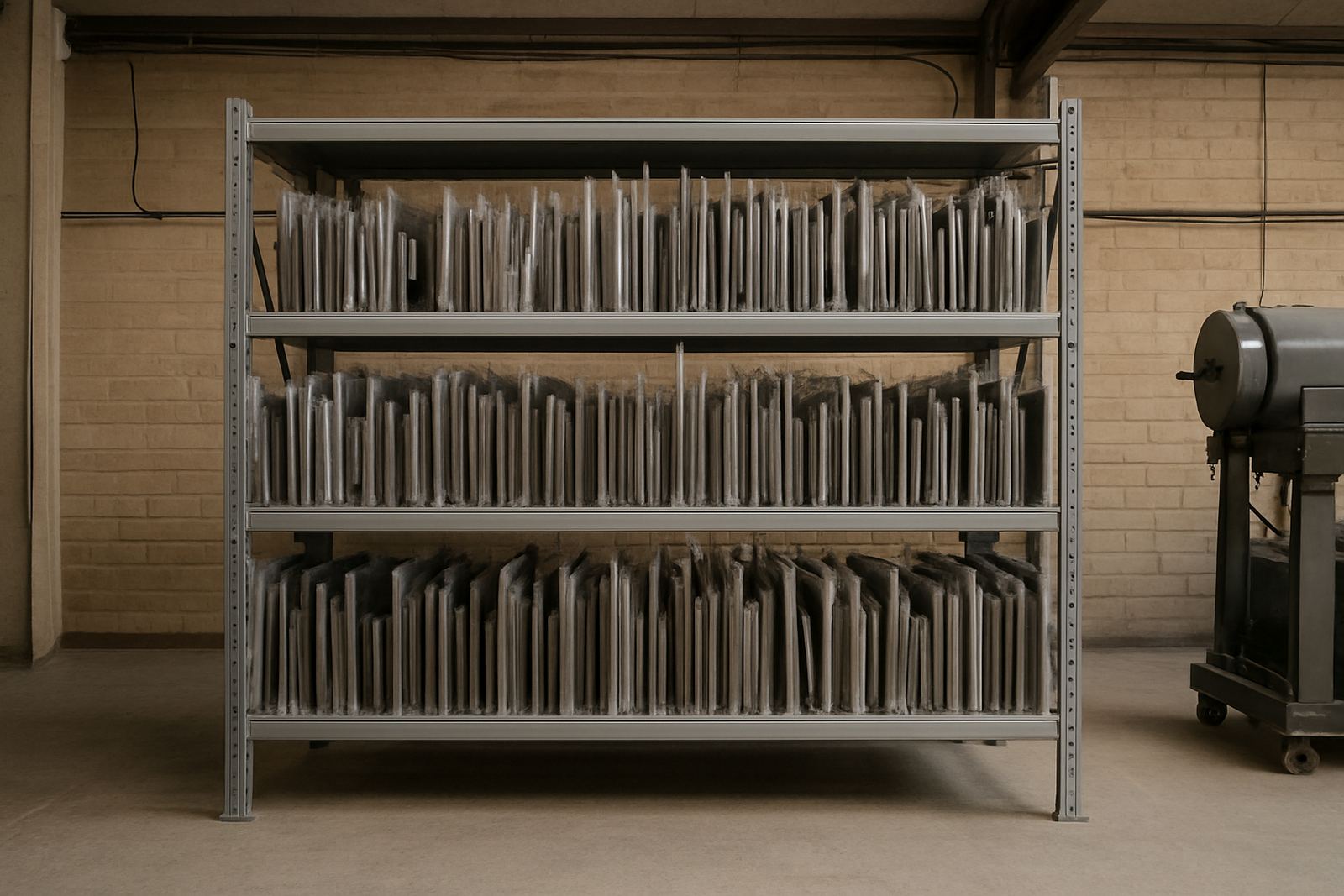
Use closed cupboards, sealed cabinets or enclosed racks where possible. If the room is humid, add moisture control to the storage area and avoid leaving dies near open doors, wet rags or freshly washed floors. Wipe dies before storage so adhesive residue, inks and dust do not sit on the surface. If a die is returned from press with cleaning fluid on it, let it dry fully before packing it away.
- Store dies in a dry, shaded room rather than near wash-down areas
- Check for water marks after weekend shutdowns or power cuts
- Use protective wrapping only if it will not trap moisture
- Inspect older stock monthly for rust spots or staining
Label every repeat job so the right die comes out first
Confusion between repeat jobs costs money. A printer may have three versions of the same label, a revised artwork file and two nearly identical dies from different years. Without a clear system, the wrong tool can be pulled from storage and the press team only notices when make-ready starts. That means wasted time, wasted substrate and sometimes a late delivery.
Good labelling should be visible at a glance. Mark each die with the job name, size, repeat number, date of manufacture and any special notes such as bearer setting, magnet type or press side. Keep the same naming style across the whole store so the team does not have to guess. One person may call it the “2-up berry label” while another knows it as “Fruit Pack Rev 4”. Pick one format and stick to it.
At LabelCutter Dies, repeat matching and CAD proofing work best when the storage record matches the actual tooling on hand. If the label room has changed since the last run, make sure the stored die and the job sheet still agree before the next press booking goes live.
Build a simple check-in routine after press use
When a die comes off the press, do not let it go straight back onto the shelf. A short check-in routine catches issues early and keeps the store clean. This is the right time to note wear, burrs, score marks, magnet condition and any setting changes made during the run. It also helps the team decide whether a die needs regrind, cylinder refurb or a touch-up before the next job.
A practical routine only needs a few minutes, but it should happen every time. The operator or dispatch team should know where the die goes, who signs it in and what condition it was in when it left production. That record becomes useful when a customer asks for an urgent remake or when a repeat job comes back after a long gap. It is much easier to trust storage records than memory.
- Clean off adhesive and ink before packing away
- Check cutting faces, magnets and bearer areas
- Record any setup changes made during the job
- Send damaged items for assessment instead of shelving them as normal
Use storage to speed up deliveries and urgent remakes
Good storage is not only about care, it also supports dispatch. When a die is clearly marked and stored in the right place, it can be picked, checked and packed far faster for delivery to Johannesburg, Durban, Cape Town, Pinetown, Bellville or Gqeberha. That matters when a converter needs an urgent remake after a press fault or a last-minute order change.
The storage layout should make it easy to separate daily-use dies from slow-moving stock. Keep urgent jobs close to the packing area and make sure the dispatch team can confirm the item before it leaves. If the store is full of loose trays and unmarked sleeves, mistakes happen. If the system is tidy, packed orders move out with less stress and fewer callbacks.
A good example is a Durban label printer running a coastal seafood order. If the repeat die has been stored correctly, checked for corrosion and kept separate from similar jobs, the team can load it quickly after a power interruption and keep the customer supplied on time. The storage habit saves more than space, it protects the whole schedule.
The best storage systems are the ones staff actually follow
There is no point building a perfect storage plan if it is too complicated for the night shift or the new operator. The best system is the one that works during busy periods, load-shedding and end-of-month rushes. That usually means clear labels, fixed shelves, short checklists and a single person responsible for sign-in and sign-out. Keep the process practical and everyone will use it.
For label printers and converters, storage is part of quality control. It protects the die, but it also protects production time, repeat accuracy and customer confidence. If your dies are stored well, the next job starts better, the press runs cleaner and the team spends less time searching for old tooling and more time printing.