What matrix removal actually does on press
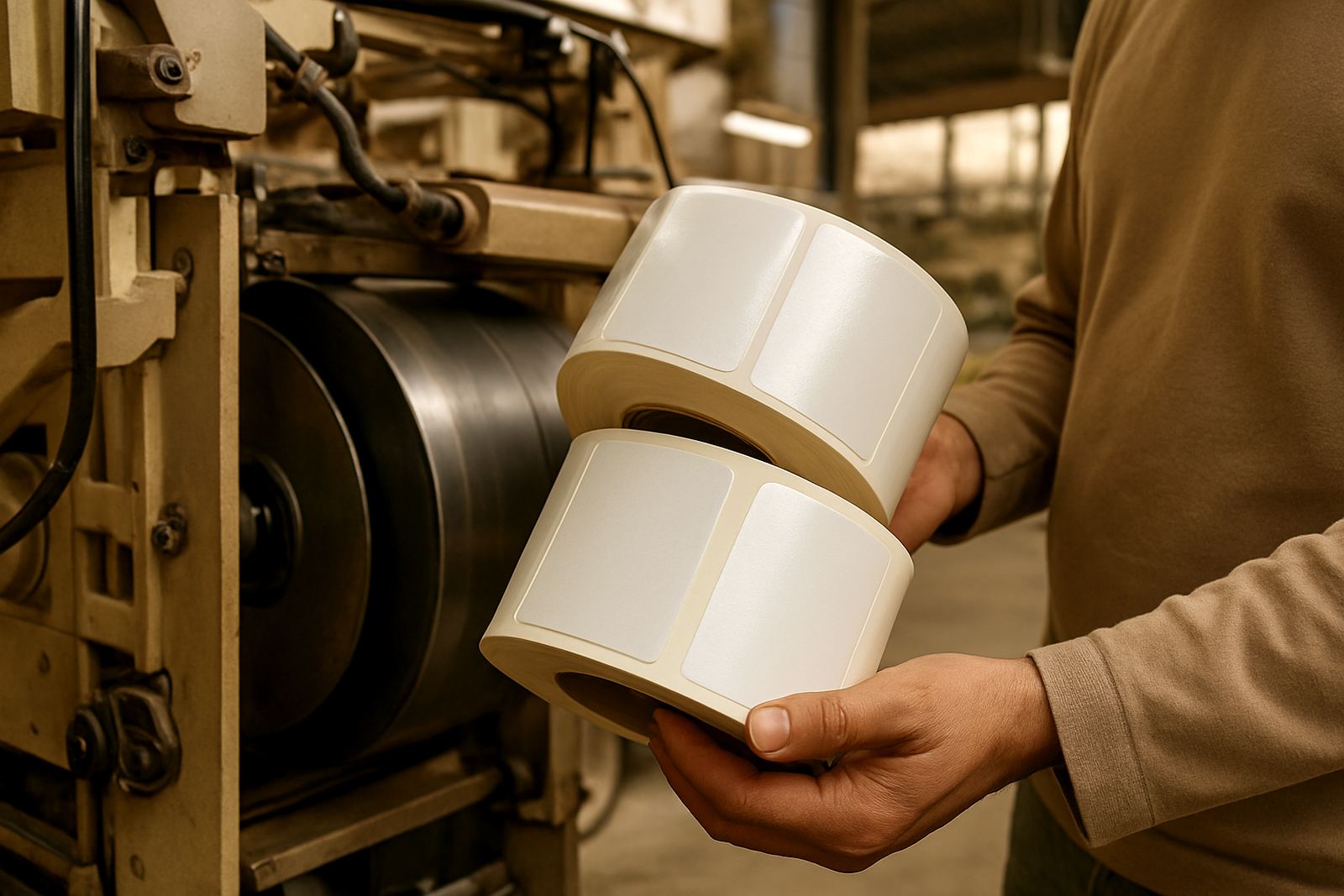
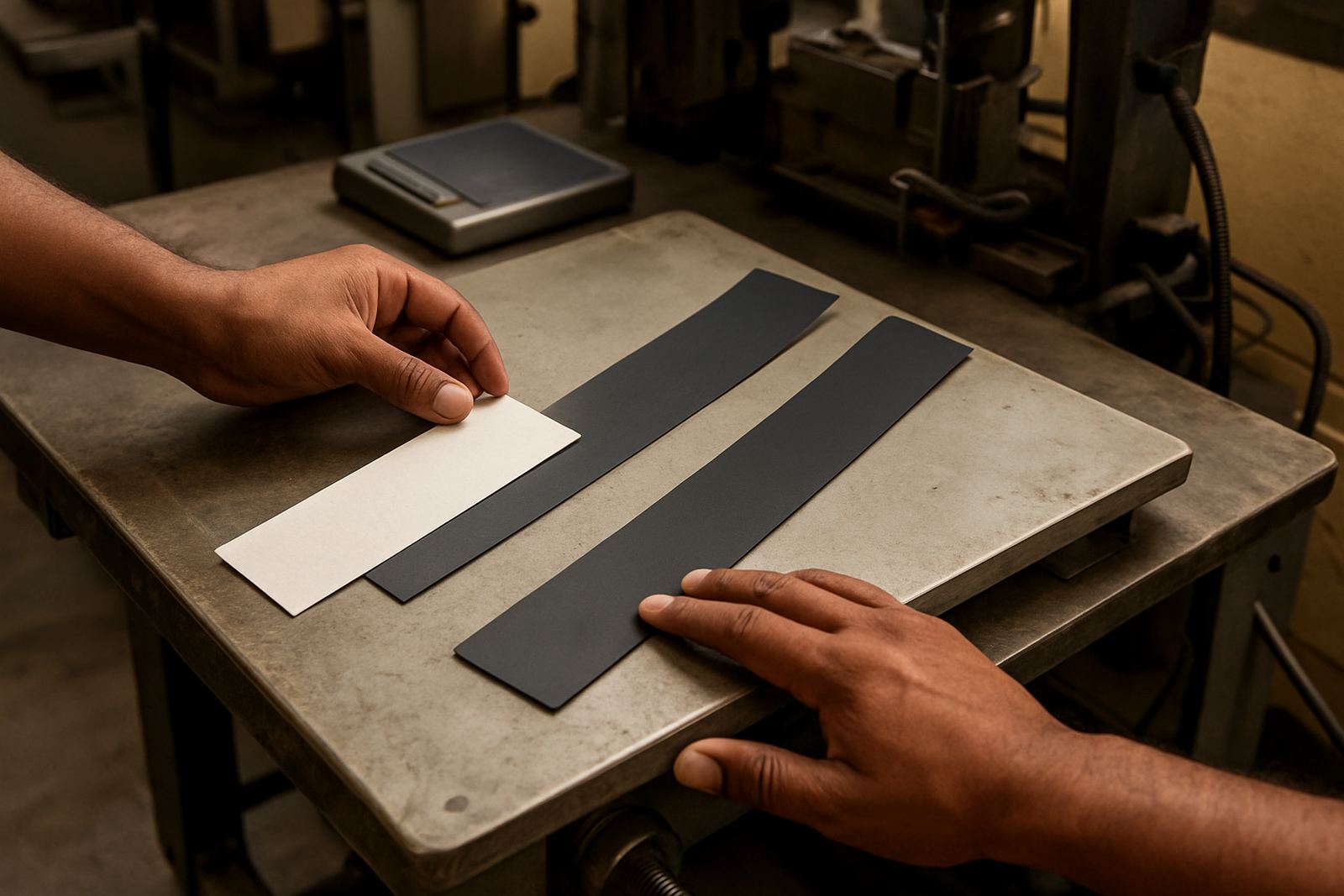
Matrix removal is the process of stripping away the unwanted web after die cutting so the finished labels stay on the release liner in a clean, even web. In practical terms, the strip has to come off without pulling the labels up, breaking into ribbons, or leaving sticky fragments behind. When it works well, operators keep the press moving and the rewind stays neat. When it goes wrong, you get stops, waste and a lot of hand clearing.
For South African label printers, stable stripping matters on short local runs as much as on long production jobs. A converter in Wadeville may run barcode labels for a warehouse in Germiston in the morning, then switch to a sleeve job for Cape Town or a food label order for Durban by afternoon. Each job can behave differently, so matrix removal has to be set for the actual material, not just the artwork.
The three things that decide stripping stability
Most matrix problems come from a mix of die geometry, adhesive behaviour and tension control. A sharp die with the correct bearer setting gives a clean cut, but if the adhesive is too aggressive or the strip angle is poor, the waste still resists. The same job can run smoothly in cool weather and then start lifting on a hot February day in Gauteng, or after a damp night near the coast.
- Die condition: wear on a solid rotary die or flexible magnetic die changes cut quality and makes the matrix harder to release.
- Adhesive strength: stronger adhesives need better cut depth control and more careful strip angle.
- Web tension: too much tension can cause tearing, while too little lets the matrix wander and snag.
- Liner behaviour: thin liners, coated liners and recycled stock all strip differently.
One small change can make a big difference. A press that is stable on a 60 metre test roll may start misbehaving after a longer run, so the first 10 minutes and the last 10 minutes both need checking.
How to set up the press for cleaner removal
Before a job starts, check the die depth, bearer setting and web path. If the cut is too deep, the waste weakens and breaks. If it is too shallow, the labels do not release cleanly and the strip drags. A proper press trial should confirm that the matrix lifts evenly from both sides and that the rewind core is taking up the strip without wandering.
Practical setup steps help more than guesswork:
- Set the die to cut just through the face stock, not into the liner.
- Keep side lay and web guides square so the waste does not pull sideways.
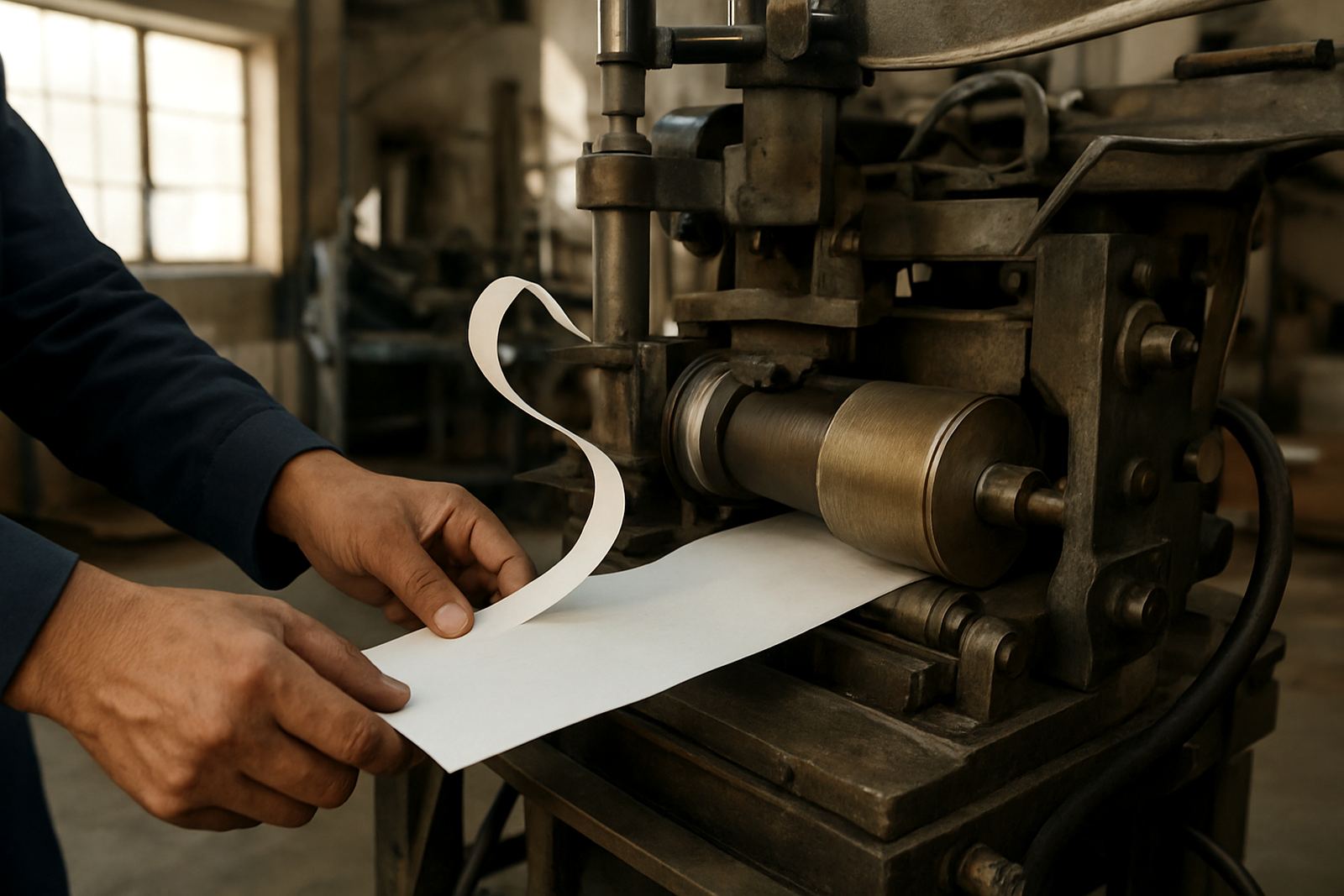
- Use a strip path with enough angle to separate the matrix gradually.
- Watch for glue ooze on hot runs, especially on heavy adhesive stock.
- Check the rewind tension after each speed increase.
On urgent work, especially when a load-shedding window is short, it is worth doing a fast proof run before opening the press up. That small pause can save a whole roll and a lot of rework.
Common stripping faults and what they usually mean
When the matrix tears, the cause is often a cut that is too aggressive or a strip path that is too tight around a corner. If the waste comes off in a narrow ribbon and then folds back on itself, the adhesive may be too tacky for the liner or the press speed may be too high. If the waste lifts one side of the label, the die may be uneven or the bearer setting may need checking.
A quick fault guide is useful on the floor:
- Matrix breaks repeatedly: cut too deep, worn edge, or too much pull on the rewind.
- Labels lift with the waste: adhesive is overcut or the strip angle is too sharp.
- Sticky build-up on the strip path: adhesive migration, heat, or poor waste clearance.
- Uneven strip tension: misaligned guides, inconsistent web width, or poor core placement.
In many cases the issue is not one big fault but three small ones stacked together. Fixing only the tension while leaving the die wear untouched may improve the job a bit, but not enough for steady production.
Why repeat jobs need more than a stored die
Repeat matching is not just about finding the same tool again. A job that ran well six months ago can behave differently because the stock changed, the adhesive spec changed, or the press room conditions changed. In coastal areas like Gqeberha and Durban, humidity can soften some materials and change stripping behaviour. In Pretoria or Johannesburg, dry air and heat can do the opposite.
That is why repeat work benefits from a full record of die condition, cut settings and any changes made during the last run. A good repeat check should include:
- confirmation of the exact label size and repeat length
- inspection of the die edge and any wear marks
- review of the last press trial notes
- check of the liner and adhesive type
- review of any packing or dispatch damage from the previous delivery
When the press team knows what worked last time, they can get back to stable stripping faster and avoid chasing problems that were already solved.
A local label job example from Germiston to the coast
A converter in Germiston can be running a standard paper label job in the morning, then get a rush order for a customer in Bellville that needs a tougher adhesive and tighter cut tolerance. The first stock may strip cleanly with little effort. The second may need a slower start, a sharper strip angle and a fresh bearer check because the waste web keeps pulling at the corners.
That is the practical reality of matrix removal in South Africa. Jobs move between inland and coastal conditions, between dry warehouse stock and humid dockside storage, and between planned production and urgent remakes. A stable stripping setup protects output, but it also protects time. It keeps the operator from stopping every few minutes to clear waste, and it keeps the delivery schedule on track for Johannesburg, Pretoria, Durban, Cape Town and Gqeberha.
When to ask for support before the problem grows
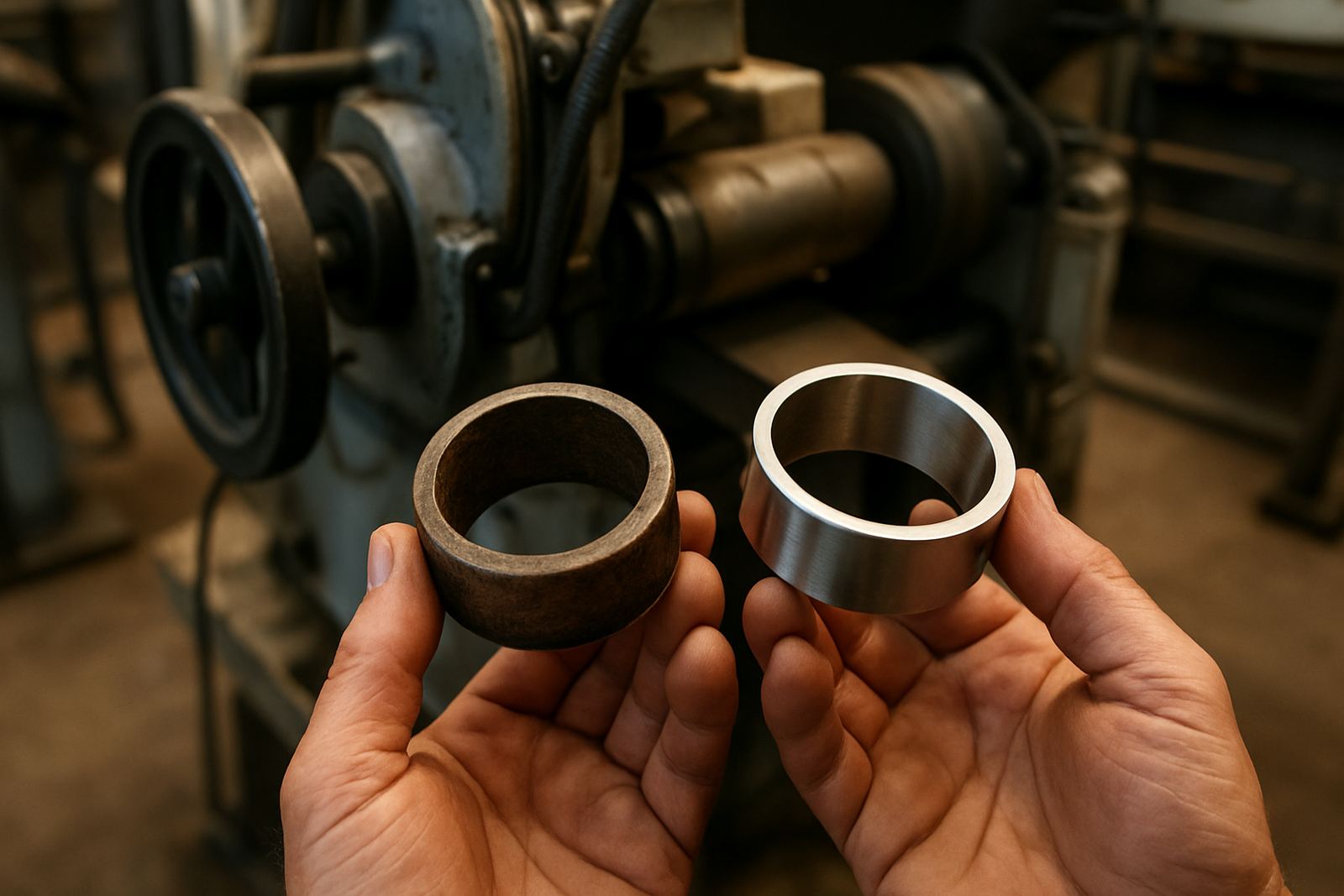
If a matrix starts failing on the same job more than once, it is worth checking the die and the job history before the next run. A regrind may be enough on a worn solid die, while a flexible magnetic die may need a magnet check, reproofing or a fresh setup note. If the waste path is awkward or the cut quality is inconsistent, a press trial with production stock is usually faster than trying to force the line through by feel.
At LabelCutter Dies in Wadeville, Germiston, the focus is on making and supporting rotary solid dies, flexible magnetic dies and magnetic cylinders with the right tolerances for local label work. For urgent remakes, stock advice, packing and dispatch or delivery coordination, a clear job note helps the team move quickly and keep the stripping side of the job under control.