Why repeat orders go wrong when the notes are thin
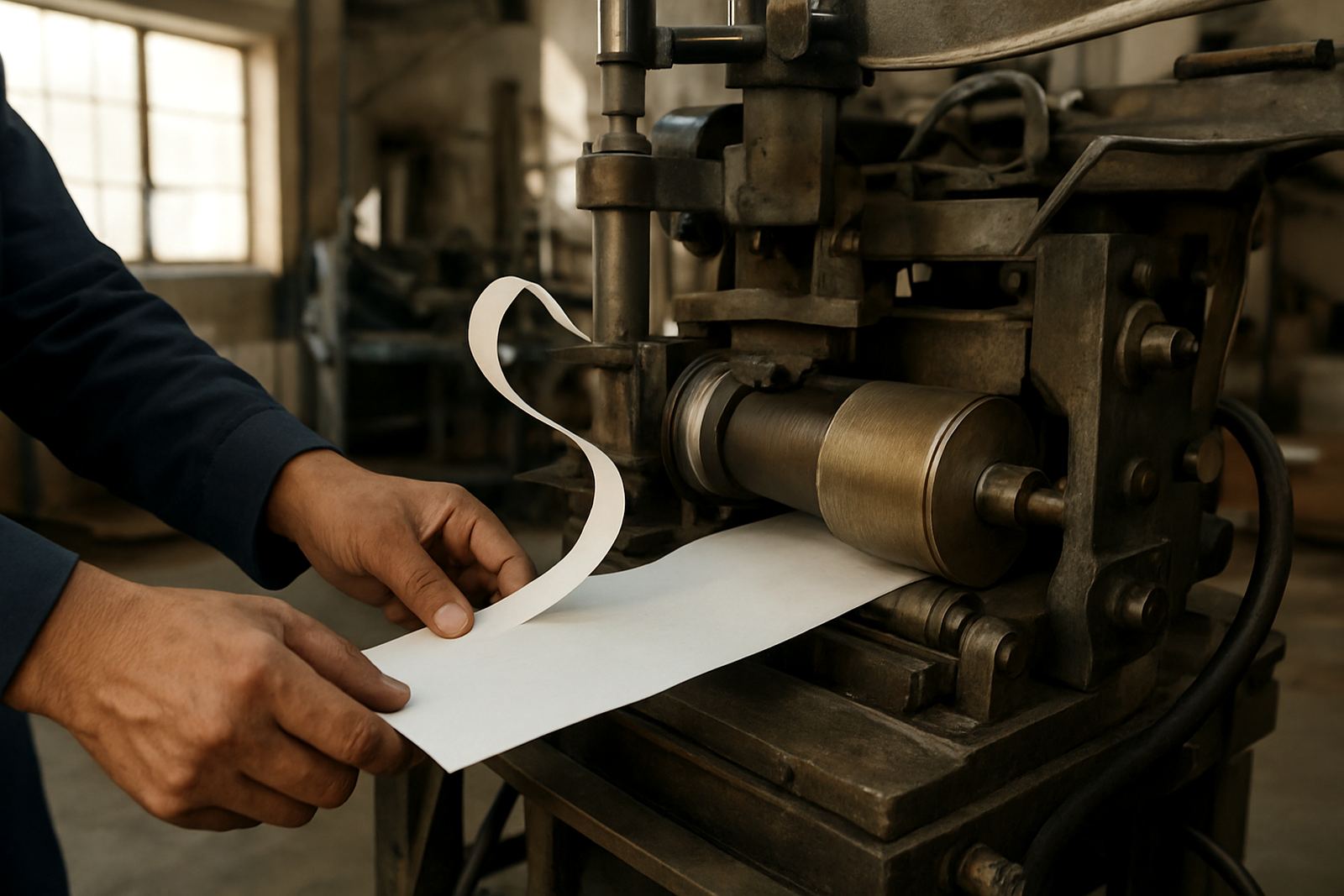
Most reorders do not fail because the die was badly made the first time. They fail because the next person to approve the job is working from half a brief, an old PDF or a memory that is a bit too confident. In label converting, small differences matter. A fraction of a millimetre on the cut line, a changed core size, a new repeat length or a bearer adjustment can turn a familiar job into a press problem.
In South African plants, the pressure is usually practical. A client wants the same labels back in time for a run in Durban, the press is booked, the paper is on site and the client cannot afford another round of trial and error. That is why good reordering starts long before the next PO arrives. The useful job details are the ones that let you recreate the same result, not just the same die number.
What to keep from the first job, and where it helps most
The best repeat files hold the facts that affect cutting, press set-up and delivery. A clear job record should tell the next team what was made, how it behaved and what was approved. That is especially helpful when a label is being rerun for the same product but on a different substrate or on another press.
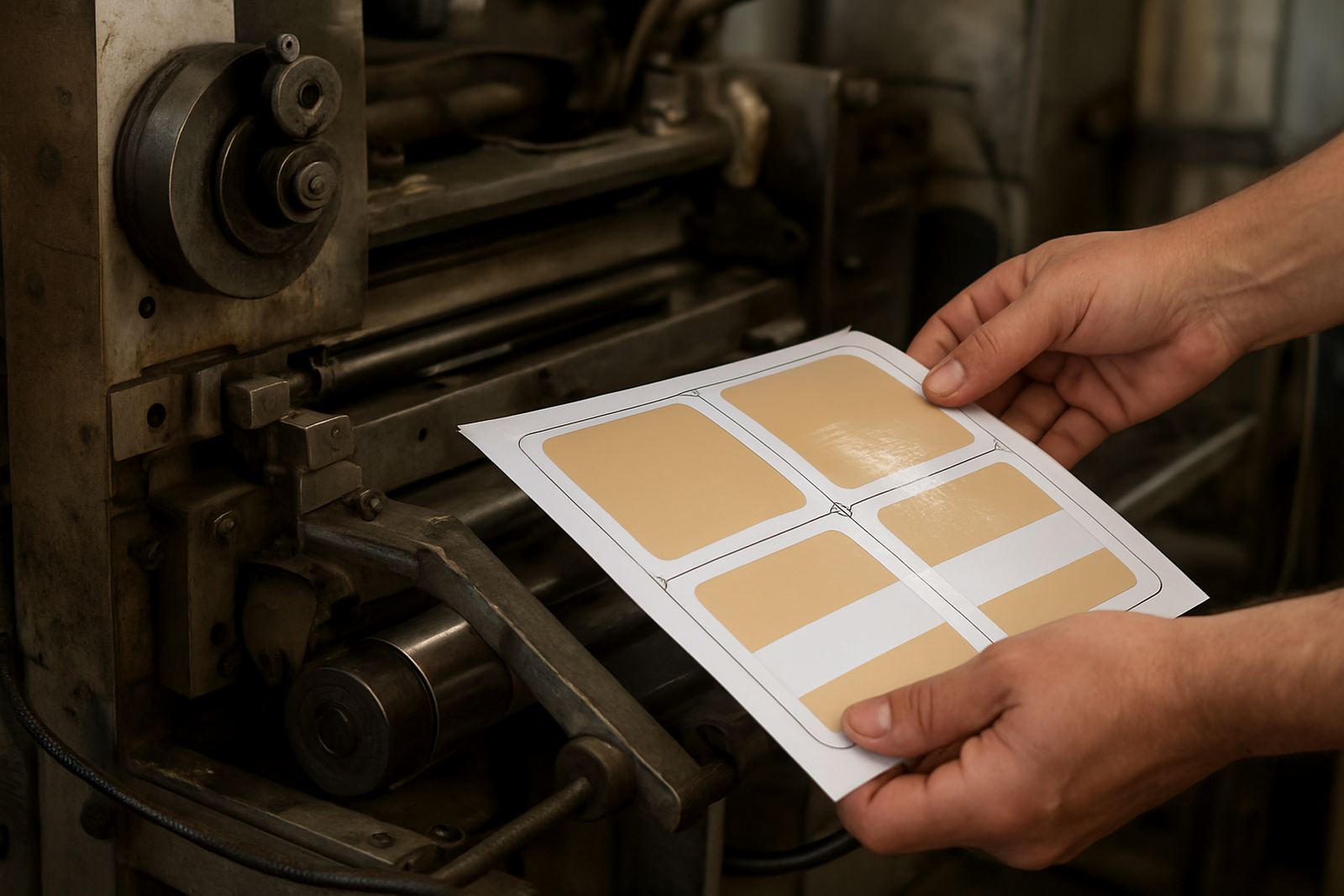
- Final label size, shape and corner details
- Substrate type, thickness and any liner changes
- Repeat length, web width and unwind direction
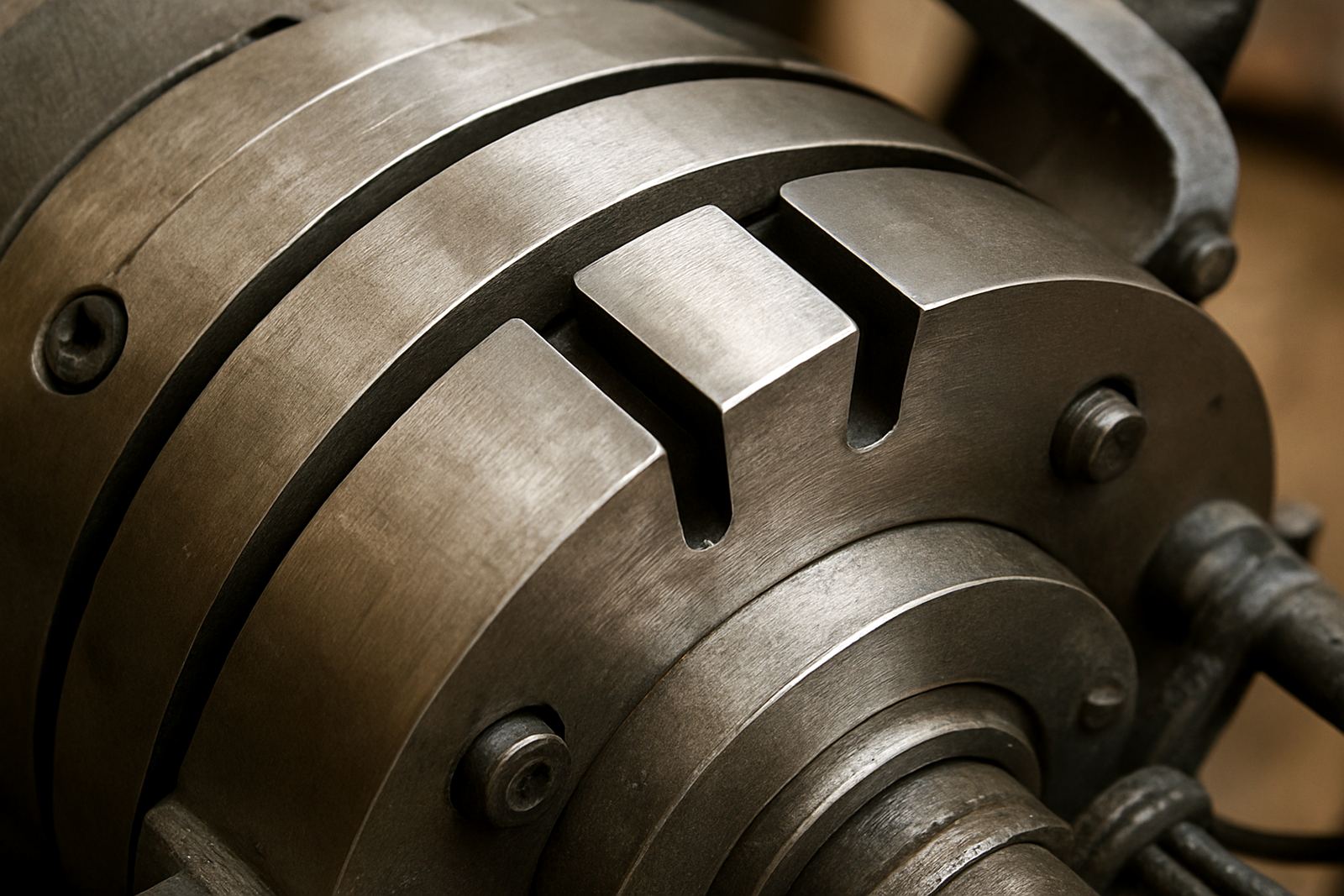
- Die type used, rotary solid, flexible magnetic or magnetic cylinder
- Bearer setting or press notes from the last run
- Approved artwork version and CAD proof reference
- Any handling notes, such as static, lift-off or trim issues
If a job has had a cylinder refurb or die regrind before, keep that history too. It helps spot whether a repeat issue is really about the die, or whether the press conditions changed and the tooling is only getting blamed. That distinction saves time and avoids unnecessary remakes.
How to make the job file useful for the next production run
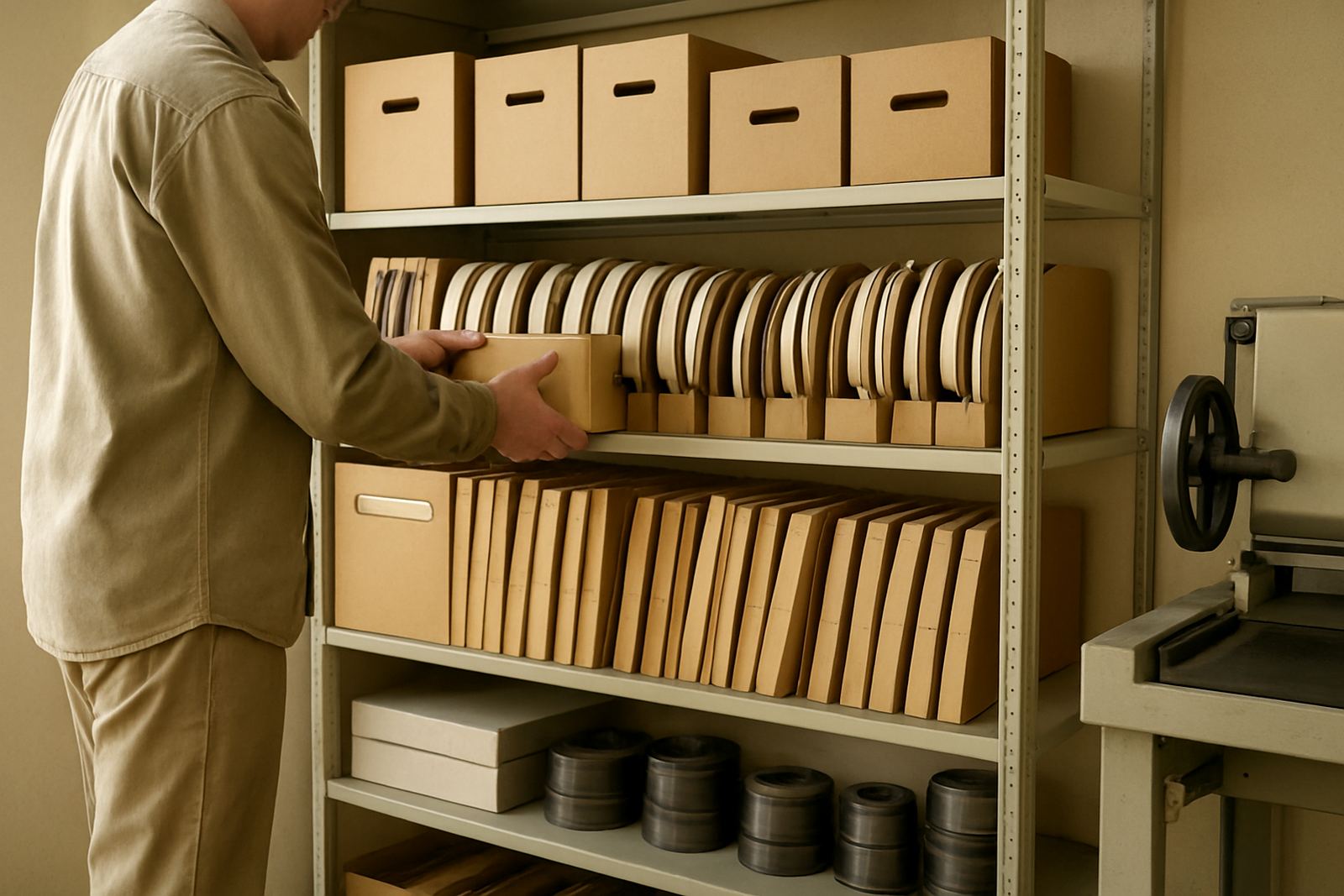
A repeat file works best when it is written for production, not for filing. Keep it short enough that a shift supervisor can read it quickly, but detailed enough that a technical sales person or CAD designer can use it without phoning around. If you have more than one site, make sure the same job title is used everywhere so there is no confusion between Germiston, Johannesburg or a delivery point in Pretoria.
Good job notes should answer three questions: what was made, what happened on press, and what changed after approval. If the answer is not obvious, write it down. A note like "cut fine on 80 gsm but needed extra bearer pressure on film" is far more useful than a vague comment saying the job was okay. Little notes like this save a lot of back and forth later and they stop the next run from starting blind.
- Record the exact date of approval and who signed off
- Keep a clean copy of the die drawing and any marked-up changes
- Store trial results, even if the result was only partly acceptable
- Note delivery instructions, especially if the job was urgent or split by area
- Keep photos of the first sample if registration or waste was an issue
The South African production realities that should stay on file
Local production conditions change more often than people admit. Load-shedding can affect machine timing, coastal humidity can alter substrate behaviour and some plants are running mixed shifts with different operators on the same press. A repeat order that was simple in winter can behave differently in humid months, especially in Durban, Pinetown or along the Cape coast.
That is why it helps to keep notes about the environment as well as the tooling. If static was a problem in Gqeberha, or the trim needed attention on a hot afternoon in Cape Town, that information should live with the job. Municipal delivery restrictions, site receiving times and weekend access also matter when the re-order is urgent. A good record reduces the risk of a die arriving on time but the run still being delayed because the press team is not set up for the same conditions.
Where repeat matching is involved, even a small change in stock or press speed can alter the result. Keeping those details on file means the next order starts with facts, not guesses.
What our team checks before a reorder is released
At a practical level, a repeat order is only as strong as the checks done before it leaves the shop floor. The same job may have been made years ago, but the tooling still needs to be measured against the current requirement. That is where die design, CAD proofing and magnet checks all become part of the same process.
Our production team looks at the current specification, compares it to the previous record and checks whether the original tooling still matches the request. If there has been wear, distortion or a change in the press setup, that gets picked up before packing and dispatch. For urgent remakes, the goal is to catch the issue early enough to protect the run and avoid another missed delivery.
- Confirm the repeat against the stored drawing
- Check bearer settings and magnet condition where relevant
- Review whether the die needs regrind or refurbishing
- Verify packing details for transport to the correct branch area
- Flag anything that could affect press trial support on arrival
This is also where a clean handover saves money. A rerun for Johannesburg should not depend on someone remembering a conversation from last season. The right notes make the job repeatable and easier to dispatch without confusion.
A Germiston example: one job, three reorders, no wasted time
One of the easiest ways to see the value of good notes is to look at a label run that comes back more than once. A converter in Johannesburg might approve a label set for a short promotion, then reorder the same job later for a longer retail campaign. If the original file includes the die type, repeat length, substrate and press notes, the second and third runs become much simpler.
In Wadeville, Germiston, that usually means the production team can check the original specification, confirm whether the tooling needs a light regrind or a full remake, and coordinate the packout for delivery. If the first run had a fit issue on film, that note is there. If the job ran well after a bearer adjustment, that is there too. By the time the repeat order is released, the next press crew already has a better starting point.
That kind of record keeping does not sound dramatic but it is what keeps orders moving. It protects the client, the converter and the production schedule at the same time.
The simplest habit that makes repeat ordering safer
The safest reorder system is usually the plainest one. Keep one clean file per job, keep the technical notes with the approved artwork and update the record after every run. If the job changed, say how. If the repeat ran better with a different setting, write that down before the details are forgotten. It takes a few minutes and saves a great deal of chasing later.
For label printers and converters across South Africa, that habit is worth more than a perfect memory. It means faster approvals, better press preparation and fewer surprises when the next order is due. When the job comes back, the record should already be doing some of the work.
That is what confidence looks like in repeat production: not hope, but a file that tells the truth.