Where digital finishing needs conventional tooling
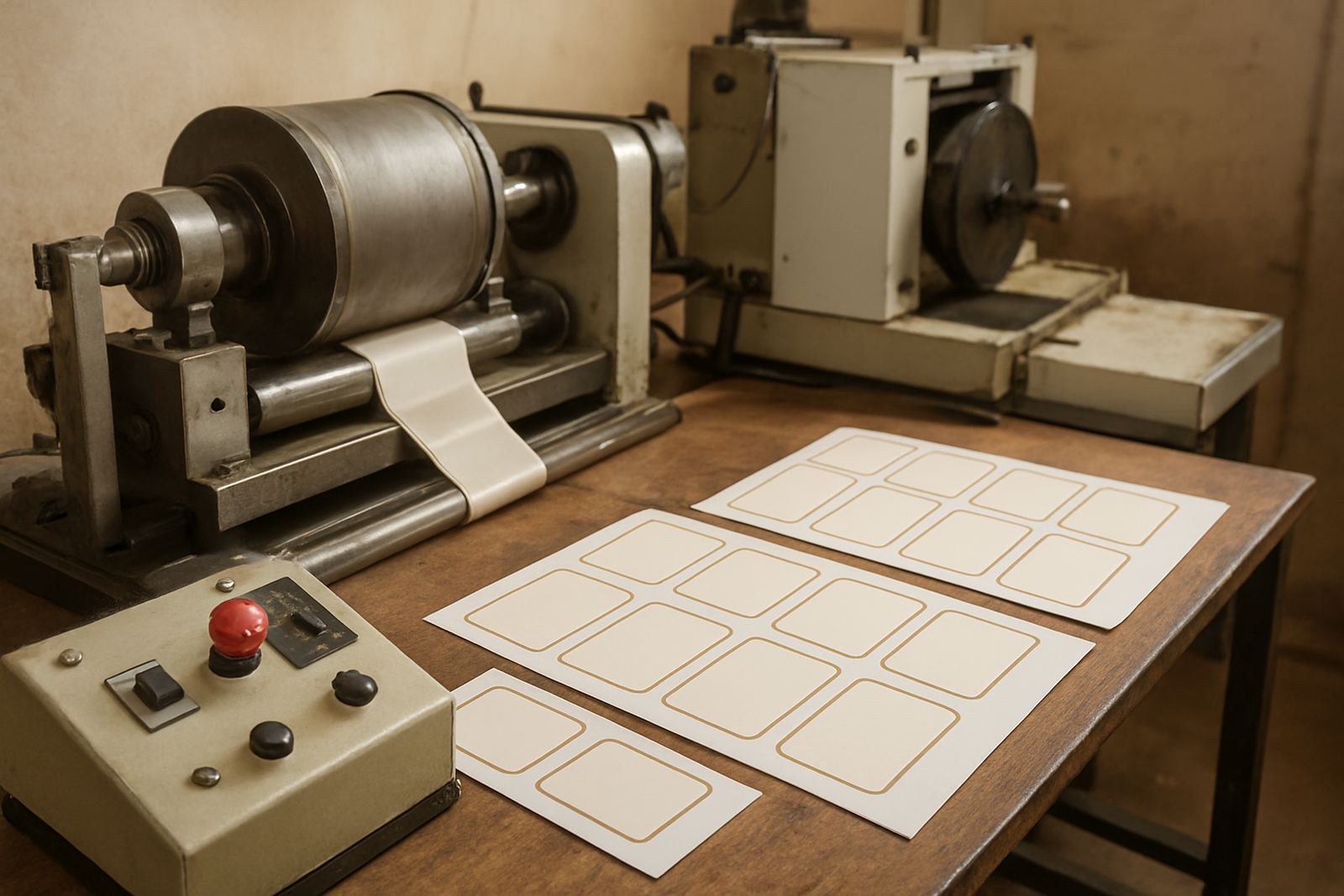
Digital print has changed how labels are produced, especially for short runs, versioned work and quick turnaround jobs. But once the print is done, the finishing stage still needs clean cutting, accurate register and dependable waste removal. That is where rotary solid dies, flexible magnetic dies and magnetic cylinders still have an important role.
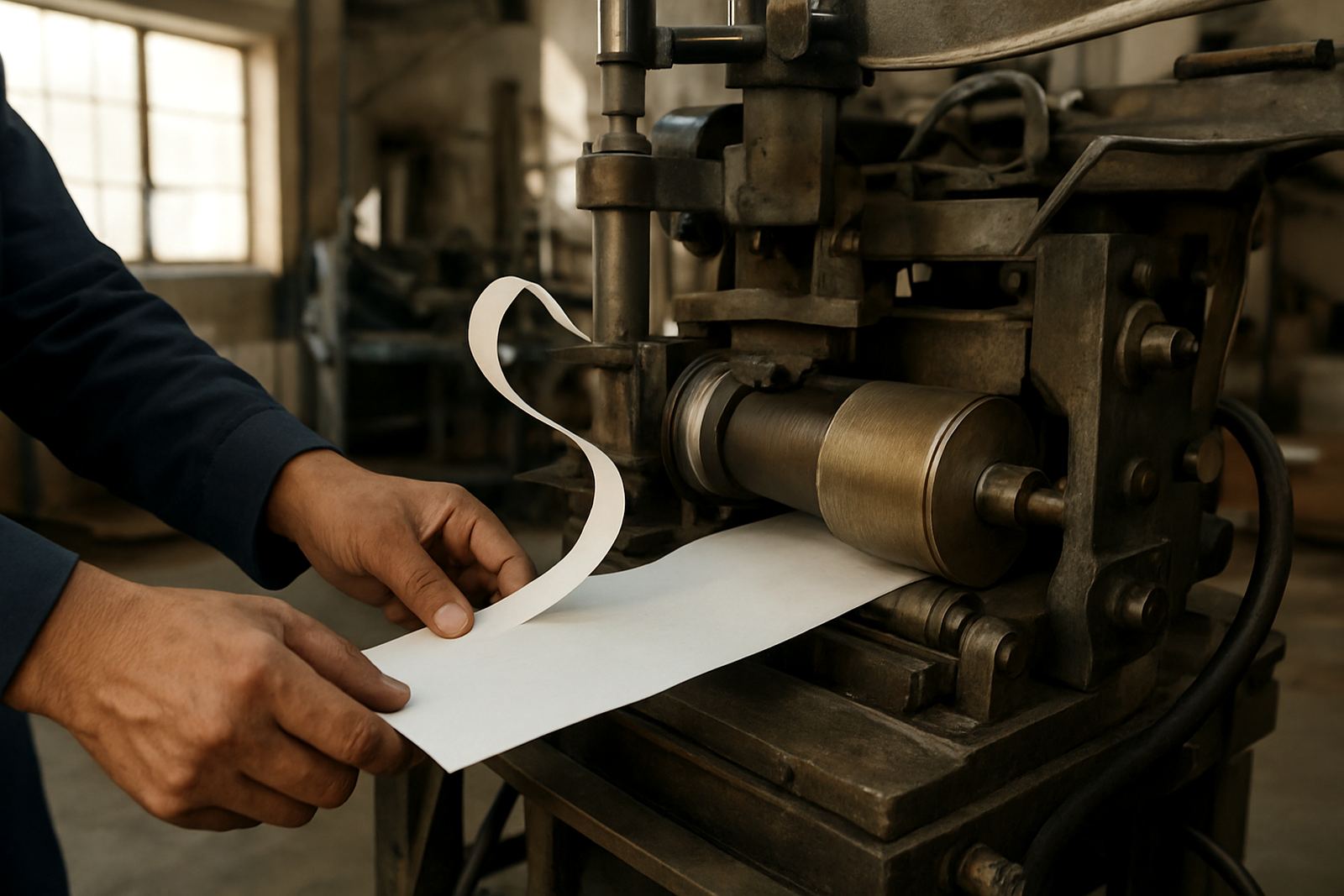
In a digital finishing line, the printed roll must move through slitting, die cutting and rewinding with very little variation. If the die is out by even a small amount, you see it in kiss cuts that go too deep, liner damage, ragged edges or a web that tracks poorly through the machine. A good die matches the artwork, the cylinder condition and the press setup, so the converter can keep the run moving without constant adjustment.
For South African label printers working in Johannesburg, Germiston, Pretoria or Durban, this matters even more when jobs are split across multiple presses or changed at short notice. A proper tooling partner gives you repeat matching, practical advice on bearer setting and support when a job needs to go out again exactly as before.
Choosing rotary solid dies or magnetic tooling
The right choice depends on the press, the label shape and how often the job repeats. Rotary solid dies are usually selected where repeat volumes justify dedicated tooling and the finishing setup needs tight consistency. Flexible magnetic dies are better suited to many digital finishing workflows because they are quicker to mount, easier to store and well suited to repeat work with changes in artwork or stock.
For converters handling mixed work, the decision often comes down to speed, accuracy and storage space. A solid die may suit a high volume label that runs every week, while a magnetic die can make more sense for shorter jobs, seasonal packs or customer specific versions. If the cutter is not matched properly to the web width, cylinder build or bearer condition, the result is wasted material and extra press time, which nobody needs when a delivery is already late.
- Use rotary solid dies for repeat production where the same label runs often and setup time must stay low.
- Use flexible magnetic dies when you need faster changeovers and easier handling across different jobs.
- Check the substrate, from paper to film and coated stocks, because the cut depth and pressure will vary.
- Confirm the press format before ordering, including repeat length, web width and any special registration points.
Why tolerance matters on short digital runs
Digital work often starts as a short run, but many of those jobs become regular orders. That is why tolerance matters from the first sample onward. If the die is cut accurately to the approved proof, it can save a run but a poor fit costs time. A small mismatch between artwork and tooling can lead to edge lift, incomplete cuts or labels that do not release cleanly from the matrix.
At LabelCutter Dies in Wadeville, Germiston, the work starts with accurate CAD proofing and careful die design. That allows the cutter to match the printed artwork and the converter's press requirements before production begins. For clients in Cape Town, Gqeberha or Pinetown, this kind of accuracy is valuable when courier times are tight and there is no room for a second remake.
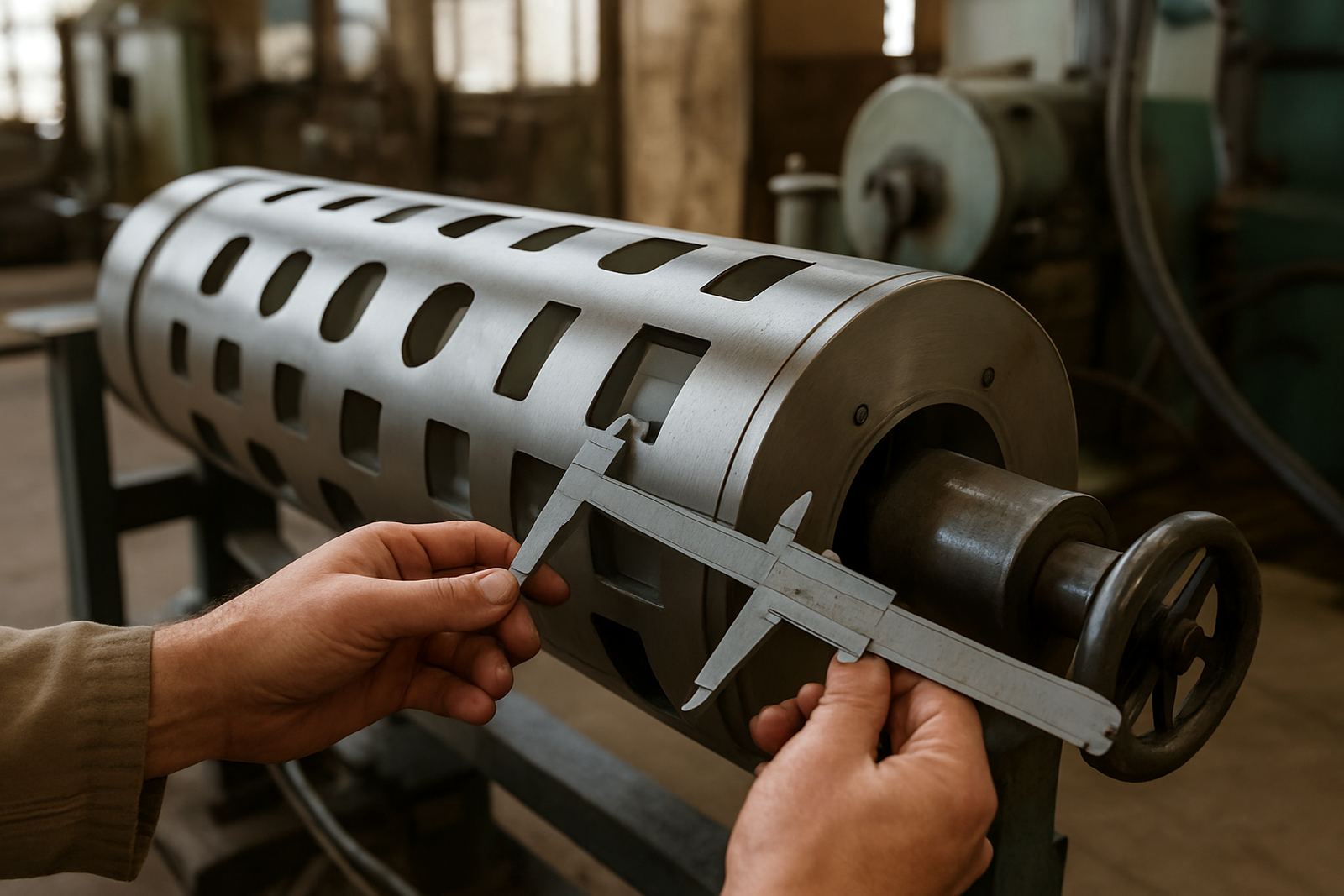
Digital finishing also puts pressure on the surrounding components. Magnetic cylinders must be checked for wear, repeat accuracy and any sign of damage at the bearing surfaces. If the cylinder is tired, the best die will still struggle. That is why cylinder refurbishment, magnet checks and die regrind services are part of the same practical workflow.
Keeping the finishing line stable during press changes
Many finishing problems are not caused by the artwork, but by changeover habits. When a line moves from one label job to another, the team must keep registration, bearer setting and web tension under control. Good tooling helps, but so does a clear process at the machine. In busy shops across Johannesburg and Pretoria, that often means training operators to recognise wear before it turns into a stoppage.
Digital label converters often work with coated paper, polypropylene and other films that react differently to pressure and heat. In humid coastal conditions, especially in Durban and Cape Town, stock can behave differently from one week to the next. That makes press trial support useful, because the same die may need small setting changes depending on the material, the room conditions and the press speed.
- Keep a record of repeat jobs, including die code, web width and cut result.
- Inspect the magnet face before each run so dust, slivers and residue do not affect the cut.
- Store dies carefully in dry areas and away from knocks that can change the cutting edge.
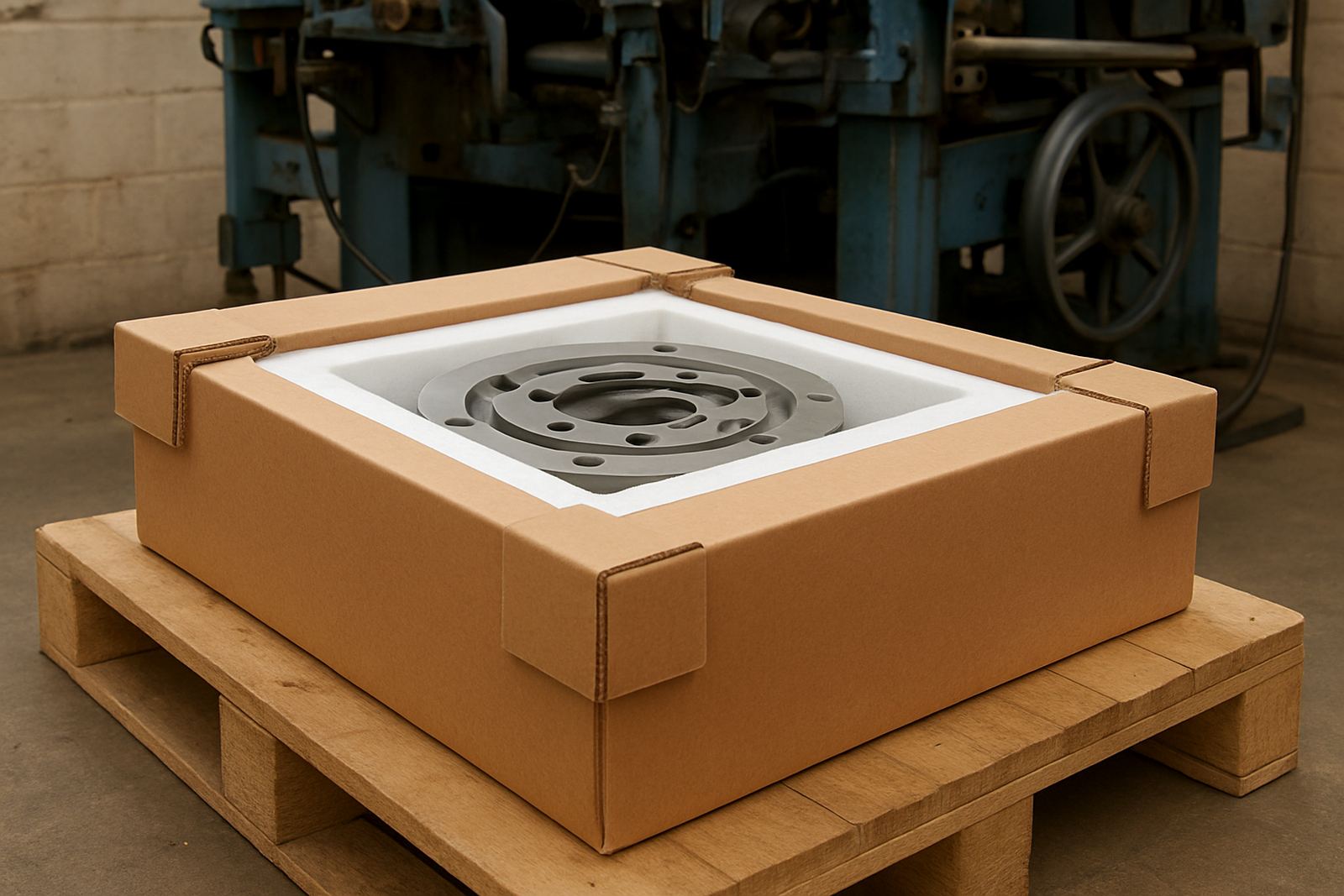
- Use packing and dispatch that protects the tooling during delivery to another site or branch.
A local example from Germiston to coastal delivery
A converter in Germiston might receive a rush order for a pharmaceutical style label set and need the tooling ready for a same week run. The print job is digital, the artwork is approved and the bottleneck is the finishing stage. In that situation, a made-to-order magnetic die with correct bearer setting can keep the line moving, while stock advice helps confirm whether the substrate will cut cleanly at the planned speed.
If the same customer later sends the job to Durban or Cape Town for repeat production, the original tool record becomes just as important as the physical die. The converter needs repeat matching, clear packing notes and delivery coordination that gets the tooling to the right site without damage. For urgent remakes, the difference between an accurate record and a vague one is often a full shift saved.
South African label work is not only about making the label look good. It is about getting finished rolls off the machine on time, within spec and ready for despatch to the packer or bottler. The right finishing die helps the printer meet that expectation every day, even when load-shedding, staff changes or a new customer brief makes the schedule tighter than planned.
What to send with your enquiry for a better result
When a digital finishing job is being quoted or replaced, the more complete the brief the better the outcome. A clear drawing, a sample label and the press details all help reduce back-and-forth. That also makes it easier to advise whether a rotary solid die, flexible magnetic die or magnetic cylinder is the right fit for the job.
Useful details include the label size, repeat length, stock type, number of lanes, required quantity and whether the job is a first-off or a repeat. If the line has had trouble with cut depth, matrix removal or bearers before, say so upfront. It helps the team check the design, the tooling and the delivery plan before production starts.
- Artwork size and shape, plus any special corners, holes or perforations.
- Press type, repeat length and web width.
- Stock type and whether the job is paper, film or a heavier label material.
- Delivery town, branch or site name so dispatch can plan correctly.
For label printers across South Africa, from Germiston and Johannesburg to Pretoria, Durban, Pinetown, Cape Town, Bellville and Gqeberha, reliable finishing dies keep the digital workflow practical. That is the real value: accurate tooling, consistent output and fewer surprises on press.