What repeat length actually means on press
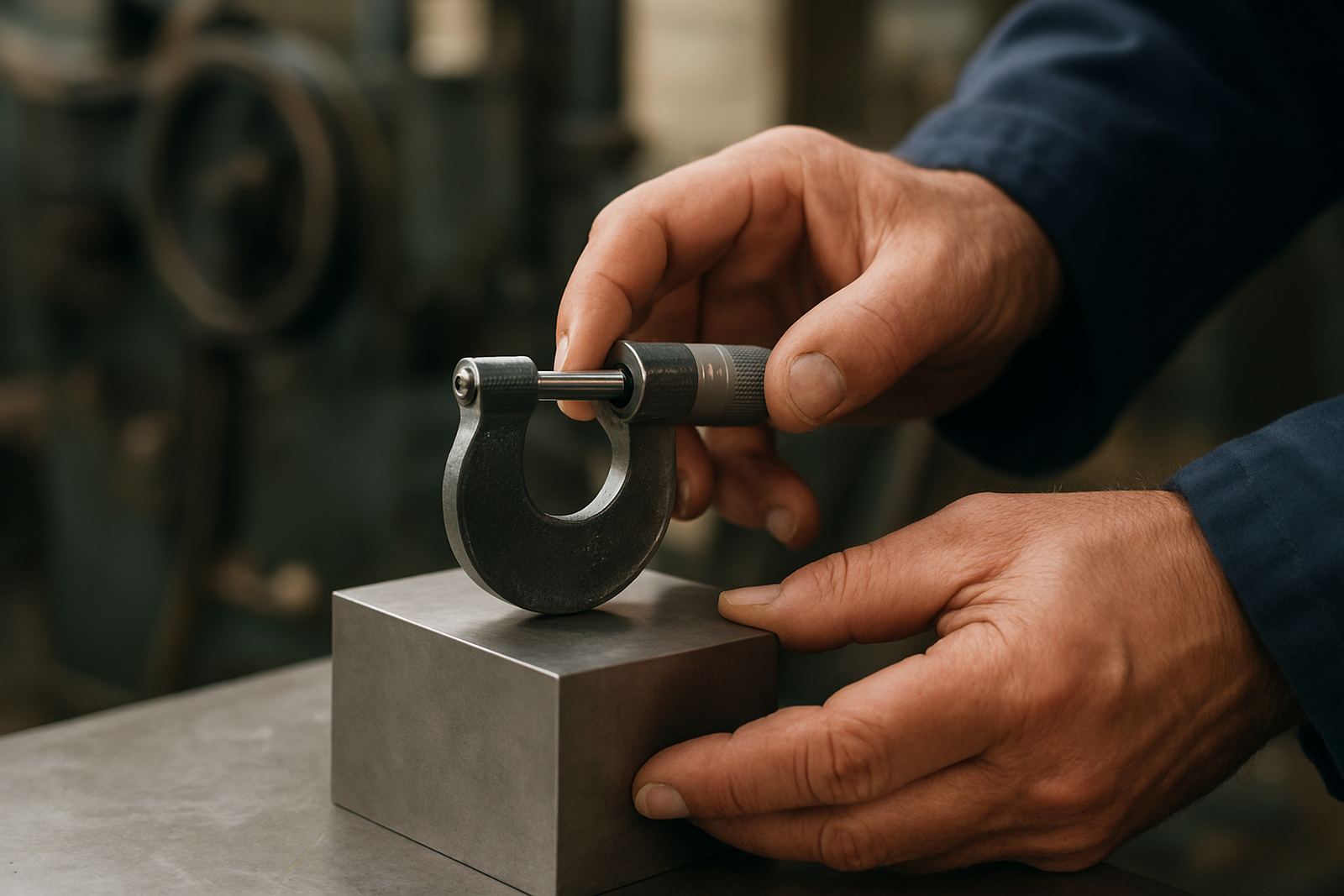
Repeat length is the distance from one identical point on a label to the same point on the next label, measured in the direction the web travels. In plain terms, it tells the press how far to step before the next image, cut or emboss position comes around. If the repeat is correct, the print and the die line up cleanly. If it is wrong, you get creeping artwork, waste at the unwind, and operators chasing registration all shift long.
On label work, repeat length matters just as much as colour build or substrate choice. A 200 mm repeat on paper behaves differently from the same repeat on PP or PET because the web, tension and drying conditions change. That is why repeat length should always be checked against the actual press conditions, not only the artwork file.
Why small changes can make a big difference
Even a tiny variance can show up on the machine. A difference of 0.2 mm per repeat may not sound serious, but over a long run it can drift enough to affect the cut position, varnish register or cold foil placement. The effect becomes more obvious on narrow labels, long runs and multi-up work where several repeats are travelling together through the press.
Heat, tension and material stretch all play a part. In hot inland conditions, a film that was stable at 18 degrees in the morning can behave differently by afternoon once the press room warms up. On coastal jobs in Durban or Cape Town, humidity can change how paper and liners track, so the repeat setting needs to be checked against the real production environment, not a theory on screen.
- Check the repeat at the same tension used for production
- Confirm the repeat after mounting plates or magnetic tooling
- Allow for material stretch on long web paths
- Recheck after any speed change on the press
How repeat length ties in with dies and cylinders
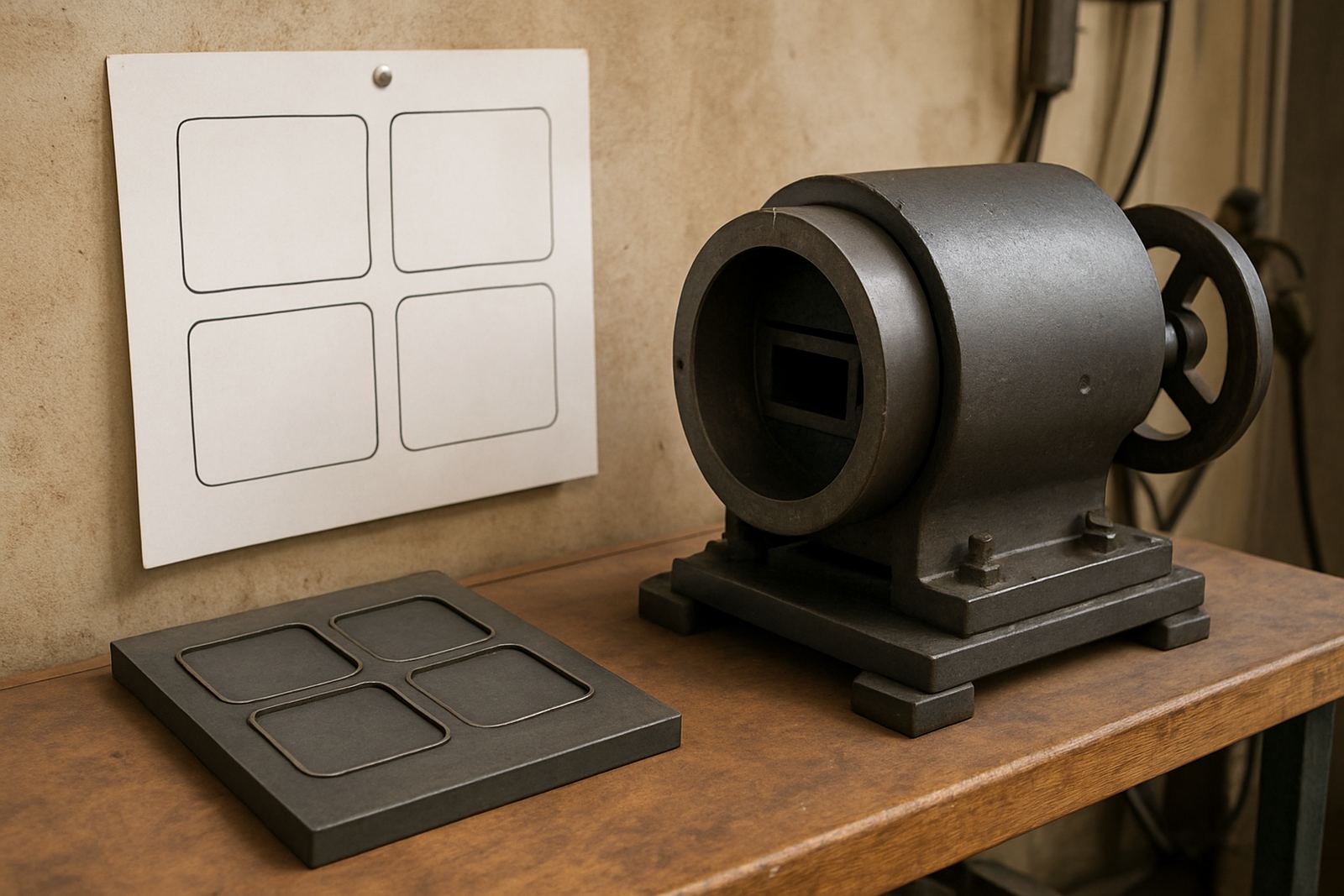
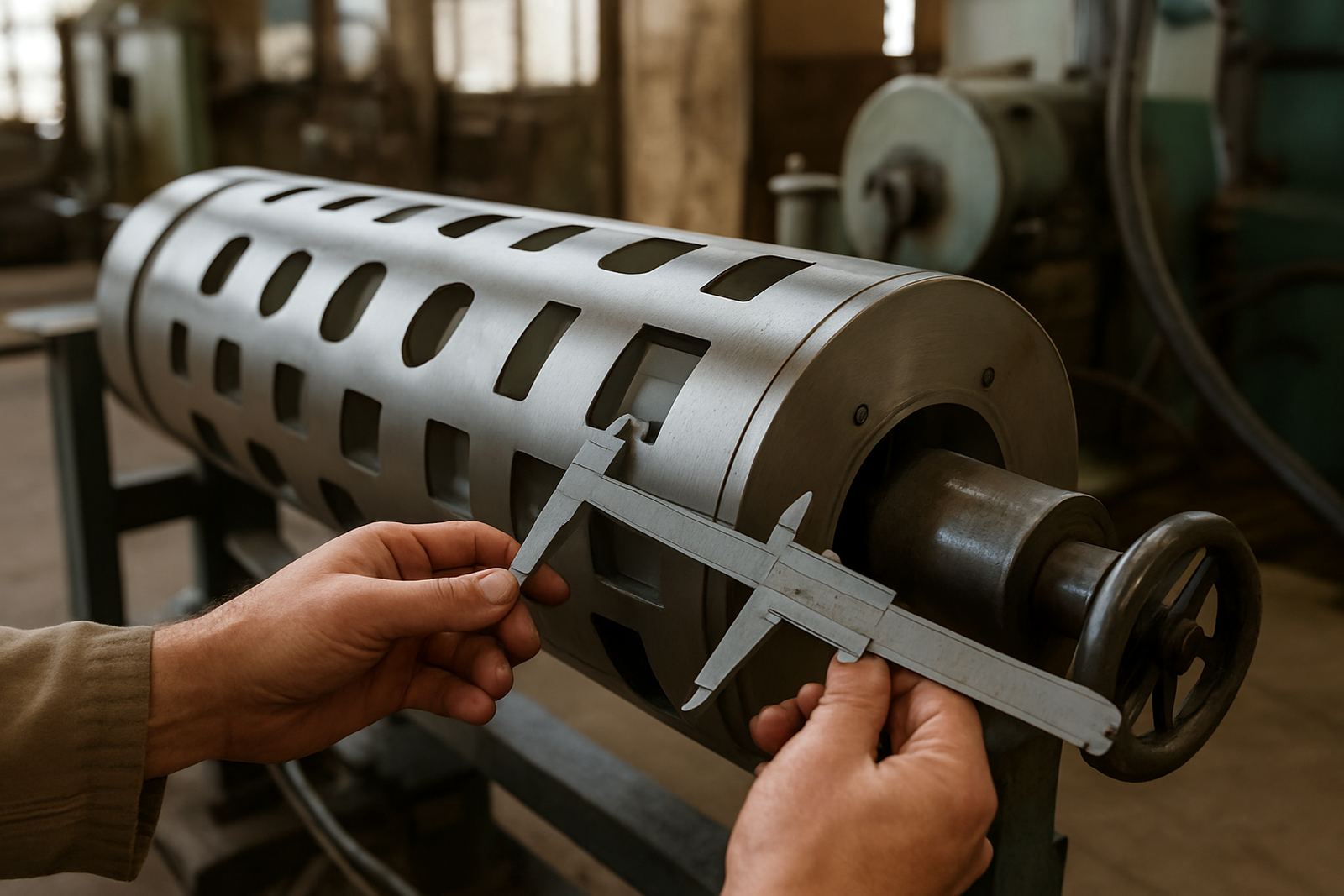
For rotary solid dies, flexible magnetic dies and magnetic cylinders, repeat length is part of the tooling specification from the start. A die that is made to the wrong repeat may still fit the job physically, but it will not cut in the right place when the press is running at speed. That can lead to scrap, missed delivery windows and unnecessary rework.
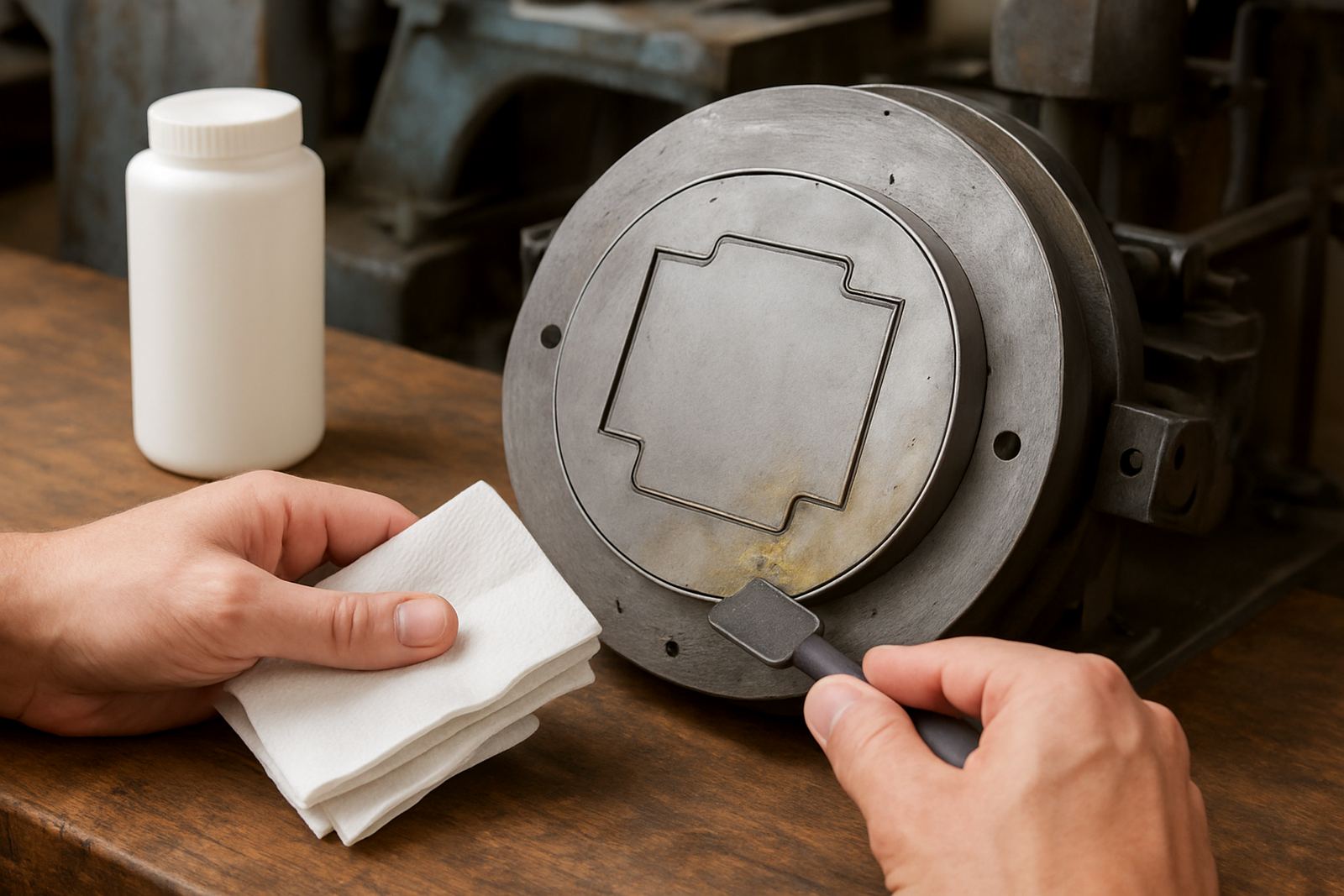
When we work on repeat matching, the first step is to confirm the finished label size, gap, matrix allowance and the actual repeat on press. We also look at bearer setting, cylinder condition and any wear that may have affected the previous tool. If a previous run had a clean result, it is often better to match that exact working repeat rather than start again from a nominal drawing.
- Finished size and corner shape
- Gap between labels
- Web width and side guide position
- Press direction and tension profile
- Any existing tooling that must be matched
A Germiston example that saves time on the floor
A label converter in Wadeville may run a short logistics label in the morning and a longer product label after lunch, using the same base press setup. If the first job is set at 160 mm repeat and the second needs 162 mm, the change is not just a file update. The plate cylinder, die cylinder and registration marks all have to work together, or the operator ends up making repeated micro-adjustments while stock and ink are already in motion.
That is where accurate repeat proofing matters. By checking the repeat before the job reaches the press floor, the converter reduces stop-start running and protects the rest of the schedule. In practical terms, that means less waste, fewer complaints from finishing, and better use of labour during load-shedding windows when every productive hour counts.
Signs your repeat may be off
When repeat length is not correct, the symptoms usually show early if you know what to look for. Operators may notice the cut line drifting into the printed area, a varnish panel landing slightly high, or the seam on a wrap label not meeting cleanly. On clear film and narrow web work, even a small drift can be seen straight away under the inspection light.
Watch for these signs during make ready and the first few metres of production:
- Artwork slowly moving out of register across the run
- Cut lines not landing on the intended margin
- Foil, emboss or varnish not hitting the same point every repeat
- Unexpected waste when the press reaches full speed
- Operators needing repeated manual correction
If any of those show up, do not assume the press is at fault. The repeat, the tooling and the stock should all be checked as one system.
How to prepare for a repeat check or remake
The easiest way to avoid delays is to send clear job information before production starts. A good repeat check needs more than the label size. It needs the actual press setup, the intended material, and any previous working sample if there is one. That allows the die or cylinder to be matched properly and reduces the chance of a remake later on.
For label printers and converters across Johannesburg, Pretoria, Durban, Cape Town and Gqeberha, a repeat issue often becomes expensive simply because the wrong assumption was made early. A short confirmation before production is far cheaper than stopping a run after the first hundred metres. If a job is urgent, tell the production team up front so the tooling can be checked, packed and dispatched in the right sequence.
- Provide the finished label size and repeat
- Send a PDF or artwork reference if available
- State the substrate and press direction
- Mention whether it is a repeat order or a new job
- Ask for CAD proofing before the tool is released
Why repeat length should be treated as a production spec
Repeat length is not just a design detail. It is a production spec that affects the die, the press, the waste rate and the final finish. When it is handled properly, the job runs cleaner, the operator has fewer adjustments, and the finished labels arrive on spec the first time.
That is especially important for converters working with tight lead times, mixed stock types and customers who expect consistent results on every reprint. Whether the job is a short run for a local bottler or a larger order moving through Gauteng to the coast, the repeat has to match the real machine conditions. Get that right and the rest of the job is easier to control.