Why export labels need tighter die control
Export jobs usually face a longer chain than local work. A label may be printed in Germiston, converted in Johannesburg, packed for Durban harbour, then stored in a hot warehouse before it is applied at the other end. That means die accuracy is not just about how the label looks on press, it is about whether every repeat cuts and registers the same way months later.
For converters, the pressure often starts with the specification. Export buyers may ask for exact dimensions in millimetres, tighter tolerance on kiss-cut depth and clean release from the liner. If a label stops feeding properly, even by a small amount, the risk is waste, delayed dispatch and unhappy customers. Good die control helps reduce that risk.
- Keep label dimensions and corner radii recorded clearly
- Match cutter settings to substrate, adhesive and liner thickness
- Confirm whether the job needs rotary solid dies or flexible magnetic dies
- Store repeat notes with the original proof and approved sample
Traceability starts before the first cut
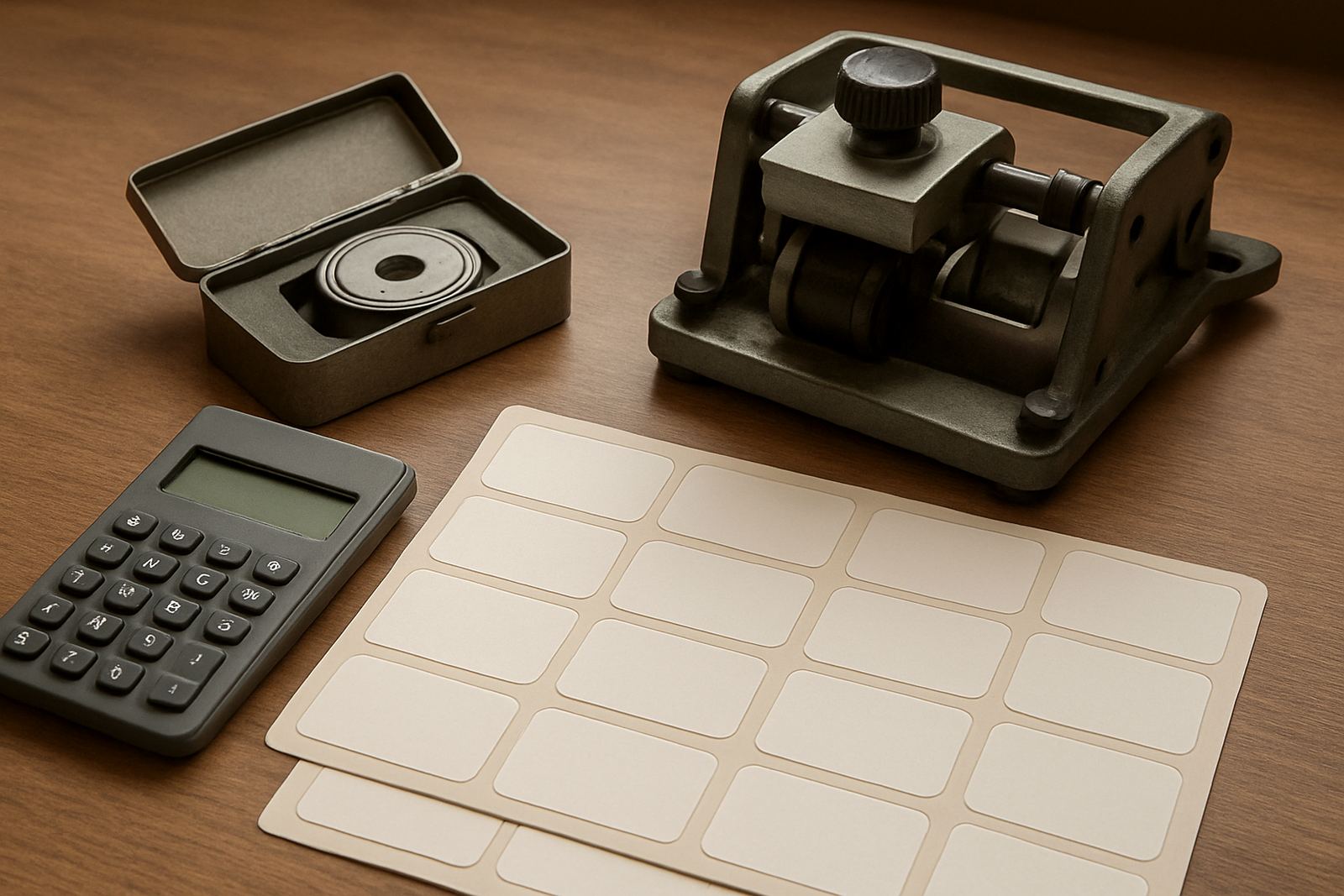
Export clients often want proof of consistency. That starts before the die goes into the press. A proper record should show the artwork revision, cutter type, bearer setting, repeat length and any special notes from the first production run. If a label is later reordered for a different export market, those records save time and help avoid costly remakes.
At LabelCutter Dies in Wadeville, Germiston, jobs are tracked around the practical details that matter on the floor. Marius Jacobus van der Merwe and the team work with repeat matching, CAD proofing and die design so the converter has a clear reference for the next run. It is simple work on paper, but it makes a big difference when a customer asks for the same job 18 months later.
- Keep a sample from the approved run in a labelled sleeve
- Log any press adjustments made during trial
- Note if the job ran in humid coastal conditions or dry inland conditions
- Store the die reference with the customer order number
Packing that survives road freight and port delays
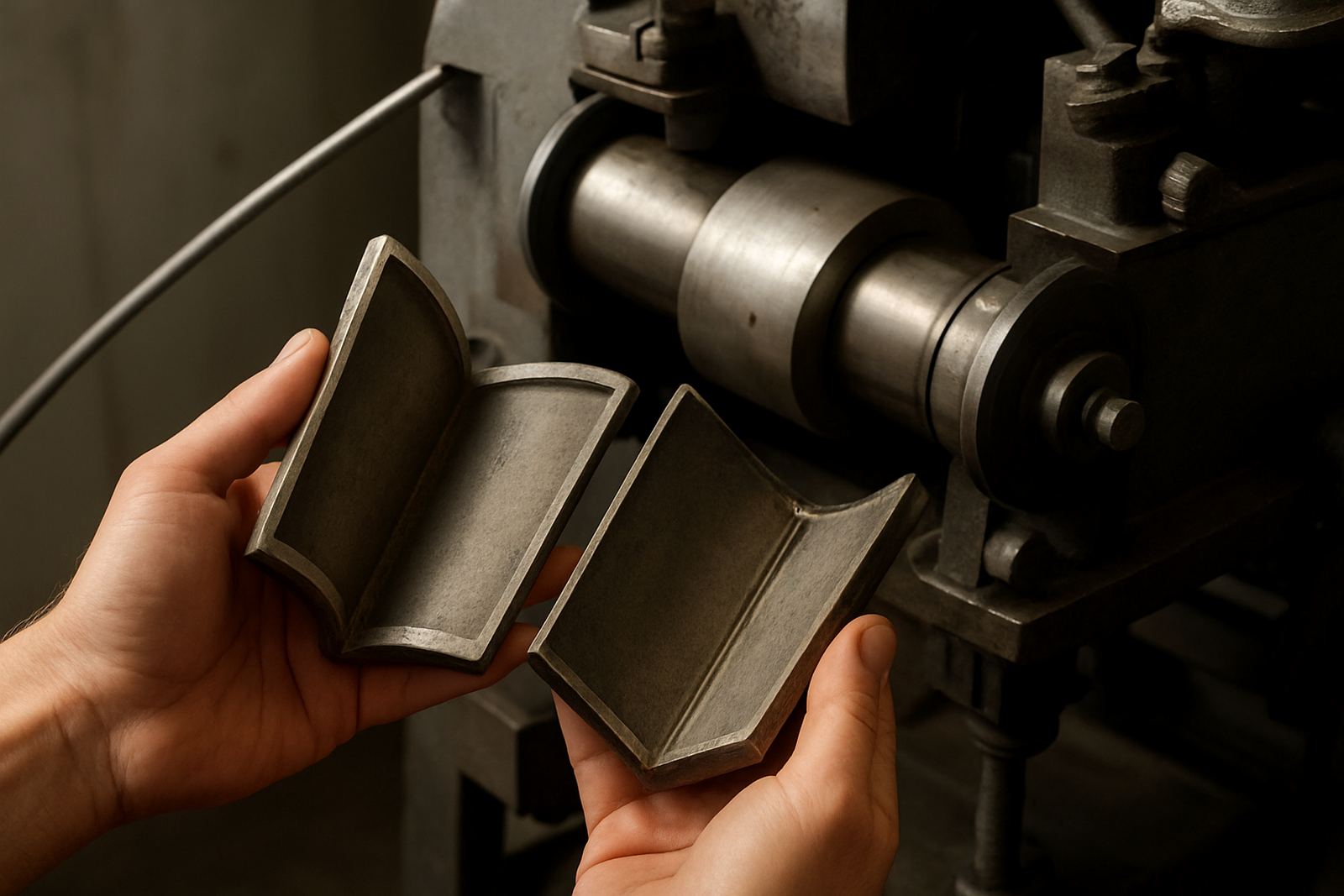
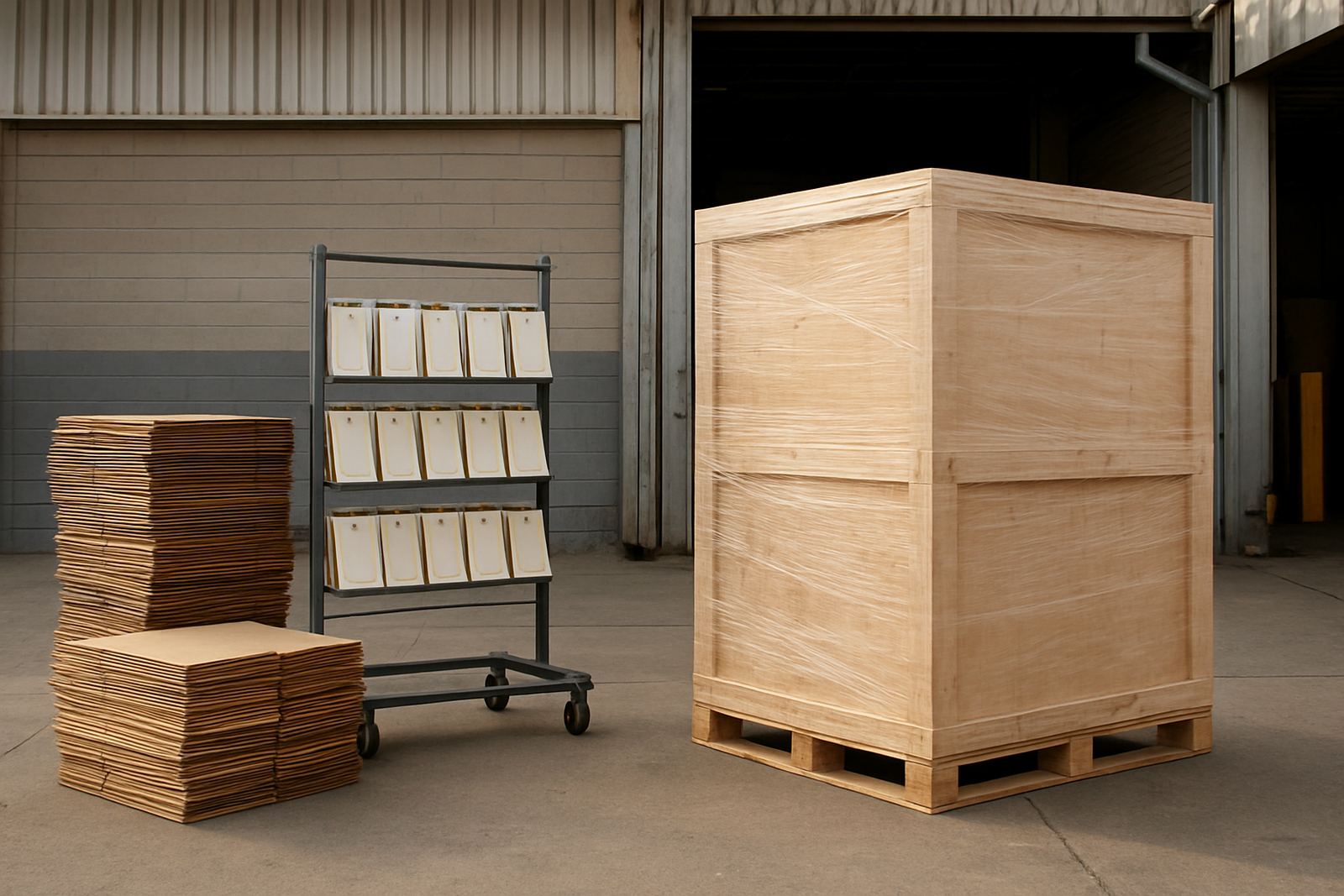
Export label dies and cylinders are not handled like ordinary consumables. They need safer packing because they can travel through rough loading, vibration and temperature changes. A solid die or magnetic cylinder that shifts in transit can arrive out of true, which wastes time at the printer and can damage the surface.
That is why packing and dispatch matter as much as the machining itself. The team in Germiston plans for delivery coordination to Johannesburg, Pretoria, Durban, Pinetown, Cape Town, Bellville and Gqeberha, with careful wrapping and clear identification. In the Eastern Cape or on the KZN coast, moisture can also be a problem, so clean packing and corrosion awareness are important.
- Protect cutting edges from knocks and contact marks
- Use dry, sealed packing where humidity is likely to be high
- Mark repeats and job codes clearly on the outside pack
- Separate refurbished parts from new work so nothing is mixed up
Repeat jobs need the same result, not just the same file
Many export label orders return as reprints. The artwork may be unchanged but the printer, substrate or market conditions can differ. A repeat that looks fine on screen can still fail on press if the bearer setting is off or the magnetic cylinder has worn since the last run.
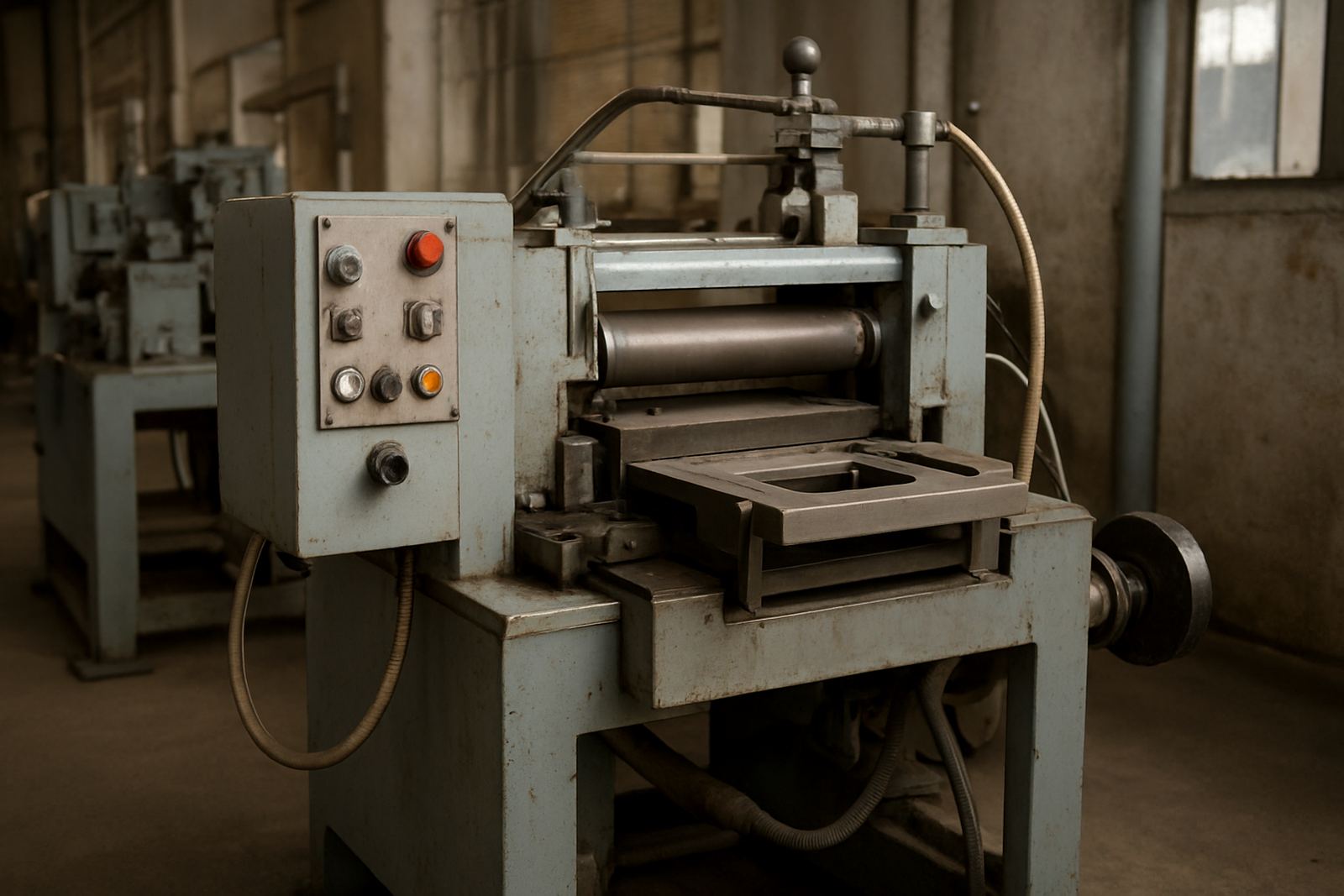
That is where repeat matching, magnet checks and cylinder refurb work save money. If a client needs the same label for a food export, a logistics carton or a chemical drum, the repeat must cut and feed the same way every time. It sounds obvious, but it is one of the most common points where print waste starts. A small drift in cut depth or registration can become a big problem by the end of a shift.
- Check wear before assuming the old setting will still work
- Reconfirm the liner, adhesive and material thickness
- Test the first sheets or metres before going into full production
- Keep a record of any regrind or refurb done on the tool
When export deadlines meet local load-shedding
South African printers know that export work does not wait for load-shedding, municipal delays or weekend pressure. If a shipment is booked out of Durban or Cape Town and the labels must be ready before the container seals, there is little room for a missed cut or a late remake. That is why urgent remakes and practical press trial support are often part of the job.
Ruhan de Beer handles technical sales with this reality in mind. The discussion is not only about price, but about whether the die will fit the schedule, the machine and the export timeline. If a converter in Pretoria needs a correction overnight or a job in Gqeberha needs a quick recheck before dispatch, speed matters but accuracy still comes first. No one wants a rush job that creates a second delay.
Good export supply also means sensible stock advice. Sometimes the better call is to hold a spare set, especially on repeat export packaging that moves every month.
A practical example from a coastal rerun
A label printer in Durban may run a seafood export range for overseas buyers, then need the same label again after a seasonal pause. The first run may have been fine, but the next order is often exposed to coastal humidity, faster turnaround and tighter shipping dates. If the die was not recorded properly, the converter can lose hours checking old settings and remake samples.
With the right records, the second run is much easier. The production manager can pull the original proof, confirm the die reference, check the magnetic cylinder and prepare dispatch to the client with confidence. The result is less waste, fewer press stops and better control over the finished pack. That kind of discipline is what export label work asks for, every time.
- Original approved sample kept for comparison
- Repeat settings checked before the press starts
- Delivery arranged to suit the packing and shipping window
- Any wear corrected before the job leaves the shop