Why narrow web jobs need more than a good artwork file
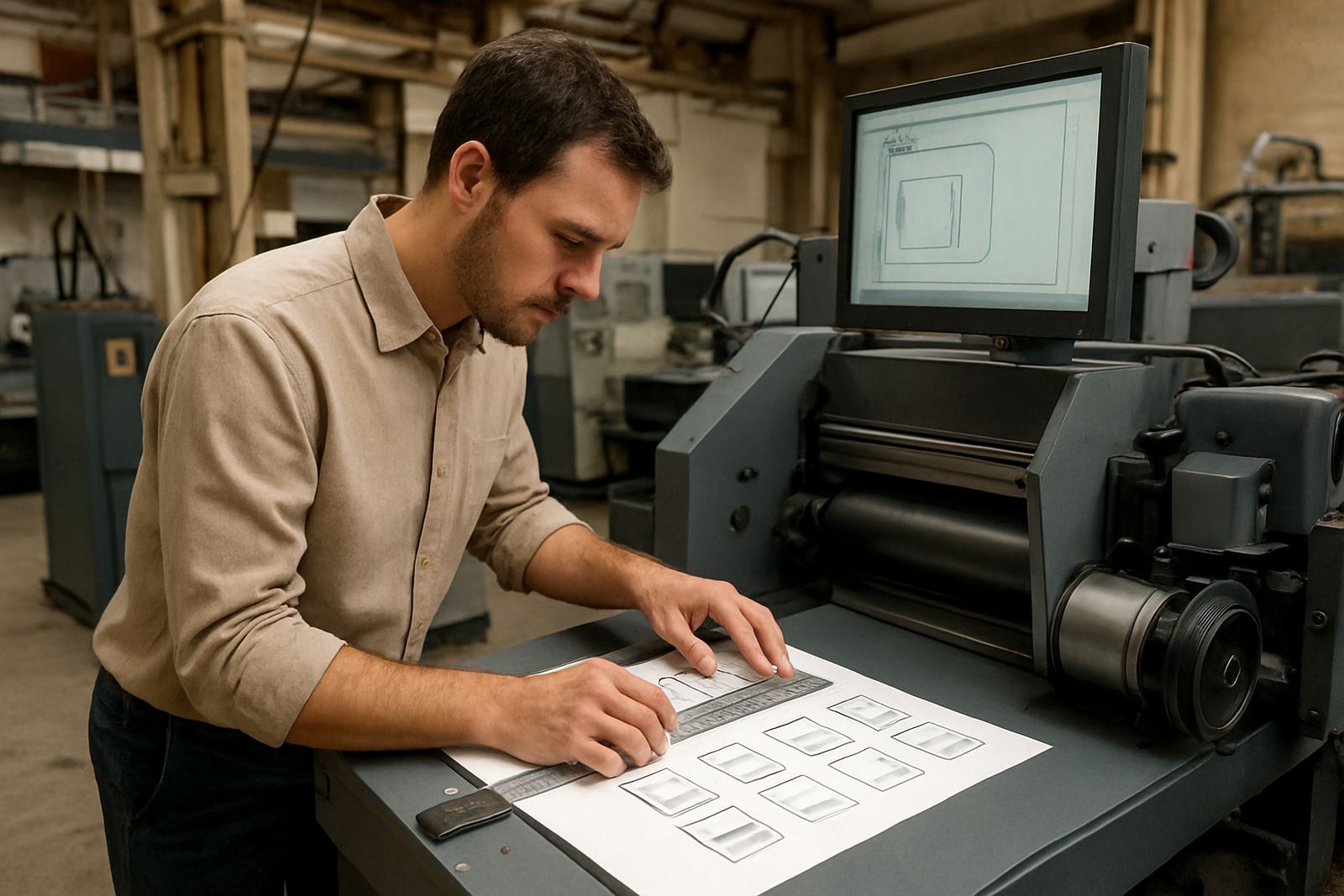
A neat layout on screen does not always translate into a clean start on press. Narrow web jobs are sensitive to die condition, repeat length, bearer setting, web tension and how well the tooling matches the substrate. If any of those points are off, the pressman spends the first reels fighting trim, registration or label lift instead of running saleable stock.
For South African printers working with short lead times, the cost of a poor start is often hidden in wasted metres, overtime and delayed dispatch. A job that should settle in the first few hundred labels can drag on because the tooling was ordered without enough detail. That is why planning should begin with the label spec, not only the design proof.
On narrow web lines there is also less room for error. A small variation in repeat or bearer pressure can show up quickly on the press. That is why seasoned converters in Wadeville, Pinetown and Bellville tend to ask for tooling checks before the rush starts, especially when a customer is changing board, film or adhesive stock.
What to confirm before the die is made
Before a rotary solid die or flexible magnetic die is cut, the converting team should confirm the details that affect fit and runnability. The goal is to match the tooling to the machine, the repeat and the finishing method, not just the artwork outline.
- Exact repeat length in millimetres, including any tolerance allowed by the press
- Web width and the number of lanes being converted
- Substrate type, such as paper, PP, PET or textured stock
- Adhesive type and whether the job is for wet surfaces or cold chain use
- Core size, unwind direction and rewind requirements
- Any special finishing such as perforations, kiss cuts or liner scoring
- Whether the job is a repeat order or a fresh tool from a new spec
These details help with die design and CAD proofing before machining starts. They also make it easier to advise on bearer setting and magnet checks, which matter when you are trying to keep the first metres stable on press. A clear brief can save a remade die later on, and that is time and cash most shops would rather keep in hand.
How tooling choices affect start-up time
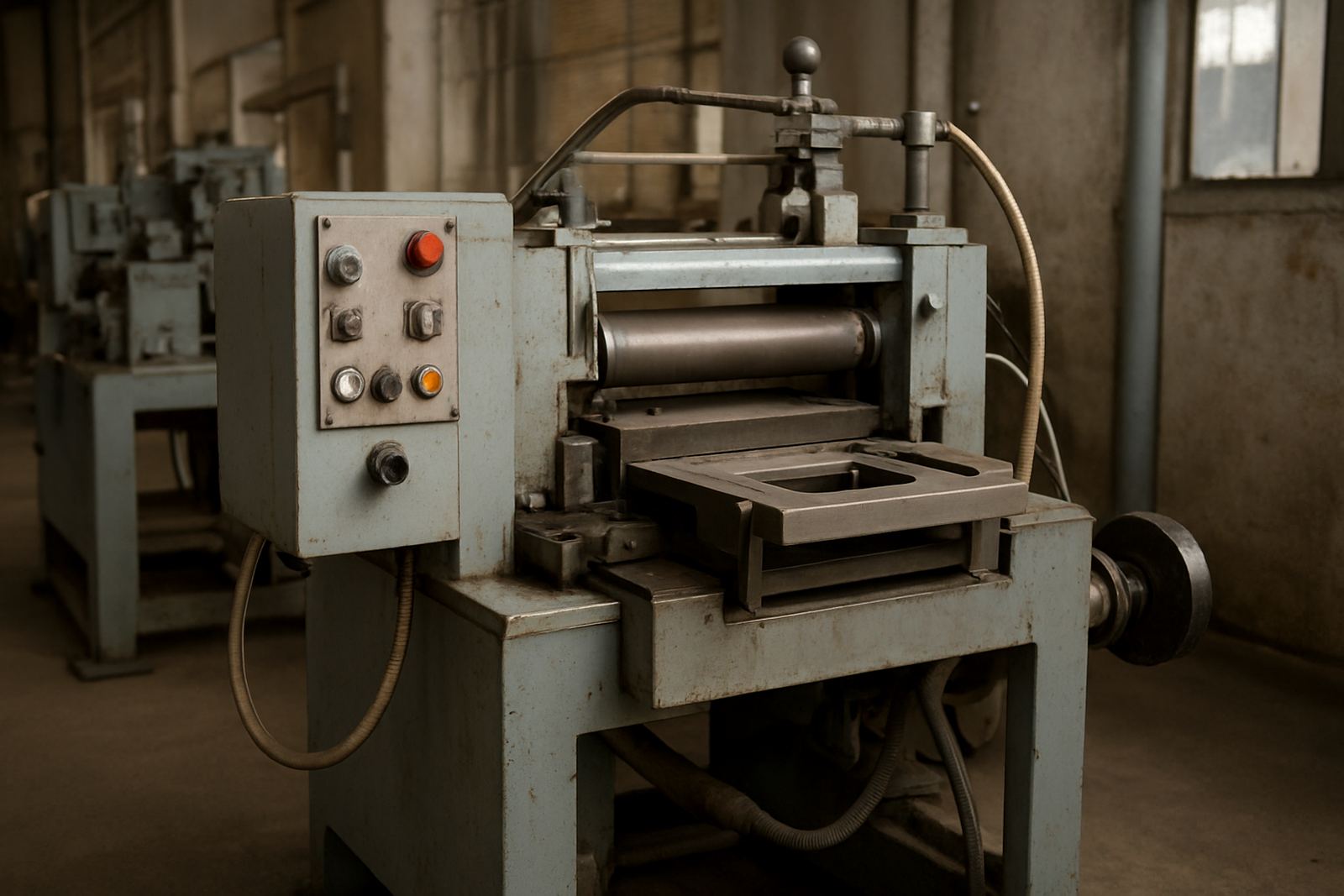
Start-up time is often decided by small things. A die that is not set to the correct bearer height can mark the liner or cut too softly. A magnetic cylinder with wear or contamination can create uneven pressure across the width of the web. Even a job that has run before may need adjustment if the substrate supplier has changed or if the press room is dealing with higher humidity.
In coastal conditions, especially around Durban and Gqeberha, moisture can affect how some stocks feed and how cleanly the labels release. Inland, the challenge may be dust, heat or the way a shop balances jobs during load-shedding windows. The practical answer is not guesswork. It is checking the tooling, confirming the press conditions and making sure the converter has enough setup room before the run begins.
When that is done well, the job settles faster. The pressman is not chasing a moving target, and the finishing team receives reels that are already close to specification. That means fewer call-backs, less trimming and less scrap in the packing area.
When to choose rotary solid dies and when flexible magnetic dies fit better
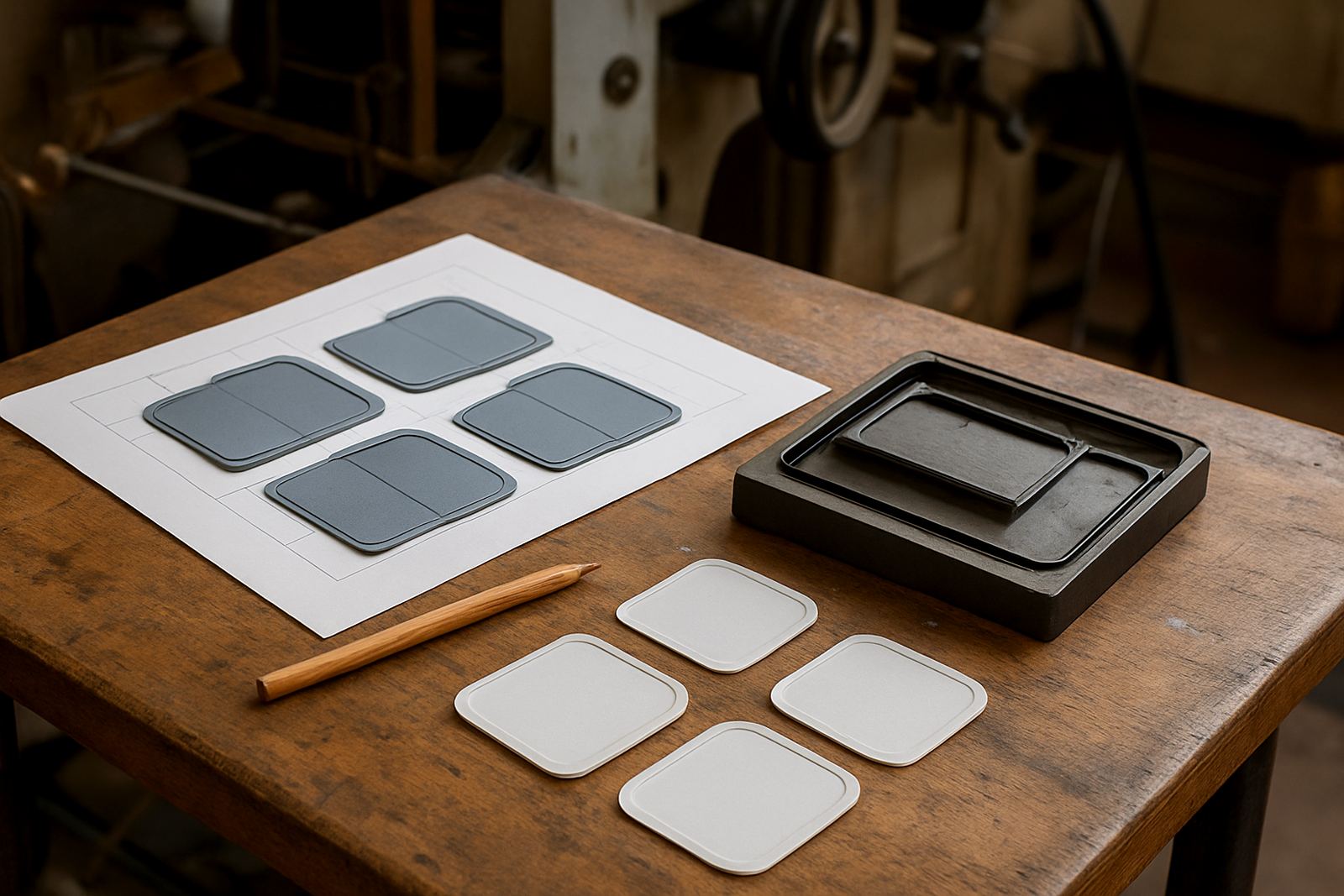
There is no single tooling type that suits every narrow web job. Rotary solid dies are often chosen for repeat production where consistency and long service life matter. Flexible magnetic dies can be useful when turnaround is tight, quantities are smaller, or a converter needs a practical option for multiple label runs on the same press set-up.
The best choice depends on the job pattern and the machine. A shop running steady batches for Pretoria or Johannesburg may want tooling that holds tolerance over repeated use. A converter handling urgent remakes for Cape Town or Durban may need faster turnaround and stock advice so the next order can be planned properly.
- Use rotary solid dies where repeat accuracy and long life are the main priority
- Use flexible magnetic dies where quick changeover and practical job matching are important
- Consider magnetic cylinder condition if the press has a history of uneven cutting or bearing wear
- Ask for repeat matching when a customer wants the same label to run again months later
The important part is not choosing by habit. It is choosing by the actual run conditions, the substrate and the press room schedule.
Keeping repeat work clean on the next order
Repeat work should be easier than the first order, but only if the records are solid. Keep the old drawing, the approved proof, the measured repeat and notes from the last press trial together. If the job had a slight tear, poor waste removal or a liner issue, that should be recorded too. Small notes help the next run start cleaner and settle faster.
Repeat matching is especially useful when a brand has multiple SKU sizes or when the same artwork has been run on different presses. A die can look correct on paper but still need a correction to bearer pressure, cut depth or magnet balance. A good record makes those adjustments faster and lowers the risk of another remake.
This is where a practical team matters. Nirasha in CAD can check the drawing against the earlier spec. Siyanda in the machine shop can review the cut condition. Ruhan can help compare the job history to the current press setup. That combination keeps the planning grounded in what will actually run, not just what looks neat on a quote.
A local example from a tight turnaround job
A converter in Germiston recently prepared a narrow web label run for a customer with a retail launch in Johannesburg. The artwork was approved, but the stock had changed from the previous order and the press was scheduled around a load-shedding window. The team checked the repeat, confirmed the bearer setting and reviewed the magnetic cylinder before the job went onto press.
Because the tooling had been planned properly, the press started with less trial and error. The first metres still needed the usual fine adjustment, but the run settled quickly and the converter was able to pack and dispatch the labels the same day. That kind of result does not come from luck, it comes from preparation and from using the right checks before production begins.
For shops supplying Johannesburg, Pretoria, Durban, Pinetown, Cape Town, Bellville and Gqeberha, the same lesson applies. When the tooling is ordered with enough detail, narrow web work becomes far more predictable. You still need skill on press, but the job no longer starts from a disadvantage.