Why varnish registration matters on premium labels
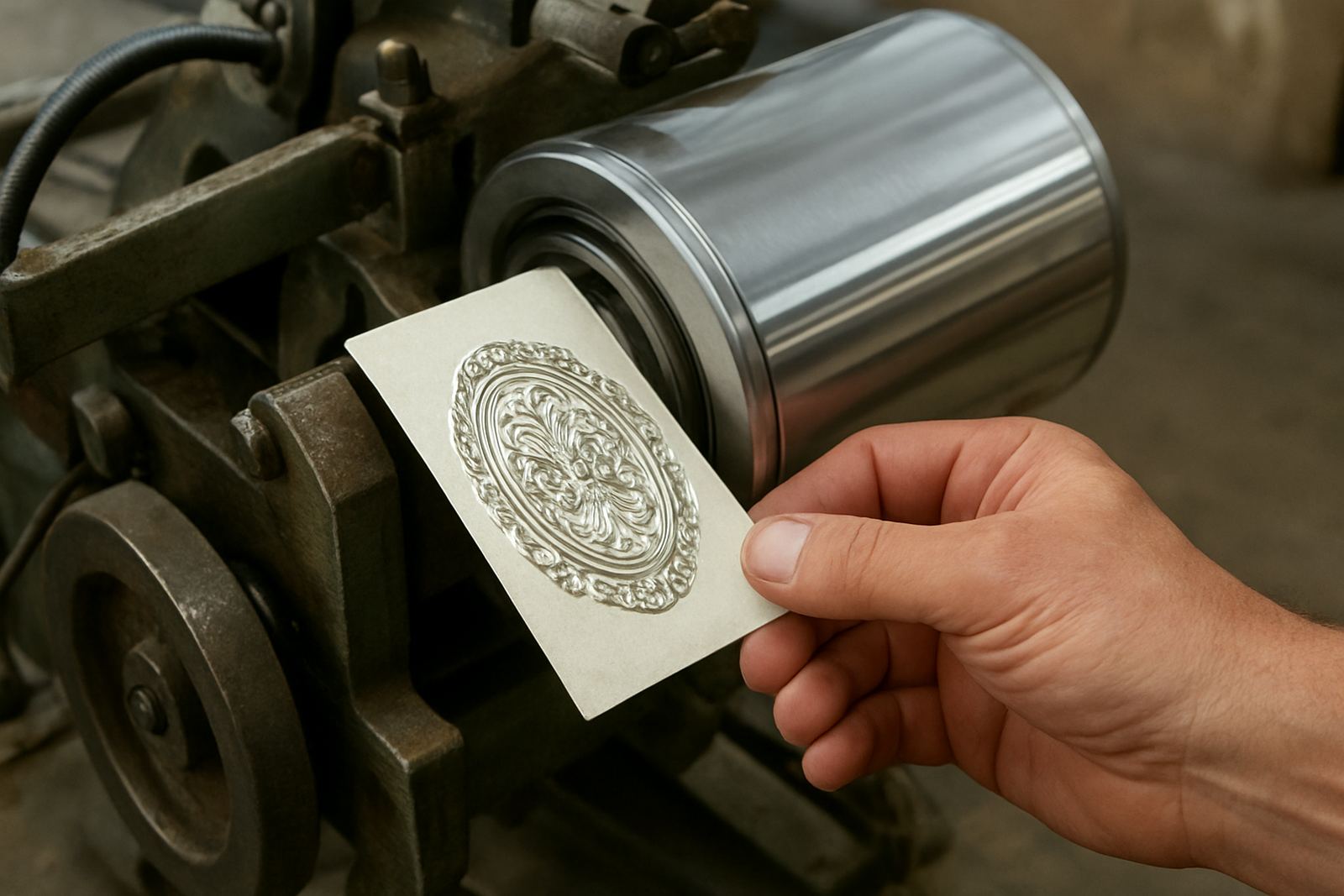
Spot varnish is often used to catch the light, lift a logo, or separate a matte background from a gloss detail. If the varnish does not sit where it should, the label can look uneven or out of square, even when the print itself is clean. On wine, cosmetics, craft beer and premium food labels, that small shift is enough for a customer to reject the job.
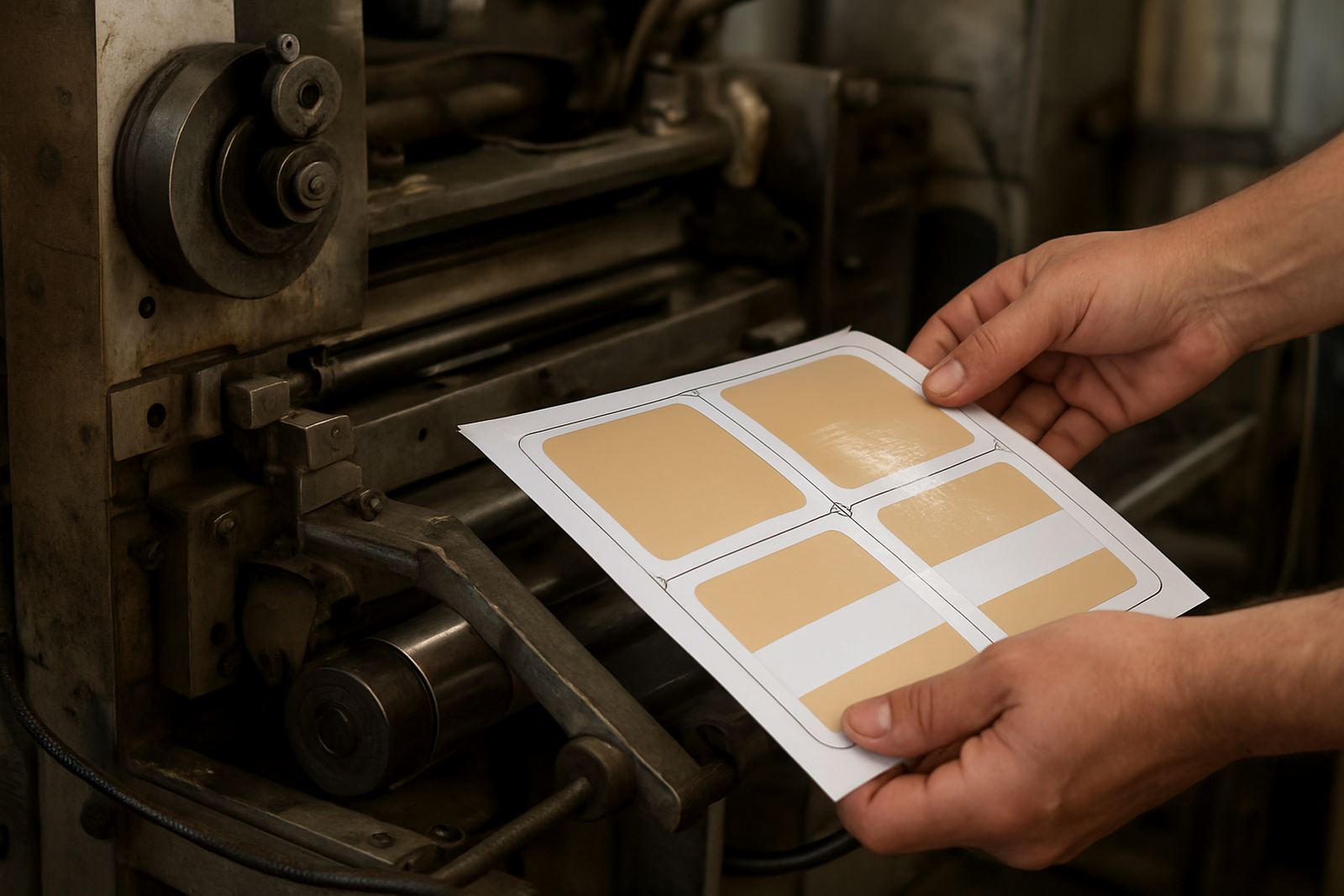
Registration is the relationship between print, varnish and the final cut. The closer the die follows the printed and varnished image, the cleaner the sheet or roll will look on press. For converters working in Germiston, Johannesburg or Durban, this matters just as much on a short run as it does on a long one because the setup time and spoilage still add up. A few misregistered labels can cost more than most people expect.
Where registration drifts during production
Varnish registration can move for a few practical reasons, and the cause is not always the die. Web tension changes, material stretch, plate mounting, heat, humidity and poor curing all play a part. In coastal areas like Durban and Gqeberha, moisture in the air can change how a substrate behaves through the day. Inland, heat in the press room can do much the same.
- Substrate stretch between print and varnish units
- Loose tension control on the rewind or unwind
- Incorrect bearer setting or poor cylinder alignment
- Wear on a rotary solid die or flexible magnetic die
- Variation in repeat length after repeated use
Even a well made die can start showing registration issues if the press setup is not checked properly. That is why we always look at the full chain, not only the cutting tool.
What a good die can do for varnish alignment
A clean cut starts with accurate die manufacture. If the repeat is off, the varnish may appear to drift against the edge of the label or the cut line. For label printers, the important point is that the die must match the artwork, the press repeat and the substrate behaviour. Small tolerances matter here.
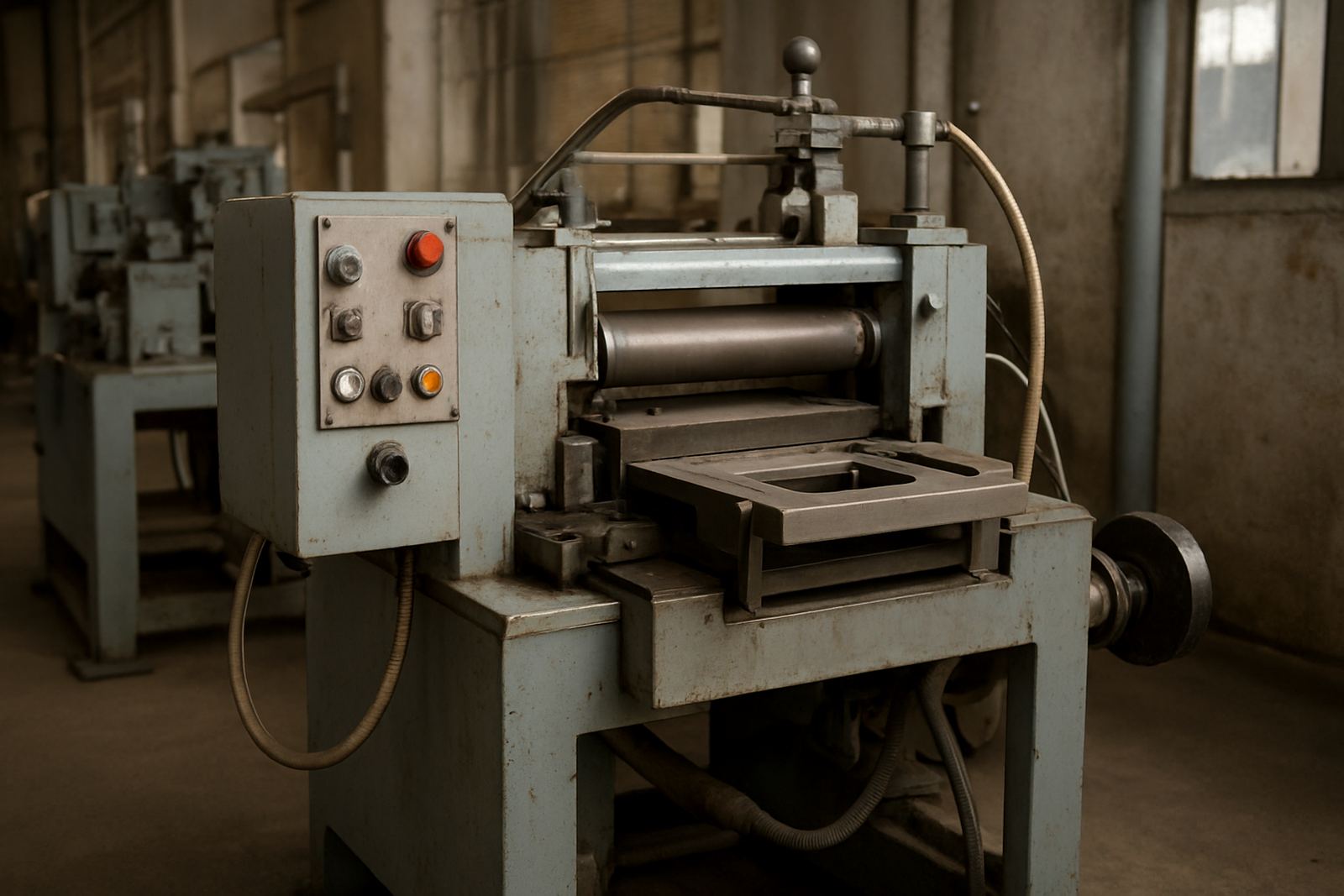
At our Wadeville shop in Germiston, we make rotary solid dies, flexible magnetic dies and magnetic cylinders for label converters across South Africa. When a job needs repeat matching or a replacement, we check the existing sample, the press format and the wear pattern before cutting metal. That saves time later and helps avoid a press trial that turns into a long correction job.
- Check the actual repeat, not only the drawing
- Match bearer setting to the press condition
- Confirm varnish window positions before manufacture
- Allow for material movement on thinner films and papers
How to spot a varnish registration problem early
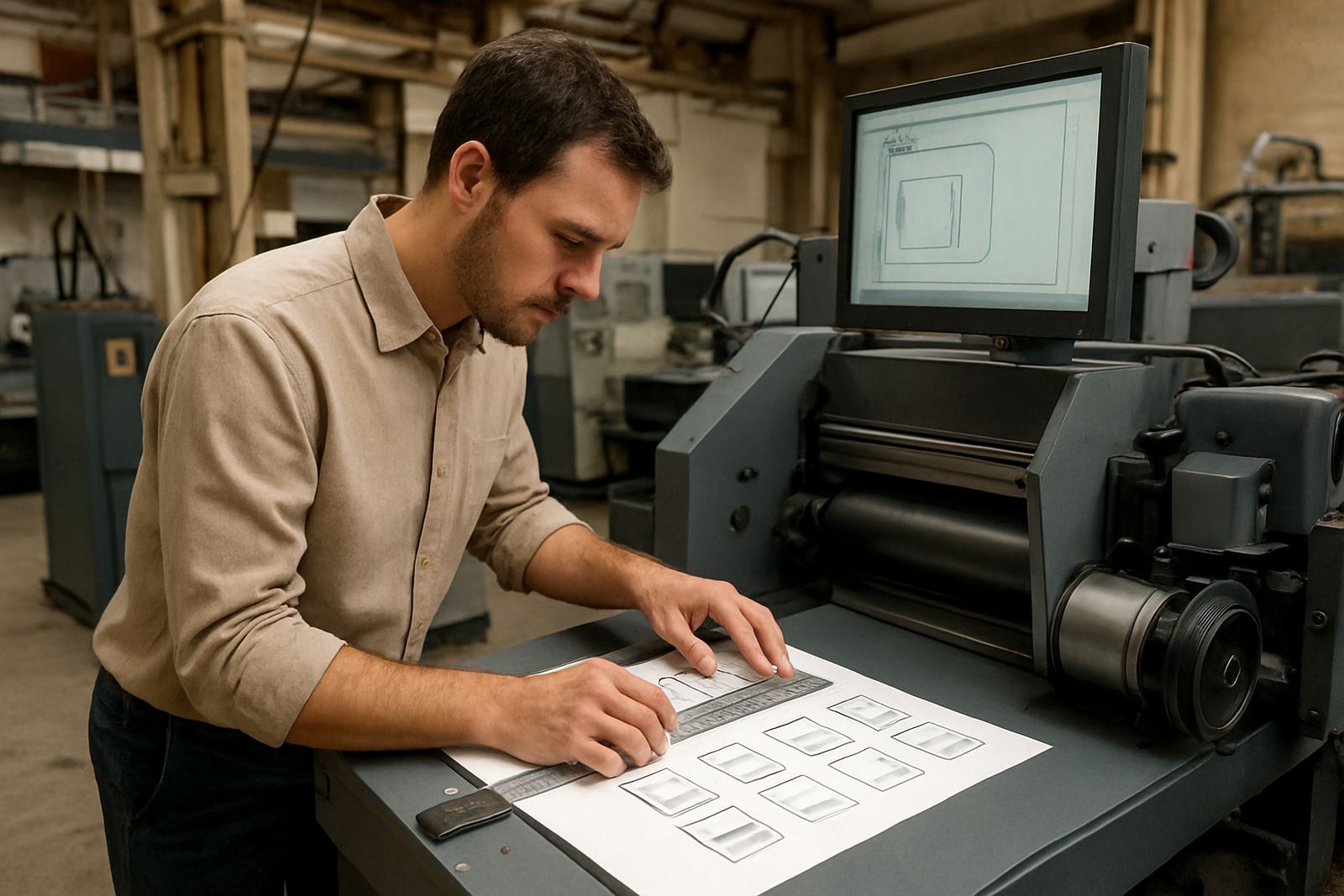
The earlier the issue is caught, the cheaper it is to fix. On press, operators usually see the varnish edge creeping over a text line, missing a fine border, or landing too close to the die line. On more complex artwork, the gloss patch can look slightly blurred or out of balance from panel to panel. That is often the first warning that something is drifting.
Good practice is to compare the first few metres against a signed proof and then check again after the job has settled. If the press is slowing down, warming up or the stack is building, registration can move again. A short check at the right time can prevent a full rewind, and sometimes a small correction is all that is needed.
- Keep a signed sample at the machine
- Check the first metres before approving the run
- Watch for drift after speed changes
- Inspect the die edge if the same error repeats
A practical South African example from a Durban run
A converter in Durban may start a premium label job on a humid morning with the varnish sitting perfectly on the logo. By mid afternoon the same run can begin to show a slight drift because the substrate has changed under local conditions. If the die was made without enough allowance for the press setup, the cut line can wander at the same time, making the fault look bigger than it is.
In that situation, the fix is usually a combination of press correction and tool inspection. We would look at the repeat, check for wear, inspect the magnet and confirm whether the die still matches the intended artwork. If the tool is sound, the issue may sit with tension or cure. If the tool has drifted, urgent remakes or a cylinder refurb may be the quickest route back to spec, and it is better to act early than chase faults all day.
How LabelCutter Dies helps keep premium finishes on spec
Our work is built around the needs of South African label printers and converters. From Johannesburg deliveries to Cape Town, Pretoria, Pinetown, Bellville and Gqeberha, we support production teams that need dies made to order and supplied on time. The service starts with die design and CAD proofing, then moves through repeat matching, bearer setting, magnet checks, press trial support and packing for dispatch.
When varnish registration is critical, the details matter. We check the cutting format, advise on stock suitability and help plan for urgent remakes if a job is time sensitive. For coastal clients we also consider humidity and storage conditions, while inland customers often need help dealing with heat, dust and load-shedding related stoppages. That practical support keeps the job moving and reduces avoidable spoilage.
- Die Design and CAD Proofing for accurate first-time fit
- Repeat Matching for replacement or reprint jobs
- Magnet Checks and Cylinder Refurb for worn tooling
- Delivery Coordination for urgent South African runs
For premium labels, varnish registration is not a finishing detail, it is part of the product. When the cut, print and varnish all line up, the label looks sharp and the customer sees quality straight away.