Why paper gives you a cleaner first read
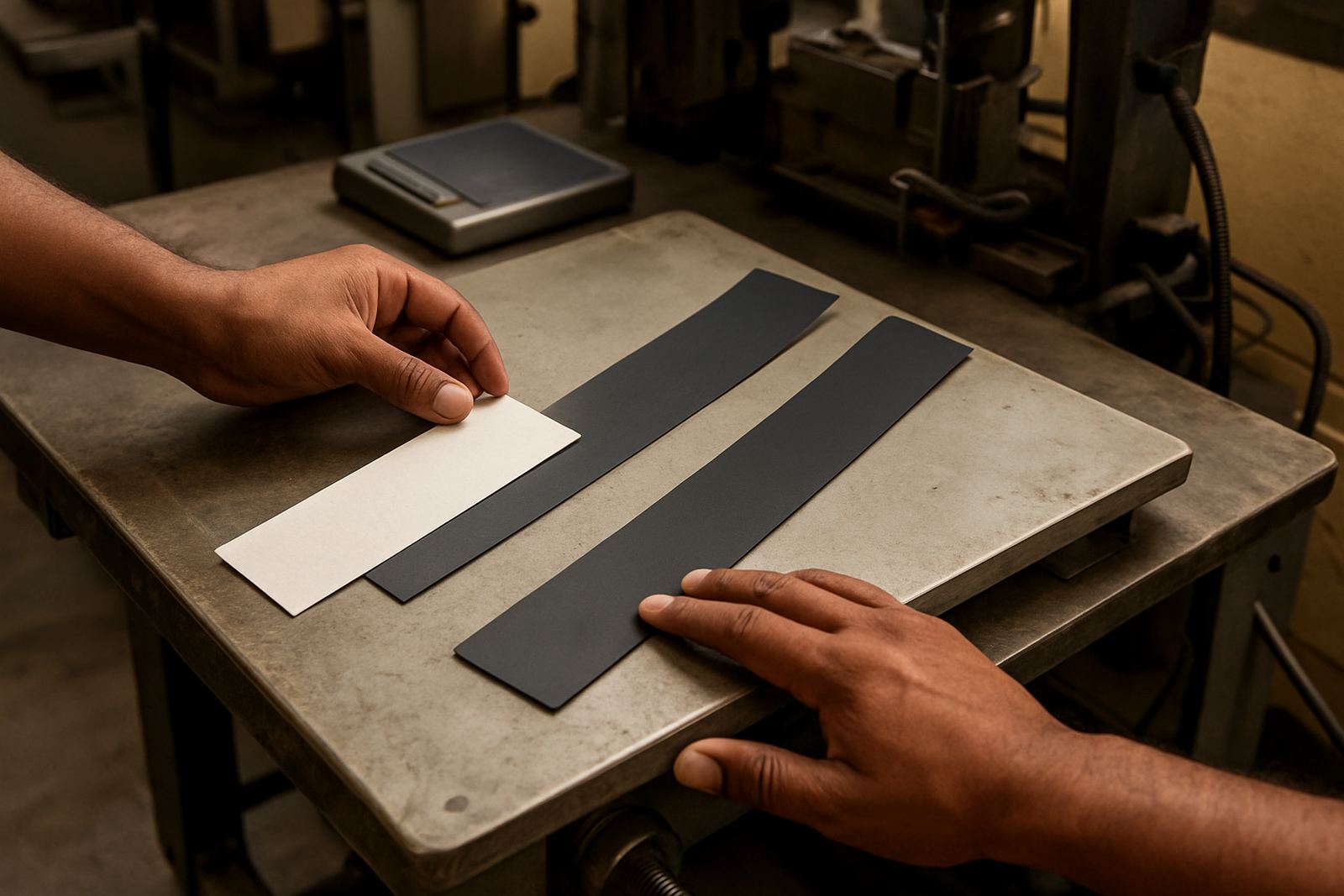
Paper stocks usually give operators a more forgiving start because the material is less elastic and does not move under pressure in the same way as film. Once the bearer setting is right and the die is on register, paper often shows a clear cut edge with less tendency to pull back after cutting. That makes it easier to read whether the blade height, anvil pressure and die sharpness are correct.
Even so, paper is not always simple. Coated papers, recycled grades and textured labels can change the way the fibres break. In hot inland conditions, especially around Germiston and Johannesburg, paper can dry out through the day and become a little more brittle. A press operator may see fine dusting, fibre lift or corners that start to feather if the cut is too heavy.
- Paper usually gives a more direct indication of cut depth
- Humidity changes can affect fibre break and edge quality
- Coated and recycled grades need different pressure than plain paper
What film does differently in the press
Film does not behave like paper because it stretches before it breaks. That stretch can help during converting, but it can also hide an undercut die or a pressure issue for a short time. A film label may look fine at speed then start to show sliver cuts, liner scoring or wandering edges when the roll heats up or the press stops and starts.
For BOPP, PET and similar films, the edge condition of the die becomes far more important. A slightly blunt edge may still cut through paper, but on film it can leave a rough peel edge or require extra pressure that shortens tool life. On narrow web work, that extra pressure can also affect web tracking, which is why press trial support matters when the stock changes.
- Film can stretch before it separates
- Sharp die edges are critical for clean release
- Too much pressure can shorten die life and affect tracking
The rotary die settings that change between stocks
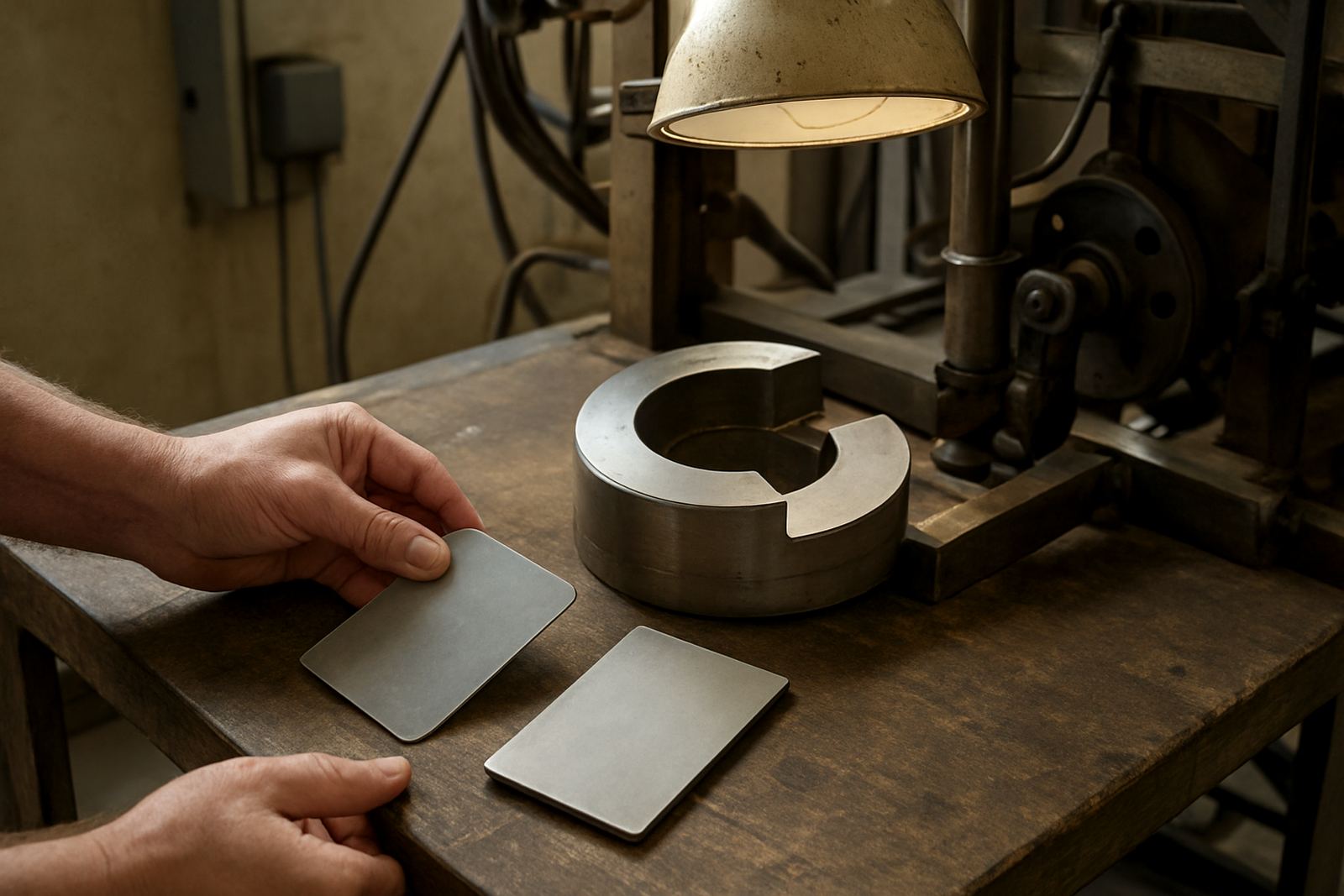
Rotary solid dies and flexible magnetic dies both need the right setting for the stock on hand. A paper job may tolerate a slightly different pressure window than a film job, but the goal is not simply to make the cut go through. It is to get a clean, repeatable cut with the least possible wear on the tool and the press components. That is where bearer setting, cylinder condition and magnet checks come in.
For paper, converters often look for a crisp cut with clean stripping and no feathering. For film, the focus shifts to clean release, no liner damage and no overcut at the corners. If the job has tight tolerances, the die design needs to account for web direction, adhesive behaviour and whether the labels are being sheeter cut or finished on roll. A good CAD proof catches many of these issues before steel is machined.
- Paper can usually run at a lower risk of stretch, but fibre break must still be controlled
- Film often needs tighter control of pressure and edge sharpness
- Repeat jobs benefit from stored dimensions and repeat matching
Humidity, static and coastal conditions on South African lines
South African converting rooms do not all behave the same. A label line in Wadeville will not see the same humidity profile as one in Durban or Gqeberha, and that matters when you are comparing paper versus film. Coastal humidity can soften paper slightly, while dry inland air can increase static on film and make waste handling more difficult. During load-shedding, room conditions can swing quickly as HVAC systems stop and start, so a stable set-up becomes even more important.
Film is often more sensitive to static build-up and dust attraction, especially if the web path is long or the plant has open handling areas. Paper is less prone to static, but it can absorb moisture and shift in caliper. That means the same die may need a different bearer feel or a pressure correction depending on where the job is running. A little checking before the run saves a lot of scrap later.
- Durban and coastal sites need attention to humidity and storage
- Dry inland air can increase static on film jobs
- Load-shedding can change room conditions and press consistency
A practical example from a Johannesburg to Durban repeat
A converter in Germiston may run the same artwork for a paper promotional label one week and a film detergent label the next, then send the repeat job to Durban for a different customer line. The paper version may need a clean knife profile and moderate pressure, while the film version can need a finer edge, careful bearer setting and a slower first pass to confirm the cut line. If both jobs are treated the same, the second run often shows up problems that were hidden in the first.
In practice, the repeat is not just about the artwork. It is about the stock, press, adhesive, rewind tension and how the job behaves after the first 500 metres. That is why stock advice and repeat matching are useful for converters managing multiple sites across Johannesburg, Pretoria, Cape Town and Gqeberha. One correct remake can prevent a full shift of scrap.
How converters keep both materials under control
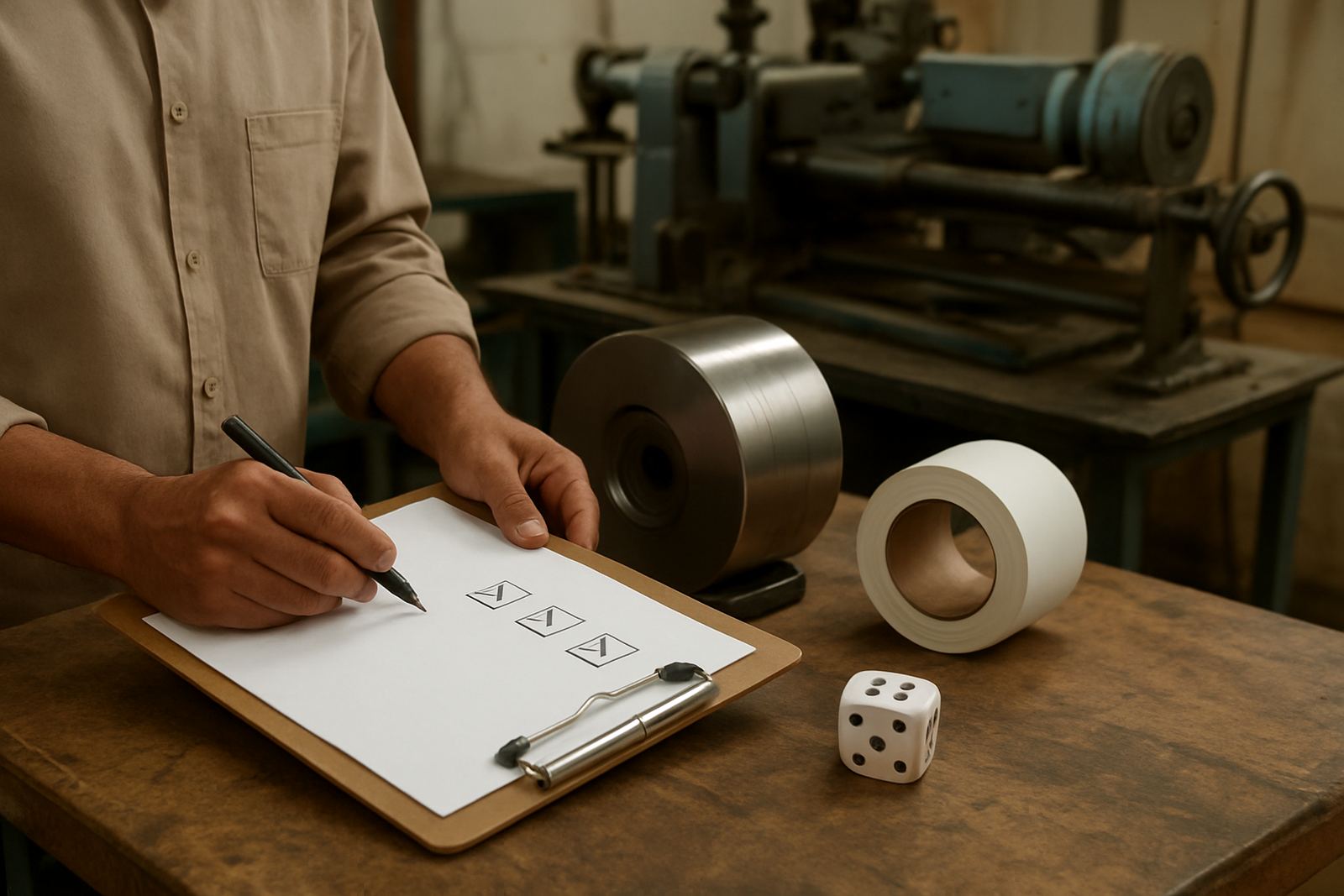
The safest way to handle paper and film is to treat them as different jobs, even when the label shape is the same. Keep records of cut pressure, bearer settings, stock type and any recurring issues with stripping or edge quality. If a job is being repeated after several months, check the old sample against the current stock because supplier changes can alter thickness and release behaviour.
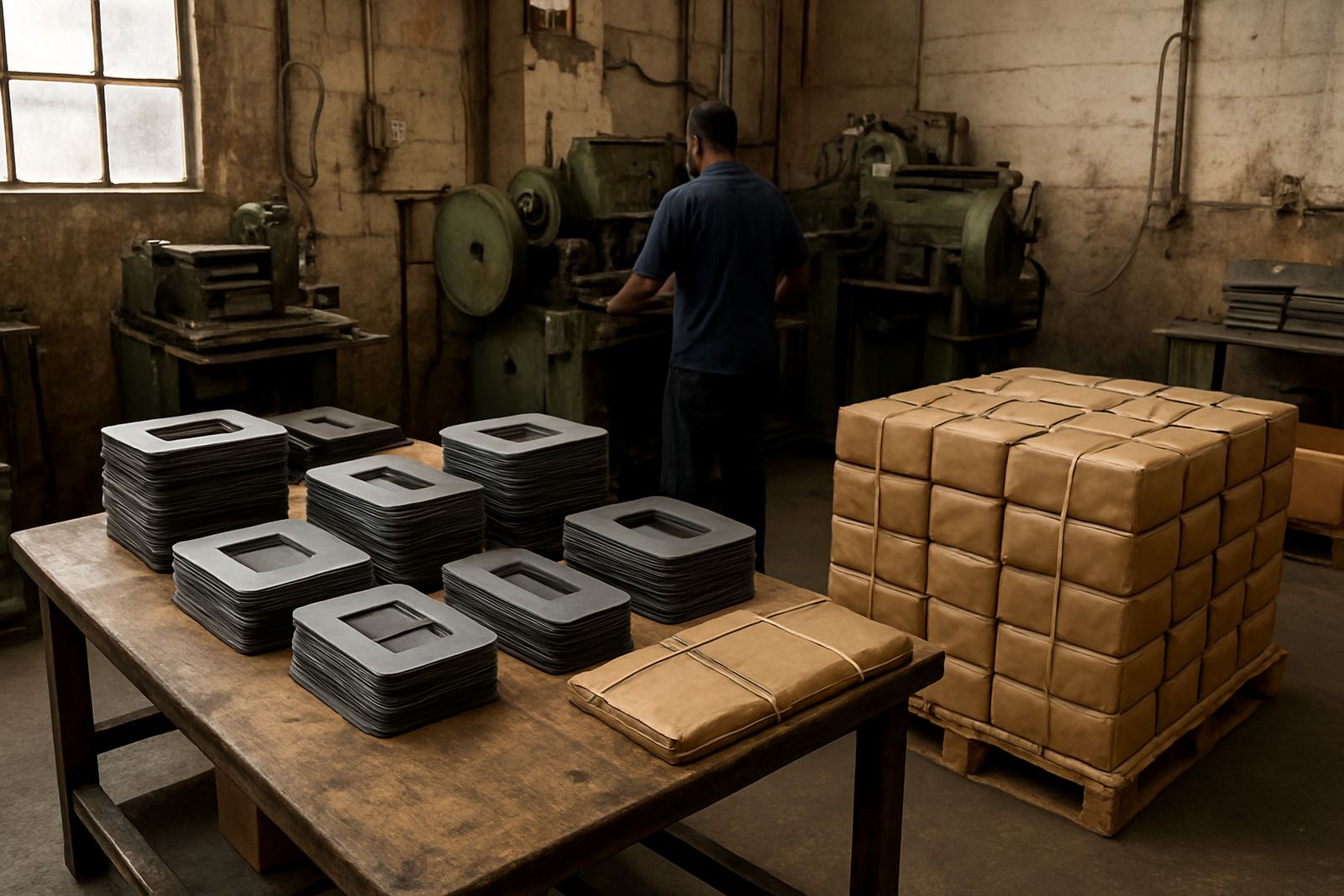
Good packing and dispatch also matters. Dies should arrive clean, protected from knocks and marked clearly so the press crew knows which tool belongs to which repeat. For urgent remakes, a clear sample and accurate measurements save time and reduce the risk of a mismatch. It is a simple process, but it keeps the line moving and the waste bin smaller.
- Record settings for each stock type and repeat job
- Compare old samples with current material before a rerun
- Protect dies in transit so edge condition is preserved
The cut tells you what the stock is doing
Paper and film both need precision, but they tell the operator different things. Paper shows fibre break, dusting and pressure issues quickly. Film shows stretch, static and edge sensitivity. Once a converter understands that difference, rotary die cutting becomes more predictable and scrap drops. That is why the right die design, careful proofing and proper cylinder or magnetic setup matter from the start.
For label printers and converters in South Africa, the best results usually come from matching the tool to the stock, not forcing one setting to suit everything. When the job is paper, film or a mix of both, the cut should be checked against the material first, then the press settings. That habit keeps production steadier, especially when orders move between Germiston, Pretoria, Durban, Cape Town and Gqeberha.