Why magnetic cylinder care matters on busy label presses
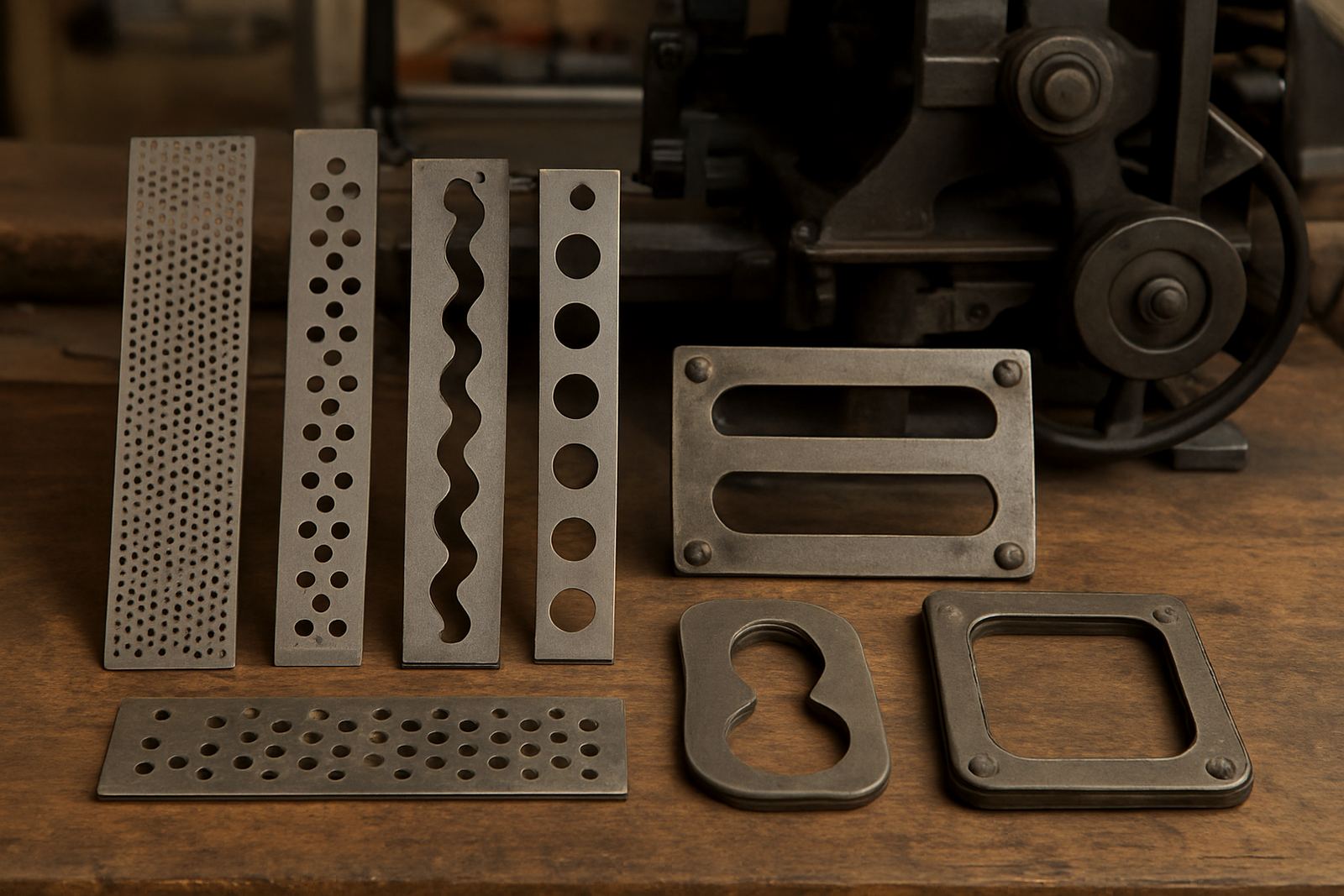
A magnetic cylinder is more than a holding surface for a flexible die. It sits in the middle of the cutting process, so any dirt, damage or uneven build-up can show up in the finished label very quickly. If the cylinder face is not clean and true, the die can sit slightly off, the cut can wander, and you may start seeing edge chatter, incomplete cuts or premature wear on the die itself.
For South African converters running short turnarounds, that matters. A roll that should be ready for packing can instead go back for rework, and a small issue can affect the whole shift. In places like Germiston, Pinetown or Montague Gardens, many plants run mixed jobs through the day, so cylinder care has to become part of the normal routine, not something only done after a problem appears.
Good care also helps with repeat work. When a cylinder is clean and properly stored, repeat matching is faster and more reliable. That saves time on press make-ready and helps keep dimensions consistent from one job to the next.
Daily cleaning habits that prevent build-up and scoring
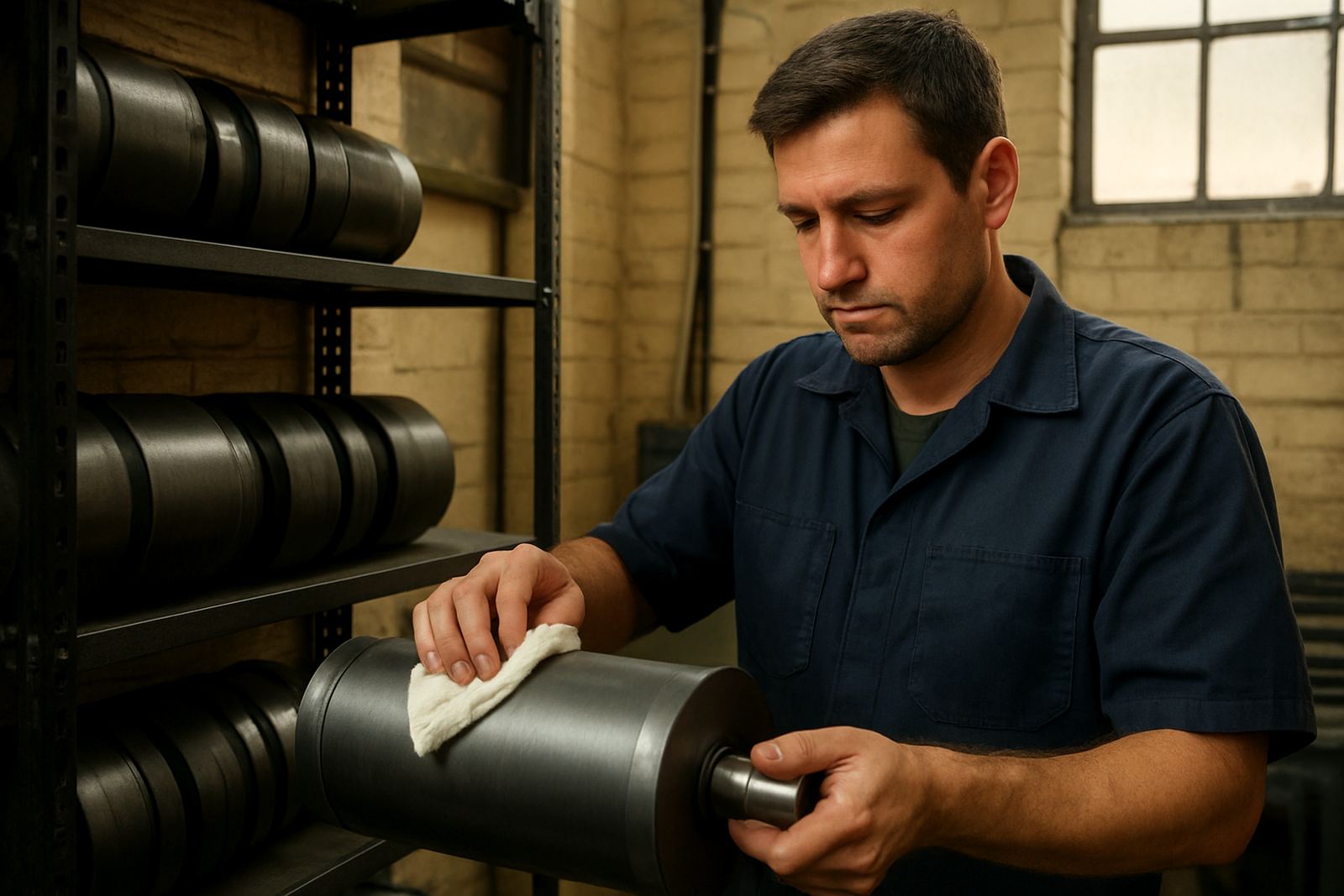
Cleaning should be light but regular. After each run, remove paper dust, adhesive residue and any fine metal particles from the cylinder face and the magnet recess areas. Do not leave debris to harden overnight, especially in warm coastal areas where humidity can make residue tackier. A soft, non-abrasive cloth and a suitable cleaner are usually enough for routine wipe-downs.
Never use a rough pad, steel wool or anything that can scratch the working surface. Even a minor score can affect fit and create a spot that collects more dirt the next time around. If the cylinder has been exposed to ink, coating overspray or adhesive mist, clean it before it is stored. Waiting until the next booking often means the residue has bonded harder than it did at the end of the shift.
- Wipe the face after each job, not only at the end of the week.
- Check the edges and keying areas for trapped dust.
- Keep cleaning cloths separate from oily rags used elsewhere on site.
- Remove metal filings immediately after any workshop work nearby.
Handling and storage that keep cylinders true
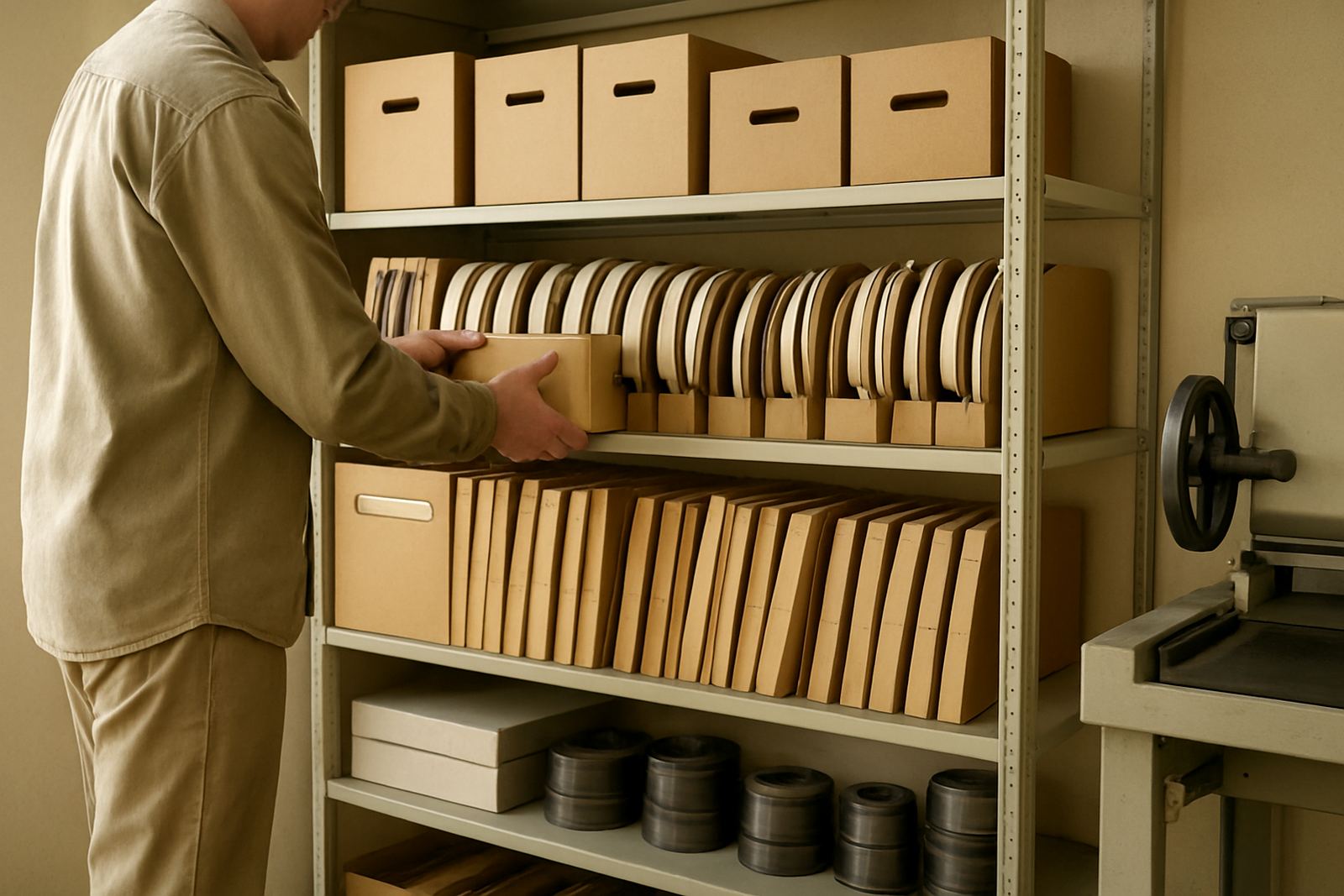
Magnetic cylinders are precision components, so handling matters as much as cleaning. Lift them with care, do not drop them onto benches or floors, and avoid rolling them across hard surfaces where burrs or edge damage can start. When a cylinder is moved from the machine room to storage, place it where it will not be knocked by other tooling or stacked under heavy items.
Storage conditions matter too. In humid coastal conditions, moisture can encourage surface corrosion on surrounding parts and fittings, even if the cylinder itself is designed for hard use. Keep cylinders dry and covered when not in use. If a machine has been idle through load-shedding or over a weekend, do a quick inspection before refitting the cylinder. A short check now is better than finding a problem once the press is already on speed.
- Store cylinders in a clean, dry rack or protected bay.
- Keep them away from loose tools, swarf and pallet traffic.
- Use both hands or proper lifting aids for heavier sizes.
- Inspect for nicks, rust spots or wear marks before mounting.
Signs that the cylinder needs attention before the next run
Most cylinder problems give early warning. Operators often notice them first through the cut quality, but the root cause may be on the cylinder itself. If the cut starts to vary across the web, if there is unusual vibration, or if the die is wearing faster than expected, the cylinder should be checked before another long run is booked in.
Watch for the following signs:
- Visible scoring, dents or burrs on the working surface.
- Poor fit between the cylinder and magnetic die.
- Uneven pressure or cutting depth across the width.
- Rust staining, sticky residue or oil contamination.
- Repeat jobs that no longer register as they used to.
If you are seeing any of these symptoms, do not assume the die is always at fault. The cylinder, bearer setting and press setup all work together. A proper check can save a lot of trial and error, especially on urgent remakes where the clock is tight and the customer is waiting.
How to protect cylinders during make-ready and press trials
Make-ready is one of the highest risk periods for accidental damage because there is pressure to get the job running quickly. The best protection is discipline. Check that the cylinder is seated correctly, that the magnet checks have been done, and that all surrounding components are clear before the press comes up to speed. If the fit feels wrong, stop and verify it rather than forcing the run. That kind of patience pays off.
During press trial support, keep a simple record of what was adjusted, what cut quality looked like and whether any cleaning or regrind was needed afterwards. That record makes future repeat work easier and helps identify patterns, such as a recurring build-up issue on a particular stock or coating. For converters in Johannesburg or Pretoria handling multiple label formats, that kind of note taking often saves an extra hour later in the week.
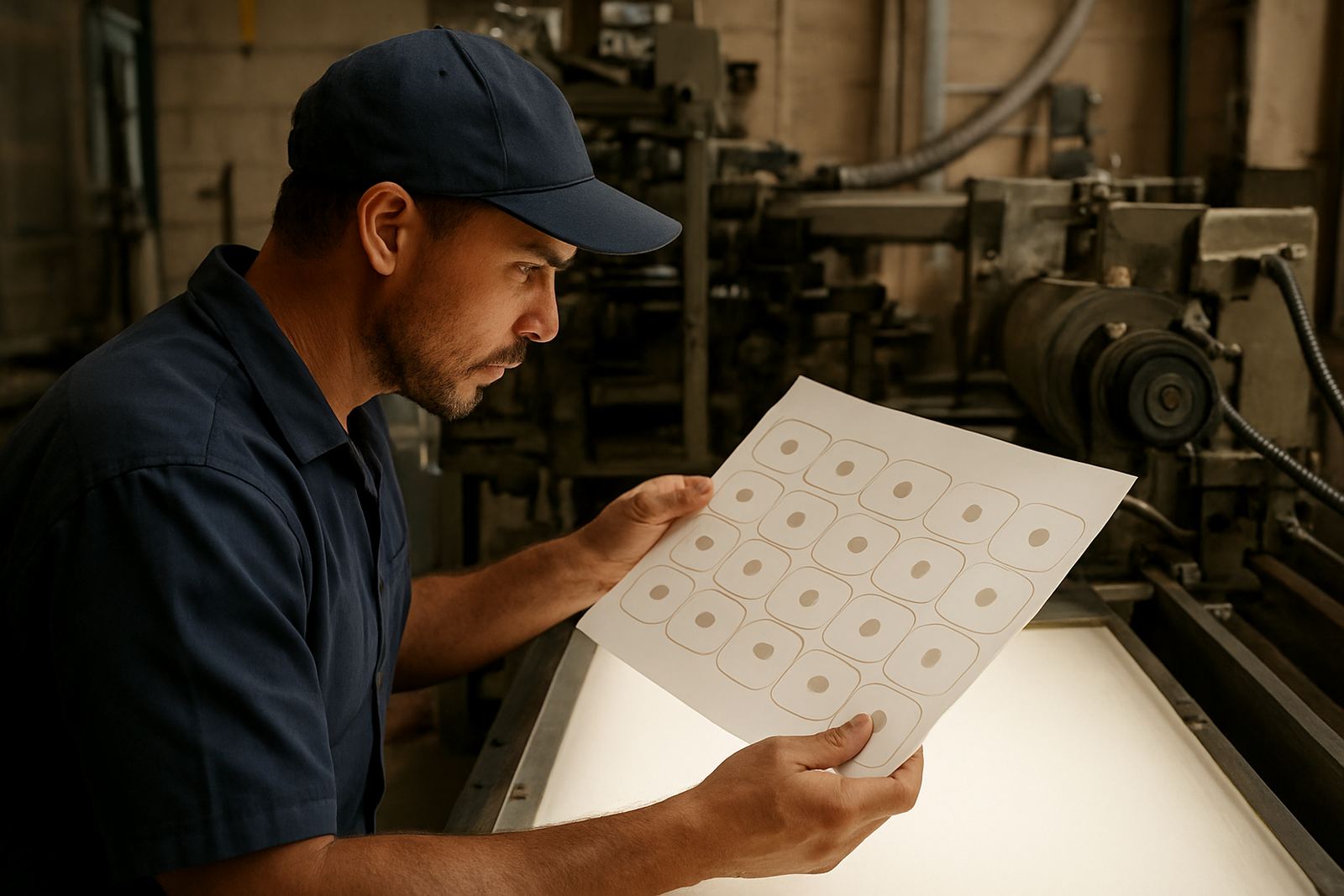
If the job includes a new layout or tighter tolerance, it is worth doing a careful CAD proofing check before production starts. A clean cylinder will only perform properly when the die and setup are right as well. The cylinder is part of the system, not a separate piece sitting on the side.
Refurbishment and regrind timing for long-term reliability
Every cylinder has a working life, and the aim is to get the most from it without pushing it beyond serviceable condition. If cleaning no longer restores the surface, or if wear marks are starting to affect register and cut quality, it may be time for cylinder refurb or die regrind support. Acting early is usually cheaper than waiting for a full failure during a booked production slot.
Refurbishment is especially useful where repeated jobs have a known profile and consistency matters. A properly serviced cylinder gives the press a reliable base again. It also helps with stock advice and repeat matching because you are not trying to solve a tooling issue and a setup issue at the same time.
As a rule, do not keep running a cylinder that has obvious damage just because the job is short. Short runs can still leave a lasting mark on the surface and, if ignored, that mark will affect the next order too. A small repair now can protect several future jobs.
A real example from a South African label press floor
A converter in the east of Johannesburg once called in after seeing inconsistent cut depth on a repeat label order. The die itself was still within spec, but the cylinder had fine residue in the recess areas and a small burr from handling during a hurried changeover. The issue only showed up on one part of the width, which made the fault harder to spot at first.
After cleaning, checking bearer setting and sorting the edge damage, the press came back into line. The job completed without further waste and the repeat order matched the previous run properly. The lesson was simple: the cylinder had not failed suddenly, it had been telling the team for a while. A few minutes of care between jobs would have prevented the hold-up.
That kind of situation is common across label plants in Durban, Cape Town and Gqeberha too, especially when work is pushed hard around municipal power interruptions or tight dispatch windows. The presses are often fine. It is the small maintenance habits that decide whether production stays smooth or starts drifting off course.