Why perforation pattern matters on the line
On a label web, perforation is where the material is meant to give way in a controlled way. The pattern needs to suit the stock, the adhesive, the press speed and the way the label will be handled after printing. If the teeth are too aggressive the label can tear too early. If the ties are too strong, operators have to pull harder and the break line can look ragged.
For South African printers and converters, that balance matters on everything from price labels to sachet packs and booklet labels. In hot warehouses around Germiston or Durban, softer facestocks can behave differently from a cool pressroom in Pretoria. The same perforation that works well on one job may need a small change on the next run.
Tooth count changes tear force and edge quality
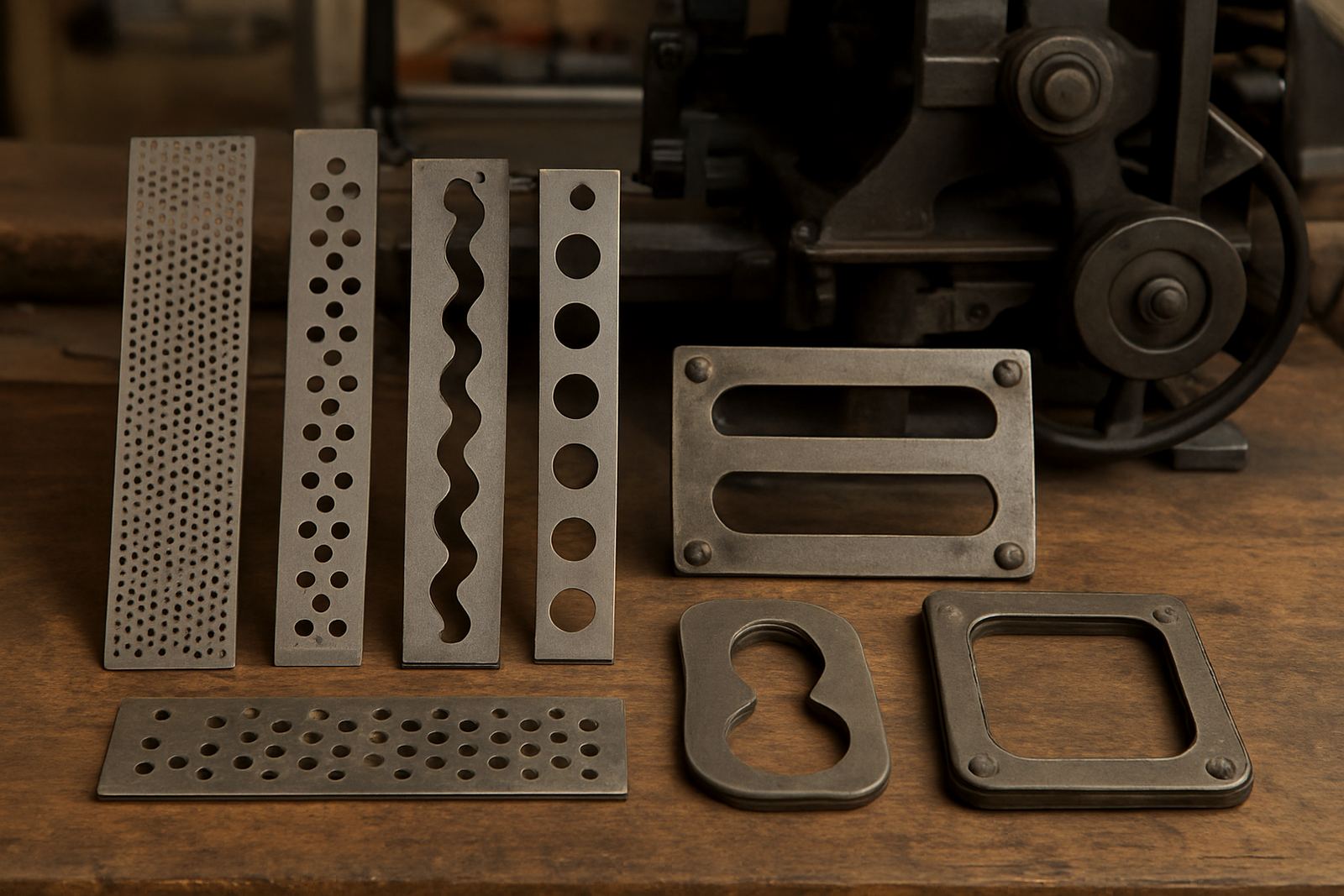
The tooth count is one of the first things to look at. More teeth over a given length usually means a finer break line and lower tear force. Fewer teeth often leaves a stronger bridge between cuts which gives more resistance. That can be useful where the label must stay together during distribution or when a sheet is handled by hand.
As a rule, finer teeth suit neat, light separation while coarser teeth suit stronger pull-off action. But the substrate matters as much as the count. A coated paper label, a synthetic film and a textured pack all respond differently. We often advise customers to test the same artwork on both a finer and a stronger pattern before settling on the final spec.
- More teeth: easier tear, cleaner appearance, less pull force
- Fewer teeth: stronger hold, better for rough handling
- Short tie spacing: more controlled break, but can be more visible
- Long tie spacing: stronger bridge, may need extra pull to start tearing
Tie length decides how much resistance the user feels
The tie is the small uncut section that keeps the perforation from falling apart. Its length controls how much force is needed to start and continue the tear. Short ties break more easily and create a softer feel in the hand. Longer ties give more grip and can prevent the perforation from opening too soon on the press or during transit.
For a label on a pallet of goods moving from Gauteng to the coast, longer ties may be the safer choice if the pack is likely to rub or flex. On a retail promo label that must be opened by the end user without effort, shorter ties can improve the experience. It is a practical decision not a cosmetic one.
When the tie is too short for the stock, the perforation can look neat but fail in use. When it is too long, the product may need a hard tug and the tear can wander off line. The best result is usually a measured compromise after a proper trial.
Material, glue and humidity all change the result
Perforation does not behave the same way on every substrate. Paper, polypropylene, vinyl and laminated stocks each cut differently and each carry stress in a different way. Adhesive strength also plays a role because the label may be fighting the backing or the pack surface when it is torn.
In coastal areas such as Durban, Pinetown and Cape Town, humidity can affect both stock handling and tear response. A label that feels crisp in a dry store room may soften slightly once it has sat in warm air. That is why perforation choice should be made with the real product, not only a sample sheet in the office.
- Paper stocks usually tear more predictably
- Film stocks often need a more exact pattern to avoid wandering tears
- Heavy adhesive can increase the force needed at the break point
- Humidity may soften the feel of the tear and change the user experience
Matching perforation to the job type
Different label jobs ask for different tear behaviour. A return label may need a crisp tear with no fraying. A multi-part pack label may need a section that opens easily without splitting the rest of the face. A tamper-type feature may need a break that shows evidence of opening without making the label unusable.
The key is to decide what the perforation must do before choosing the tooth and tie pattern. If the goal is easy opening, the design should favour low resistance and a tidy edge. If the goal is security or section separation, the design should favour a stronger bridge and a more deliberate tear line.
We often see printers in Johannesburg and Pretoria ask for a stronger break after the first run because the label was opening too readily on the finishing table. In other cases the opposite happens and the line staff want less resistance because the packer is having to pull too hard. Small changes in pattern can solve both problems.
A local example from a busy Gauteng pack line
A converter supplying a food packer in Wadeville needed a perforation that let the operator open the coupon section by hand, but still kept the label intact through sleeving, stacking and dispatch. The first pattern had generous ties and the packers had to use both hands. The second pattern looked better on the press, yet it tore off line and left a rough edge.
After a few trials the tooth spacing was tightened slightly and the tie length was reduced just enough to give a controlled break. The result was easier opening, cleaner edges and fewer rejected packs. The job did not need a new material or a bigger press setting, it just needed a better perforation balance.
That kind of adjustment is common on urgent remakes too. When a label has to perform immediately and there is no room for a second guess, the perforation pattern must be matched to the actual handling conditions, not only the artwork brief.
What to ask for before placing the order
If you are specifying a perforation, give the supplier as much practical detail as possible. The more clearly you describe the use case, the easier it is to match the tooth and tie pattern to the job. A short note about tear direction, handling and storage can save a lot of time later.
- What material is being perforated, including any coating or laminate
- How the label will be torn or opened by the end user
- Whether the tear must feel light, medium or firm
- Any humidity, heat or transport conditions the labels will face
- Whether the line needs a clean visual break or a stronger hold
For label printers and converters across South Africa, that level of detail helps with repeat matching, CAD proofing and press trial support. When the pattern is right, the label looks better and behaves better in the hand. It also reduces complaints from the pack line, which is often where a small design choice becomes a big issue.