Why kiss cut depth drifts during a shift
Kiss cutting works best when the blade cuts cleanly through the face stock and stops before it marks the liner. In practice, depth can drift over a shift because the material, pressure and press condition all move a little. A job that started well in the morning can show lifting edges, liner scuffing or incomplete cuts by afternoon if the setup is not watched.
In Germiston and Wadeville, converters often see this on mixed label work where one run is on paper and the next is on film. Paper face stock can handle one setting, then a coated synthetic arrives and suddenly the same pressure is too much. On hotter days, especially in inland plants or during load shedding starts and stops, the stock can also change slightly in feel and feed.
- Check whether the face stock, liner and adhesive are all from the same approved spec.
- Watch for pressure changes after long runs, not only at make ready.
- Inspect for blade wear, bearer setting drift and any slight misfeed.
Set the die for the stock, not for the memory
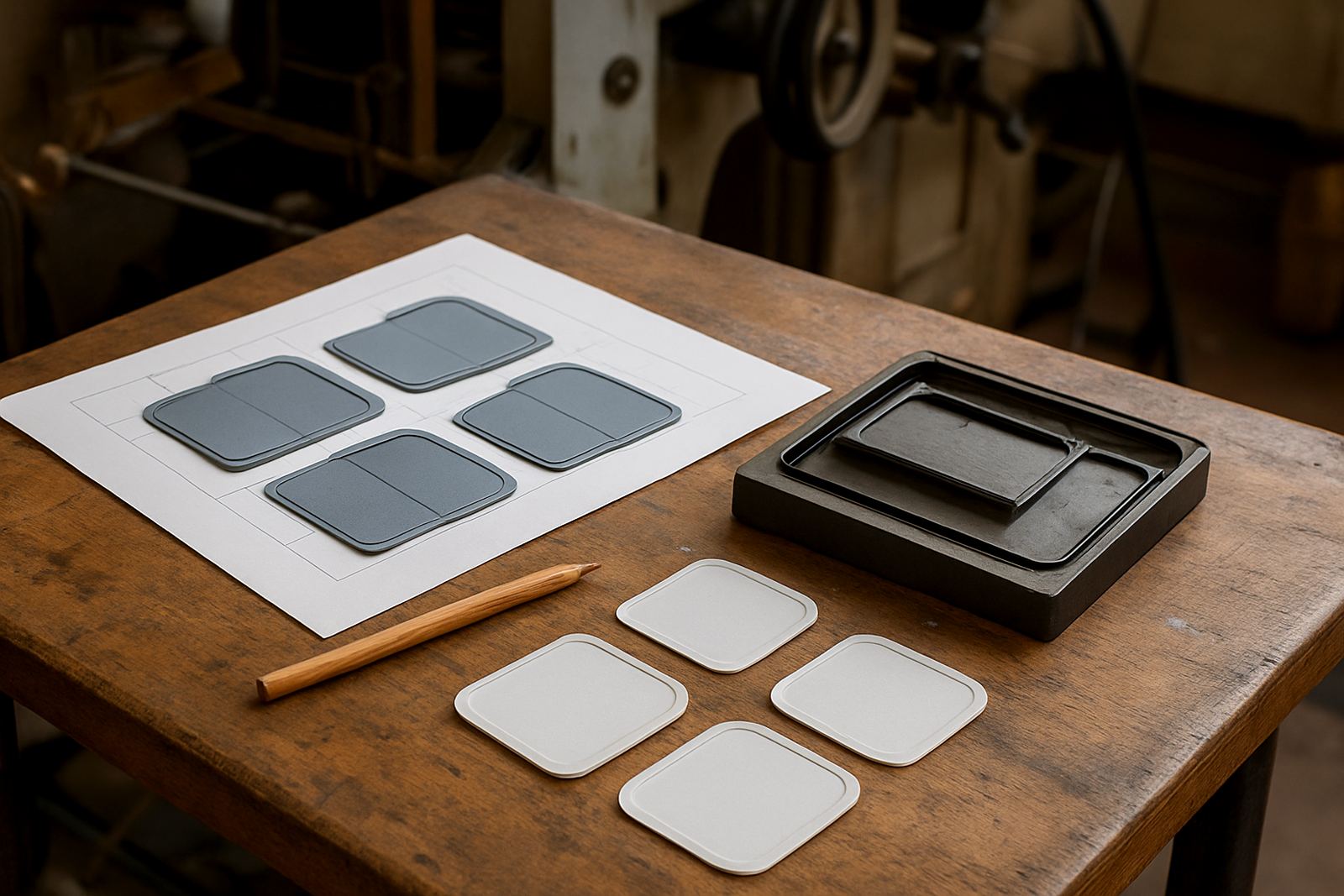
Repeat jobs are where bad habits creep in. A press operator may remember that a label ran well last month, but the stock batch may now be thicker, thinner or more slippery. A flexible magnetic die or rotary solid die should be matched to the actual material in front of you, not just to the old job note.
At LabelCutter Dies, repeat matching is about checking the live sample, previous artwork, and any notes from press trial support before a remake goes out. That helps when a job has a tight peel, a narrow island, or a fine contour around a small label. If the cut is too deep, the liner weakens. If it is too shallow, labels pull badly and the customer ends up wasting time at the packing table.
- Use a fresh sample from the current batch for setting.
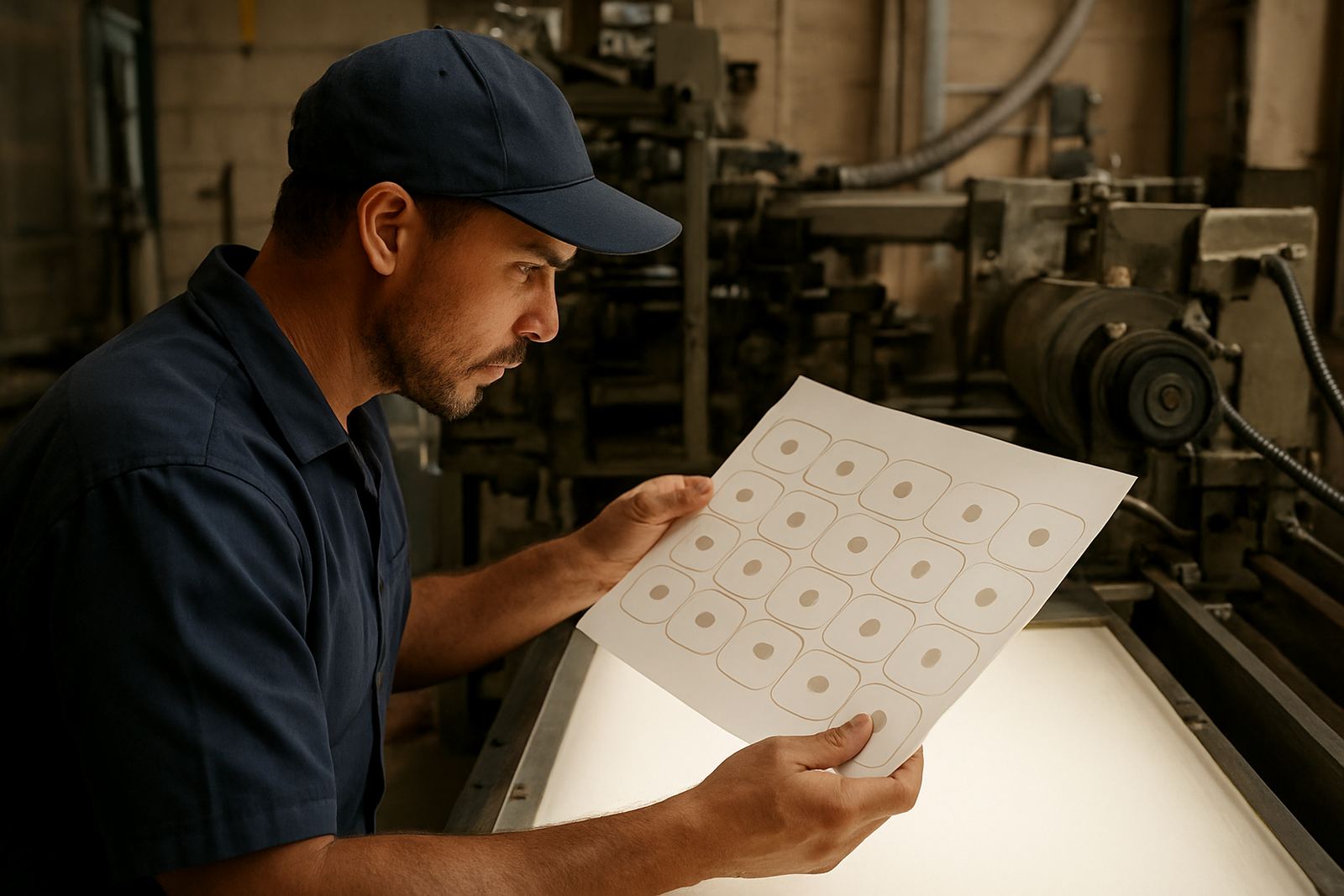
- Confirm the cut line against the peel test, not only visual marks.
- Keep a short record of pressure, speed and die type for each successful run.
Small notes save a lot of time, especially when different shifts handle the same order. A clear record also helps when a job needs an urgent remake or a quick regrind to restore the cut edge.
How press speed and line tension affect the cut
Speed changes the way the material behaves under the die. At lower speeds, the stock has more time to settle, which can hide a weak setup. At higher speeds, tension and web control become much more important. If the web is drifting, the cut line can move just enough to cause poor stripping or edge tearing.
This is where die design and CAD proofing matter. A well made die should suit the press width, the repeat length and the exact label shape, but it still needs the operator to keep tension stable. In some plants around Johannesburg and Pretoria, operators run a job well on one press then move it to another line and expect the same result. That can work if the cylinder, bearer settings and pressure profile are checked, but not otherwise.
- Increase speed only after the cut is proven at a steady base speed.
- Watch for web flutter at the unwind and rewind.
- Recheck tension when changing rolls, splices or material grade.
Humidity, heat and dust are part of the job
South African production rooms do not all behave the same. In Durban and Pinetown, coastal humidity can soften some papers and affect adhesive handling. In Cape Town and Bellville, temperature swings and dry air can influence static and feed stability. Inland, dust and warm shop floors can change how the stock runs through the press. These are not dramatic problems but they do shift the kiss cut enough to matter.
Keep the stock sealed until needed, store it flat, and avoid leaving open reels near doors or loading bays. If the material has been sitting through a humid night or a hot afternoon, let it settle before setting the die. A quick check on the first metres can prevent a full reel of waste later. It sounds basic, but the basics are what keep label work steady.
For plants working through load shedding, the restart is often the weak point. When power comes back, the line may need a fresh check on tension, pressure and registration before full speed resumes.
When to regrind, refurbish or replace the die
Not every cutting problem comes from the press. Sometimes the die itself is the issue. A dull edge, damaged bearer, worn magnetic base or a cylinder that no longer runs true can all cause inconsistent kiss cutting. If the job starts to require more pressure than usual, that is often a sign that the die needs attention.
Die regrind and cylinder refurb services are useful when the tool still has life left but the edge has lost its sharpness. Bearer setting and magnet checks also matter, because a small error there can make a good die behave badly. If the tool is beyond practical recovery, a made to order replacement is usually cheaper than losing another few reels to poor stripping.
- Look for uneven cut depth across the web width.
- Check for repeat jobs that suddenly need higher pressure than before.
- Inspect the die after any press jam or accidental contact with harder stock.
A practical Germiston example from repeat label work
A converter in Germiston running product labels for a distribution client in Gqeberha had a stable job on one stock, then moved to a slightly different liner supplier. The artwork stayed the same, but the peel changed and the press began leaving faint liner marks. The operator first tried more pressure, which made the problem worse. After a proper check, the issue turned out to be a combination of liner change, speed and a slightly tired die edge.
The fix was simple in principle: reset the bearer setting, confirm the current stock spec, and schedule a regrind on the die before the next run. Once that was done, the line held steady again and the labels stripped cleanly. That is the real lesson with kiss cut consistency. Most faults are small, but small faults add up fast when the order is long and the deadline is tight.
For converters serving Johannesburg, Durban, Cape Town or Pretoria, the best result comes from matching the tool to the actual run, then keeping the same discipline from first label to last.