What hardness changes in a rotary cutting edge
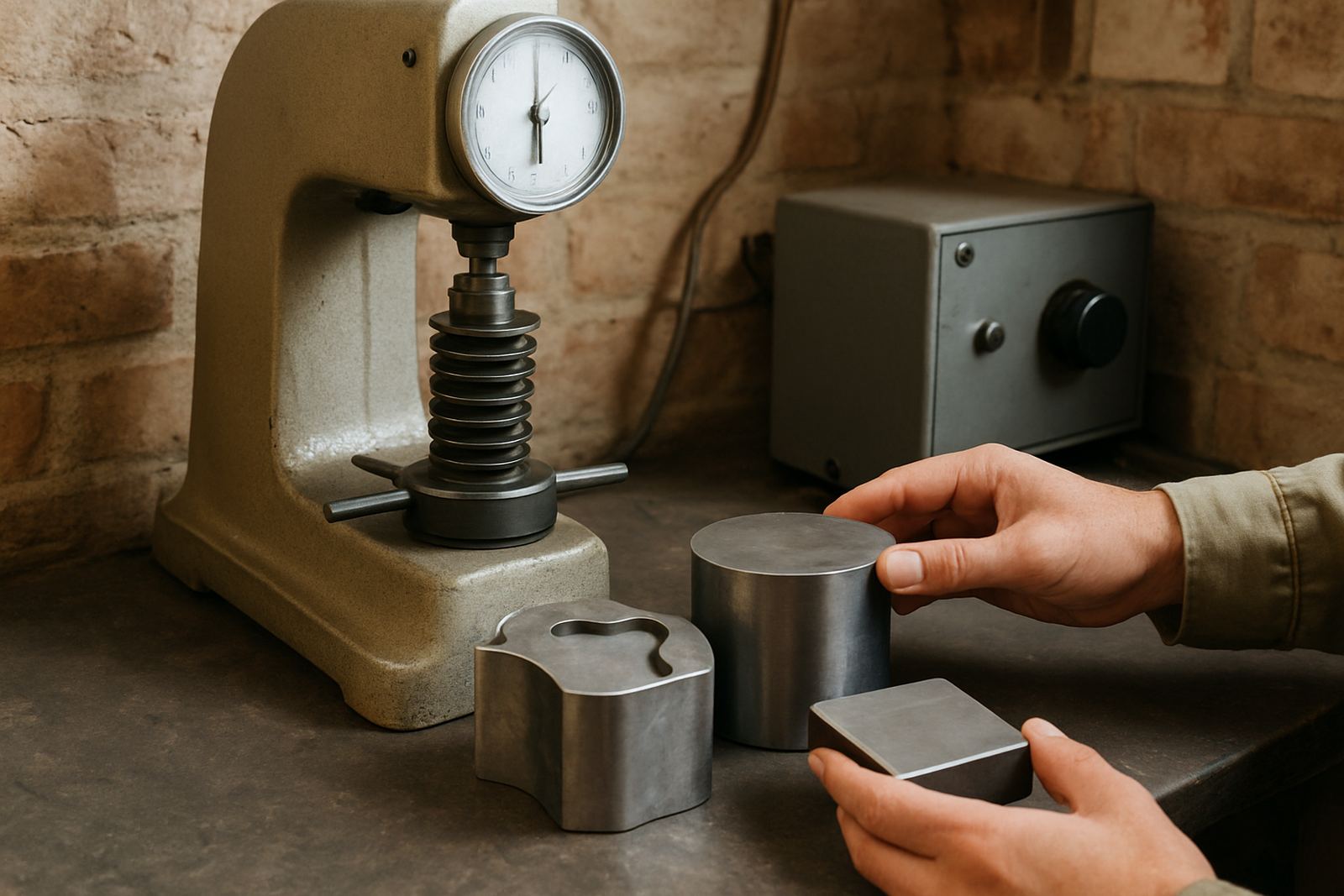
Steel hardness affects how long a cutting edge holds its shape under pressure. In label converting, the die is not only cutting material, it is working against adhesive, liner tension, bearer pressure and the small shocks that happen every time the press starts up or stops. If the steel is too soft, the edge can round off early and the cut starts to feel fuzzy or inconsistent.
That change may begin small. A converter might first notice that release is less clean on fine text or that kiss-cut depth needs constant correction. On a long run, especially on self-adhesive stocks, the die can start to leave web breaks, burrs or weak corners. Hardness is one of the hidden reasons why one tooling set runs smoothly for months while another needs attention sooner than expected.
Too soft, too hard, or just right
There is no benefit in chasing the hardest possible steel if the tooling is not matched to the job. A very hard edge can give excellent wear resistance, but if the material or setup is not correct it may become brittle or less forgiving. That is why rotary solid dies, flexible magnetic dies and cylinders all need the right balance between hardness, edge retention and serviceability.
- Too soft: faster wear, loss of detail and more frequent rework
- Too hard: less tolerance for shock, setup errors or poor bearer setting
- Well matched: longer service life, steadier cutting and better repeatability
For recurring label work, the best result is usually not the hardest tool on paper. It is the tool that matches the substrate, press conditions and duty cycle without overloading the machine or the operator. Small differences in hardness can matter a lot on fine die lines and narrow web work.
Why service life changes from one run to the next
Service life is not only about the steel itself. Heat, pressure, machine alignment and handling all affect how long a die stays in proper condition. In a humid coastal area like Durban or Cape Town, storage and packing matter too because moisture can affect tooling surfaces if they are left exposed during warehouse movement or overnight transport. In Gauteng, dust and long production shifts can create their own wear issues.
We often see a die that performed well on one press but showed early wear on another. The reason is usually not mystery damage. It may be overpressure, incorrect magnetic seating, uneven bearer setting or a cylinder that needs checking before the next run. Hardness helps, but it works best when the full system is set up properly.
Signs that the tooling hardness may not suit the job
When hardness is not right for the application, the symptoms usually show up on the press before they show up on paperwork. Operators often notice that the same settings no longer give the same result, or that the die needs constant tweaking to keep the cut clean.
- Cut depth keeps drifting during the shift
- Edges go dull or blunt sooner than expected
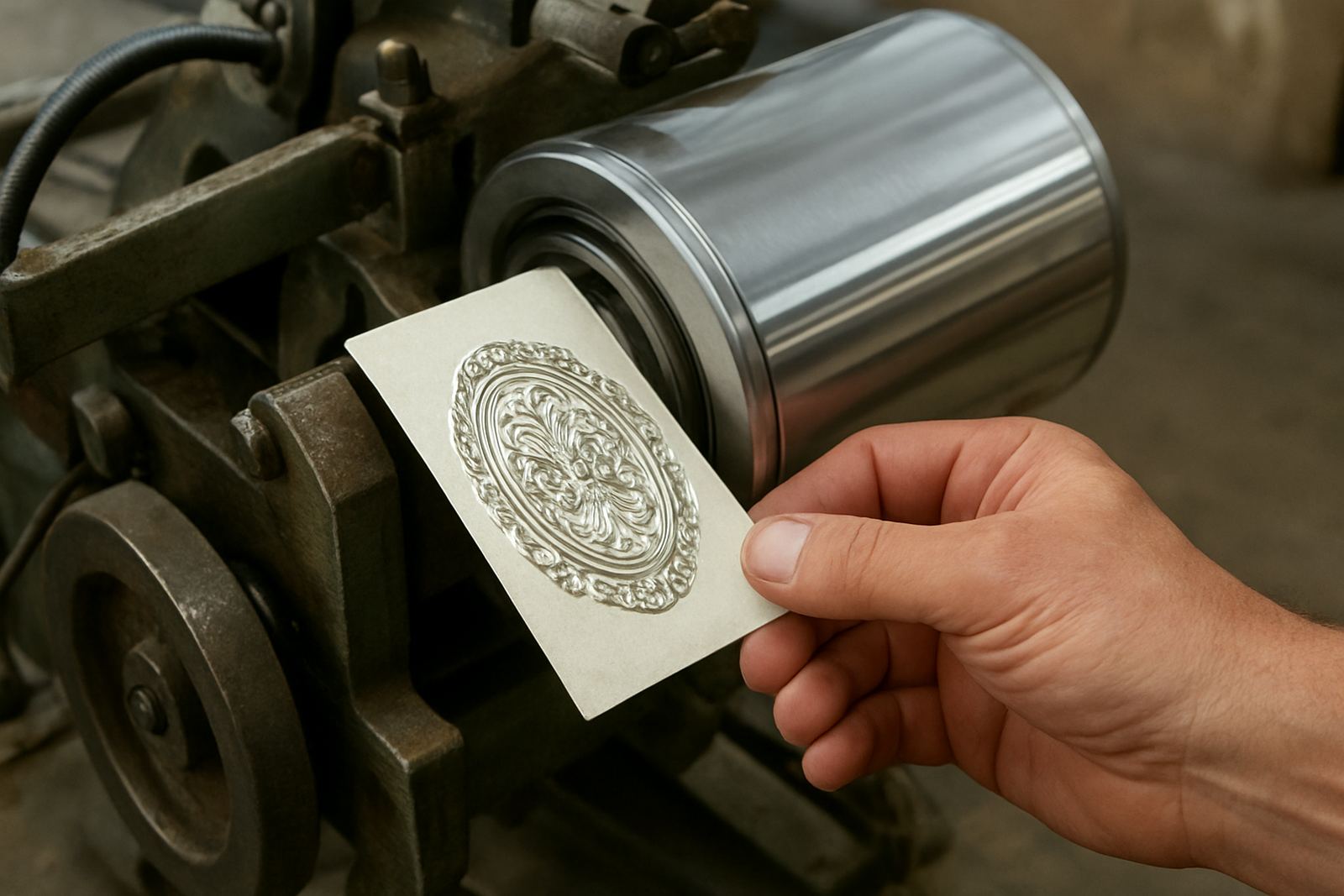
- Fine features stop releasing cleanly
- The press needs more pressure than usual
- There is extra waste from missed or weak cuts
If the same issue keeps returning, it is worth checking the die design, bearer setting and magnet condition rather than simply pushing harder on the press. A small setup correction can save a great deal of material and down time.
A local example from a busy Gauteng label line
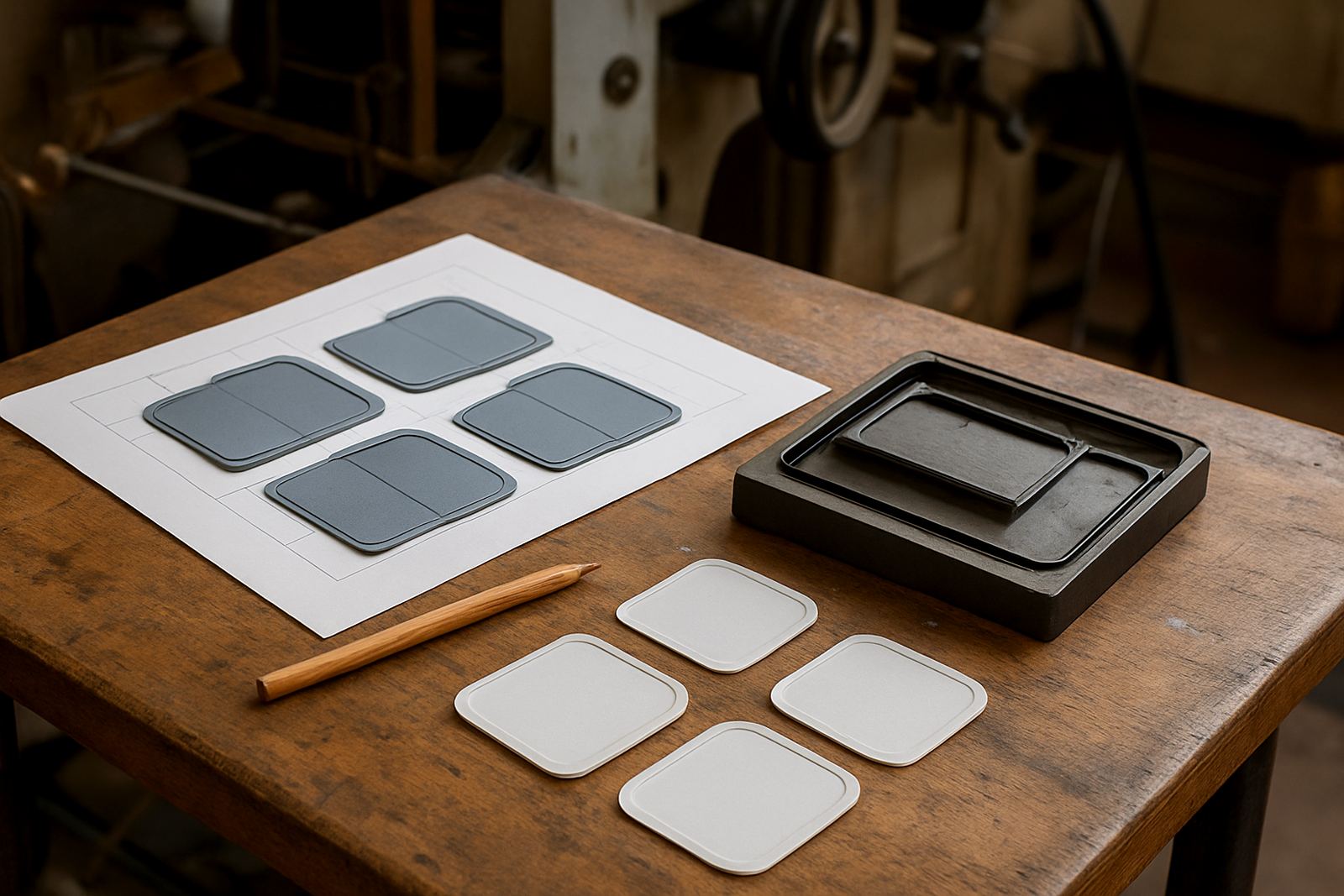
Consider a label converter in Germiston running a high volume order for a toiletries customer in Johannesburg with repeat deliveries to Pretoria and Durban. The job uses a fine adhesive stock with small panel shapes and tight register. The first tooling set performs well, but after a number of long shifts the cut starts to drift at the corners and the operator needs more frequent adjustment.
In that case, the issue might not be the artwork or the press alone. A softer edge may be wearing faster than expected, while bearer pressure or cylinder condition is adding to the problem. After a die regrind, magnet check and proper setup review, the same line can often return to steadier output. That is the practical value of choosing hardness with the full production run in mind, not just the first hundred metres.
How we approach hardness for South African converters
At our Wadeville, Germiston base, hardness is considered alongside job type, repeat volume and the press environment. Some customers need urgent remakes for a missed dispatch, while others need a longer run tool for scheduled work across Johannesburg, Cape Town, Gqeberha or Pinetown. The right answer depends on the stock, the press and the expected run length.
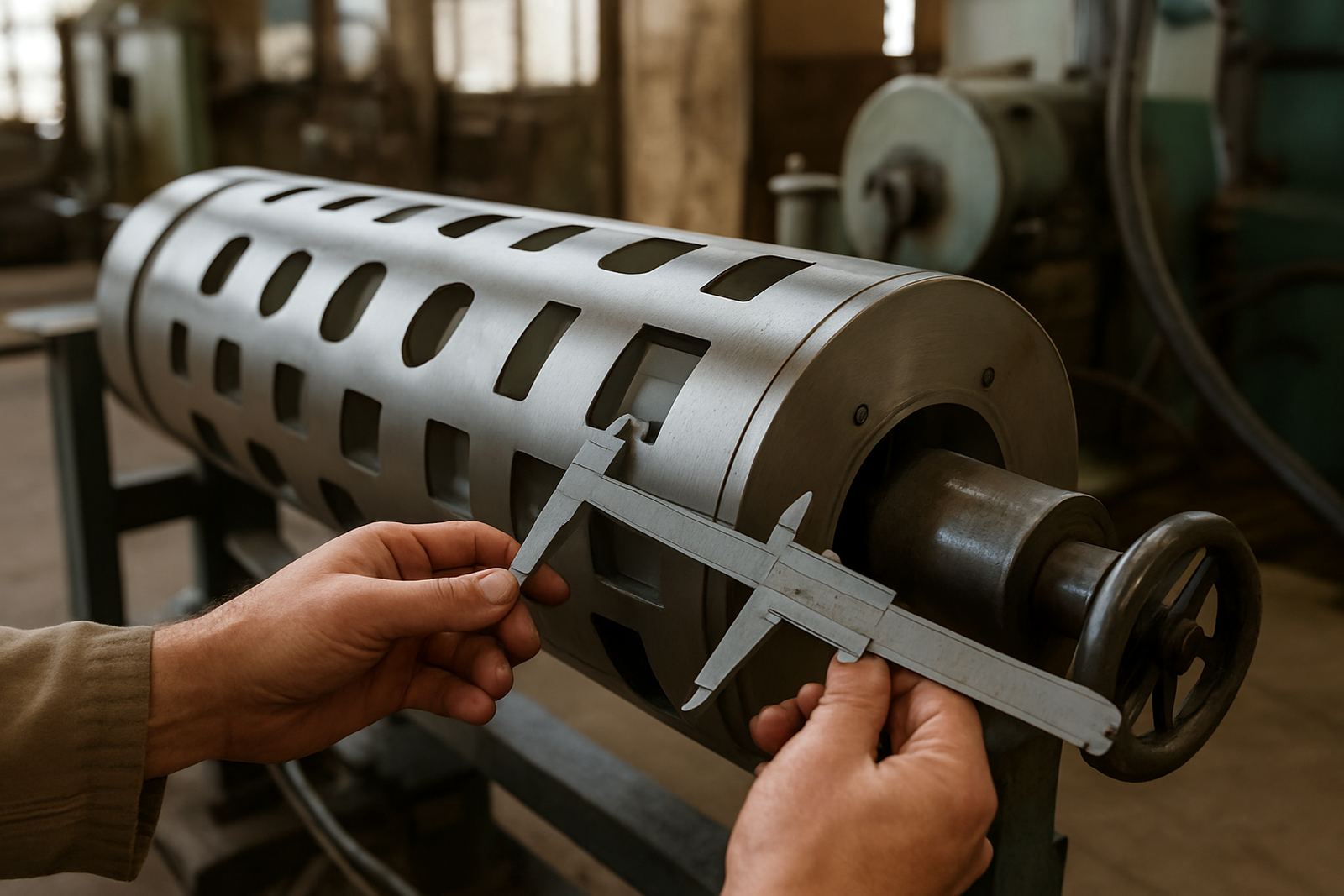
Our team handles die design, CAD proofing, repeat matching, cylinder refurb, die regrind, bearer setting, magnet checks, press trial support, urgent remakes, stock advice, packing and dispatch, plus delivery coordination. That lets us look at hardness as part of the whole tooling cycle, not as a single spec on its own. When the tool is made and maintained to suit the job, it tends to give better service life and fewer surprises.
Practical checks before you place the next order
If you are planning a repeat job, a remake, or a new label line, it helps to review a few details before production starts. A short check can prevent unnecessary wear and avoid a press stoppage halfway through a run.
- Confirm the substrate and adhesive type
- Check whether the job is short-run or repeated often
- Review the press speed and pressure settings
- Inspect magnetic seating and cylinder condition
- Ask whether the previous tool showed edge wear or poor release
Hardness matters because it sits at the centre of all these details. Get it right, and the tooling works longer, cuts cleaner and asks for less intervention. Get it wrong, and the same job can start costing more in waste, adjustment and downtime than it should.