Why web tension changes the whole converting run
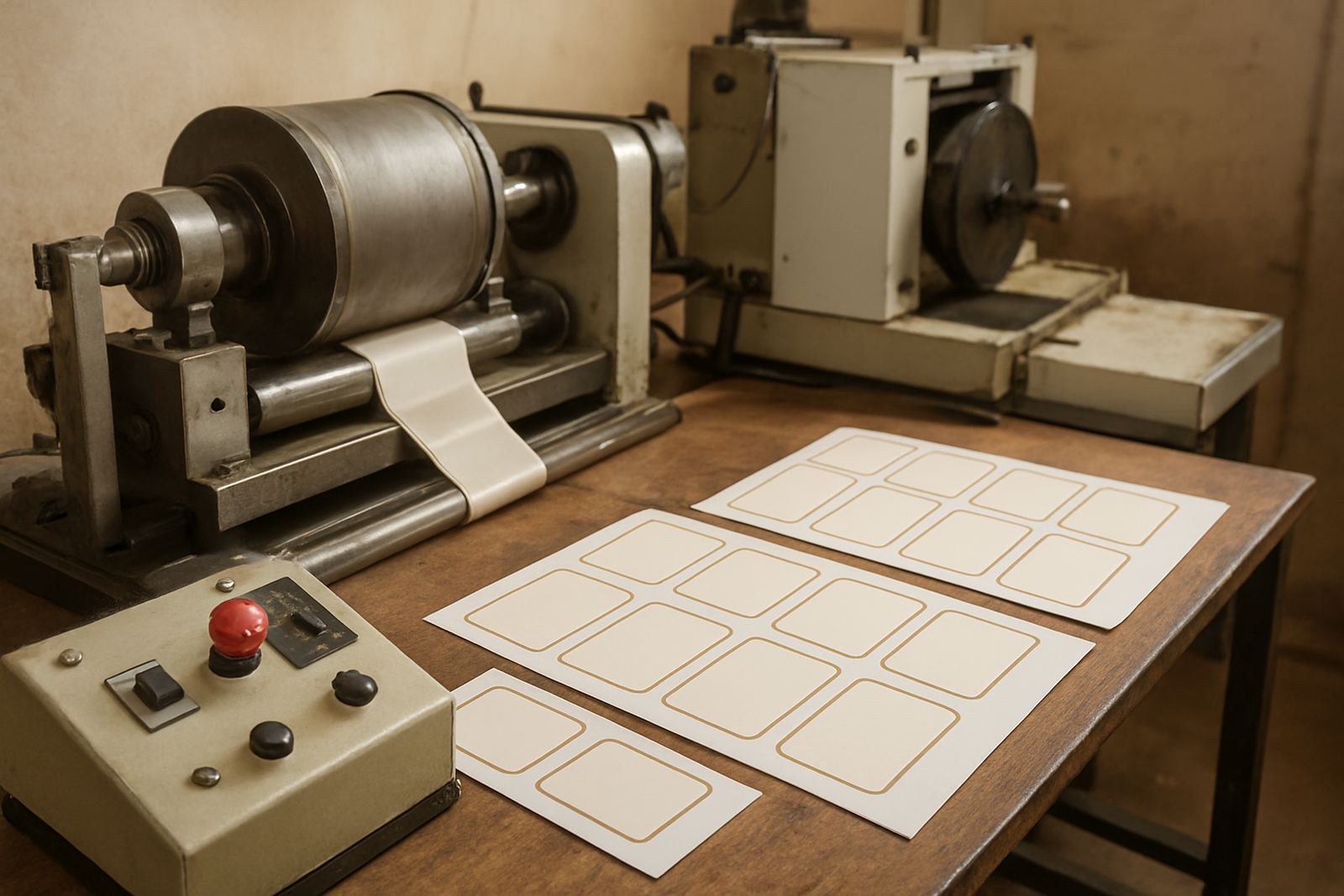
Web tension is the pull on the material as it moves through the press, cutter or finishing line. If that pull is too low, the web can wander, buckle or feed unevenly. If it is too high, the web stretches and then snaps back after cutting or rewinding, which can throw off dimensions and make the finished labels look slightly out of shape.
In Wadeville, Germiston we see this often on jobs that move from artwork approval into production with no press-side check on material behaviour. A label may measure correctly on the screen but once it is running at speed, the substrate, adhesive and liner all respond differently. Film stocks, paper labels and metallised material each react in their own way, and the weather can matter too. On humid Durban days or very dry inland shifts, a web can behave differently by a small but important margin.
For converters, the main point is simple: tension is not just a machine setting. It affects print position, die cut accuracy and whether the matrix releases cleanly after the cut.
How tension moves registration out of line
Registration depends on the web staying in a stable position through every station. When tension changes during a run, the material can creep forward or pull back, which means the print no longer lands exactly where the die is cutting. The problem becomes obvious on multi-colour labels where fine text, barcode placement or a window cut must stay aligned.
Most registration faults are blamed on ink, sensors or the die, but the real issue is often uneven pull between unwind, print and rewind. A steady web is critical when the line stops and starts, or when operators adjust speed to deal with load-shedding recovery and restart conditions. That first few metres after a restart can tell you a lot about tension stability.
- Too much unwind tension can stretch the web before print.
- Too much rewind tension can distort the label after die cutting.
- Uneven nip pressure can create side drift and registration creep.
- Inconsistent tension during a stop-start run can shift repeat length across the roll.
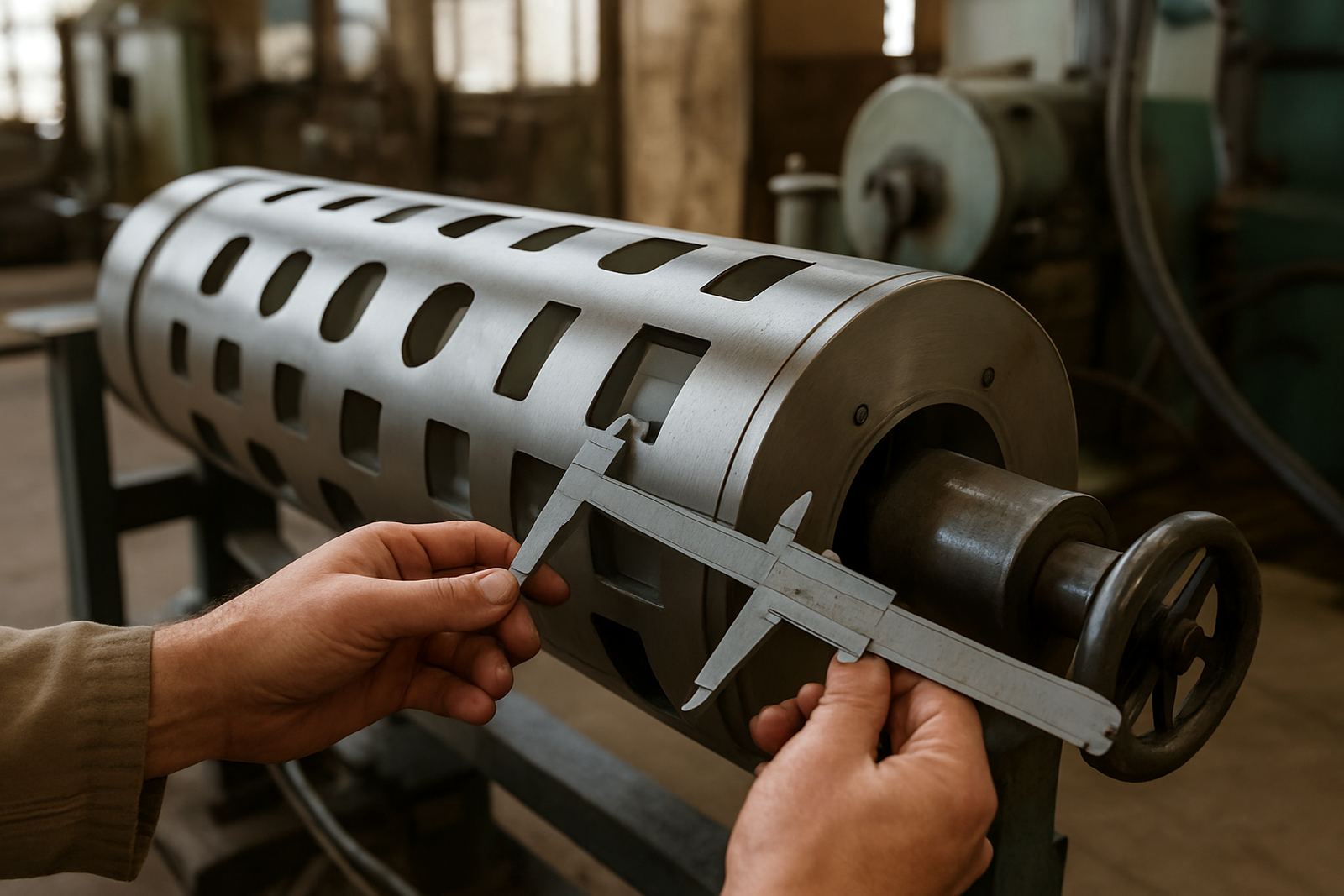
When we prepare rotary solid dies or flexible magnetic dies, precise tolerances matter because the cutting edge assumes the web is behaving predictably. If the tension is not stable, even a well made die can appear to be at fault when the issue is really in the handling of the material.
What poor tension does to matrix lift and weed removal
Matrix lift is one of the clearest signs that web tension is not balanced. If the matrix is under too much pull, it may tear at the corners or lift in strips instead of cleanly peeling away from the face material. If tension is too low, the matrix can stay loose, snag on guides or wrap back onto the roll and slow the line down.
This is especially common on narrow labels, deep-etch shapes and jobs with small bridges. A stable web lets the matrix separate at the right angle and speed. Without that, the cut may look fine but the waste removal becomes messy and the operator spends time clearing breaks instead of running product.
- Clean matrix lift depends on consistent tension from unwind to rewind.
- Sharp die edges help, but they cannot fix a web that is stretching or fluttering.
- Small labels need tighter control because there is less margin for drift.
- Hot conditions can soften some adhesives, making matrix behaviour less predictable.
At times we recommend a magnet check or die regrind when the cut quality itself has changed, but if the matrix is lifting badly across the full width, the press set-up needs attention first. The cut and the pull work together, not separately.
Why finished label shape changes after cutting
When tension is wrong, the label can come out with a slightly altered shape even if the die is correct. A stretched web may give labels that look long and narrow in the machine, then relax once unwound or applied. A slack web can create ripple edges, poor lay-flat performance or uneven stacking in the finished roll.
This matters for labels that must fit packs, bottles or cartons with fixed panel sizes. A 1 mm shift may not sound serious, but on a high volume run it can cause edge lift, poor application or inconsistent presentation. In coastal areas such as Cape Town and Gqeberha, where humidity and temperature changes can affect stock during transport and storage, that little shift can become a repeat complaint.
To control finished shape, converters should watch for:
- repeat length changes between the first and last rolls
- curling edges after rewind
- labels sitting skewed on the roll
- die cut outlines that do not match the printed image
Our team, including Nirasha in CAD and Siyanda in the machine shop, often checks whether the issue is in the artwork, the die or the handling. Very often the first clue is not in the print proof, it is in the way the web moves through the line.
A Pretoria example: one roll, three problems
A converter in Pretoria once called about a run where the print was drifting, the matrix kept tearing and the finished labels were not sitting square on the roll. At first glance it looked like three separate problems. In practice, the tension profile was changing during acceleration and again when the rewind spool filled up.
Once the operator reduced the initial pull, checked the edge guides and reset the rewind pressure, the run settled down. The die was not changed, and the artwork stayed the same. What changed was the web behaviour. The machine stopped fighting the material and the material started feeding evenly.
That is the value of looking at the full line, not just the cutter. A good die helps, but stable tension is what allows the die to do its job properly. For urgent remakes, repeat matching and press trial support, the quickest fix is often a careful look at tension before anyone orders a replacement tool.
Practical checks before you blame the die
Before replacing a rotary solid die or flexible magnetic die, check the basics. Many production issues can be reduced with a short, practical routine at the press. It does not need special language, just a disciplined check from unwind to rewind.
- Confirm the substrate width and roll build are correct for the job.
- Check that unwind and rewind tension are set for the material, not just the previous run.
- Inspect the web path for worn rollers, dirty guides or misaligned edges.
- Watch the first 10 to 20 metres after a restart or speed change.
- Look at the matrix as it exits, not only at the finished roll.
- Measure repeat length at the start, middle and end of the run.
If the job still shifts after these checks, then the die, cylinder or bearer setting may need attention. We handle die design, cylinder refurb, die regrind and packing and dispatch from Wadeville, Germiston, with deliveries to Johannesburg, Pretoria, Durban, Pinetown, Cape Town, Bellville and Gqeberha. That means converters can get practical support close to the production floor, not just a part in a box.