Why bearer setting matters on a busy label line
When bearer contact is out, pressure does not spread evenly across the tooling. That can show up as patchy cutting, heavier wear on one side of the die, line bounce, poor repeat consistency and extra setup time after every changeover. In South African plants, where shifts often run through load-shedding windows and short maintenance stops, the last thing you need is repeated trial-and-error on press.
Bearer setting is especially important on rotary solid dies, flexible magnetic dies and magnetic cylinders used for self-adhesive labels, shrink applications and other converting work. We help customers match bearer heights and contact points so the tooling runs true on the machine rather than fighting the press. The result is better pressure consistency, cleaner die life and fewer urgent call-backs.
- Improves pressure balance across the full width of the web
- Helps reduce premature bearer and tooling wear
- Supports more stable repeat registration during runs
- Useful after regrinds, refurb work or press changes
What we check during bearer assessment
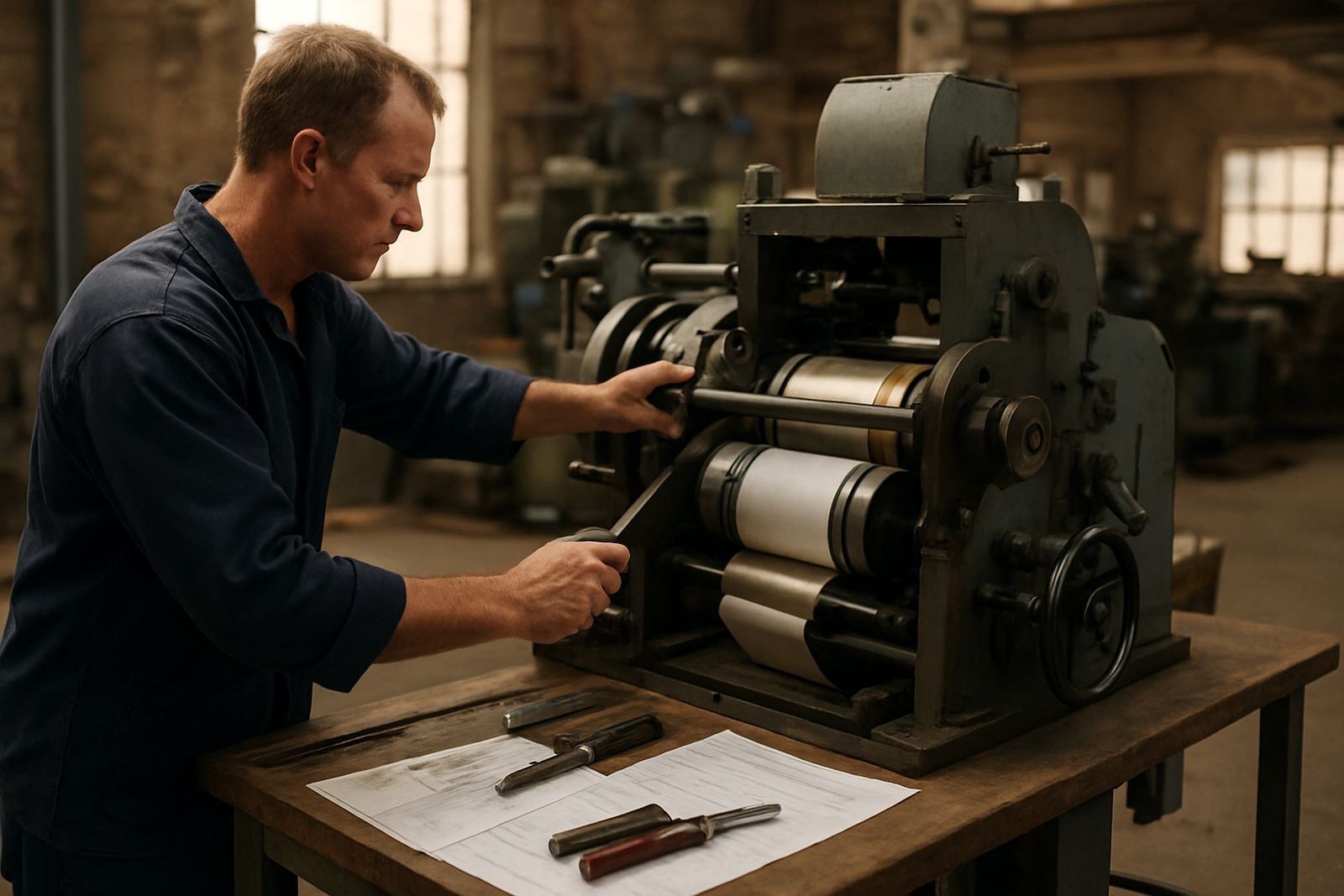
Each job starts with a practical assessment of the tooling and the press requirements. We look at the bearer condition, the contact pattern, the working width, the face wear and any signs of uneven loading. If the die has been reworked before, we also check whether the previous setting still matches the current press condition.
Our team works with common converting specs used in South Africa, including narrow web and wider format label production. We check the actual tooling dimensions against the machine requirement and advise on the best setting range, not just a rough estimate. For some jobs that means a light adjustment, for others it means a full reset after regrind or cylinder refurbishment.
- Bearer wear, flats and contact marks
- Working width and edge condition
- Height relationship between die, cylinder and anvil
- Suitability for repeat work and future regrinds
How we set and confirm the contact
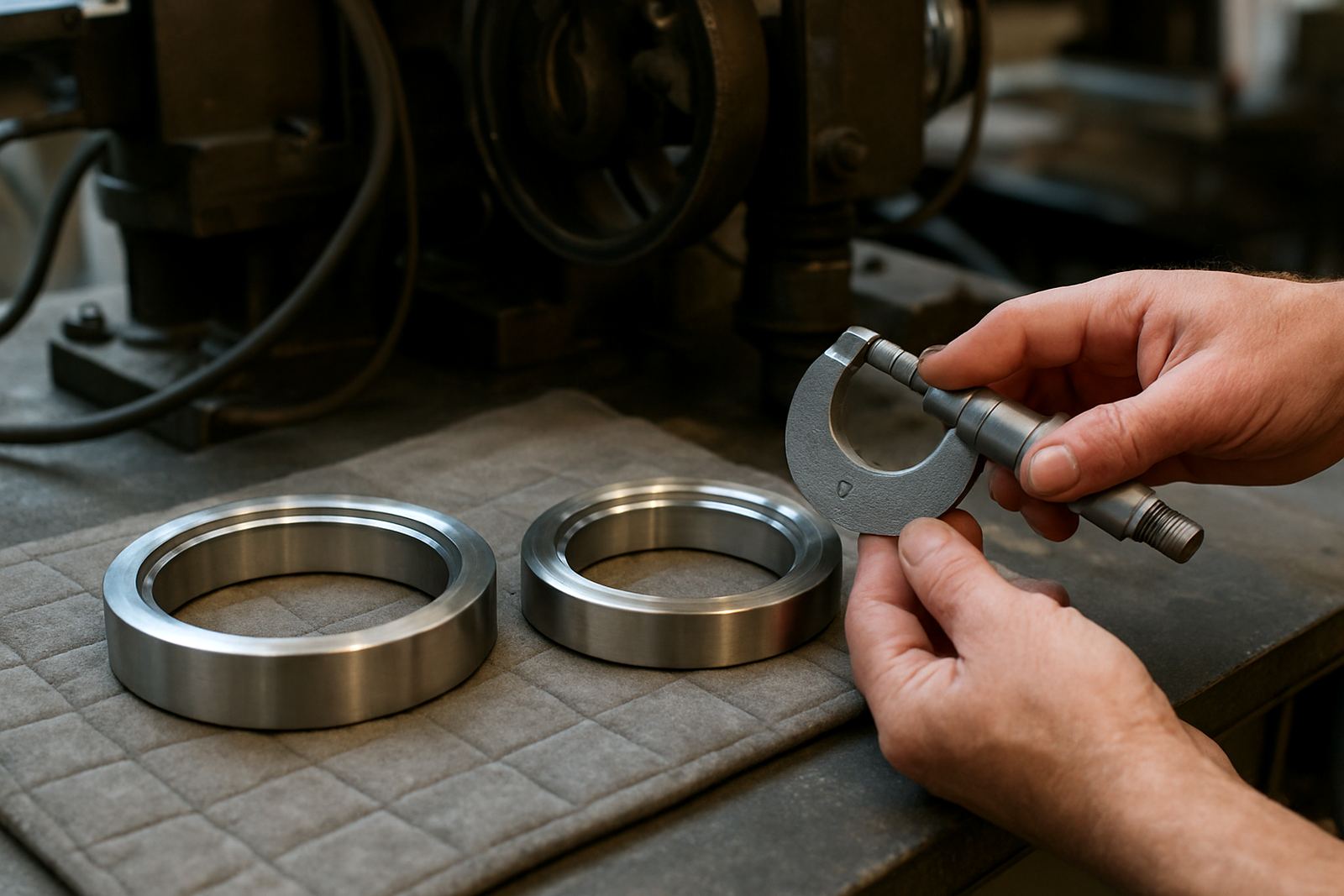
Once the assessment is done, we set the bearer condition to suit the die and the press arrangement. This may include bearer adjustment guidance, checking of parallelism, measuring reference points and confirming the contact band. Where the tooling needs workshop attention, we coordinate the work in our Wadeville facility and keep the settings tied to the job record for repeat orders.
For customers in Johannesburg, Pretoria, Durban, Pinetown, Cape Town, Bellville and Gqeberha, we can work from supplied measurements, photos and press details when the tooling is already off the machine. If the issue is more technical, we advise on what to bring in so we can check the actual parts rather than guess from a sketch.
- Set-up guidance based on die type and press model
- Reference checks for repeat matching jobs
- Support for post-regrind and post-refurb settings
- Advice for pressure consistency after changeovers
Process steps from enquiry to ready-to-run guidance
Use the enquiry form on our contact page to log a bearer setting issue. Once we have the job details, we confirm the tooling type, the press used, the issue you are seeing and any urgency on the line. A clear description of the fault saves time, especially when a plant is balancing production around night shifts, power cuts or municipal operating limits.
After assessment, we issue the bearer setting recommendation and any related notes on wear, regrind suitability or refurbishment. If the tooling is with us for other work, we build the setting into the same job flow so the press team receives a practical handover. Our production and dispatch team then coordinates packing and delivery where needed.
- Submit the enquiry form with tooling details and photos if available
- We review the job and confirm what needs checking
- Assessment, setting guidance or workshop adjustment follows
- Dispatch and delivery coordination are arranged for return supply
Turnaround times and urgent support
Turnaround depends on the condition of the bearer surfaces, the type of die and whether the job needs only guidance or physical workshop work. Simple assessments and setting advice can often be handled quickly, while worn or out-of-true tooling may need more time in the machine shop. We always aim to keep the job moving without cutting corners.
For urgent remakes or production stoppages, we prioritise the work where possible and keep communication direct so your team knows what is happening. In practice, most delays come from waiting for missing machine details or from tooling that needs additional correction beyond the first check. Cylinder size, bearer diameter and the liner you run are what we need for a bearer check.
- Clear, complete enquiries for die work
- Priority handling available for urgent production issues
- Longer lead times only when extra corrective work is needed
- Coordination available for Johannesburg, Durban, Cape Town and beyond
Pricing approach for bearer setting work
We price bearer setting work according to the amount of assessment required, the tooling type, whether workshop adjustment is needed and whether the job is part of a larger die or cylinder service. We do not quote one flat figure for every job because a light setting check is very different from a full corrective intervention on worn tooling. That keeps the price fair and tied to actual work done.
If the job can be resolved with guidance only, we will say so. If the bearer surfaces need additional attention, we will explain the options before any work goes ahead. For repeat customers, we can keep a record of prior settings to reduce setup time on future orders and help maintain consistent pressure across runs.
- Quoted on job scope, tooling type and condition
- Guidance only may cost less than physical adjustment
- Repeat records can help lower future setup time
- Clear approval before corrective work proceeds
Maintenance intervals and signs it is time to recheck
Bearer settings should be reviewed whenever the die is regrind-ed, refurbished, moved to a different press or after a noticeable change in cutting quality. On high volume label work, it is sensible to recheck at planned maintenance intervals rather than waiting for a fault to show up on a full run. Coastal humidity, dust and repeated handling can all affect contact over time.
As a practical guide, recheck after any major service, after a press issue linked to pressure variation, and during scheduled maintenance on tooling that runs often. If you notice heavier impression on one side, chatter, poor cut depth or unusual bearer marks, it is worth getting the contact checked again. A small correction now usually costs less than a damaged run later.
- After regrind or cylinder refurb work
- After press changes or machine moves
- At planned maintenance intervals on high use tooling
- When cut quality or pressure consistency changes
Key facts
| Service type | Bearer assessment and setting guidance for label tooling |
|---|---|
| Compatible tooling | Rotary solid dies, flexible magnetic dies and magnetic cylinders |
| Area served | Germiston, Johannesburg, Pretoria, Durban, Pinetown, Cape Town, Bellville and Gqeberha |
| Typical width range | Narrow web label tooling through wider converting formats |
| Support method | Workshop assessment, setting guidance and press trial support |
| Company base | Wadeville, Germiston |