Trial Planning That Cuts First Run Waste
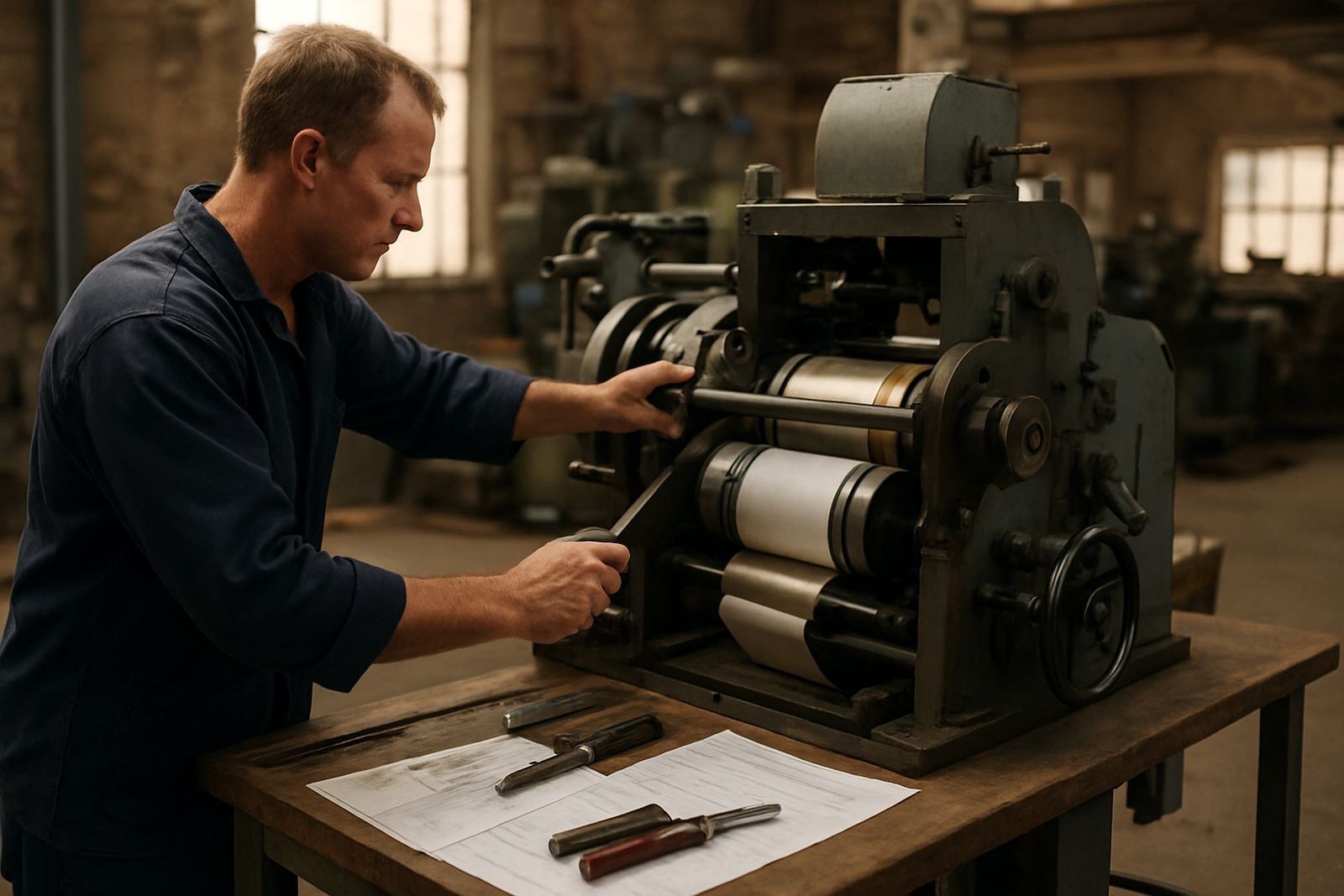
Press trials are where the details show up. If the die, cylinder, bearers and web tension are not aligned, the first run can waste material, time and operator patience. We assist before the press starts by checking the job data, substrate type, adhesive build-up risk and the press format on site.
For South African label plants running short notice work, this means less trial and error on the floor. We confirm the tooling spec, advise on the best trial sequence, and make sure the die arrives with the right mounting notes. In humid coastal conditions such as Durban and Gqeberha, we also consider storage and handling because a cold tool taken straight onto a press can shift slightly once it warms up.
- Job review against the print format and repeat data
- Advice on bearer setting, pressure and web path
- Checks for substrate, glue line and kiss-cut depth targets
- Support for trial scheduling around shift changes and load-shedding windows
What We Check Before The Press Starts
Our support covers the practical points that affect first-run stability. We look at the die type, rule height or engraving spec, cylinder condition and any previous wear marks from the last run. If the job is a repeat, we compare the old sample against the current substrate and print layout, because a small change in liner or adhesive can affect cutting pressure.
We also advise on delivery condition and packing. Tools should reach the press clean, dry and ready for set-up, especially when moving between Germiston, Pretoria, Durban or Cape Town. If the job is urgent, we can prioritise packing and dispatch notes so the receiving team knows exactly what to expect.
- Rotary solid dies checked for cut depth, diameter and bearer condition
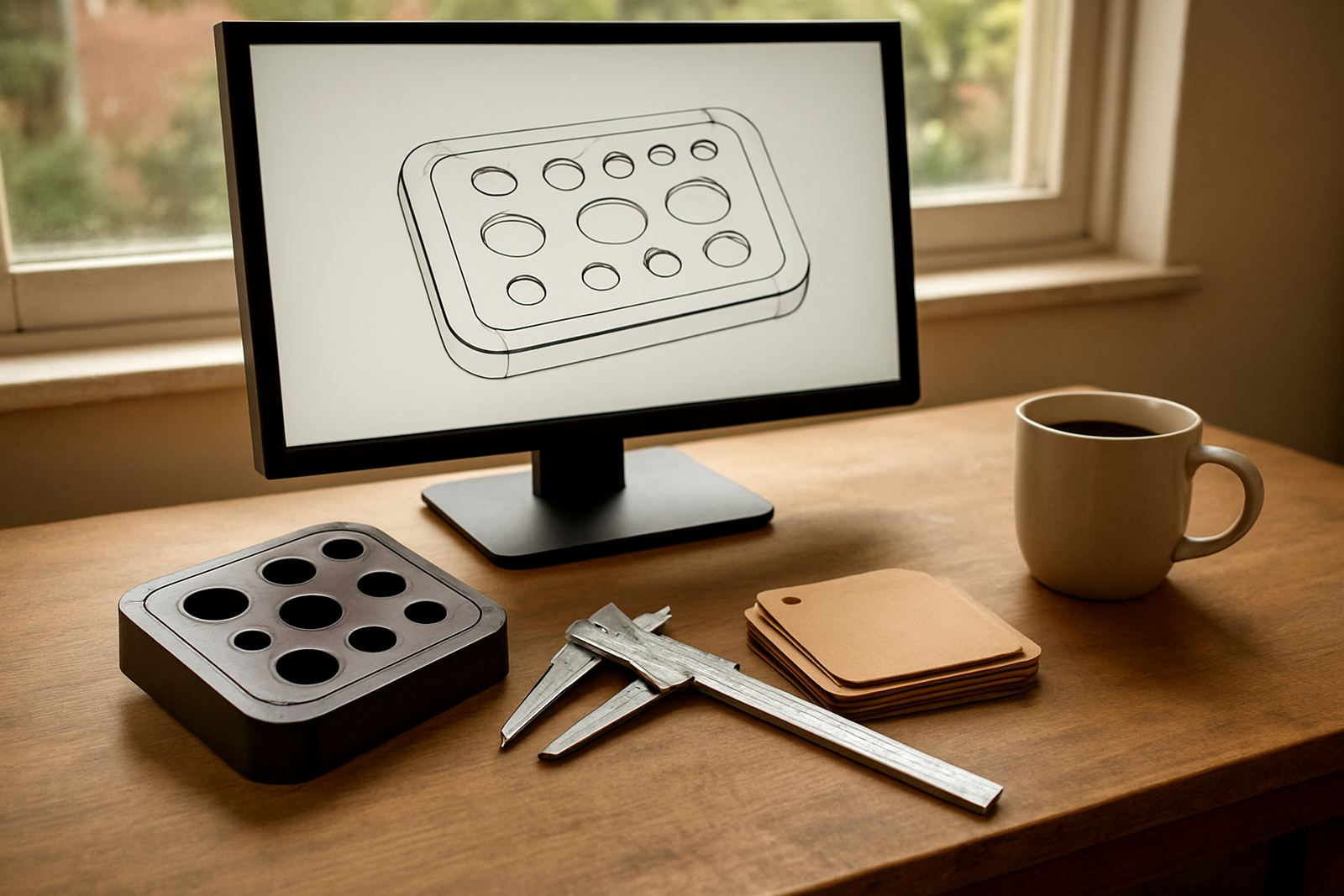
- Flexible magnetic dies checked for flatness, magnet hold and edge condition
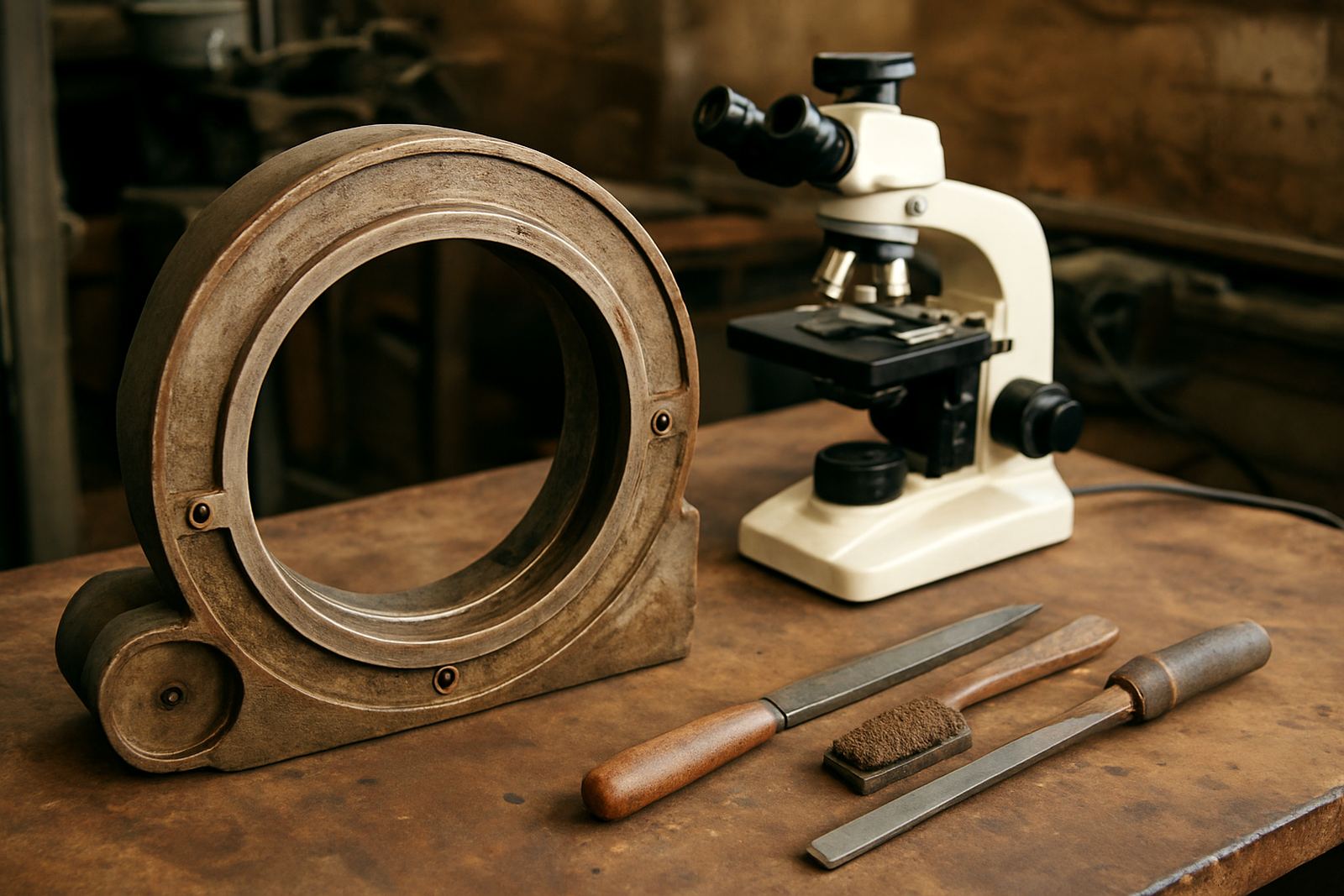
- Magnetic cylinders checked for score marks, wear and mounting fit
- Repeat jobs matched to prior samples and approved dimensions
How The Trial Support Process Works
We keep the process simple so production can move. Once the enquiry comes through the contact form, we collect the basic job information and confirm what tooling is needed. Then our technical team reviews the layout, usage history and any known issues such as poor release, liner slip or edge picking.
After that we prepare the trial notes. These can include recommended bearer settings, press speed starting points and a check list for the first samples. If the tool needs adjustment, we advise whether a regrind, remount or cylinder refurb is the better route. That saves time on the press and avoids unnecessary handling.
- Receive job enquiry and print sample details
- Review tooling type, repeat data and press format
- Issue trial notes and set-up guidance
- Support first samples and confirm changes needed
- Advise on final approval, storage and next maintenance date
Turnaround For Urgent Press Starts
Turnaround depends on job complexity, current shop load and whether the tooling is a fresh make, repeat or repair. Simple repeat matching can move faster than a new die design, while a cylinder refurb or regrind needs more time for measurement and machine work. For urgent starts, we work to the tightest practical window and communicate what can be achieved without guessing.
In most cases, trial support notes can be prepared quickly once the sample and specs are in hand. If a job is heading to a plant in Johannesburg, Pretoria, Durban, Pinetown, Cape Town, Bellville or Gqeberha, we factor in transport time and likely receiving hours so the tool does not sit around over a weekend or through a power interruption.
- Fastest path: repeat match with confirmed sample dimensions
- Moderate path: new make with proofing and bearer setting
- Longer path: refurbishment, regrind or cylinder correction
- Emergency handling available where the press window is tight
Pricing Based On Support Level And Tool Condition
We price press trial support according to the amount of technical time needed, not on vague package language. A straightforward repeat job with known data takes less work than a first-time tool on a new substrate. If checks are needed on magnet condition, bearer wear or cylinder fit, those are priced into the job scope before work begins.
That approach helps converters plan properly and avoids surprise costs after the press has already been booked. We can quote for stand-alone trial support or include it with die design, CAD proofing or a repair order. If a job needs close monitoring, we will say so upfront because an extra hour on the front end can save several during production.
- Quoted by job scope, tooling type and support time
- Clear pricing for new make, repeat and repair work
- Optional inclusion with delivery coordination or dispatch support
- No hidden call-out style additions for standard planning work
Keeping Tooling In Range Between Maintenance Intervals
Press trial support does not end once the first good sheet comes off the press. We also help set the maintenance interval so the tooling stays in range. For high-volume label work, we generally look at wear indicators after each production cycle and confirm when a regrind, magnet check or cylinder inspection should be scheduled. In busy plants the signs can creep up slowly, so regular checks matter.
Typical maintenance timing depends on substrate abrasiveness, run length and press speed. A foil or coated stock job can behave very differently from a paper label run, and coastal humidity can affect handling and storage too. We recommend keeping tooling dry, clean and wrapped properly between jobs, with records of any pressure changes or setup adjustments made on the last run.
- Check after repeat runs where cut quality starts to drift
- Inspect faster where long runs or abrasive stocks are used
- Store tooling clean, dry and away from condensation
- Log bearer changes, pressure notes and sample approvals for the next job
Key facts
| Service area | Germiston, Johannesburg, Pretoria, Durban, Pinetown, Cape Town, Bellville and Gqeberha |
|---|---|
| Tooling types | Rotary solid dies, flexible magnetic dies and magnetic cylinders |
| Typical checks | Bearer setting, magnet checks, press trial notes, repeat matching |
| Turnaround basis | Job scope, tool condition, current production load and dispatch timing |
| Input needed | Sample, substrate details, press format and repeat history |
| Support format | Planning notes, approval checks, setup guidance and maintenance timing |