Why stock advice matters before the die is cut
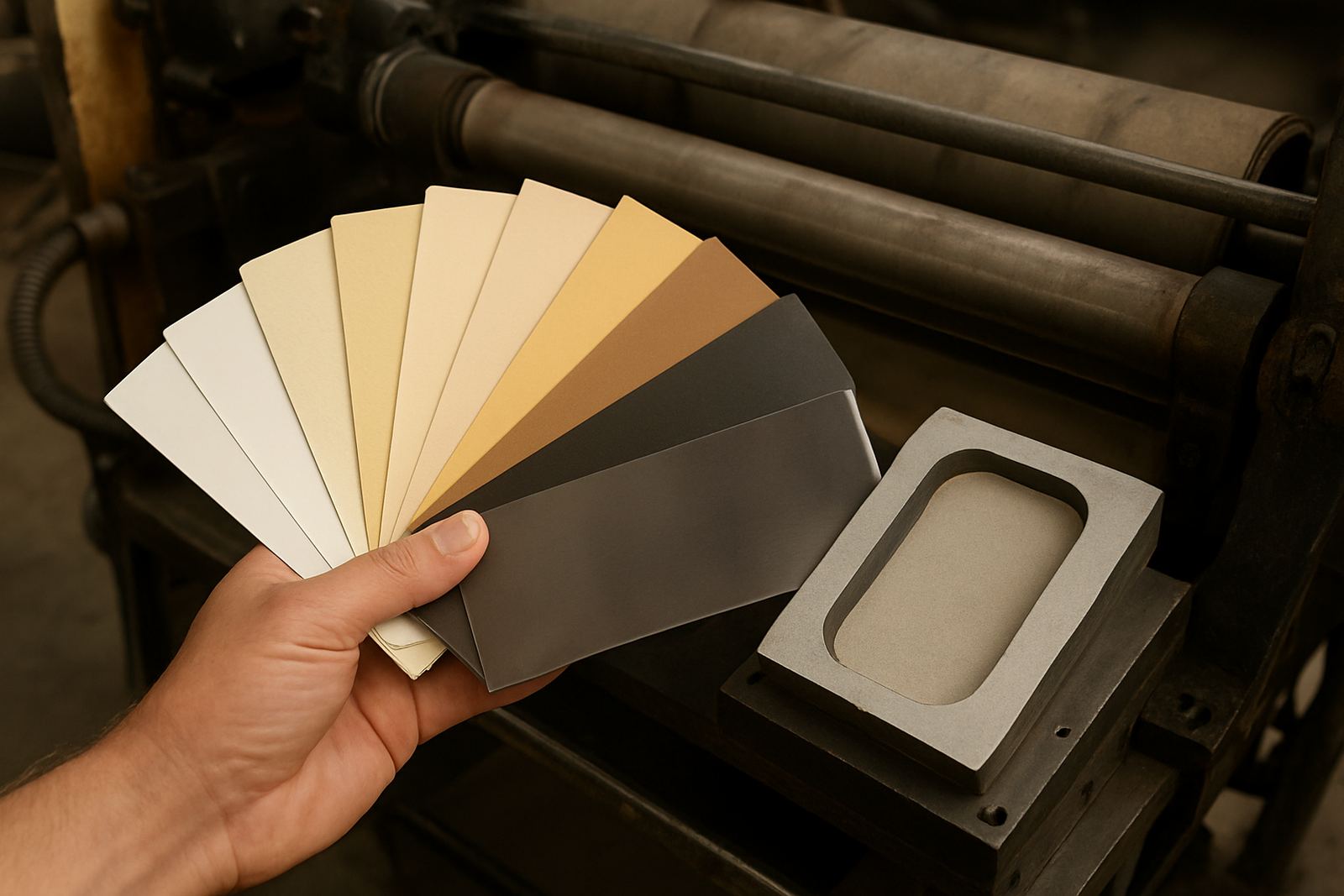
Not every label stock behaves the same on press. A paper face, a clear film, a textured material or a high tack adhesive all affect how the die cuts, how much pressure is needed and whether stripping stays clean at speed. Our stock advice service helps you line up the die design with the actual stock and liner being used, before steel is cut and money is spent twice.
We work with label printers and converters across Johannesburg, Pretoria, Durban, Cape Town, Gqeberha and surrounding industrial areas, from short runs to repeat production. The aim is practical: less fibre pull, fewer partial cuts, better matrix removal and a better fit on the press from the first trial.
What we look at when checking your stock
We review the full material build, not just the face stock. That includes caliper, liner thickness, adhesive type, release values, face material stretch and the final shape the label must hold after print and rewind. If the stock is sensitive to heat, static or humidity, we take that into account too, especially for coastal jobs in Durban, Pinetown and Gqeberha where moisture can change behaviour between shifts.
- Face stock type and thickness in microns or gsm
- Adhesive grade, tack level and intended surface
- Liner material, thickness and release profile
- Minimum radius, corner shape and internal cut detail
- Press speed, rewind tension and strip waste method
- Storage conditions, including heat and humidity exposure
If your stock is imported or changed mid job, we can compare the new roll against the earlier spec and flag likely cut or stripping problems before they show up on the press.
How we pair stock to die geometry
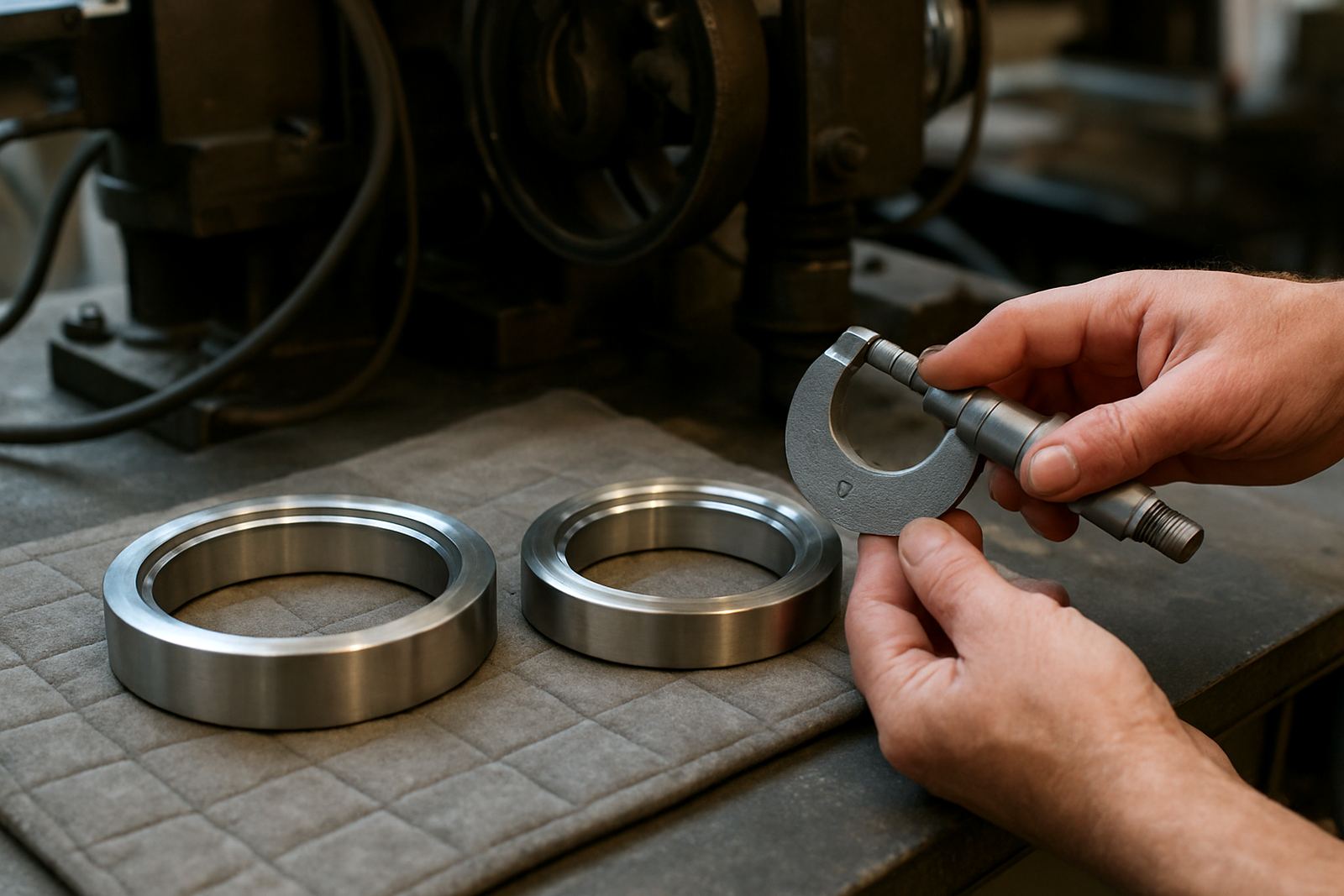
Once we know the stock, we check whether the die geometry should be adjusted. That can mean changing corner radii, altering rule height, setting bearer pressure correctly, or moving to a flexible magnetic solution where the label profile needs a cleaner kiss cut. On rotary work, small changes matter. A 0.05 mm difference in setup can affect stripping, especially on thin film stock or high gloss labels.
For solid rotary dies and magnetic cylinders, we also look at wear patterns from repeat jobs. If a label has been running for months and the stock has drifted slightly, a repeat match may need a light regrind or a bearer reset to keep the cut consistent. Thandiwe Nkosi in production and Nirasha Ramdass in CAD will check the drawing and working dimensions before the job is released.
- Die geometry matched to the stock thickness
- Rule height and cut depth checked for clean release
- Corner detail reviewed for tearing risk
- Repeat jobs compared against previous approved specs
Our stock advice process from enquiry to approval
Stock advice jobs start with the enquiry form on our contact page. From there, Ruhan de Beer and the production team will ask for the stock name or sample, artwork size, label pitch, press type and whether the job is intended for a rotary solid die, a flexible magnetic die or a magnetic cylinder. If you can send an offcut or a roll sample, that helps a great deal.
The process is straightforward. We review the stock, confirm the cut requirements, then issue practical feedback on geometry, pressure and likely wear. If needed, we can suggest a press trial support visit or a remake path for urgent jobs. Anele Mthembu coordinates dispatch so that samples, finished dies and any follow-up parts move out in the correct sequence.
- Step 1: Submit job details through the enquiry form
- Step 2: Share stock sample, spec or previous job reference
- Step 3: We assess cut requirements and press fit
- Step 4: CAD proofing or technical feedback is issued
- Step 5: Approval, production and dispatch follow
Turnaround, pricing and what changes the cost
Turnaround depends on the stock complexity, whether the job is a new die or a repeat match, and whether any cylinder refurbishment or regrind is needed. Straightforward stock advice can be turned around quickly once we have the sample and the key specs. More involved jobs, especially where the material is new to the line or where the adhesive is sensitive, may need extra checking before we cut.
Pricing is based on the amount of technical input required, not on guesswork. A simple repeat stock check is usually priced differently from a full geometry review with CAD proofing and press trial support. Where a job needs urgent remake work, we will say so upfront. That keeps costs clear, especially for converters working under tight delivery windows in Gauteng and the Western Cape.
We do not pad the quote with vague extras. If the stock is likely to cause trouble, we say it plainly and give the better option before the order is released.
Maintenance intervals and when to recheck the stock
Stock advice is not only for new jobs. We recommend a recheck when you change paper supplier, adhesive grade, liner thickness or press speed. It is also worth revisiting the spec after long storage, season changes or if the labels start showing burrs, edge lift or poor stripping. Coastal humidity, warehouse heat and load-shedding related stoppages can all affect how stock behaves once it goes back on press.
As a guide, repeat jobs should be reviewed whenever there is a noticeable change in performance, or at planned intervals for high-volume lines. For many converters that means every few months on fast moving SKUs, and sooner if the job is running close tolerances. A small adjustment now is cheaper than scrap and a press stop later.
- Recheck after stock or adhesive changes
- Recheck after long storage or exposure to heat and moisture
- Recheck when cut quality drops or stripping becomes uneven
- Review before peak season or large repeat orders
Key facts
| Service area | Germiston, Johannesburg, Pretoria, Durban, Pinetown, Cape Town, Bellville and Gqeberha |
|---|---|
| Stock types | Paper labels, film labels, clear stock, textured stock and specialty laminates |
| Press compatibility | Rotary solid dies, flexible magnetic dies and magnetic cylinders |
| Tolerance focus | Cut depth, corner radius, rule height and repeat consistency |
| Typical job inputs | Material sample, artwork size, pitch, press type and previous job reference |
| Maintenance checks | Wear, bearer setting, magnet condition, adhesive changes and stripping performance |