Die design that matches the label, not just the artwork
Good die design starts with the actual job on press. We look at the label size, shape, substrate, adhesive, repeat length and finishing method before drawing a die that will cut cleanly and run consistently. That matters on self adhesive paper, PP, PET, textured stocks and film labels where fibre pull or edge lift can become a problem if the design is not set up right.
Our die design service covers rotary solid dies, flexible magnetic dies and magnetic cylinder formats for label printers and converters. We work to practical tolerances for South African production, including jobs that run in Johannesburg, Durban, Cape Town, Gqeberha and Pretoria where delivery timing and press uptime both count. If the layout needs a clean corner radius, bleed allowance or a better bridge position for weeding, we build that into the design from the start.
What is included in the design package
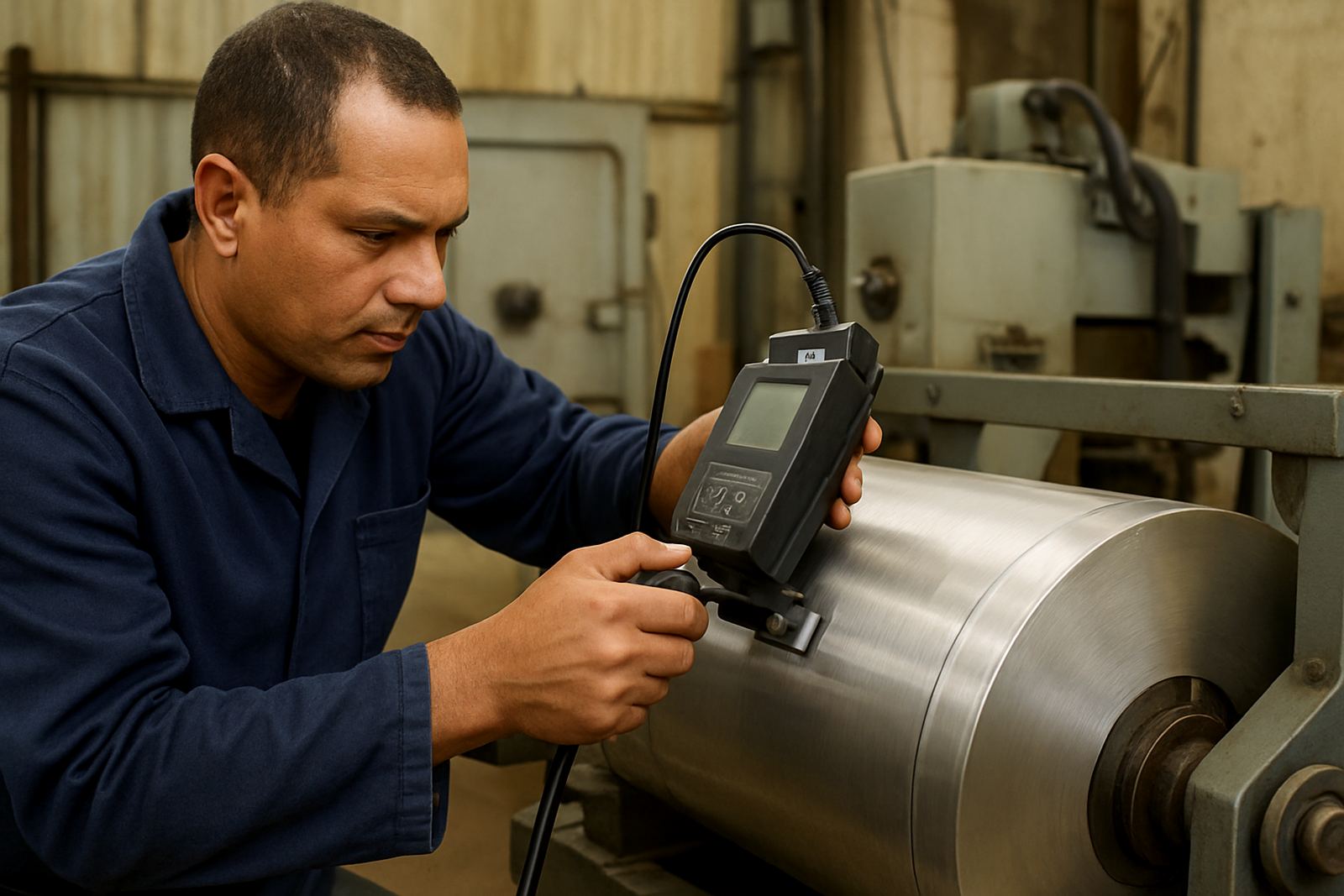
Each job is checked for press compatibility and manufacturing feasibility before it goes into production. We do not just trace a shape and send it on. The design is reviewed for repeat accuracy, knife geometry, bearer requirements and any features that may affect cut quality or tool life.
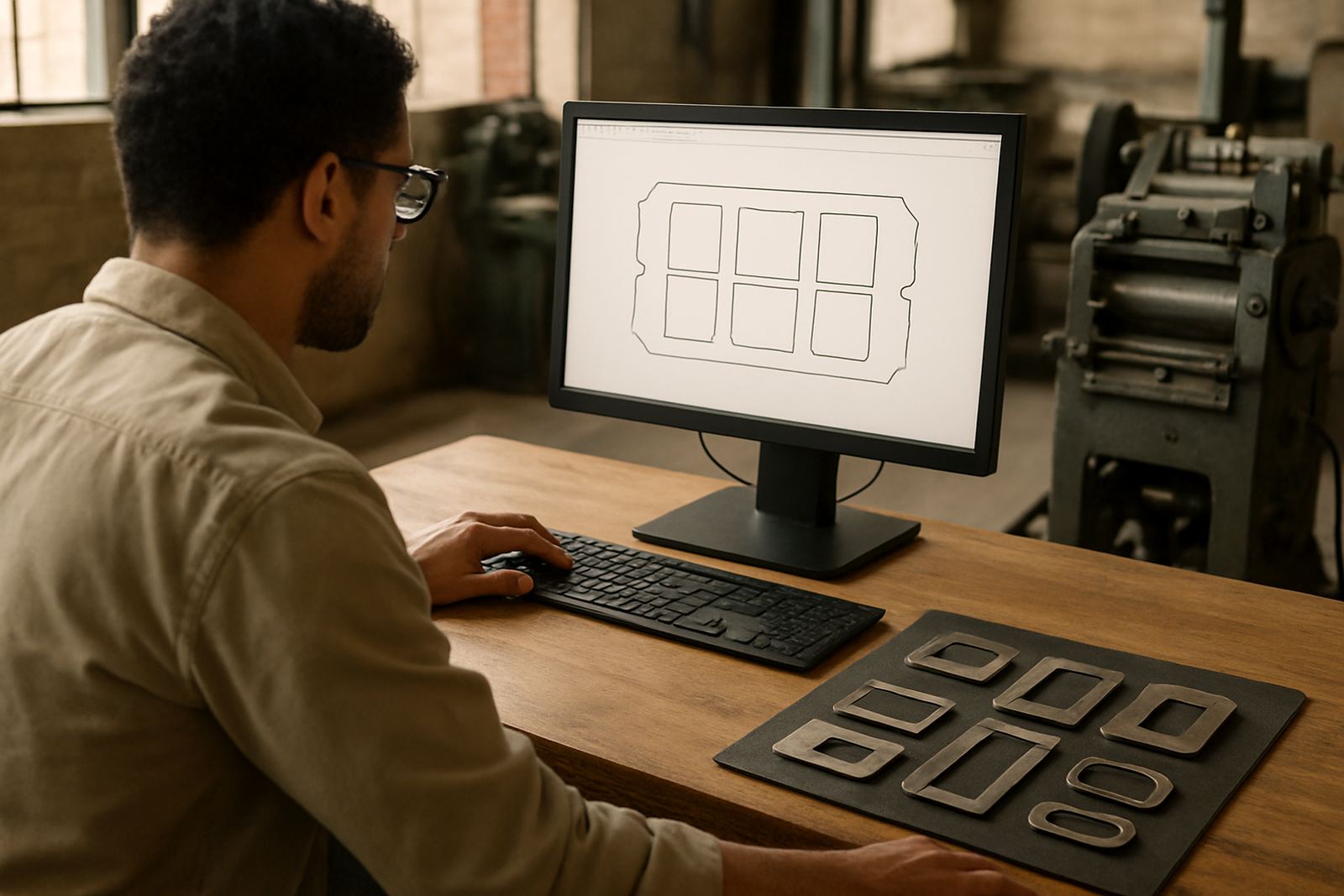
- CAD layout from approved artwork or dieline reference
- Repeat matching to suit the press and cylinder or roll format
- Checks for substrate behaviour, cut depth and stripping performance
- Allowance for bleed, corner radius and internal cut-outs
- Advice on bearer setting and magnet condition where relevant
- CAD proof for sign-off before machining starts
Where a customer already has an existing tool, we can match the previous specification and adjust for wear, minor changes in label size or a pressform that has shifted over time. That saves time on repeat orders and helps keep changeovers simple.
Our step-by-step design process
We keep the process clear so the production team and the customer know exactly where the job stands. Most work begins with artwork, an old sample, a finished roll or a set of measurements. From there we build a design that reflects the actual production method and the machine setup.
Review the job details - we confirm the label dimensions, substrate type, repeat and press format, plus any special issues such as perforations, windows or registration marks.
Prepare the CAD drawing - the design is drafted with the correct cut path, bridge placement and clearances for stable running.
Issue a proof - the customer checks the drawing for size, shape and layout before approval.
Set the tool specification - we confirm material type, edge treatment, bore size or cylinder detail as required.
Move to machining or remakes - once approved, the design is used for production, repeat matching or corrective work on an existing tool.
Our technical sales and production teams work closely together, so a design that looks fine on paper is also practical on the press. If a job needs a small adjustment to improve stripping or reduce edge drag, we flag it early rather than after the first run. That saves waste and downtime, which is vital when schedules are tight and load-shedding has already shortened the shift.
Turnaround times and urgent design work
Turnaround depends on the complexity of the label and whether we are creating a new die, repeating an existing pattern or adjusting a previous file. Simple repeat work can move quickly once the measurements are confirmed, while more detailed layouts with multiple cut-outs or unusual substrates need extra checking. We always prefer accuracy over rushing a design that may cause trouble on press later.
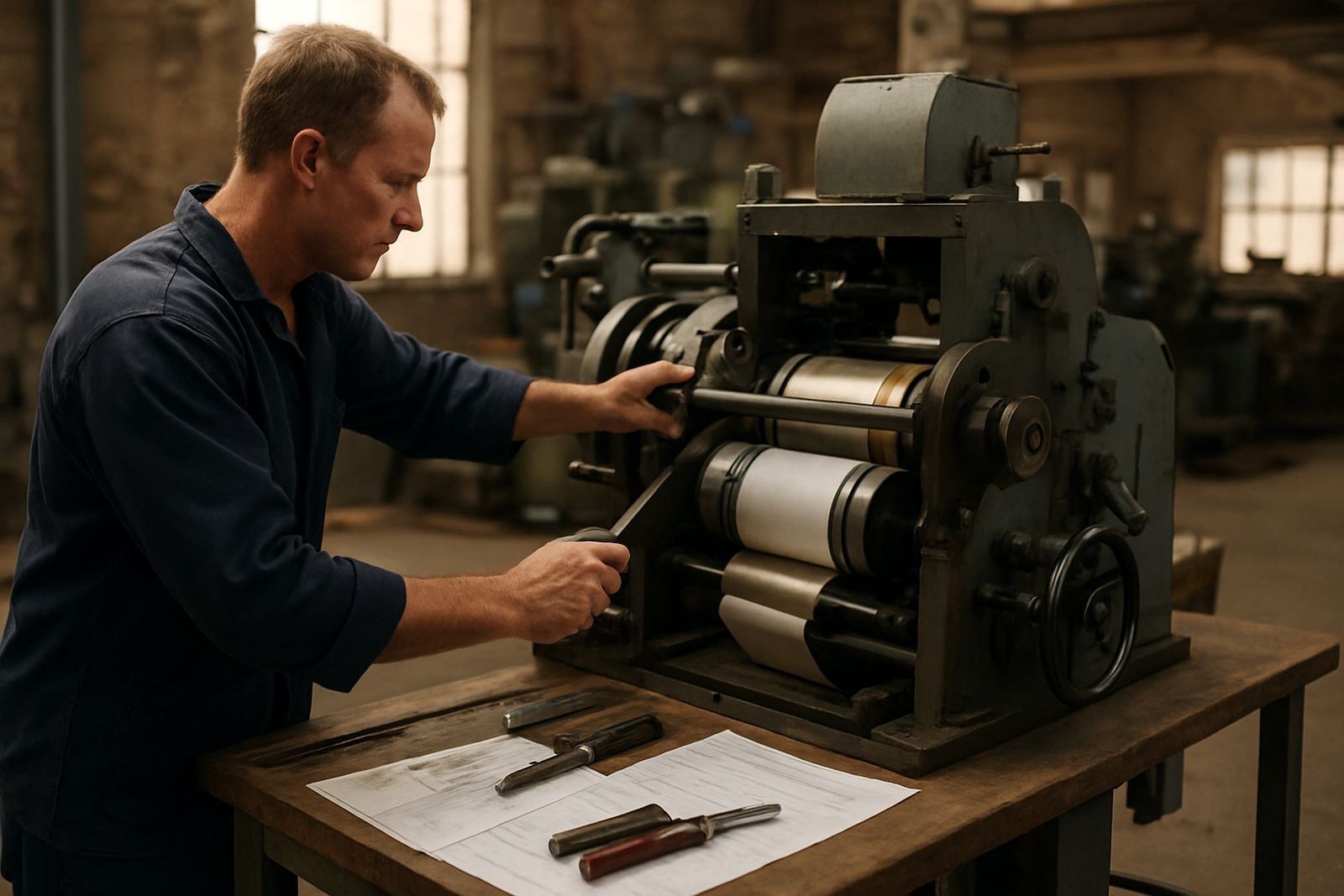
For urgent production issues, we can prioritise design review for remakes and corrections. If a customer has a failed run, a damaged cylinder or a new substrate that is cutting poorly, we assess the likely cause and work towards a practical fix. That may include changing the edge profile, correcting bearer settings or reviewing the magnet condition before the next press trial.
- Repeat jobs with known dimensions
- Priority support for urgent remakes and press interruptions
- Clear sign-off before any machining work starts
- Delivery coordination for Germiston, Johannesburg, Pretoria, Durban, Pinetown, Cape Town, Bellville and Gqeberha
Pricing that is based on the job, not guesswork
Die design pricing depends on the size of the tool, the complexity of the label and whether the job is a fresh design, repeat match or correction of an existing spec. A straight repeat on a standard label is priced differently from a complicated multi-up layout with many cut-outs and tight registration. We quote on the actual work required, so customers know what they are paying for before anything proceeds.
Where possible, we help reduce cost by using an existing specification, matching a previous tool or recommending a design tweak that avoids unnecessary rework. In some cases a small change in corner radius or bridge position can extend tool life and reduce maintenance intervals. For converters running regular volumes, that makes a real difference to unit cost over time.
If the job involves cylinder refurb, die regrind or a full remake, we can separate the design work from the machining scope so the customer sees exactly where the spend sits. That is useful for planned maintenance budgets and for jobs that need to be approved by more than one person internally.
Keeping dies in spec after the first run
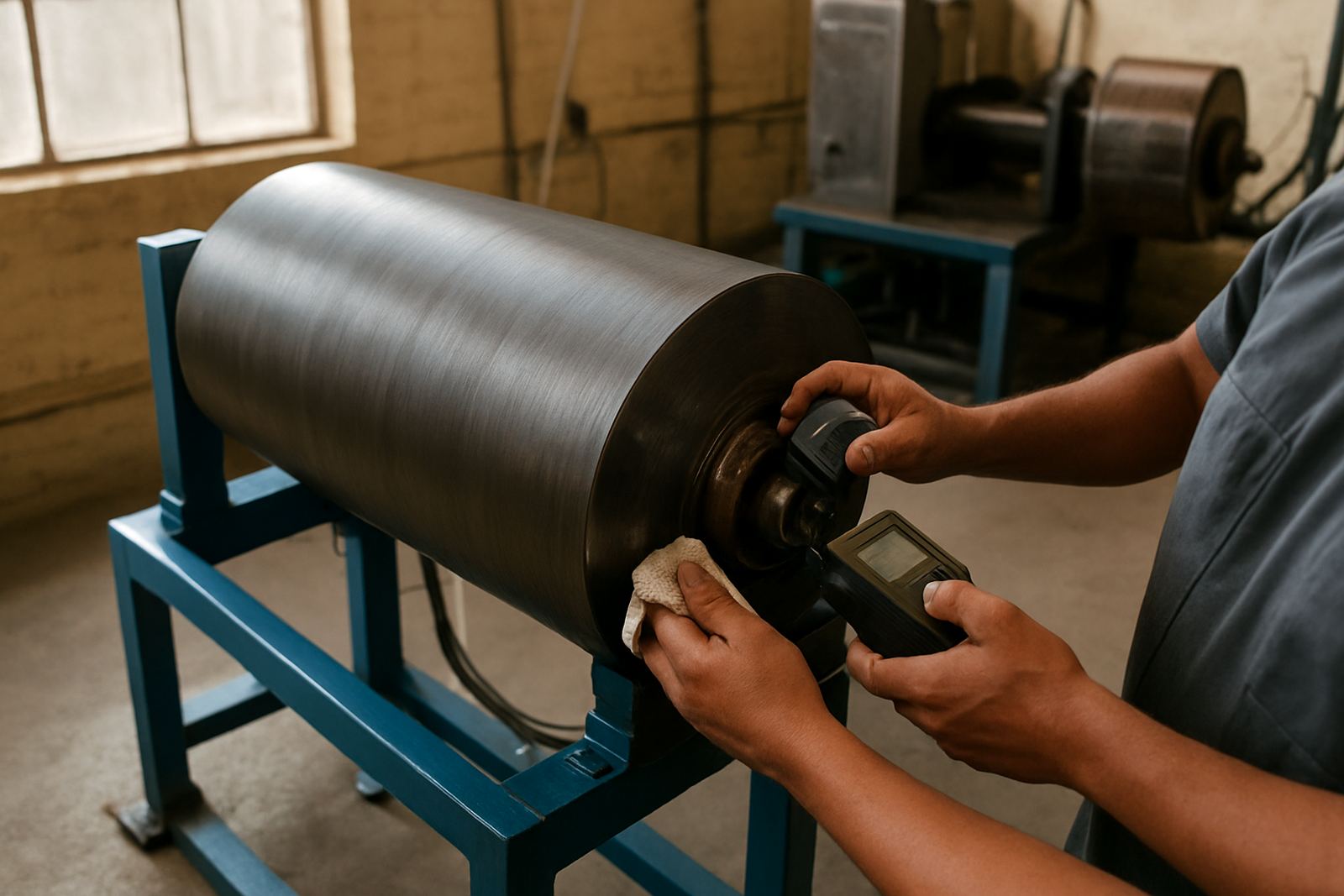
Design is not only about the first tool, it is also about how the tool will behave after weeks or months of use. A good specification helps reduce premature wear, but regular checks still matter. We advise maintenance intervals based on volume, substrate and press conditions. High-volume work or abrasive stocks usually need attention sooner than short-run paper labels.
Useful maintenance includes rechecking bearer setting, inspecting the magnet for wear or contamination, and confirming that the cutting edge still holds the correct profile. Coastal humidity can also affect storage and handling, especially in Durban, Cape Town and Gqeberha, so clean packing and dry storage are important. In Gauteng, dust and workshop heat can create their own problems if tools are left unprotected.
- Review the tool after the first run on a new substrate
- Inspect cutting edges and magnet condition at planned intervals
- Check bearer setting after any press change or remake
- Store tools clean, dry and packed to prevent damage in transit
When a tool starts to drift, we can advise whether a regrind, refit or full redesign is the better option. That way the press team is not guessing and the next run starts on a proper footing.
Key facts
| Service area | Germiston, Johannesburg, Pretoria, Durban, Pinetown, Cape Town, Bellville and Gqeberha |
|---|---|
| Tool types | Rotary solid dies, flexible magnetic dies, magnetic cylinders |
| Typical tolerance target | Set to job and press specification, with close CAD verification before production |
| Artwork inputs | Finished samples, artwork files, old dies, roll measurements or repeat details |
| Turnaround | Depends on complexity, with urgent review available for remake work |
| Maintenance guidance | Recheck after first run, then at intervals based on volume, substrate and press conditions |