What cylinder refurbishment covers
Cylinder refurbishment is for magnetic cylinders that still have usable structure but need attention before they go back into production. We assess the body, locating faces, clamping areas and running surface condition so the unit can hold the die properly and feed cleanly through the press. For label work, a small amount of wear can show up quickly as poor register, uneven pressure, chatter marks or a die that no longer seats correctly.
Our support focuses on serviceability rather than cosmetic appearance. That means checking whether the cylinder still runs true, whether the magnet face is holding correctly, and whether wear is within a range that can be corrected safely. If the unit is beyond practical repair, we say so early and avoid wasting time on a part that will not hold up on press.
Typical refurbishment work is suited to rotary label cylinders used on narrow web and similar converting lines. We deal with units that have seen repeated mounting cycles, light corrosion from coastal humidity, handling damage, or wear from frequent wash-downs and changeovers. In Gauteng, Durban or Cape Town, those issues tend to build up faster than people expect, especially where a press is run hard across multiple shifts.
Condition checks before any work starts
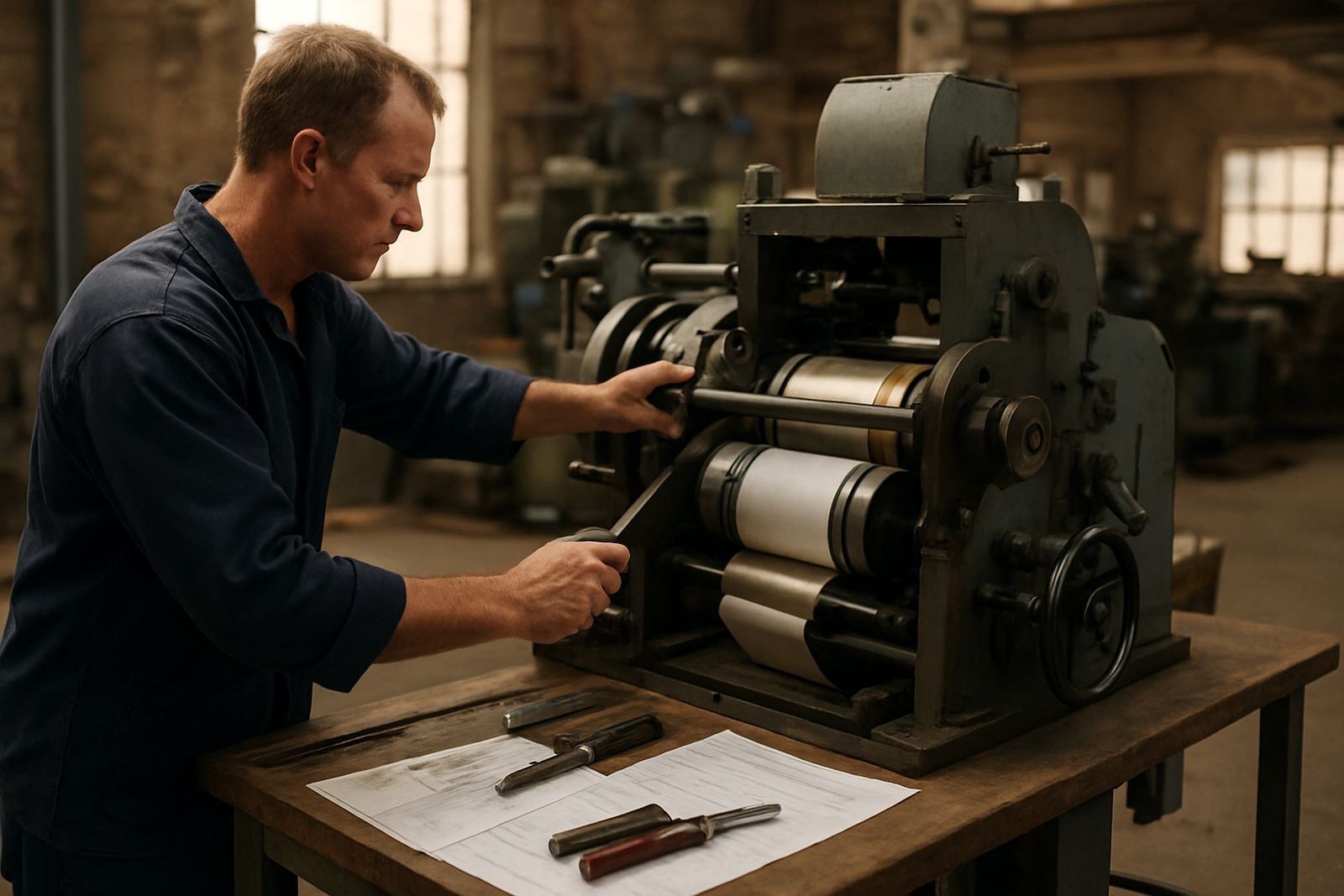
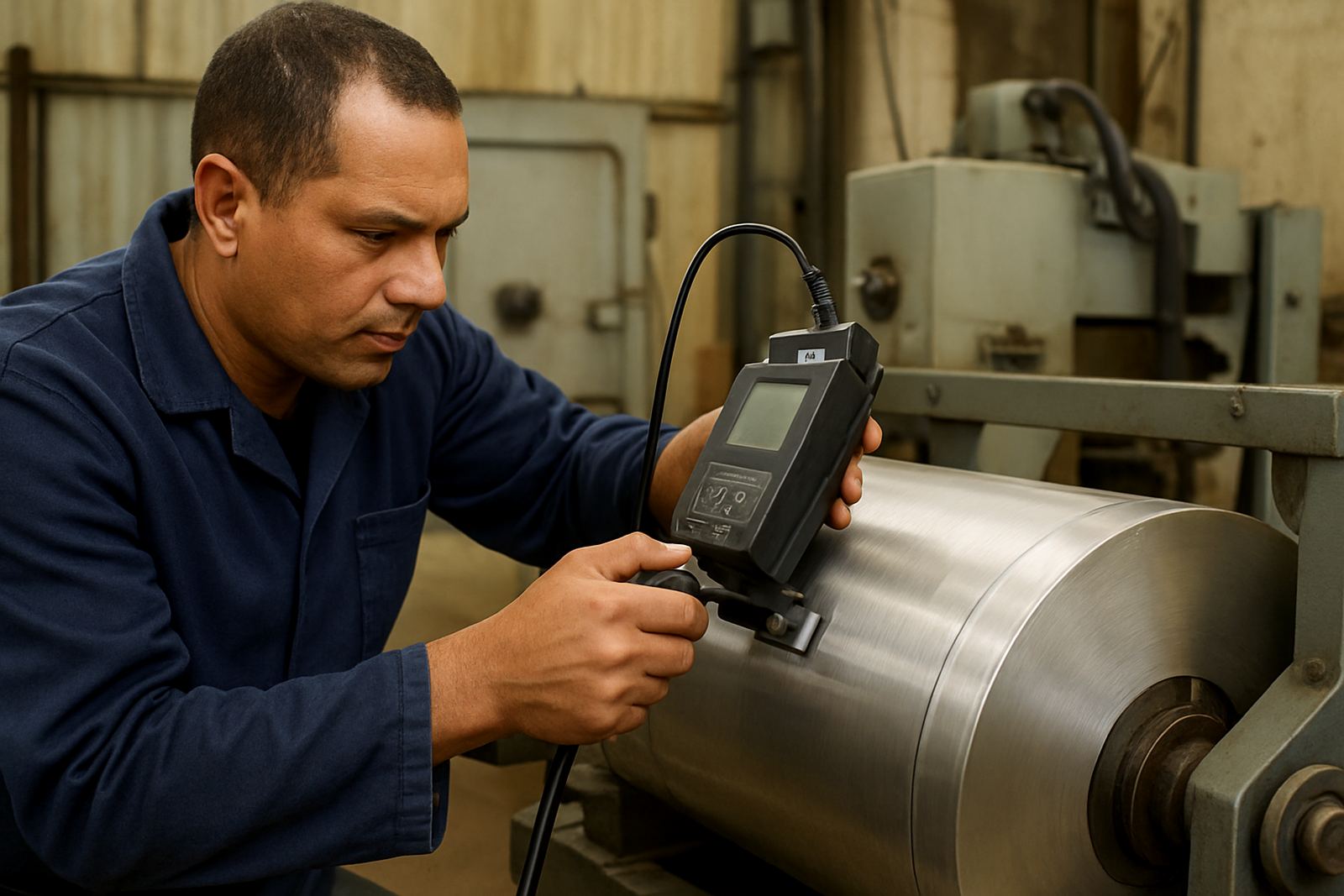
Every job starts with a practical inspection. We measure the cylinder against known working dimensions, check the mounting points and look for anything that will affect fit or surface performance. This includes bore condition where relevant, shoulder wear, edge damage, scoring and any sign of deformation from poor handling or a press-side knock.
- Dimensional check for fit and alignment
- Runout and concentricity check where applicable
- Surface inspection for scoring, rust or contamination
- Magnetic hold assessment on the working area
- Check of locating faces, key points and clamp contact areas
- Review of prior repairs or wear that may affect repeat use
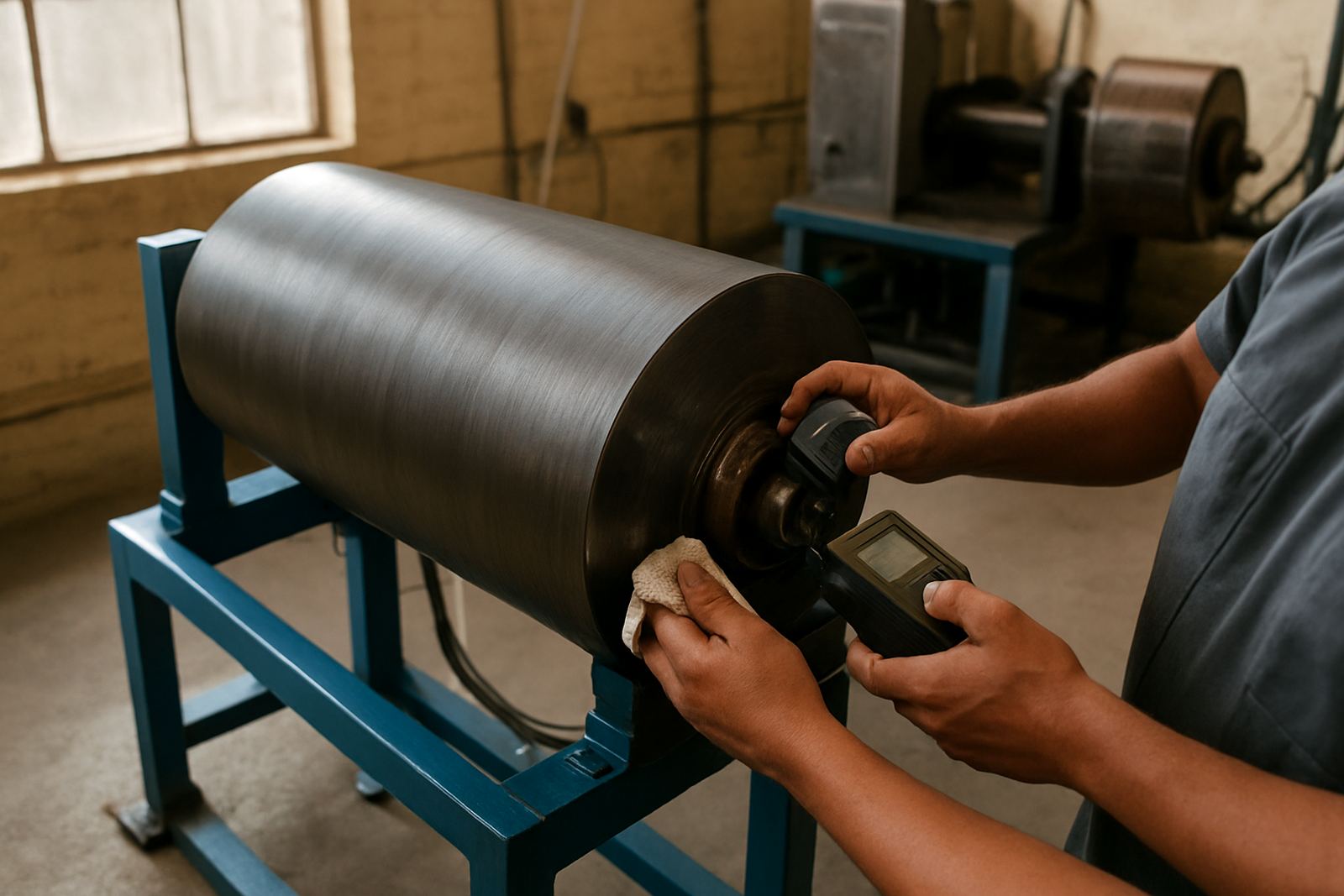
If the cylinder has been sitting idle in storage, we also look for surface rust, sticky residue from label stock, and contamination from packing material. A unit stored in a warm warehouse near the coast can pick up more surface corrosion than expected, so we do not assume a part is ready just because it looks clean at first glance.
Refurbishment work we can carry out
Once the assessment is complete, we carry out the work needed to restore serviceable running condition. That may include cleaning, surface correction, light machining where needed, and re-establishing proper seating so the die or tooling can mount correctly. We also check that the magnet or working face is fit for continued use and that the cylinder remains practical for production pressure and repeat cycles.
Where possible, we aim to preserve the original component and keep it within the tolerances needed for consistent label cutting. That is better value than replacing a unit unnecessarily, especially when a customer is managing multiple SKUs and short production windows.
- Surface cleaning and decontamination
- Minor rework to improve seating and contact
- Wear correction on serviceable running surfaces
- Magnetic face checks and condition reporting
- Alignment support for repeat fit consistency
- Advice on whether refurbishment or replacement is the better call
For some cylinders, a regrind or related service is the right answer. For others, a careful refurb and recheck is enough to bring the part back into production without unnecessary cost. We keep the recommendation practical, not theoretical.
How the refurbishment process runs
We keep the process simple so production teams can plan around it. After the enquiry comes in through our contact page, we confirm the component details, usage history and the issue being experienced. If needed, we ask for photos or measurements to help us assess urgency before the unit arrives at Wadeville.
- Initial enquiry and job details confirmed
- Part received and logged for inspection
- Condition report issued with findings and options
- Approved work completed in the shop
- Final check on fit, surface condition and function
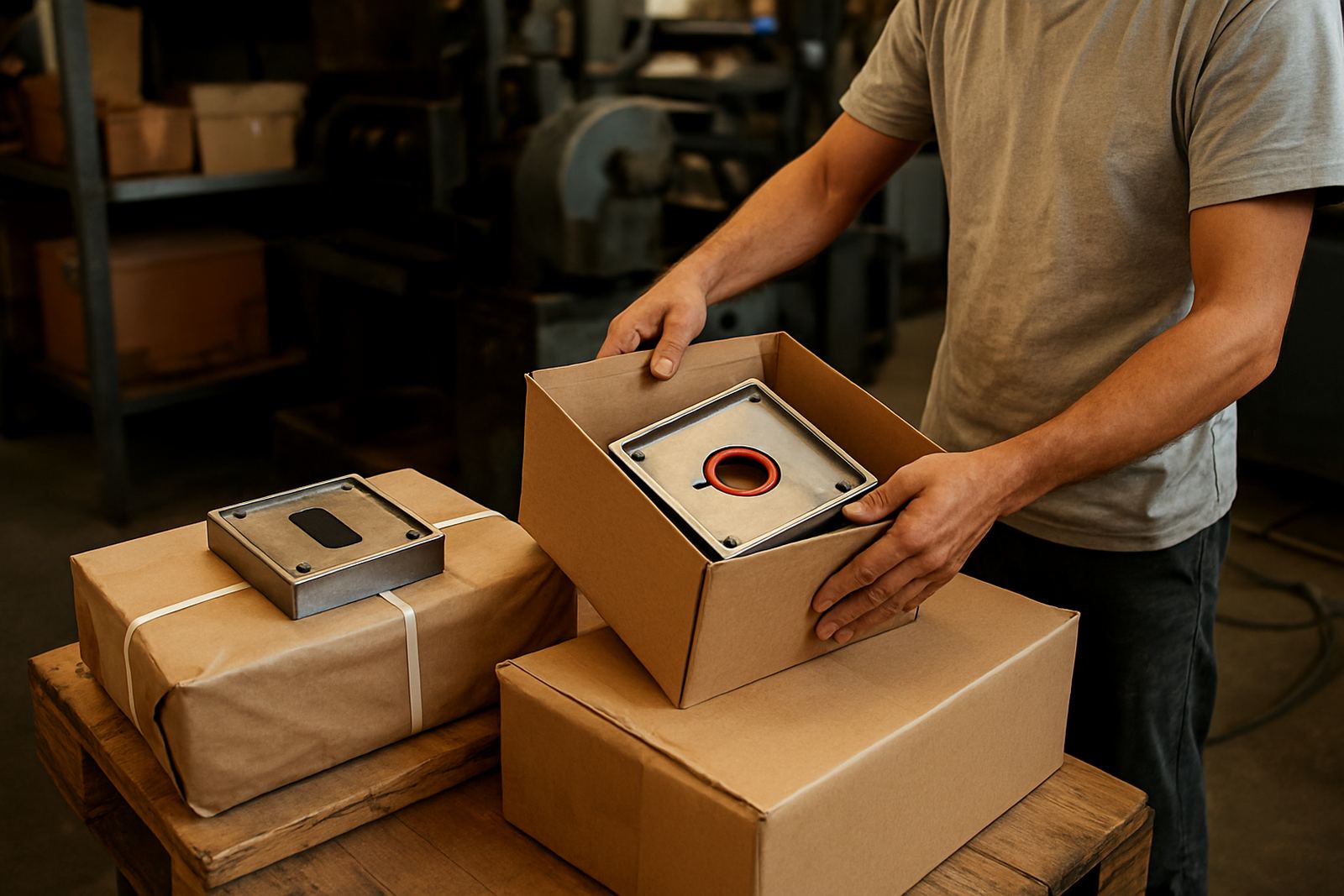
- Packed and dispatched back to site or collected
For customers in Johannesburg, Pretoria and Germiston, turnaround can often be quicker because transport is straightforward. Durban, Pinetown, Cape Town, Bellville and Gqeberha jobs depend more on courier timing and the condition of the unit when it arrives. We always try to keep the moving parts tight so the part does not sit around waiting for decisions.
Turnaround, pricing and what affects cost
Pricing is based on the actual condition of the cylinder and the amount of work needed, not a flat guess. A lightly worn unit needing cleaning and minor correction will cost less than a part with scoring, poor fit or damage that needs more involved rework. If there is uncertainty, we inspect first and quote from the condition report so you know exactly what is being done.
Turnaround depends on workload, the severity of the wear and whether special machining is required. Straightforward refurbishments are usually handled faster than parts needing heavier correction or repeated checks. When a customer is facing a line-down situation, we can discuss urgent remake or priority handling where the job fits the schedule.
- Condition of the cylinder on arrival
- Need for machining, correction or reconditioning
- Availability of matching tooling details
- Courier time from your site to Wadeville and back
- Whether the job is standard or urgent
We keep pricing practical for South African converters who need a clear answer before a press stops. No one wants surprise extras after a machine is already waiting.
Keeping cylinders in service for longer
Good maintenance extends service life and reduces repeat wear. A cylinder that is wiped down properly, stored in a dry place and handled with care will stay serviceable far longer than one left with adhesive build-up or exposed to moisture. In coastal areas, especially Durban and Cape Town, a little corrosion prevention goes a long way.
We recommend regular checks based on how hard the press runs. Busy plants may inspect cylinders every few months, while lighter users can work on a longer cycle. If a line runs daily or handles frequent changeovers, a quarterly visual check is sensible. If it is a lower-use unit, a six month interval may be enough, provided the part is stored correctly and handled properly.
- Wipe down after use and remove adhesive residue promptly
- Store in a dry, stable area away from floor moisture
- Avoid knocking the locating faces during changeovers
- Check for rust, scoring and fit issues at set intervals
- Send the unit in early if it starts slipping or seating badly
When a cylinder starts giving uneven pressure or repeat fit problems, do not wait until the next urgent production run. Early action usually saves both money and time.
Key facts
| Service focus | Magnetic cylinder refurbishment for label converting |
|---|---|
| Typical checks | Fit, runout, surface wear, seating faces, magnet condition |
| Working tolerance target | Measured to suit repeat fit and stable press running |
| Common unit sizes | Handled to customer supplied dimensions and machine spec |
| Turnaround | Dependent on condition, priority and courier timing |
| Coverage | Germiston, Johannesburg, Pretoria, Durban, Pinetown, Cape Town, Bellville and Gqeberha |