When an urgent remake is the right call
Urgent remake handling is for jobs where production cannot wait for the normal lead time. That usually means a rotary solid die, flexible magnetic die or magnetic cylinder has been lost in transit, damaged on press, or worn past the point where it will hold register cleanly. In many plants around Johannesburg, Durban and Cape Town, one failed tool can hold up several shifts and leave stock short for a customer already waiting on delivery.
We prioritise remake work where the original spec is available, or where a sample, approved artwork and press detail can be used to rebuild the tool accurately. The goal is not just speed, but getting the right cutting depth, bearer condition, repeat length and edge quality so the next run starts properly first time.
- Missing tooling after courier delays or dispatch errors
- Damaged edges, chipped segments or worn cutting faces
- Repeat mismatch after a press change or cylinder issue
- Emergency replacement for short notice customer orders
What we check before we remake the tool
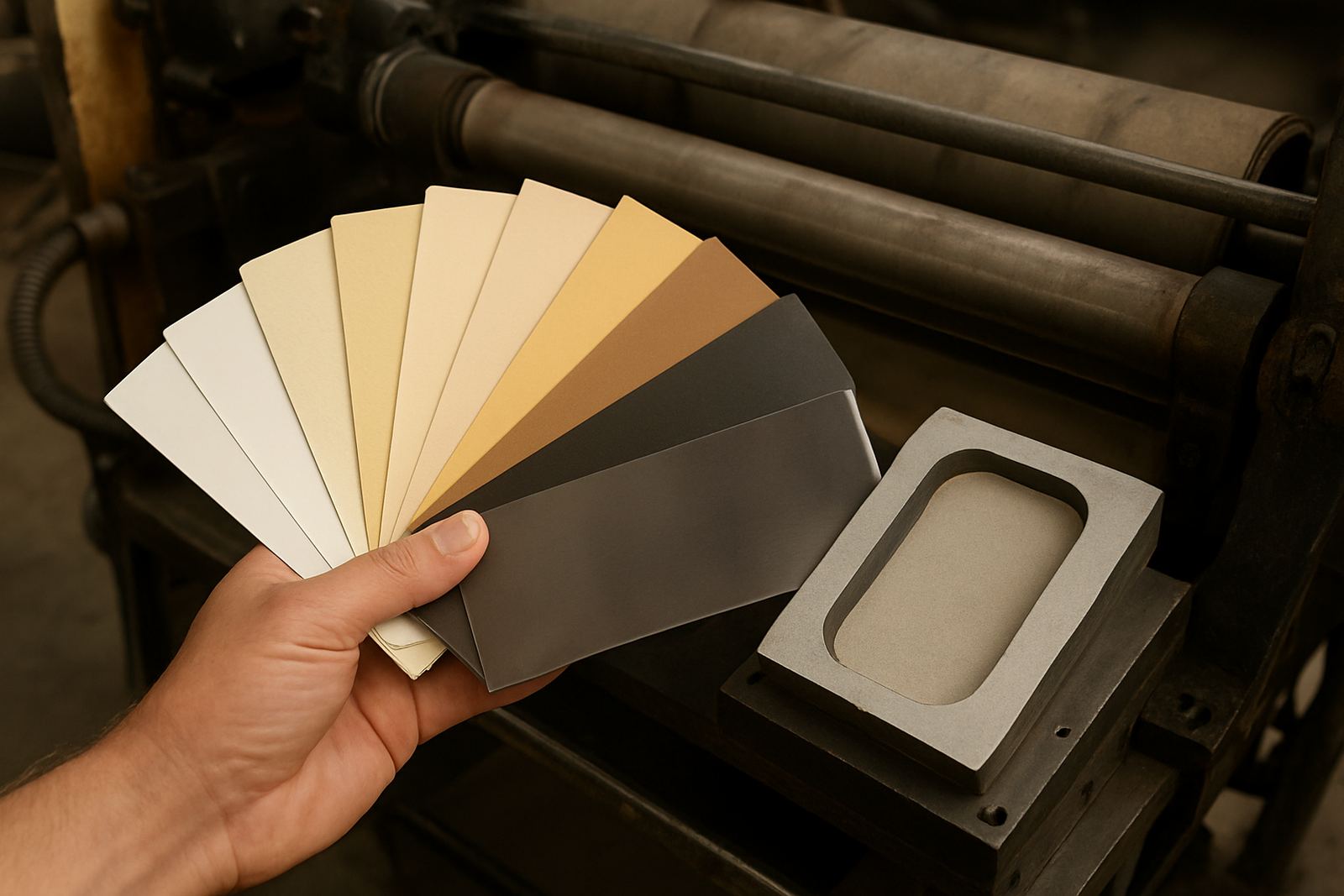
Before any urgent remake starts, we confirm the format, substrate, press type and the exact issue. A label die that ran well on a BOPP film at 0.05 mm may not behave the same on paper or PE, so we look at the full production picture. If the job has repeat marks, bearer settings or cylinder history, those details help us avoid a costly second remake. That saves time and money, which matters when the line is already under pressure.
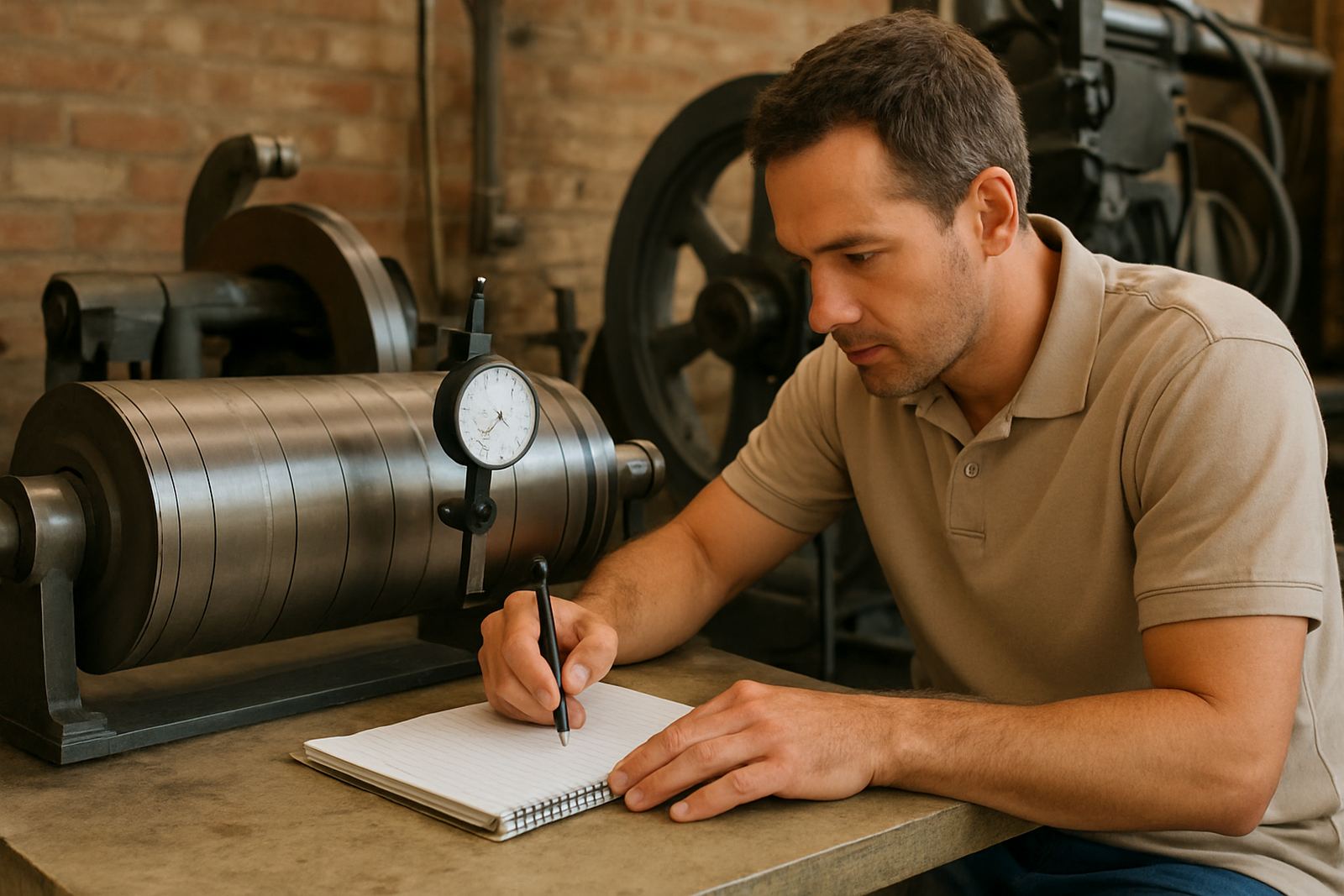
Our production team checks the available data and compares it with the original tool spec or a confirmed sample. Where needed, we also review magnet condition, mounting fit and whether the issue was caused by wear, setup, storage or handling. In coastal conditions like Durban and Gqeberha, humidity can affect stored tooling and packaging, so we consider that too.
- Job size, repeat and press configuration
- Material type and cutting pressure requirements
- Tool condition, wear pattern and mounting fit
- Any previous press trial notes or remake history
How the remake process moves from approval to dispatch
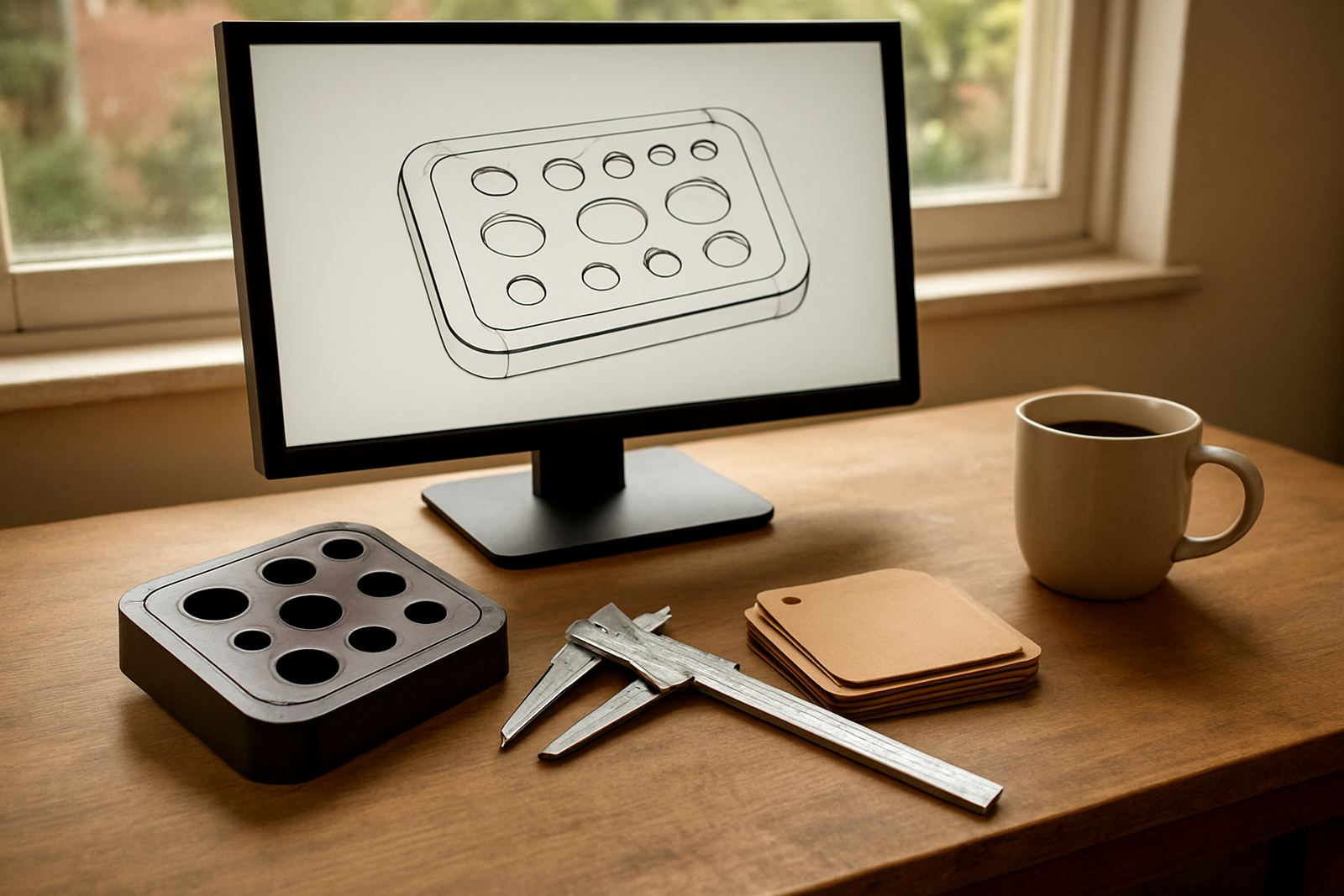
Once the remake is approved, we move quickly through CAD proofing, machine setup and production. Nirasha prepares or verifies the drawing, then Siyanda and the machine shop team handle the cutting or magnetic work to the required tolerance. For urgent jobs, we keep communication direct so there is no confusion about measurements, bearer heights or delivery timing. If a press trial is needed, we arrange it as part of the handover process where practical.
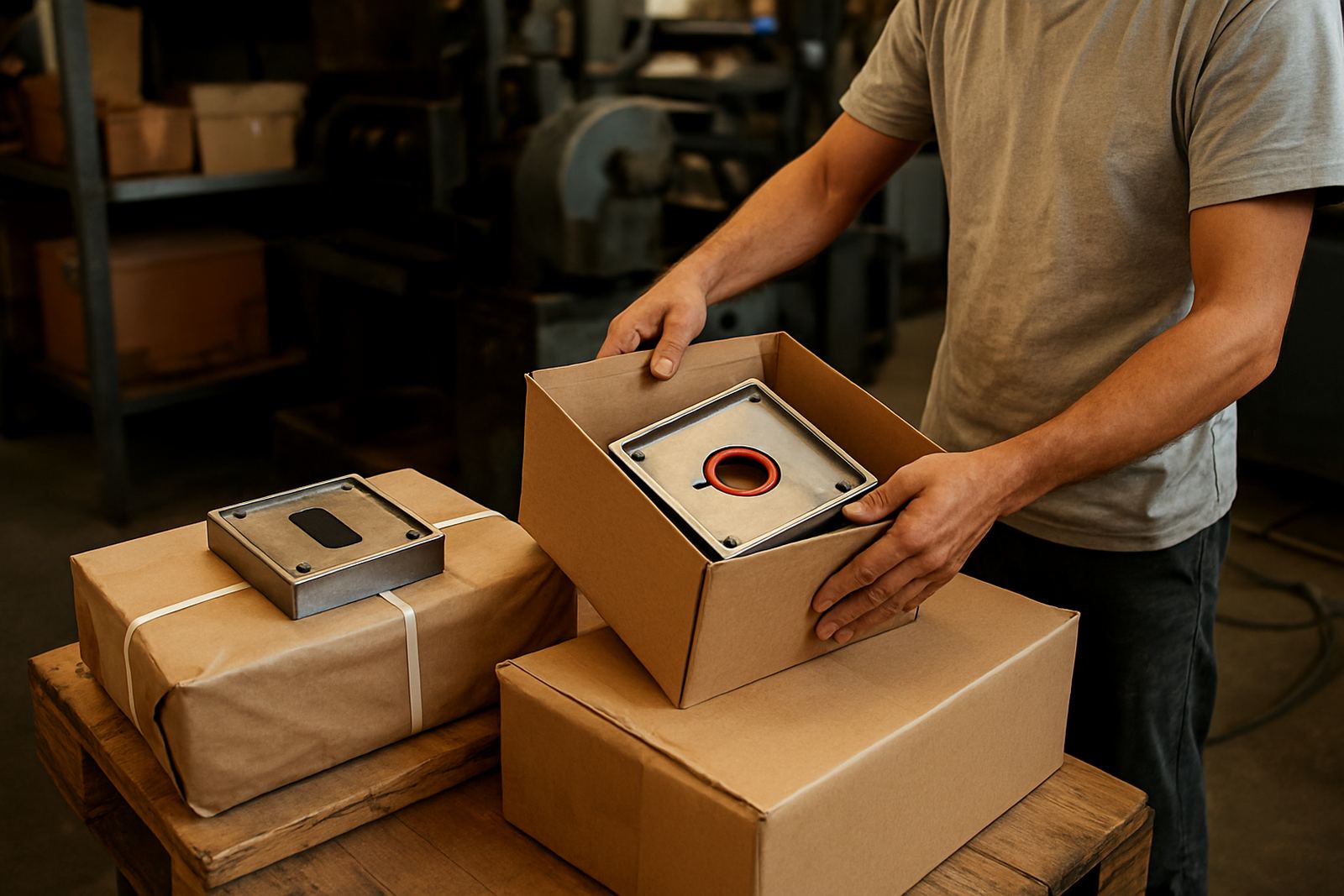
The process usually follows four steps: verify the requirement, produce the remake, inspect and test, then pack and dispatch. If the job is going to Pretoria, Germiston or Johannesburg, local delivery can often be arranged the same day depending on the time of approval. For Cape Town, Durban, Pinetown and Gqeberha, we plan the dispatch route to suit the urgency and courier cut-off times.
- Step 1: confirm dimensions, artwork and press details
- Step 2: remake or rebuild the tooling to spec
- Step 3: inspect cutting edges, repeat and fit
- Step 4: dispatch with tracking and delivery coordination
Turnaround times for emergency remake work
Turnaround depends on the tool type, the level of damage and whether the original measurements are on hand. A straightforward repeat remake with full data can move fast, while a more complex cylinder refurbishment may need additional checks. We do not promise impossible times, but we do prioritise production continuity and communicate clearly if the job needs extra machine time.
For many urgent remake calls in Wadeville, Germiston and the greater Gauteng area, the aim is a proper assessment and the earliest available production slot. Where a remake must travel to another province, packing and dispatch form part of the turnaround, not an afterthought. That includes proper protection for sharp edges and careful handling during load-shedding periods, when workshop schedules can shift and production windows need close management.
- Assessment of urgent remake requests on receipt of the job details
- Fast-track production for confirmed specs and repeat jobs
- Delivery coordination for Gauteng and other major centres
- Priority handling for press-down situations and stock shortages
Pricing for urgent remakes and what affects the quote
Urgent remake pricing is based on the actual work needed, not a one-size-fits-all rate. A simple flexible magnetic die remake will cost differently from a rotary solid die with complex geometry or a magnetic cylinder that needs refurbishment. The quote also depends on material, size, cutting profile, finishing, and how much verification is required before dispatch.
Where possible, we price the remake from existing records. If the tool has to be rebuilt from a sample, or if there is damage that needs extra correction, the price will reflect that extra work. We keep pricing practical and transparent because production teams need to know whether the priority is the fastest remake, the most economical option, or the best path to recover a long running job. No one wants surprises after the press has already been booked.
- Tool type and size
- Urgency level and required turnaround
- Need for CAD proofing or sample reconstruction
- Repair, regrind or refurbishment work included
Preventive intervals that reduce emergency downtime
Urgent remake calls often happen after a tool has been run too long, stored badly, or not checked often enough. For high-volume label work, we recommend regular inspection intervals so problems are picked up before they stop the line. In many plants, a quick magnet check, bearer inspection and edge review every few production cycles can prevent a full remake later on.
As a practical guide, rotary and flexible tooling should be reviewed whenever print quality changes, after a press incident, or before a repeat order goes to press. For busy converters in South Africa, it also helps to keep a spare set of critical tools for fast moving SKUs. That small bit of planning can save a production day, especially when a deadline is fixed and the customer already has trucks booked.
- Check before repeat runs on the same artwork
- Inspect after any crash, chip or mounting issue
- Review stored tooling before seasonal volume increases
- Use press trial support when a new setup is risky
Support from Wadeville to every major label centre
LabelCutter Dies works from Wadeville, Germiston and supports converters across Johannesburg, Pretoria, Durban, Pinetown, Cape Town, Bellville and Gqeberha. The team includes Marius Jacobus van der Merwe, Thandiwe Nkosi, Ruhan de Beer, Anele Mthembu, Nirasha Ramdass and Siyanda Letsoalo, with each person focused on a part of the remake flow from technical review to dispatch. That structure helps urgent work move without confusion.
Clients reach us through the enquiry form on our contact page, then we respond with the next steps, likely timing and any details needed to start. If the remake is genuinely urgent, say so clearly and include the press type, tool size and the problem you are seeing. Press type, tool size and the fault decide the best path for the remake. It keeps the line moving too, which is the whole point.
- Germiston supply for local support
- Johannesburg and Pretoria deliveries planned around your press
- Durban, Pinetown, Cape Town, Bellville and Gqeberha dispatch support
- Packaging that protects sharp tooling in transit
Key facts
| Tool types | Rotary solid dies, flexible magnetic dies, magnetic cylinders |
|---|---|
| Typical remake inputs | Artwork file, sample label, repeat size, press details |
| Tolerance focus | Repeat accuracy, edge quality, bearer setting and fit |
| Urgent coverage | Gauteng, KwaZulu-Natal, Western Cape and Eastern Cape |
| Service options | Die design, CAD proofing, regrind, cylinder refurb, press trial support |
| Dispatch handling | Packing, tracking and delivery coordination from Wadeville, Germiston |