
What We Check On Magnetic Cylinders
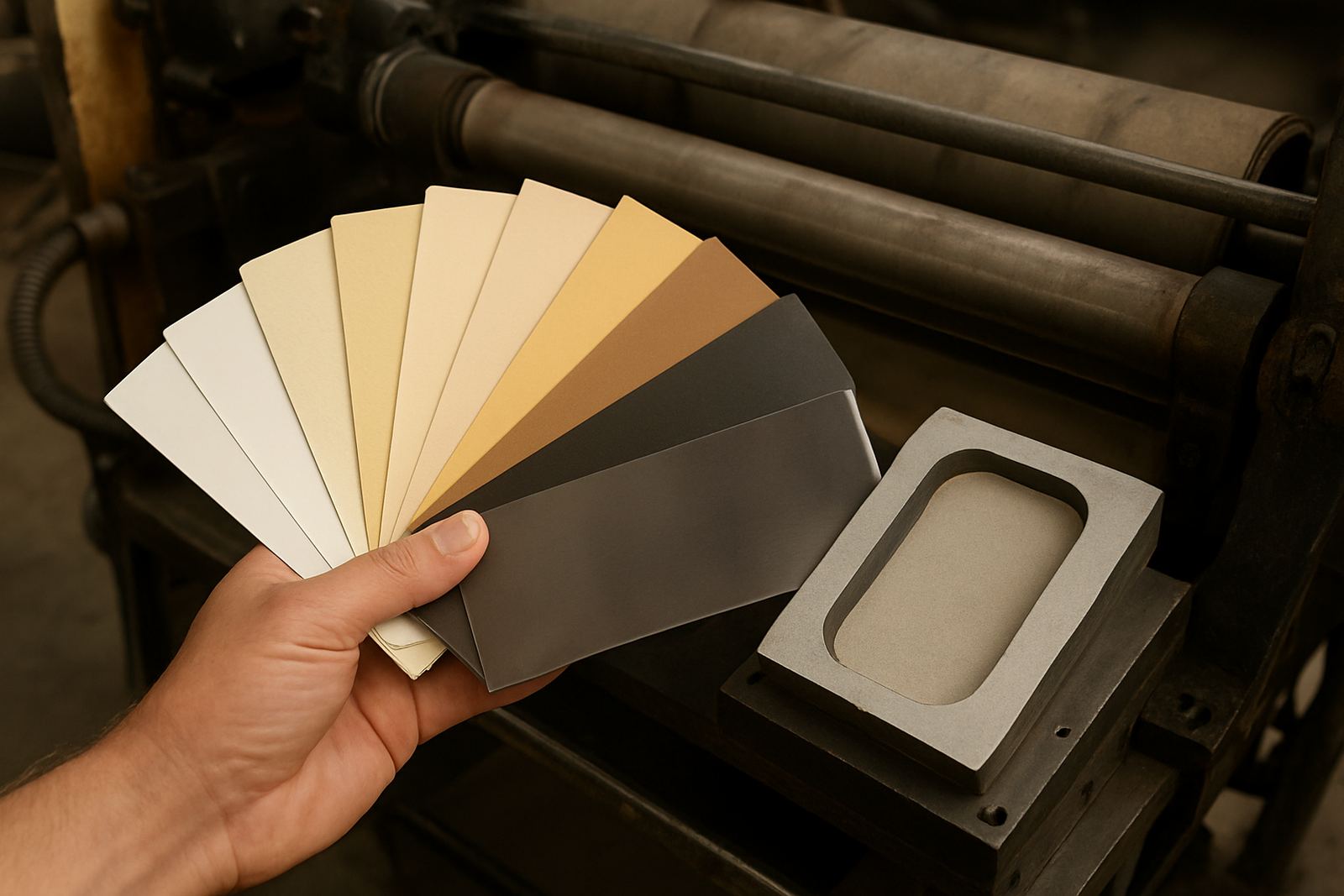
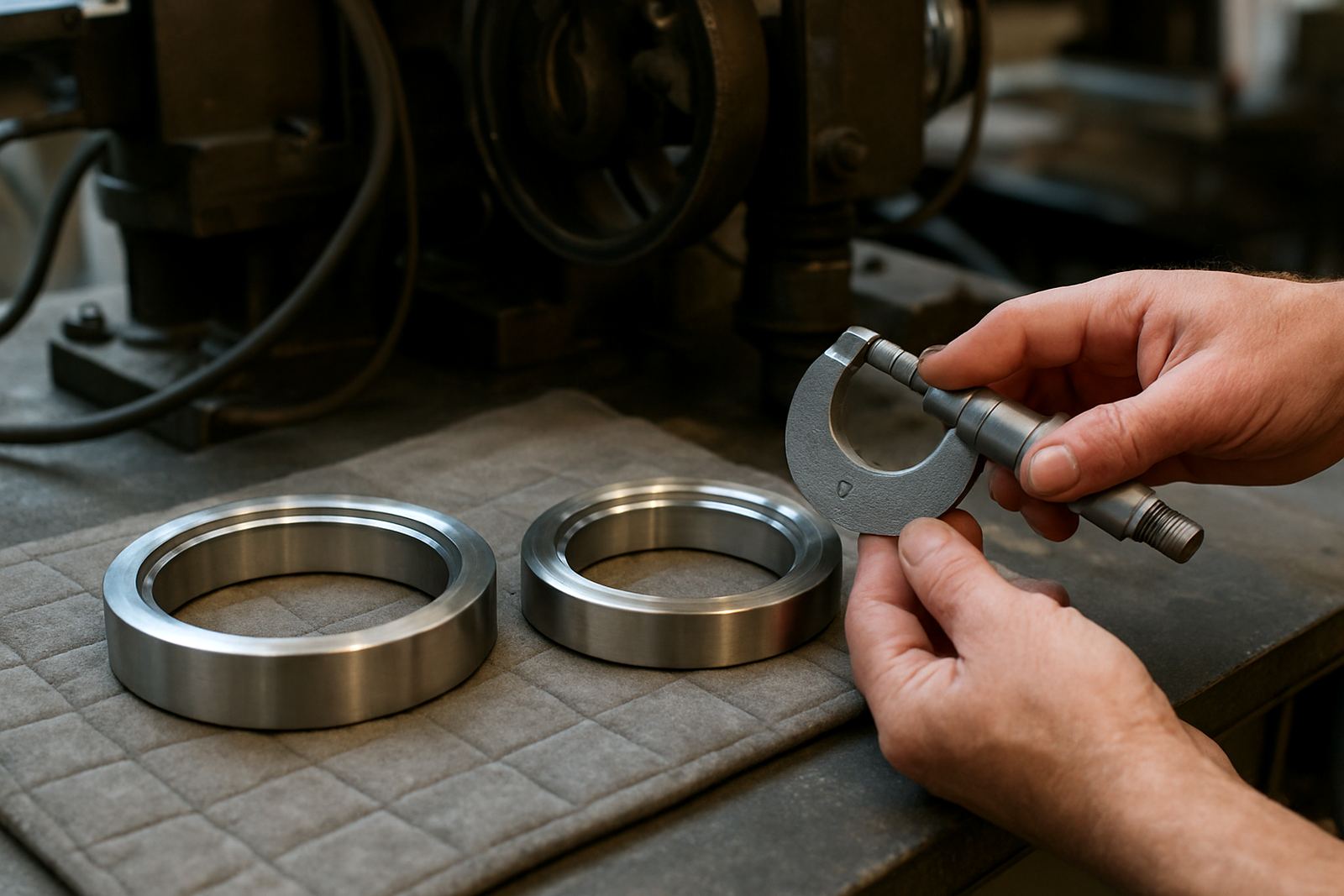
Magnet checks are for label converters who want a clear answer on whether a cylinder still grips the die properly. We inspect the magnetic face, mounting consistency, pole condition and any signs of localised wear that can affect repeat jobs. This matters on narrow web work where a small loss of holding strength can cause poor cut depth, uneven pressure or movement during a long run.
Our checks are practical and aimed at production use. We assess cylinders used for flexible magnetic dies, repeat jobs and press setups that must stay true across multiple runs. If a cylinder is meant to hold securely at speed, we look for the causes when it does not, including contamination, edge damage, dull sections and previous handling marks.
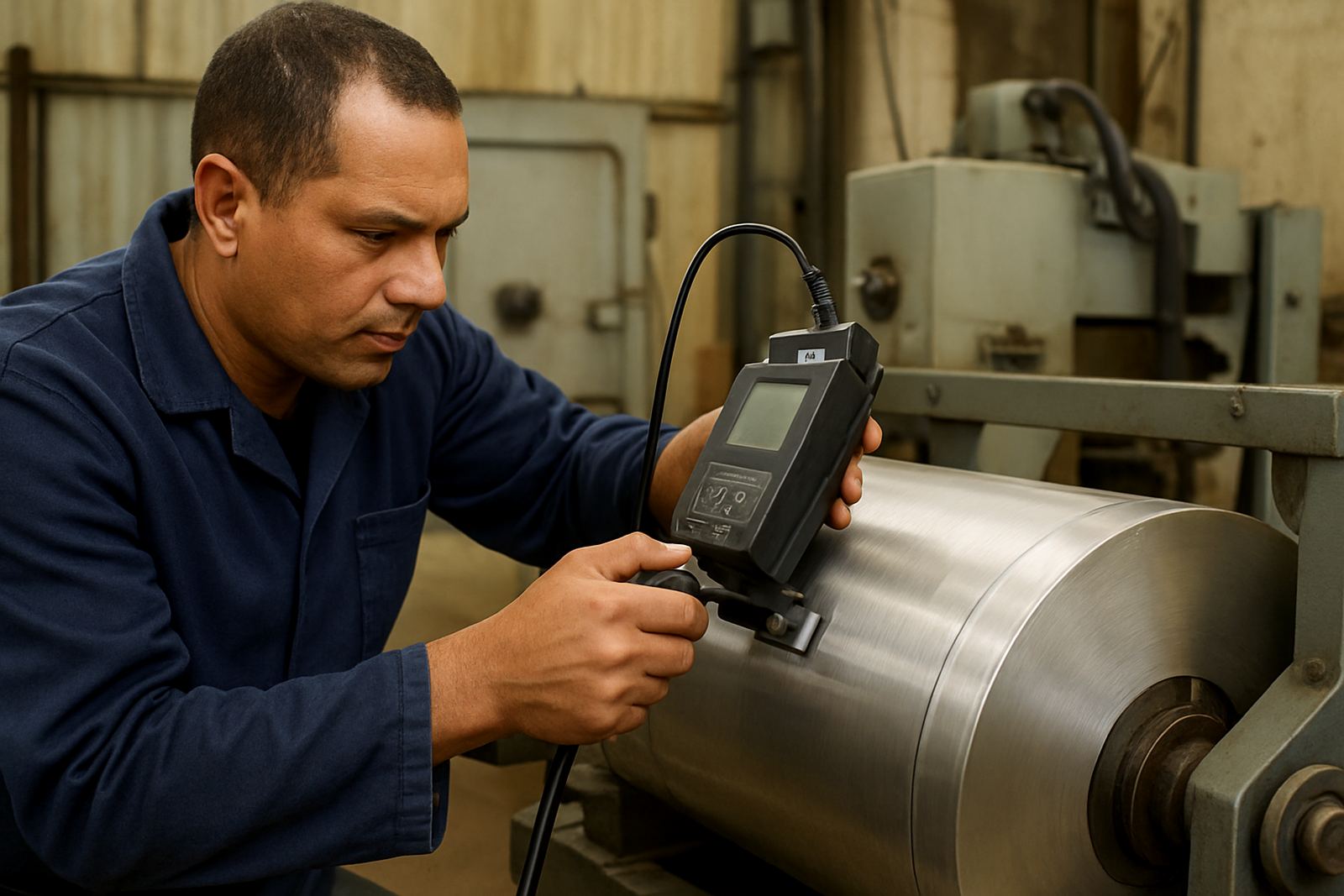
We also look at how the cylinder behaves with the die in place, not only what it looks like off the press. That is important for printers in Johannesburg, Durban, Cape Town, Gqeberha and Pretoria running mixed label work, because the same cylinder may be used on several repeat orders over months or years.
What Is Included In The Check
Each magnet check is carried out with production use in mind. We do not treat it as a quick glance. The aim is to give you a usable result for the next press setup, and to flag anything that needs repair, regrind or replacement before it becomes a production problem.
- Visual inspection of the magnetic surface and mounting face
- Holding performance check for flexible dies and repeat mounting
- Assessment of wear, scoring, chips and contamination
- Check of fit and contact consistency across the cylinder width
- Advice on cleaning, storage and handling between jobs
- Recommendation for cylinder refurb, die regrind or replacement if needed
If the cylinder is still serviceable we will say so plainly. If it needs attention, we explain the likely cause and the most sensible next step. That can save a converter from chasing press issues that are actually coming from the cylinder rather than the die. In some cases the fault is not major, but it still affects repeatability and waste.
How The Process Works From Enquiry To Report
Clients reach us through the enquiry form on our contact page, then we confirm the job details and the cylinder type. We normally ask for the cylinder size, press model if relevant, the die type used on it and a note of the fault seen on press. If you can send photos, that helps us separate handling marks from genuine wear. Once the item arrives in Wadeville, Germiston, we log it and check it in sequence.
- Receive the cylinder and confirm dimensions, condition and job reference
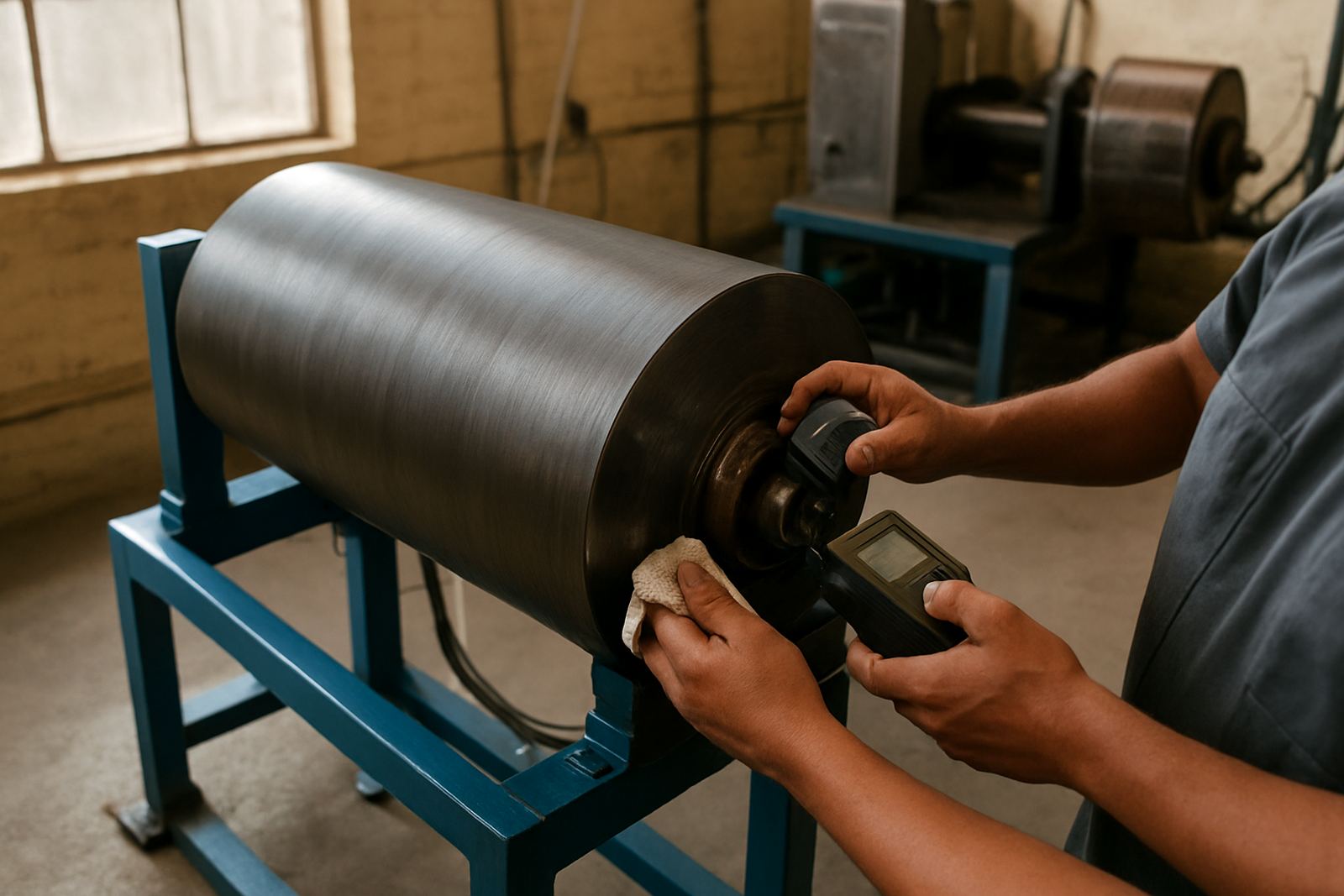
- Clean and inspect the magnetic face and mounting areas
- Test holding consistency and look for weak or uneven sections
- Record findings and confirm whether it is fit for continued use
- Recommend the next action, including refurb, regrind or remount support
For repeat customers we keep the findings aligned to previous jobs so that future checks are faster and more useful. If a cylinder has been checked before, we can compare the present condition against the earlier result and note whether wear is progressing or stable. That makes repeat matching easier when the same label spec comes back months later.
Turnaround For Urgent Production Work
Turnaround depends on how the cylinder arrives, how many units are on the job and whether the check uncovers damage that needs further work. Simple magnet checks can often be handled quickly, while cylinders needing deeper inspection or refurb will take longer. For urgent remakes or press jobs with a fixed handover time, we prioritise accordingly and coordinate with dispatch so the item moves without delay.
Most converters want a clear answer before the next run starts. We understand that because label production often runs close to deadline, especially when the press has been booked for a client with a fixed delivery date. If the cylinder shows clear wear we tell you early, so you are not waiting until the last hour to discover the problem.
Where needed we can combine the magnet check with other services such as bearer setting, die regrind, cylinder refurb and press trial support. That helps when the issue is not only magnetic holding, but also setup alignment or a repeat job that no longer matches the original tooling. In practice this can save a trip back to the press room and cut down on setup time.
Pricing Approach For Checks And Follow On Work
Our pricing is based on the condition of the cylinder, the size of the job and whether additional work is needed after inspection. A straightforward magnet check is priced differently from a check that leads into refurb, regrind or technical correction. That keeps the quotation fair and tied to what is actually required.
We do not quote blindly on the phone without seeing the part, because magnetic wear can vary widely between cylinders of the same size. A light check on a clean cylinder is not the same as a check on a unit that has been stored badly or used heavily on repeated short runs. For that reason, we first confirm the scope and then give a pricing approach that matches the work.
- Simple inspection and holding check for a serviceable cylinder
- Inspection plus corrective recommendation where wear is present
- Combined work for checks with refurb or regrind
- Repeat job assessment where previous data is available
If the cylinder is part of a larger order, such as multiple magnetic cylinders or a batch of flexible dies, we can structure the work to suit the full set. That is often the better option for converters in Gauteng and KZN who want consistent results across several repeat jobs, not only one item at a time.
How Often To Schedule Magnet Checks
There is no single interval that suits every press room, but regular checks are worth scheduling if you run repeat label work, use the same cylinders across many jobs, or have seen poor repeatability on press. A good rule is to check before a new repeat run when the cylinder has been idle for a while, after any impact or handling incident, and whenever the die starts showing movement or uneven cut quality.
For active converters we recommend building magnet checks into preventative maintenance, especially where jobs run in humid coastal conditions or where cylinders are stored near dust, packing debris or solvent vapour. In places like Durban, Pinetown and Cape Town, storage and cleaning matter because corrosion and surface contamination can build up faster than expected. In landlocked areas the issue is often dust and handling damage instead.
Keeping to a routine helps protect both the cylinder and the die. It also makes repeat mounting more predictable, which reduces setup time and waste. If a press room is already juggling load shedding, short production windows and municipal delivery timing, the last thing you need is a weak magnetic hold that slows the whole job down.
Key facts
| Service type | Magnet checks for label cylinders and flexible dies |
|---|---|
| Base | Wadeville, Germiston |
| Coverage | Johannesburg, Pretoria, Durban, Pinetown, Cape Town, Bellville and Gqeberha |
| Typical items checked | Magnetic cylinders, mounting faces, holding consistency and wear |
| Related services | Cylinder refurb, die regrind, bearer setting, press trial support |
| Use case | Repeat mounting, hold verification and production troubleshooting |