When a solid die is worth regrinding
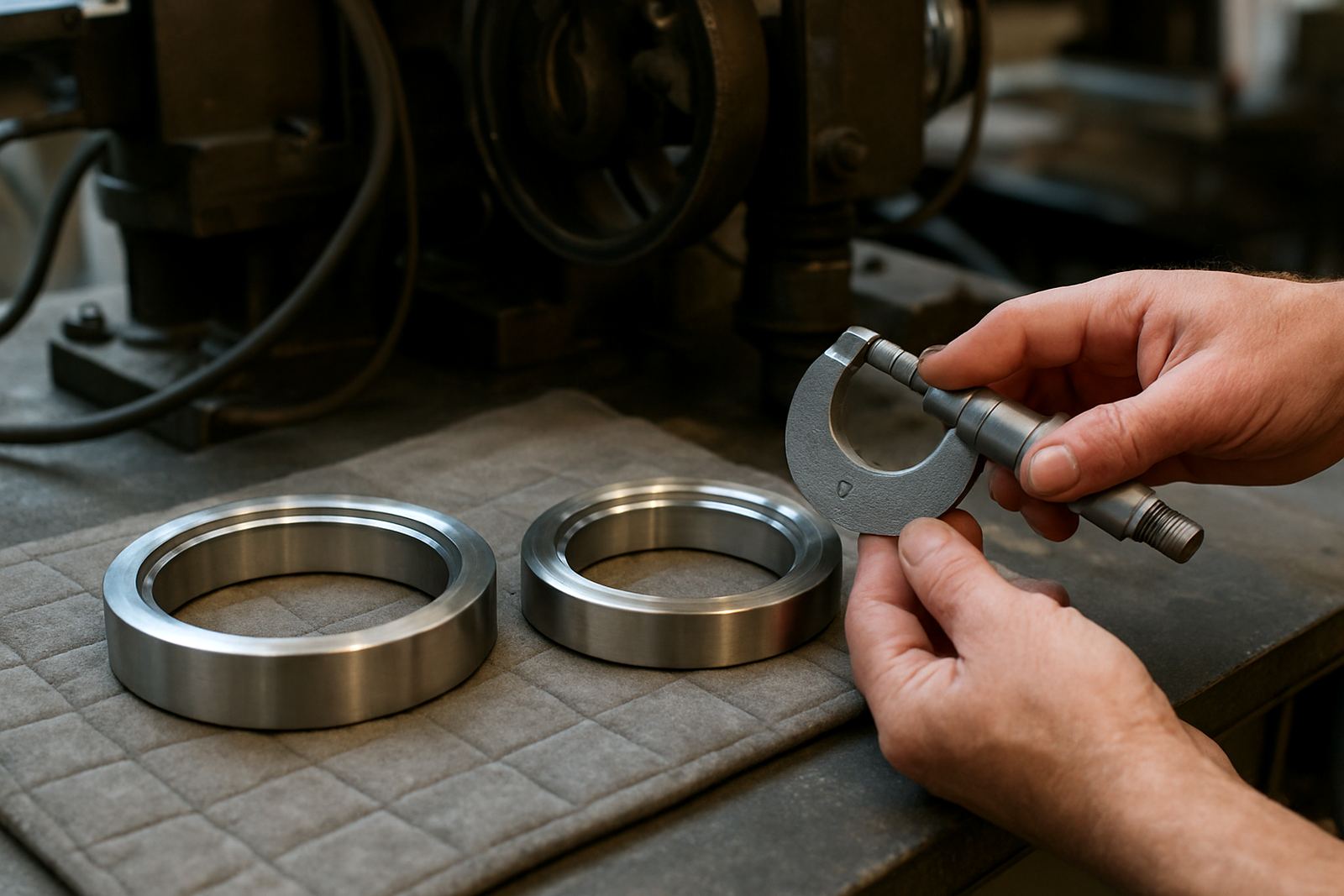
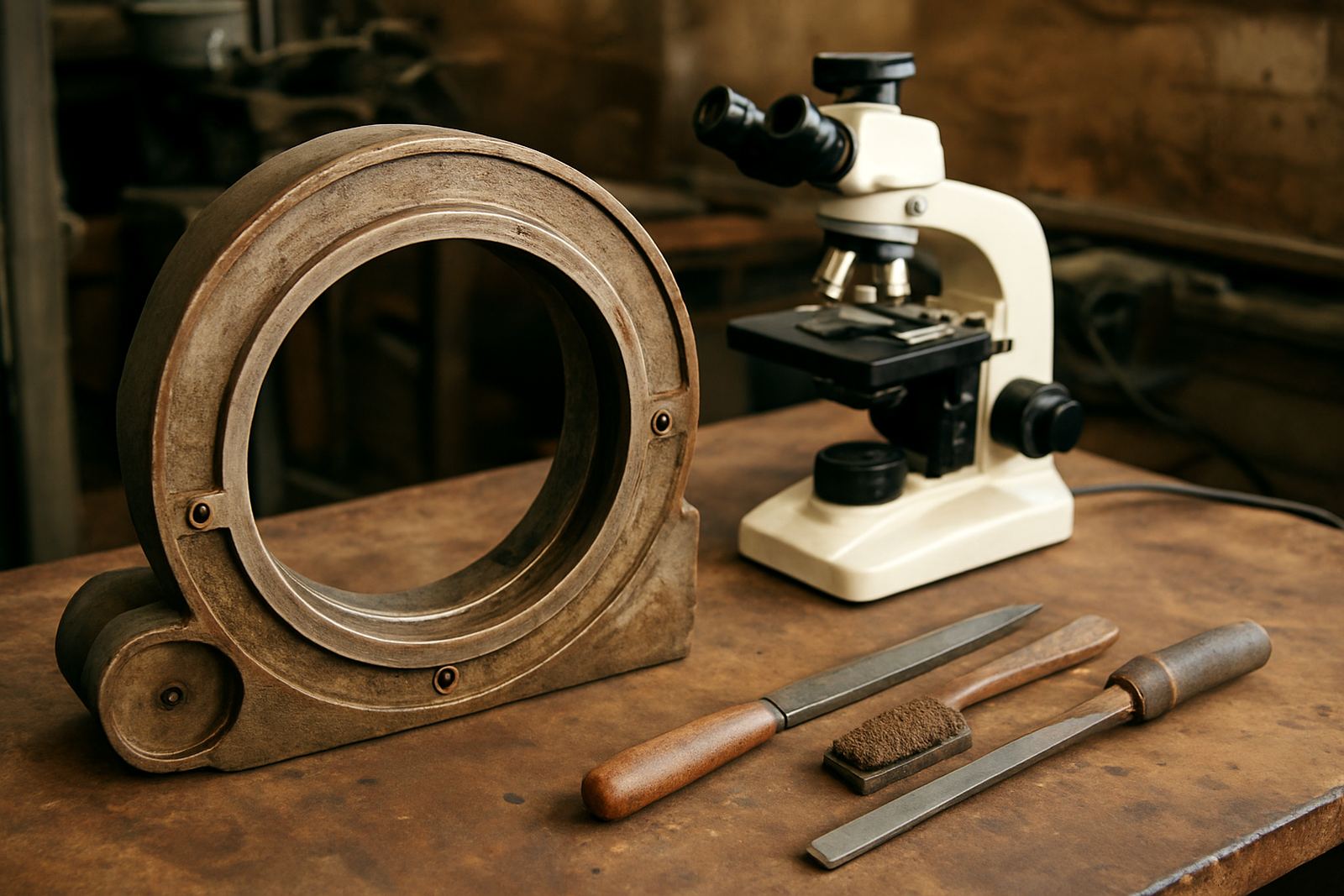
Not every worn tool should be ground again. We start by checking the cutting edge, body condition, bearer surfaces and registration features to see whether the die still has enough material for a proper regrind. If the cutting edge is chipped the die can be brought back into service, but only after the body is checked for runout and wear. When the tool is still sound, regrind work can restore clean cut quality without forcing you into a full remake.
This service suits selected rotary solid dies used on label stock, cartons and converting work where repeat geometry matters. It is most useful when a die has been running consistently and the wear is localised rather than severe across the full circumference. If the cutting height, profile or hardening condition is outside tolerance we will say so straight away, because sending a weak tool back onto press usually costs more in scrap than a proper rebuild.
- Assessment of cutting edge wear and chip damage
- Runout and concentricity check before grinding
- Bearer and mounting surface inspection
- Advice on whether regrind, remake or repair is the better option
What the regrind work includes
Die regrind work is carried out to suit the original profile as closely as possible while returning the tool to a usable cutting condition. The process can include edge grinding, profile touch up, surface clean-up and bearer setting where required. For some jobs we also confirm the magnetic cylinder or press setup so the die returns to press with the correct contact and cut depth.
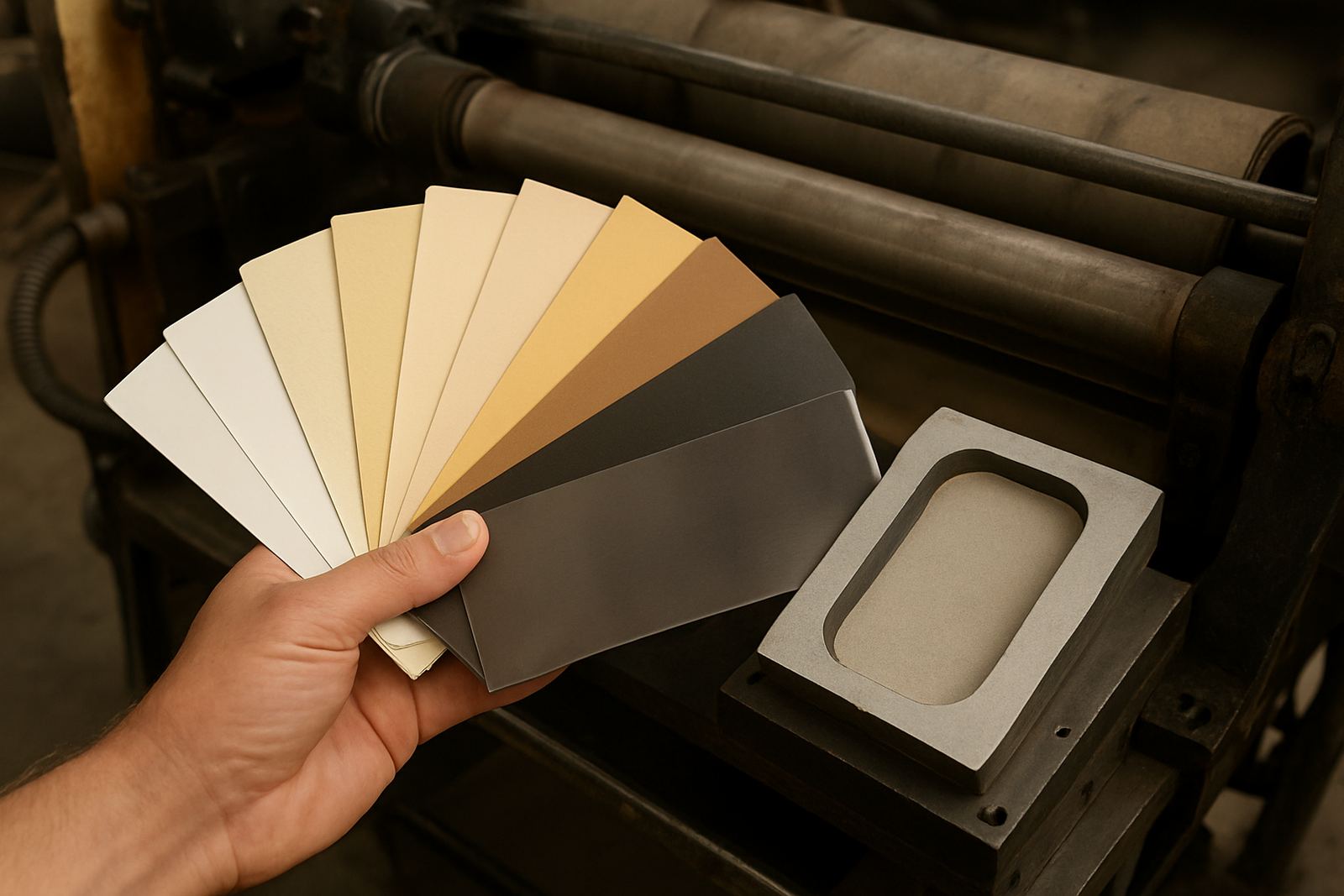
Where the wear pattern is even and the steel still has enough life left, a regrind can extend the service life of the tool without changing the finished label size. We also check the blanking and kiss-cut areas if the die was previously used on film, coated paper, or self-adhesive stock. That helps prevent drag marks, incomplete cuts and excessive fibre pull on the next run.
- Fine grinding to restore the cutting edge
- Bearer setting and contact verification
- Cleaning and inspection of wear points
- Matching of repeat dimensions to the original artwork and die data
- Optional press trial support for difficult materials
Our regrind process from receipt to return
Jobs are logged when they arrive at our Wadeville workshop in Germiston. We inspect the die, record the condition and confirm whether the geometry still supports a safe regrind. If the tool passes the initial check, our technical team prepares the work instruction and the machine shop carries out the grinding and set-up. CAD records are compared where available so the finished tool stays true to the original repeat.
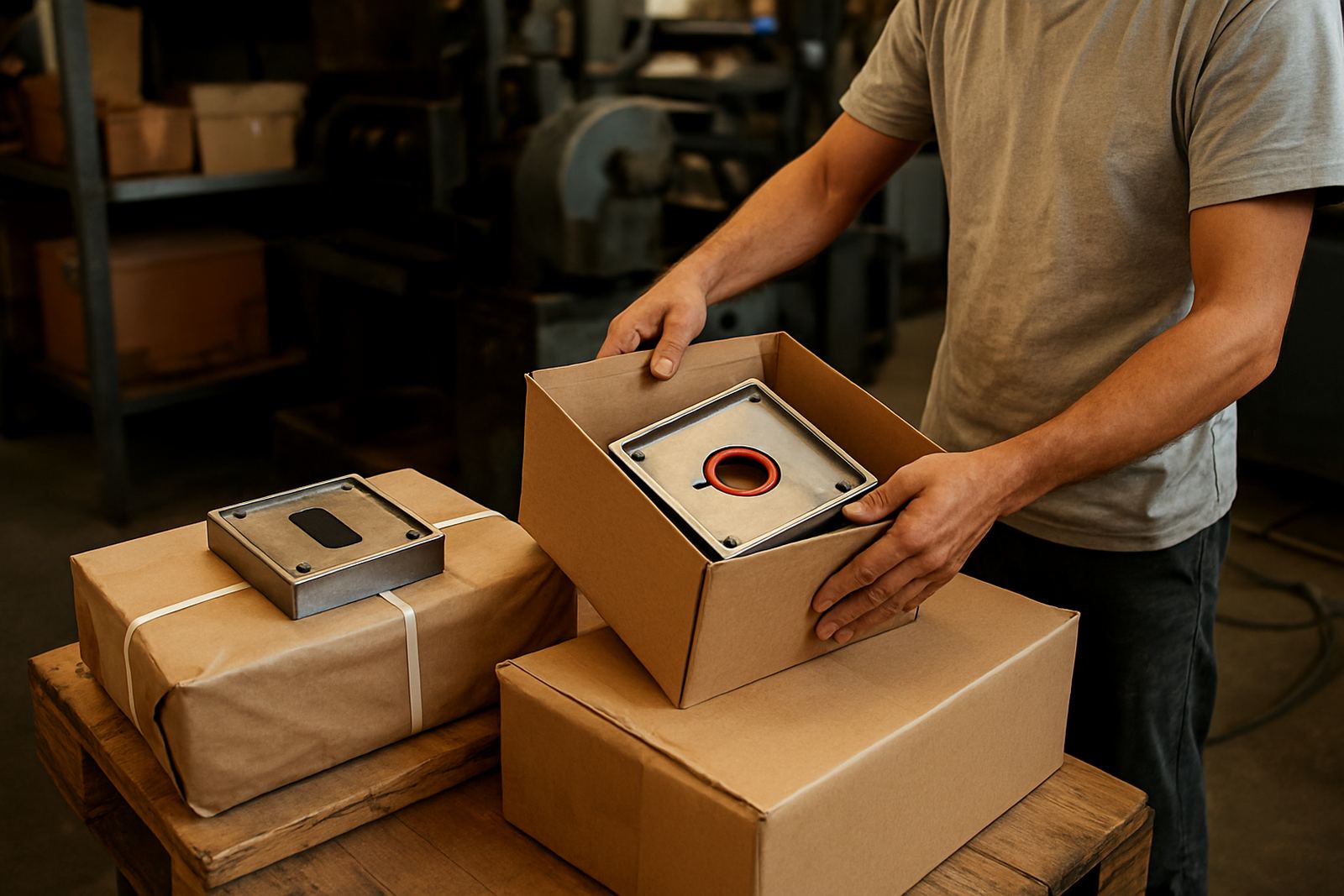
Once the work is complete, the die is cleaned, packed and prepared for dispatch. If the item needs to go back with a magnetic cylinder or needs special packing for a coastal delivery, we sort that out before it leaves. Turnaround depends on condition and queue, but straightforward regrinds are often quicker than a remake, especially when the issue is wear rather than damage.
- Receipt and condition assessment
- Dimensional check against the original repeat
- Grinding, edge correction and bearer setting
- Final inspection and packing for delivery or customer collection
Turnaround and urgent handling for press-down jobs
We know that a label line in Johannesburg, Durban or Cape Town cannot always wait for a long remake cycle. Where the wear is minor and the die is suitable for regrind, we work to practical turnaround times and keep clients updated through the process. If the tool is urgent, tell us the job number, stock type and press window so we can plan the work and dispatch properly.
Typical turnaround depends on the extent of wear, the need for bearer correction and whether the die needs to be matched to a cylinder or checked against a prior proof. Smaller jobs may move through quickly, while more complex repairs take longer. During load-shedding we plan machine time carefully and keep the workflow aligned so production is not disrupted more than necessary.
- Simple regrinds for light wear
- Complex corrections where geometry must be recovered
- Priority handling for press-stopping faults where possible
- Delivery coordination to major centres and surrounding industrial areas
Pricing based on condition, not guesswork
We price die regrind work after assessment because no two worn tools are the same. A die with light edge dulling is a different job from one with bearer wear, edge chips and mounting damage. Our pricing approach is practical and transparent: we look at the amount of labour, grinding time, inspection time and any extra correction needed before confirming the cost.
This means you only pay for the work your tool actually needs. If the die is beyond sensible regrind limits, we will not push a poor-value repair. In those cases, a remake or alternate solution may be better for your press output and your Rand spend. For repeat users we can also advise on expected wear intervals so budgeting becomes easier over time.
- Quoted after inspection of the actual tool condition
- Cost affected by wear, size, profile complexity and bearer work
- No unnecessary extra work added to the job
- Clear advice if a remake is more economical
How to keep the next regrind further apart
Good maintenance starts with the right press setup. Keep the die clean, store it dry, and avoid letting adhesive build-up sit on the cutting edge after a run. In humid areas like Durban and coastal Cape Town, rust can creep in quickly if tools are packed away while still damp. For that reason we recommend wiping down the die before storage and using proper packing to keep moisture out.
For most solid dies, inspection intervals should follow actual run counts and material type rather than a fixed calendar only. Heavy board, abrasive coatings and long-run labels will shorten the interval between services. If you notice fuzzy cuts, increasing pressure or a rise in reject labels, that is usually the time to check the die before the wear becomes serious.
- Clean the die after each run and remove adhesive residue
- Store in a dry, protected rack or case
- Check cut quality regularly rather than waiting for failure
- Book inspection before a major production campaign
Key facts
| Service | Die regrind for selected solid rotary dies |
|---|---|
| Typical equipment | Solid steel rotary dies, bearer surfaces and related mounting components |
| Working tolerance | Assessment based on existing geometry, wear pattern and repeat data |
| Workshop base | Wadeville, Germiston |
| Coverage | Johannesburg, Pretoria, Durban, Pinetown, Cape Town, Bellville and Gqeberha |
| Output | Restored cutting edge, verified setting and return-to-press support |