What Repeat Matching Covers on a Reorder
Repeat matching is the process of checking the repeat size, pitch, orientation and working details of an existing label tool before a new die, magnetic die or cylinder is made. For reorders, the aim is to keep the new tooling in line with the press setup already in use, so the customer can go back onto the machine with as little adjustment as possible.
We work from samples, old job notes, press records or approved artwork where available. If a file has been changed over time, we check what actually ran on press rather than relying on a drawing alone. That matters on short label runs, where even a small difference in repeat or register can cause waste and delays.
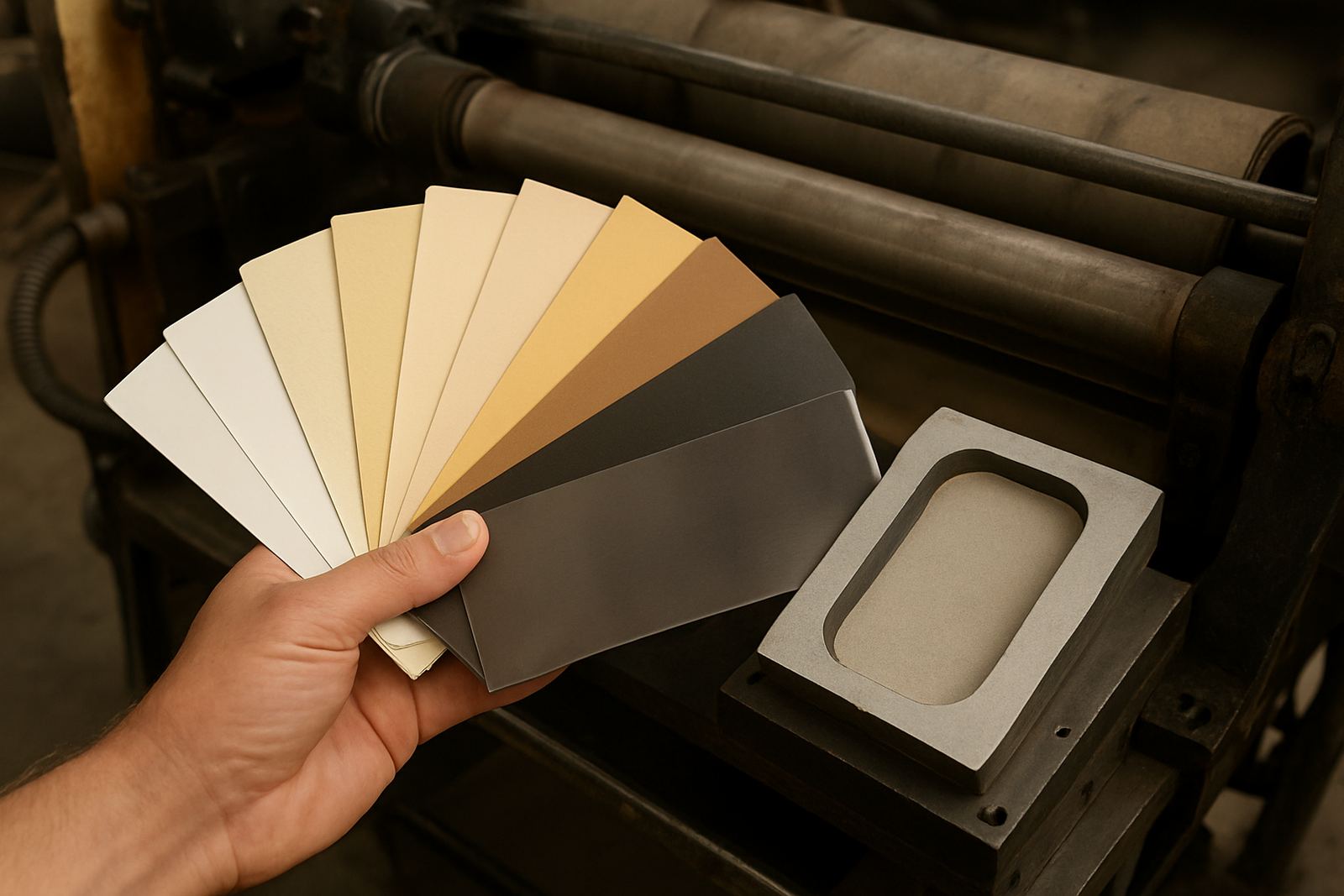
Our team in Wadeville, Germiston checks the information against the intended conversion method, whether the job is for rotary solid dies, flexible magnetic dies or magnetic cylinders. We are used to repeat work for coated paper, film labels and other common print stocks used in South African label production.
What We Check Before a Tool Is Approved
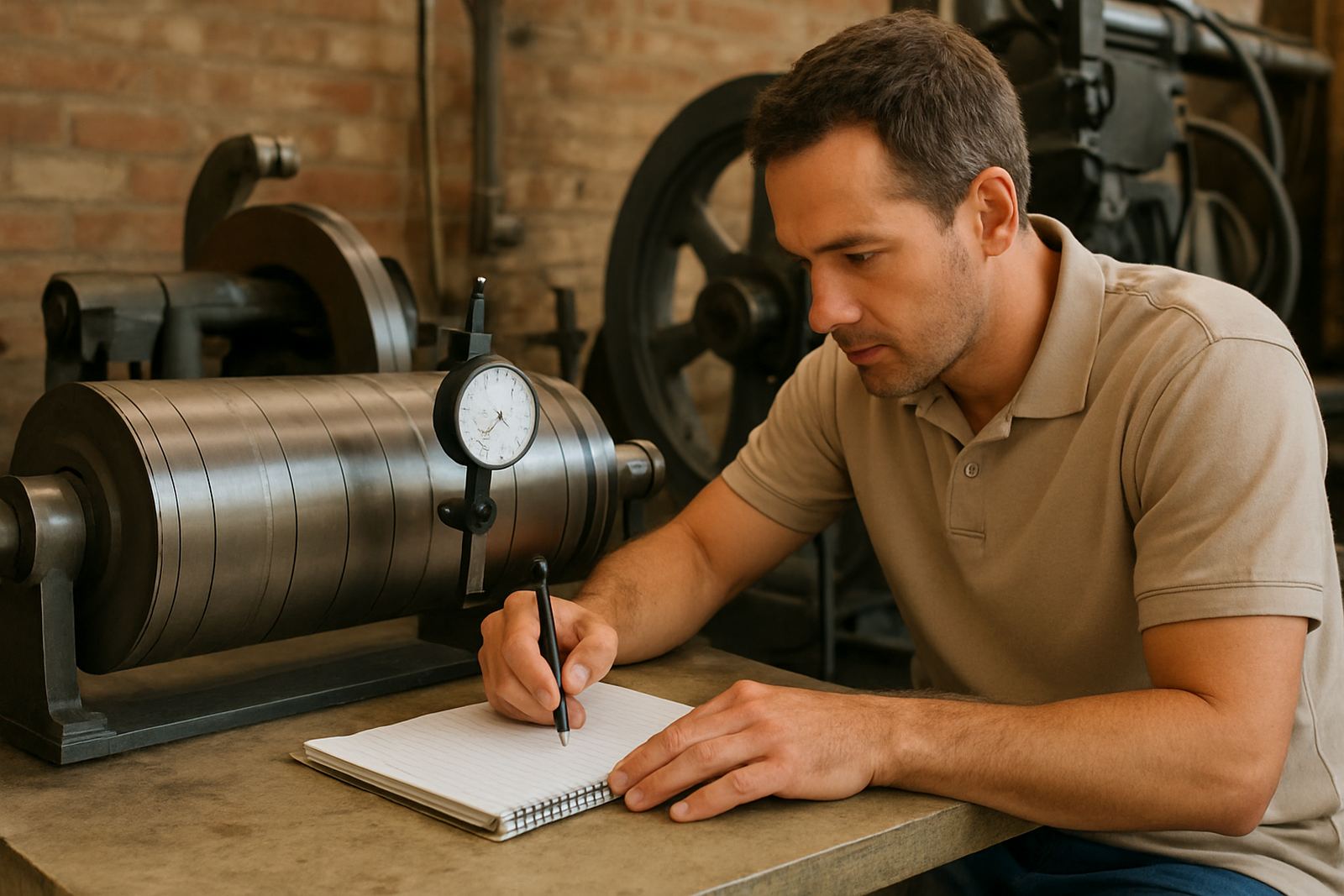
Each repeat review is practical and focused on the details that affect production. We confirm the measurements and compare them with the existing tool or press set-up before manufacture starts.
- Repeat length and repeat count
- Cut-to-print alignment and registration points
- Web direction and cylinder orientation
- Bearer setting or running clearance where relevant
- Magnet thickness, mounting condition and cylinder fit
- Profile notes for kiss cut, through cut or perforating work
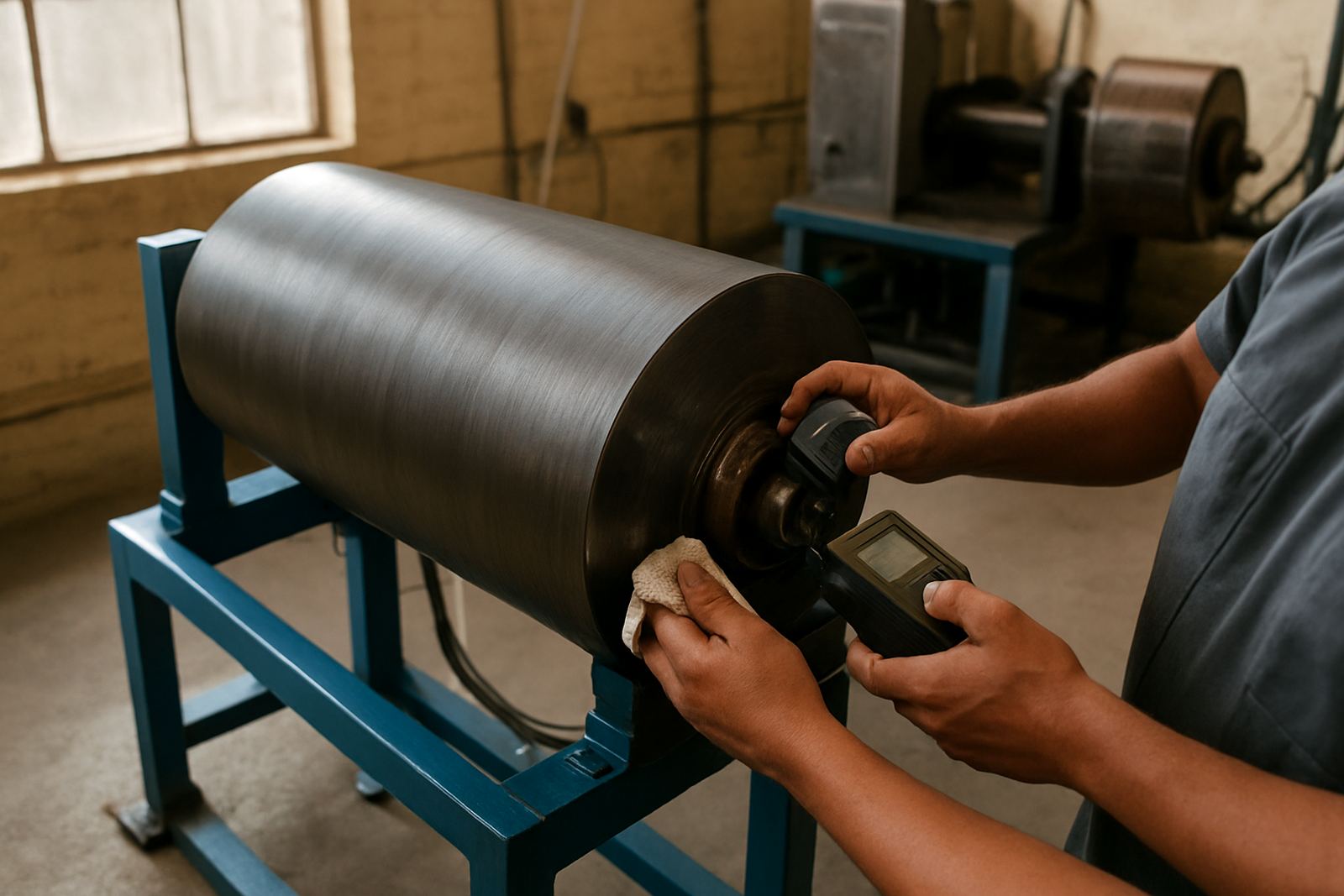
If a client has a worn sample die or a used cylinder, we can inspect it for wear patterns, edge damage and build-up that may be affecting the repeat. We also check whether the job needs a straight rematch or a small correction because of previous machine drift, older tooling or a changed substrate.
How the Repeat Matching Process Works
The process starts when the client sends the existing job details through the enquiry form on our contact page. We then review the sample or job information and confirm what needs to be matched. If the original tooling is available, we use that as the primary reference. If not, we build the check around the most reliable production data on hand.
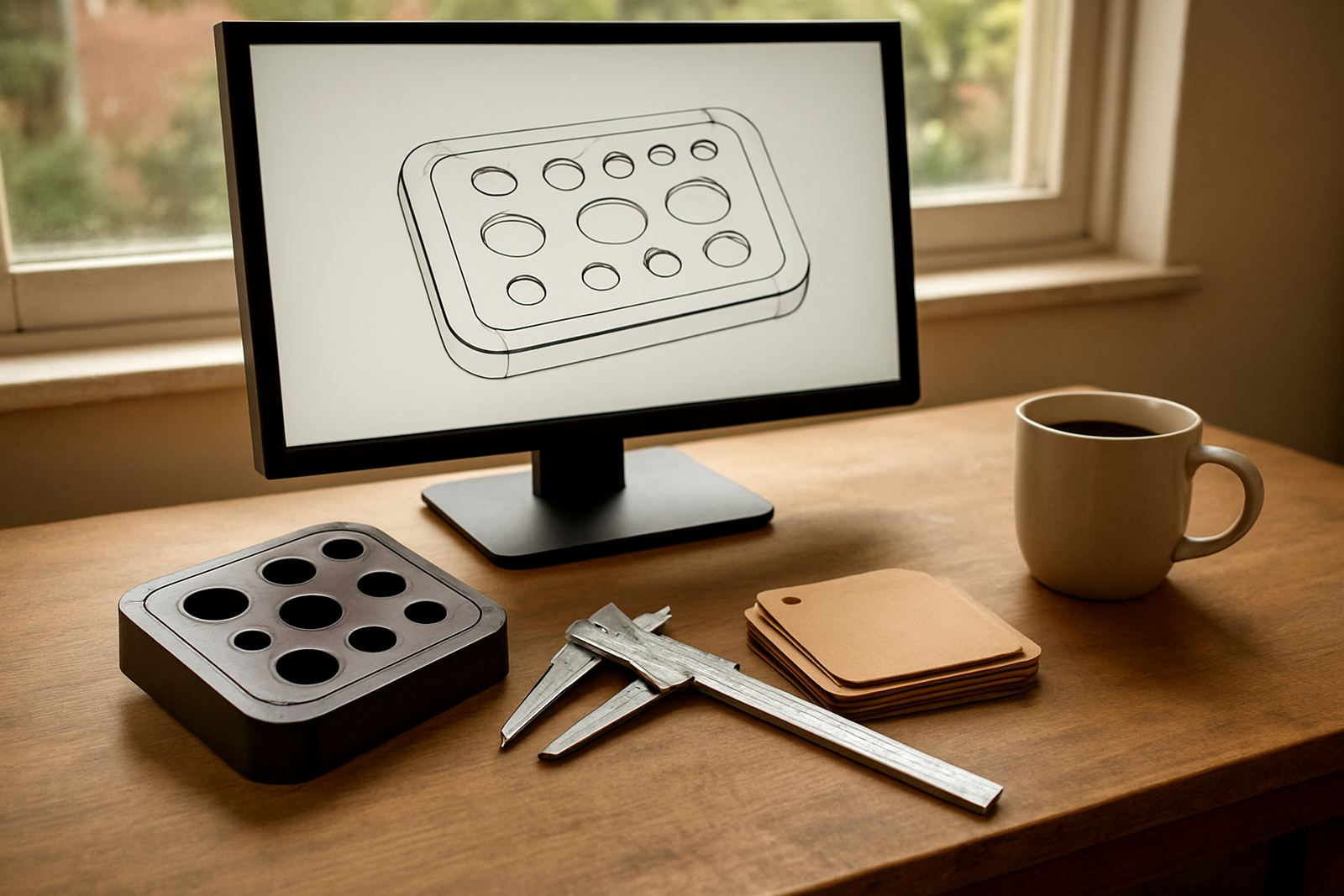
Once the measurements are confirmed, our CAD designer and machine shop team compare the repeat against the intended tool format. If the job requires correction, we feed that back before cutting or grinding begins. That avoids a costly remake later on, especially where repeat errors would affect multiple stations or a long press run.
For repeat matching on rotary tooling, the cylinder circumference, knife placement and bearer details are all considered. For flexible magnetic dies, the plate layout and magnetic seating are just as important. On a few jobs, the answer is simple: the existing repeat is sound and only needs to be copied accurately. On others, we may recommend a small adjustment to suit the current press condition.
Turnaround, Urgent Remakes and Delivery Timing
Turnaround depends on the condition of the reference tool, the complexity of the repeat and whether stock material is already on hand. Simple repeat checks can move quickly, while jobs that need cylinder refurbishment, regrind or bearer setting naturally take longer. We keep the client updated so production planning stays realistic.
For urgent remakes, we prioritise repeat verification first, then move into manufacture if the details are confirmed. This is especially useful when a label printer has a machine down or a converter has a deadline tied to a retail or export order. We supply across Germiston, Johannesburg, Pretoria, Durban, Pinetown, Cape Town, Bellville and Gqeberha with delivery coordination handled from our dispatch team.
Practical timing guidance is always better than guesswork. If a job is straightforward and all dimensions are confirmed, the process can be handled faster than a full new-tool instruction. If the sample is worn or incomplete, we will say so upfront rather than promising a date that cannot be met.
Pricing Approach for Repeat Work
Repeat matching is quoted according to the amount of checking required, the tooling format and any extra machining or refurbishment involved. A simple verification and copy match is priced differently from a job that needs cylinder repair, die regrind or a full redraw from limited information.
We aim to keep pricing clear. Where possible, we separate the repeat check, design review and manufacture so the client knows what is included. If a repeat is being matched against existing press records, that often keeps the cost down. If the reference tool has wear or damage, the quote will reflect the extra time needed to restore a correct working condition.
- No hidden add-ons for basic repeat verification
- Separate pricing for urgent remakes and after-hours coordination
- Refurbishment and replacement quoted only when needed
- Advice given on whether a remake or a repair is more cost effective
This approach helps printers and converters budget properly, especially when several repeat jobs are being prepared at once. It also helps avoid paying twice for a problem that could have been picked up at the checking stage.
Maintenance Intervals That Keep Repeats Accurate
Repeat matching works best when the original tooling is looked after. In busy label production, wear can build up quietly and then show itself as poor fit, inconsistent cut quality or press adjustments that keep changing from one run to the next. Regular checks reduce that risk.
As a general guide, magnetic dies and cylinders should be inspected when a repeat is reused after long storage, after a heavy production cycle, or whenever press behaviour changes. If a tool is used often, it may need closer review at shorter intervals. Coastal humidity in places like Durban and Cape Town can also affect storage condition, so clean handling and dry packing matter.
- Check stored tools before repeat use
- Inspect after any crash, bad run or register issue
- Review wear when the same job starts needing more press setting time
- Keep samples and approval notes with the tool record
Our dispatch team can help with packing advice so dies and cylinders arrive in a condition that still reflects the checked repeat. That saves time on the next order and helps keep records consistent from one run to the next.
Repeat Matching For South African Press Setups
Repeat matching is not only about accuracy. It also supports local production where lead times, municipal load-shedding schedules and transport windows can affect planning. A tool that matches the existing press setup properly is easier to slot into a working schedule, whether the client is running in Germiston, Pretoria, Durban or the Cape.
For label printers and converters, the value is in consistency. If a repeat is checked properly, the press crew can focus on running the job instead of fighting unnecessary setup changes. That means less wasted stock, less downtime and a better chance of getting through the day without avoidable stoppages.
We handle repeat work with the same practical approach used across our die design, CAD proofing, magnet checks and press trial support services. The aim is simple: get the tooling right before it reaches the machine, and keep the next run as close as possible to the last approved one.
Key facts
| Service type | Repeat matching for rotary solid dies, flexible magnetic dies and magnetic cylinders |
|---|---|
| Location | Wadeville, Germiston with supply and delivery coordination across South Africa |
| Typical repeat check tolerance | Verified to job requirement, with fine correction where the press setup demands it |
| Formats supported | Kiss cut, through cut, perforating and related label converting formats |
| Reference inputs | Samples, approved artwork, press records, existing tooling and job notes |
| Related services | Die Design, CAD Proofing, Cylinder Refurb, Die Regrind, Bearer Setting, Magnet Checks |
| Maintenance guidance | Inspect before reuse, after heavy production and after any press issue or storage delay |