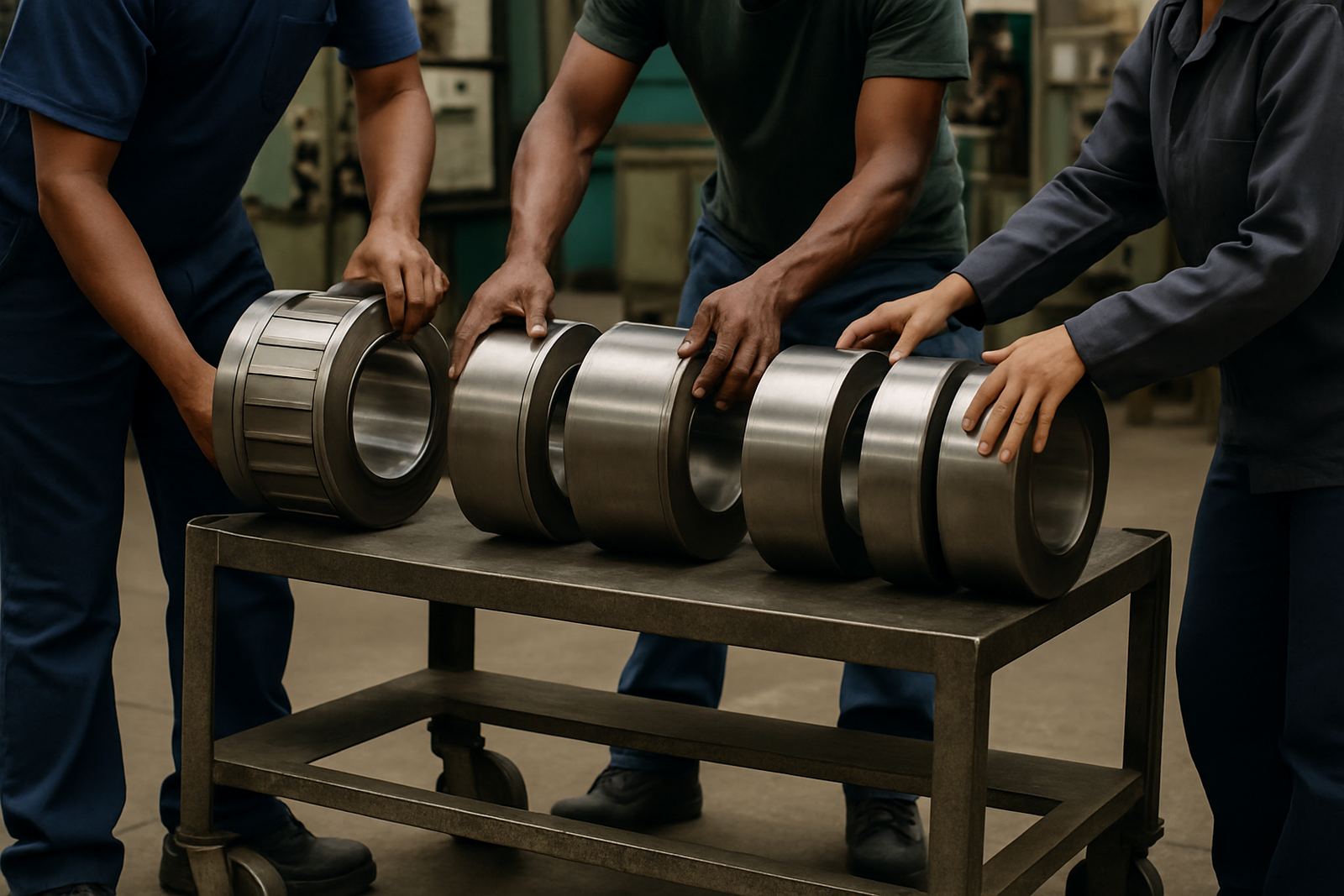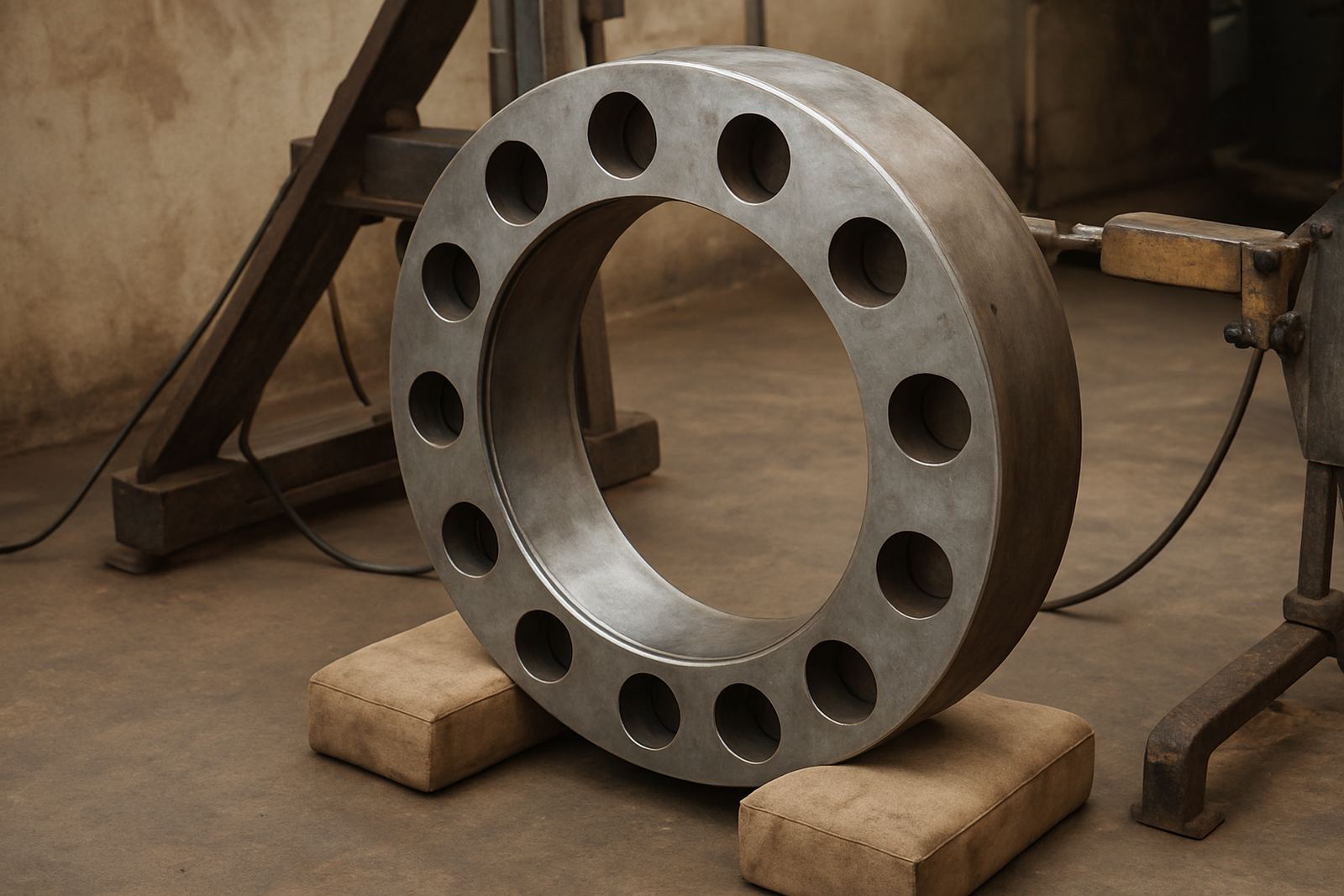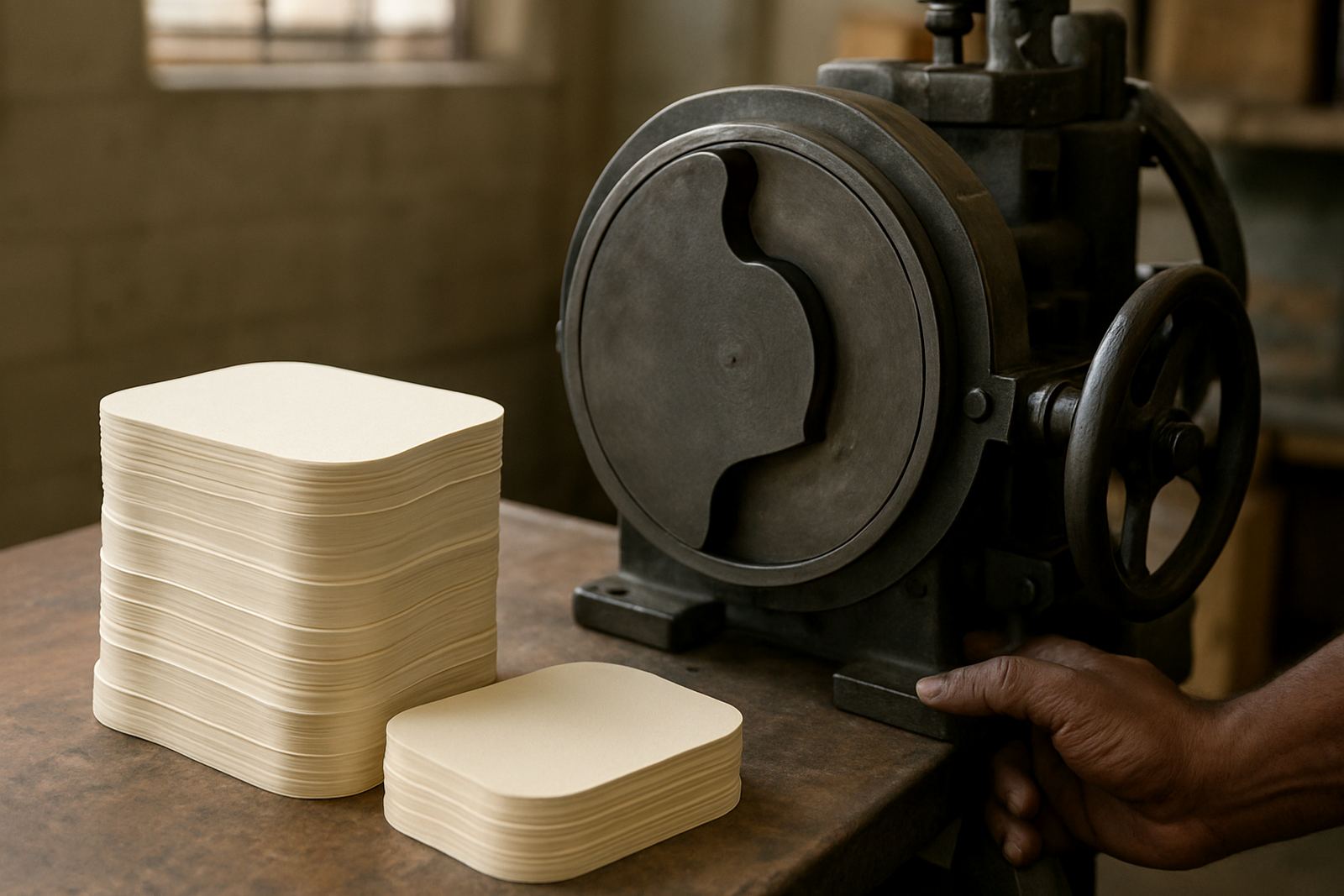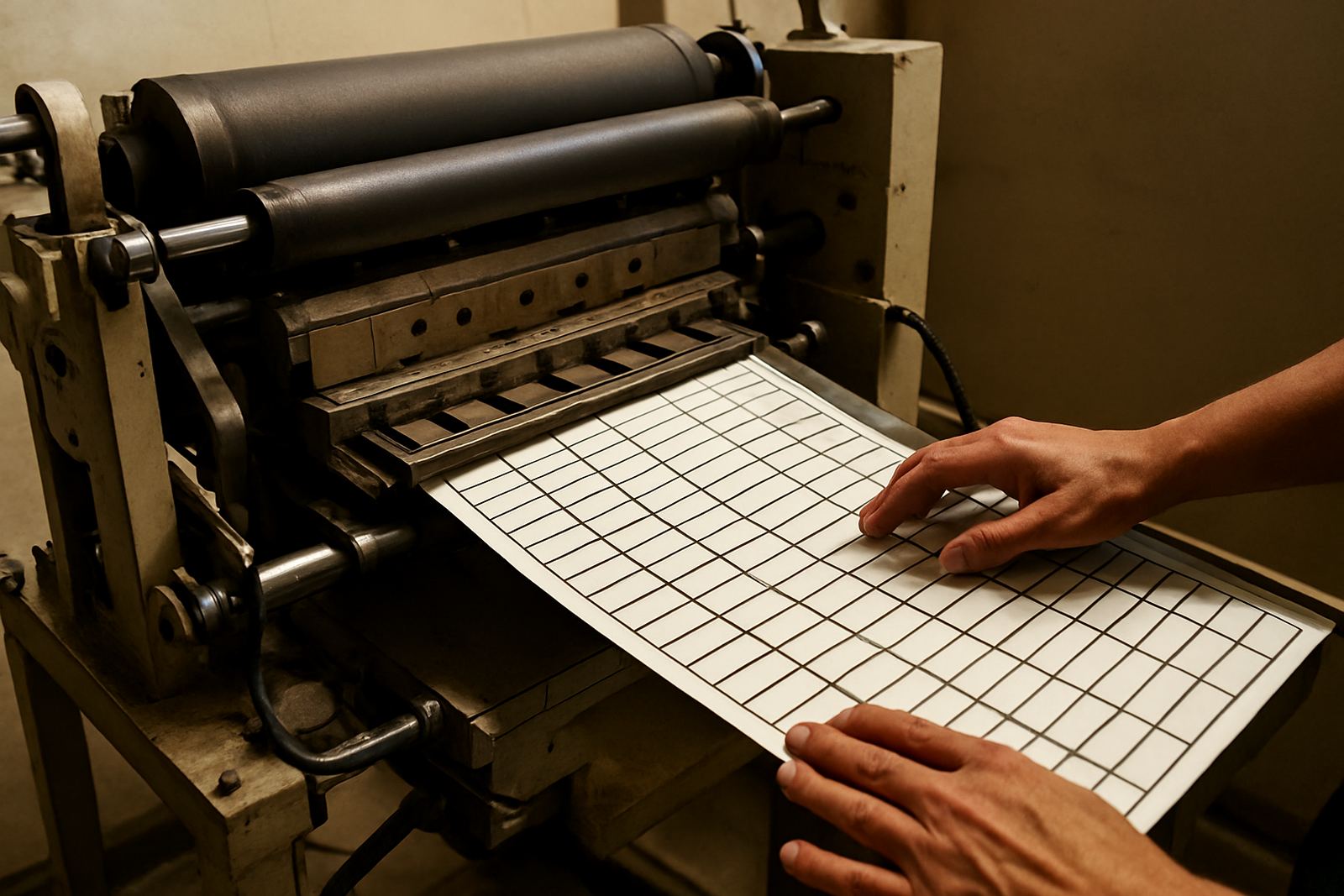
What a butt cut die does on press
A butt cut die is set up to cut labels with very tight gaps between repeats, so you can use the web more efficiently and reduce wasted material. For pressure sensitive label work, that matters when substrate prices are up and the job has a narrow trim margin. These dies are made to order for the label shape, repeat and press setup, with tolerances kept tight so the cut stays clean across the run.
We supply butt cut dies for rotary label converting, including solid rotary dies, flexible magnetic dies and magnetic cylinders where the job calls for a particular mounting method. The right choice depends on the press, the stock being used, the repeat length and how much pressure the line can carry without marking or crushing the face material.
Sizes, formats and cut options
Butt cut dies can be made for small promotional labels, standard product labels and longer repeats on wider webs. In practice, the key measurements are the cut length, web width, repeat pitch and the gap between labels. On fast moving lines, a small error in repeat setup can show up quickly so we confirm details carefully before machining.
Available options are usually selected to suit the converter’s press and finishing process. If you are running short labels with minimal matrix waste, or a format that has to fit a narrow web on a loaded shift, the die can be specified for the exact trim and bearer arrangement needed.
- Solid rotary butt cut dies for heavy duty, high volume runs
- Flexible magnetic dies for quicker changeovers and shorter runs
- Magnetic cylinders for compatible rotary setups
- Custom repeat lengths and web widths
- Cut profiles for round, oval, square and irregular label shapes
- Options for different stock thicknesses and adhesive build-up
Where butt cut dies suit label production
These dies are well suited to label printers and converters working in Johannesburg, Germiston, Pretoria, Durban, Cape Town and Gqeberha, especially where jobs need good material yield and stable cutting under load-shedding pressure. On some sites, a press may stop and start several times in a day, so repeat consistency and proper setting are important when production resumes.
Butt cut dies are commonly used for food and beverage labels, chemical labels, health and beauty packs, logistics labels and industrial identification labels. They are a practical choice where the converter wants to keep waste low but still maintain neat edge quality on coated paper, film or other common label stocks. In coastal areas like Durban and Cape Town, storage and handling should also take humidity into account, because material movement can affect cutting if rolls are left open too long.
Installation, press setup and power needs
Installation depends on whether the die is being fitted to a rotary solid setup, a magnetic system or a cylinder-based arrangement. The press bed, bearer pressure and alignment must be checked before running the first sheets or rolls through. If the setup is off by even a small amount, you can see burrs, drag marks or incomplete cuts along the repeat.
These dies do not need gas. They do need a suitable rotary press, correct mounting hardware and a clean setup area. For best results, operators should confirm the following before start-up:
- Press width and usable web width
- Repeat length and label pitch
- Mounting type required for the press
- Stock type, caliper and adhesive build-up
- Bearer setting and cut depth targets
- Any slitting, perforation or waste removal needs
Where a converter needs help, press trial support and bearer setting can be arranged as part of the order. That is useful on new jobs, repeat work and urgent remakes when there is not much room for trial and error.
Care, servicing and repeat use
Good servicing keeps a butt cut die working properly for longer and helps avoid poor cut quality later in the run. For solid dies, the cutting edge should be checked for wear, chips and adhesive build-up. For magnetic dies, the backing and magnet contact area should be kept clean and flat, with no rust, dust or trapped packing debris. If a die is stored badly in a hot or damp area, corrosion and edge damage can show up much sooner than expected.
We offer die regrind, cylinder refurb, magnet checks and repeat matching where the original job must be matched again. That is useful when a label line has been running for years and the old spec needs to be brought back into line. Regular care also helps keep press setup time down, which matters on busy shifts when the team is juggling more than one line at once.
Butt-cut die measurements to verify before production
When ordering a butt cut die, the clearest drawing or sample helps the most. If the original artwork is available, send the die line, repeat measurements and the press details. If it is a repeat job, include the old die number or previous job reference where possible. Exact information keeps the CAD proof and the machined die in line with your press.
Before you send the enquiry, check these points:
- Label dimensions, shape and corner details
- Repeat length, pitch and web width
- Material type and thickness
- Press make-up and mounting system
- Whether the job needs a new die or a repeat match
- Delivery area and any urgent turnaround needs
Orders are handled from Wadeville, Germiston and supplied nationwide, with deliveries arranged to Johannesburg, Pretoria, Durban, Pinetown, Cape Town, Bellville and Gqeberha. For fast turnaround, it helps to flag urgent remakes, stock concerns or a press trial date as early as possible.
Key facts
| Product type | Butt cut dies for rotary label converting |
|---|---|
| Die formats | Solid rotary dies, flexible magnetic dies, magnetic cylinders |
| Typical use | Tight label spacing and efficient web usage |
| Materials | Paper, film and other common pressure sensitive label stocks |
| Setup needs | Correct repeat, bearer setting, mounting and press alignment |
| Service support | CAD proofing, repeat matching, regrind, refurb, press trial support |