What a crackback die does on the press
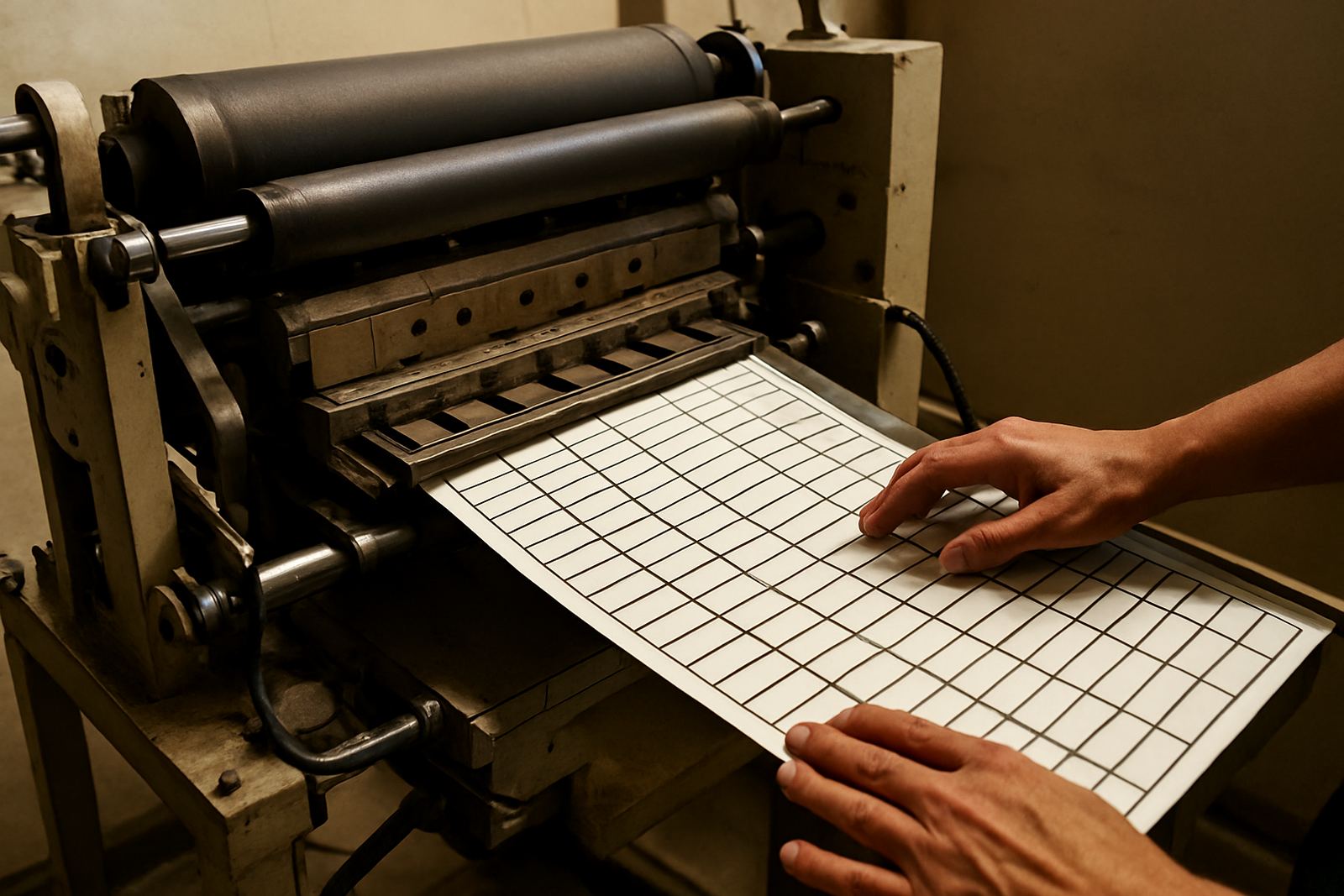
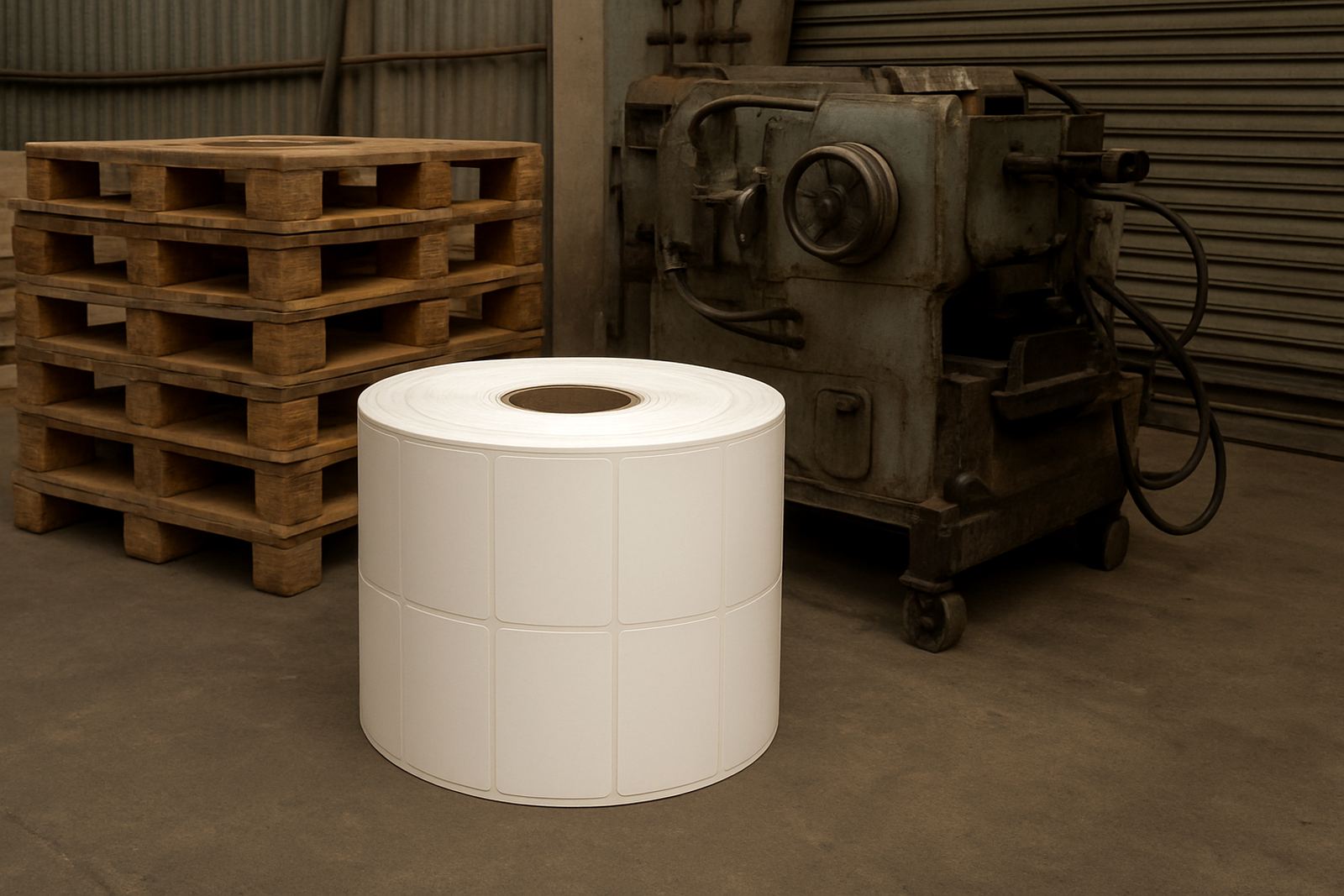
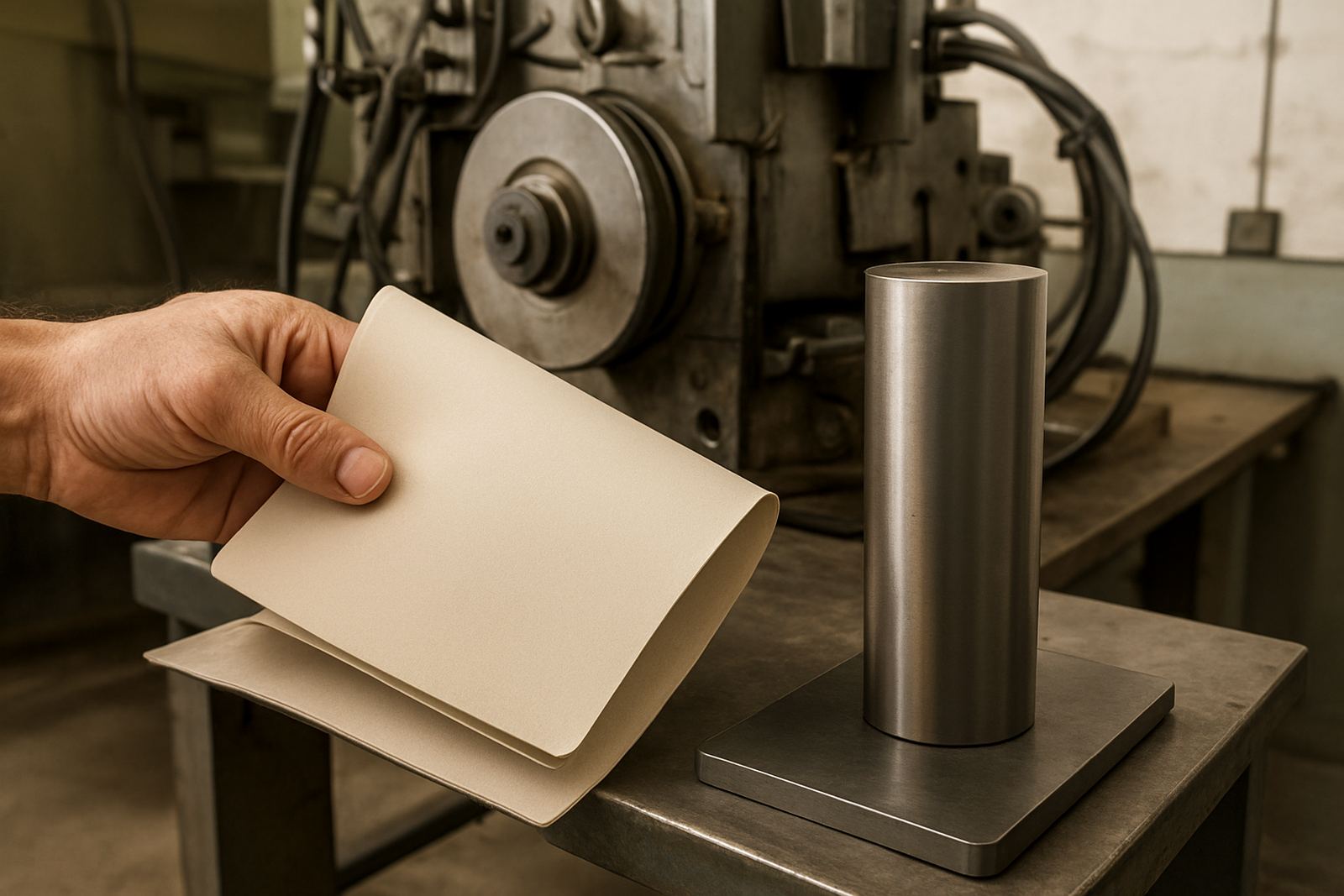
A crackback die is made to cut through the face stock and crack the liner in a controlled way, so the label can be peeled by hand with less effort. It is used where operators need fast removal on site, such as product decals, inventory labels, service stickers and many short-run promotional labels.
At our Wadeville, Germiston workshop we make crackback dies to the drawing, repeat sample, or press specification you give us. The cut depth must be precise: too shallow and the liner will not split cleanly, too deep and you can weaken the adhesive or leave rough edges. That balance matters when you are running labels for Johannesburg, Durban, Cape Town or Gqeberha clients who expect the same finish from batch to batch.
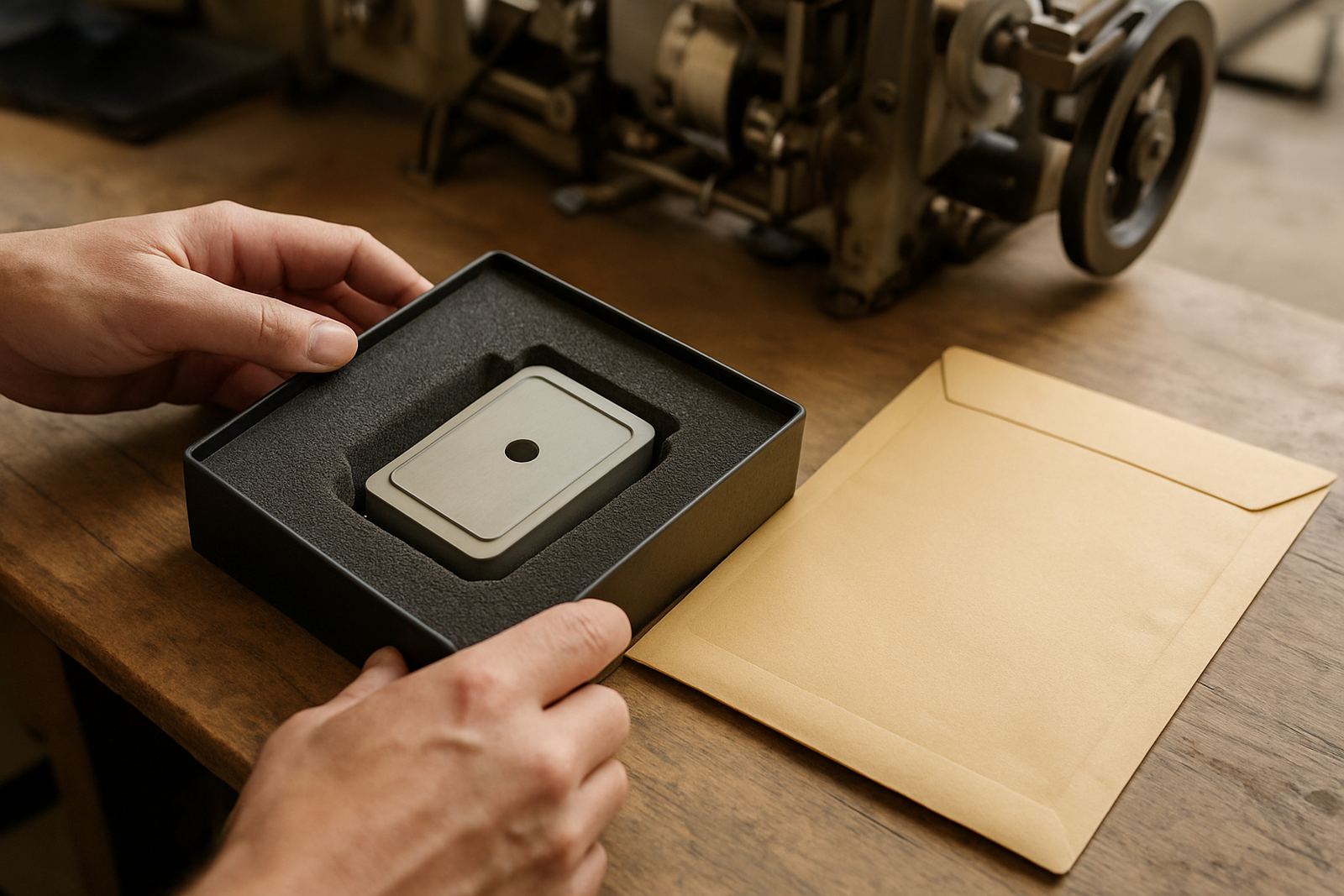
We supply rotary solid dies, flexible magnetic dies and magnetic cylinders for label converting, and crackback work is set up to match the press and substrate. For some jobs, the cracking is done in a straight or patterned section across the web, while other jobs need a full die shape with a controlled split line. The right setup depends on the way the label is applied and the type of liner being used.
Sizes, formats and practical options
Crackback dies can be made in a wide range of sizes, from small batch labels to larger industrial decals. The useful part is not only the outside shape but also the crack line layout inside the cut. We can make standard label shapes, special contours, perforation style sections and repeat patterns that support fast hand application.
- Outside shapes from small service labels to larger signage decals
- Single crack line, multiple crack lines or sectioned crack patterns
- Rotary solid die format for higher volume converting
- Flexible magnetic die format for short to medium production runs
- Magnetic cylinders where the press set-up calls for cylinder mounting
- Repeat matching for existing artwork, old tooling or previous samples
Common web and sheet requirements vary by job, but we work to practical label-making tolerances and confirm the cutting detail before manufacture. If your label stock has a heavy liner, a glassine liner, or a synthetic face with higher peel resistance, we will check the cracking point carefully. In many cases the best result comes from matching the die to the adhesive, liner thickness and the final hand-peel requirement.
Where crackback dies suit best
These dies suit any application where the end user must remove the liner quickly and apply the label by hand. They are widely used for warehouse labelling, asset marking, product identification, warning decals, fleet graphics and retail stickers that are not applied by automatic applicators. If your team needs to peel hundreds of labels a shift, the right crackback setup can save time and reduce waste.
They are also useful for printers supplying coastal customers where humidity can affect handling and storage. In Durban and the wider KZN area, as well as Cape Town and Gqeberha, people often need labels that still separate cleanly after being packed and stored. That means liner cracking must be consistent enough to help the operator but not so aggressive that the label starts lifting before application.
For converters serving industrial clients in Pretoria, Johannesburg and Germiston, crackback dies are often ordered for repeat jobs where the same label is used across branches or depots. If you are supplying municipal, manufacturing or logistics work, consistency matters because the labels need to come off the liner the same way on every run.
Installation, press set-up and power needs
Crackback dies are installed according to the press type and the mounting system used in your converting line. We supply the die or cylinder ready for the agreed set-up, and our team can advise on bearer setting, magnet checks and trial support where needed. Good set-up is important because crackback cutting relies on controlled pressure across the web.
These dies do not need separate gas supply. Power requirements depend on your own press and finishing equipment, not on the die itself. If you are running manual or semi-automatic conversion equipment, you will still need accurate tension control, clean web feeding and correct registration. That helps the crackback line stay in the right place and prevents uneven splits.
- Confirm press width and mounting type before ordering
- Check whether the job is rotary solid, flexible magnetic or cylinder mounted
- Allow for trim, gap and repeat length on the web
- Test the liner split with your intended hand application method
- Set pressure carefully to avoid overcutting the face stock
We can also help with urgent remakes if a previous tool was not cracking cleanly. In some cases the fix is a small adjustment to depth or line placement, not a complete redesign. That saves time and keeps a production schedule moving, especially when dispatch and delivery windows are tight.
Care, servicing and repeat use
Like any precision cutting tool, a crackback die works best when it is kept clean and checked regularly. Adhesive build-up, paper dust and damaged liners can all affect performance. After each run, the die should be inspected for wear, blocked sections and any change in cracking consistency. If the split starts to feel uneven, it may need cleaning, regrind or reset work.
Our services include die regrind, cylinder refurb, repeat matching and stock advice, so customers can keep existing tooling in service for longer. On certain jobs, the problem is not the die itself but wear in the press, poor bearer setting or a magnet issue. We can check the tool, advise on press trial support and help determine whether the die should be repaired or replaced.
In South African conditions, storage matters too. Keep dies dry, dust free and away from rough handling during transport between Germiston, Pretoria, Durban or Cape Town. For coastal deliveries, good packing is worth the effort because humidity and salt air can affect steel surfaces if tooling is left unpacked for too long.
What to send when you order a crackback die
The more detail you give us, the better the result. A crackback die is not just about the label outline. We need to know how the label must peel, what liner is in use and where the split must sit. If you have an old sample, a drawing or a print spec, send that through the enquiry form and we will work from there.
- Label size, repeat length and shape
- Face material and liner type
- Required crackback position or split line
- Press type and mounting method
- Run quantity and urgency
- Any previous tooling reference or sample
We make and supply from Wadeville, Germiston and dispatch across South Africa, including Johannesburg, Pretoria, Durban, Pinetown, Cape Town, Bellville and Gqeberha. If you need crackback dies for a repeat label, a new job or a faster hand-peel finish, we can guide the build and keep the spec practical. Marius Jacobus van der Merwe and the team handle production, CAD proofing, technical support and dispatch coordination so the job stays on track.
Key facts
| Product type | Crackback dies for label and decal converting |
|---|---|
| Typical use | Hand-applied labels where liner removal must be easier and cleaner |
| Available formats | Rotary solid dies, flexible magnetic dies, magnetic cylinders |
| Material compatibility | Paper, film and adhesive label stocks with suitable liners |
| Supply area | South Africa, with deliveries to major centres and regional routes |
| Support services | Die design, CAD proofing, repeat matching, regrind and press trial support |