
Built for food packs, sleeves and everyday label runs
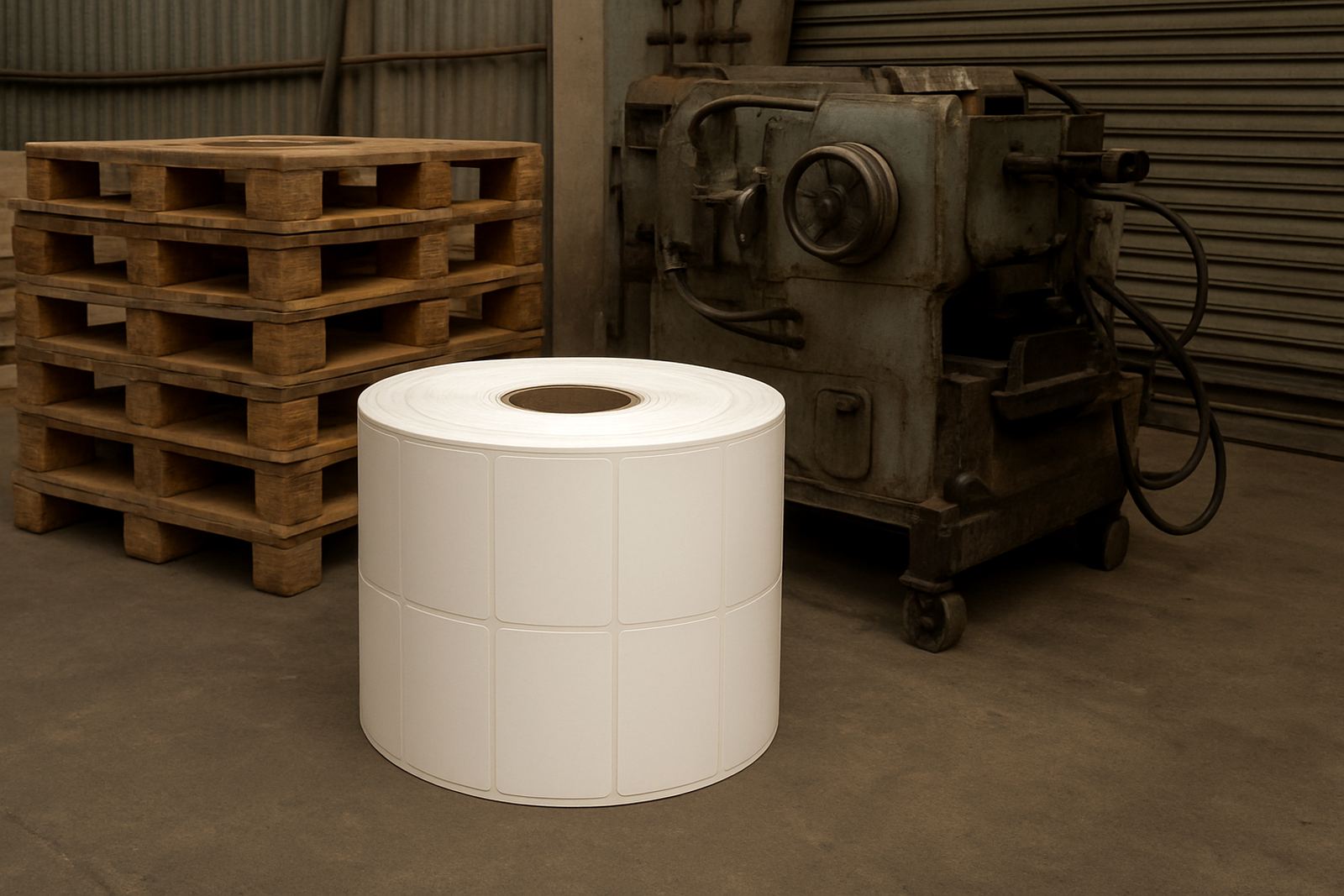
Food label dies are used to cut self adhesive labels, wrap labels, tamper seals, sachet labels and short run promotional packs with consistent shape and finish. In a food plant or label converting room, a poor die shows up fast as rough edges, lift on tiny corners, uneven kiss cutting or waste that does not strip cleanly. Our dies are made to suit the stock, press and repeat length you are running, whether the work is for jars, bottles, pouches or cartons.
We supply made to order tooling from Wadeville, Germiston to clients in Johannesburg, Pretoria, Durban, Cape Town and Gqeberha. For repeat jobs, we also keep profile records so the next order can be matched quickly. That matters when a bakery, dairy or prepared food line needs the same cut again after a packaging change or a reprint, often with very little notice.
- Rotary solid dies for long life and tighter wear control
- Flexible magnetic dies for cost effective repeat label work
- Magnetic cylinders for compatible rotary converting presses
- Repeat matching for established label shapes and sizes
Sizes, tolerances and die build options
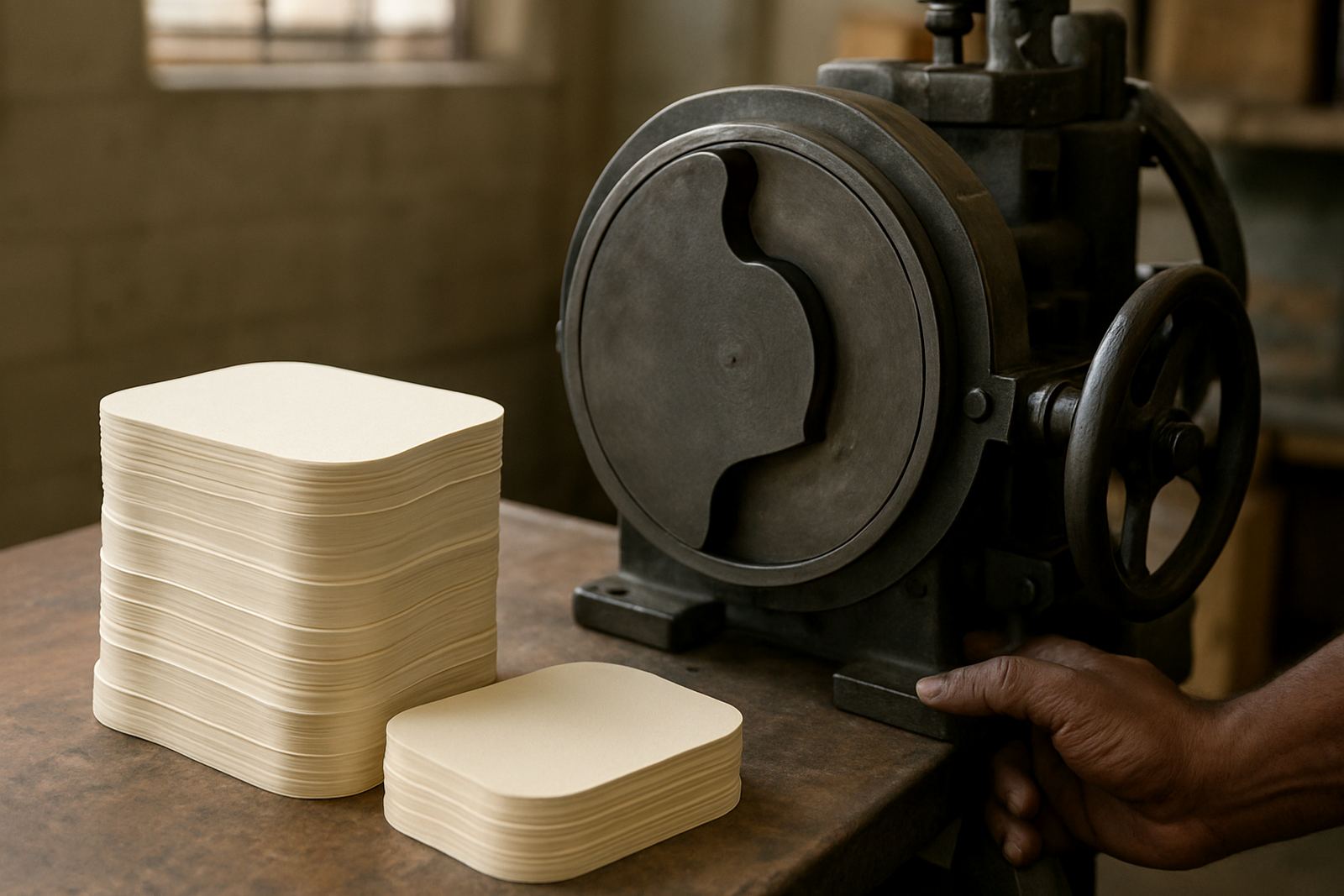
Food label work can be simple or very detailed. Small pack labels often need fine corners and narrow bridges, while larger freezer labels may need stronger web support and a cleaner release from coated stock. We work to precise tolerances so the cut follows the printed image and the label strips properly on press. For many food jobs, the smallest errors are the ones that cause stoppages, so we check the art, material and press setup before the die is released.
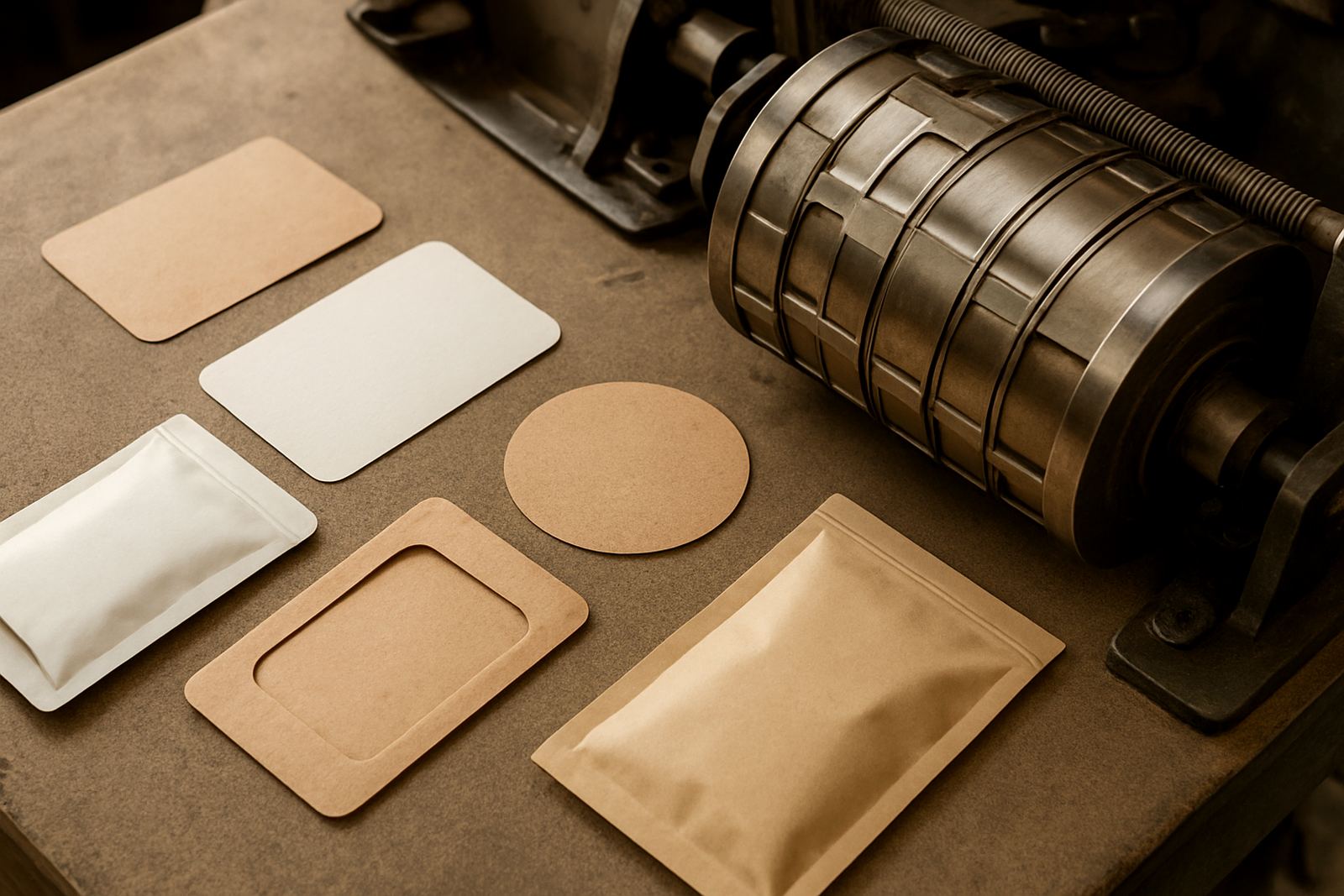
Options depend on your job and machine, but the usual choices include steel rule style cutting profiles, rotary solid body construction, magnetic back systems and matched cylinders for repeat conversions. We can assist with bearer setting, magnet checks and press trial support when needed. If a line runs a mixed range of labels, it is often worth keeping a standard family of die sizes on record so future orders can be copied without starting over.
- Typical label widths: from small neck labels to wide pack faces
- Typical repeat ranges: supplied to suit the press and job layout
- Cut detail: suited to corners, fine text areas and small apertures
- Material suitability: paper, coated stocks and selected film based label materials
Where food label dies suit best
These dies suit printers and converters handling food packaging for retail shelves, local distribution and export cartons. They are commonly used on labels for sauces, dry goods, frozen foods, dairy products, confectionery, spices and catering packs. If the label must stay neat in cold rooms or in humid coastal storage, the tooling has to cut cleanly without damaging the adhesive face or causing edge lift. That is where proper die geometry and repeat matching count.
We work with businesses in Gauteng and across the country, including Germiston, Johannesburg, Pretoria, Durban, Pinetown, Cape Town, Bellville and Gqeberha. For clients near ports or inland depots, we can advise on pack and dispatch timing, so the tooling arrives ready for the next production slot. The same applies to urgent remakes when a job changes after artwork approval or a packaging spec gets updated by a food client.
- Food processors with in house print finishing
- Label converters supplying supermarket and wholesale packs
- Short run promotional food labels and seasonal packs
- Coastal customers needing careful packing against humidity
Installation, press setup and utility needs
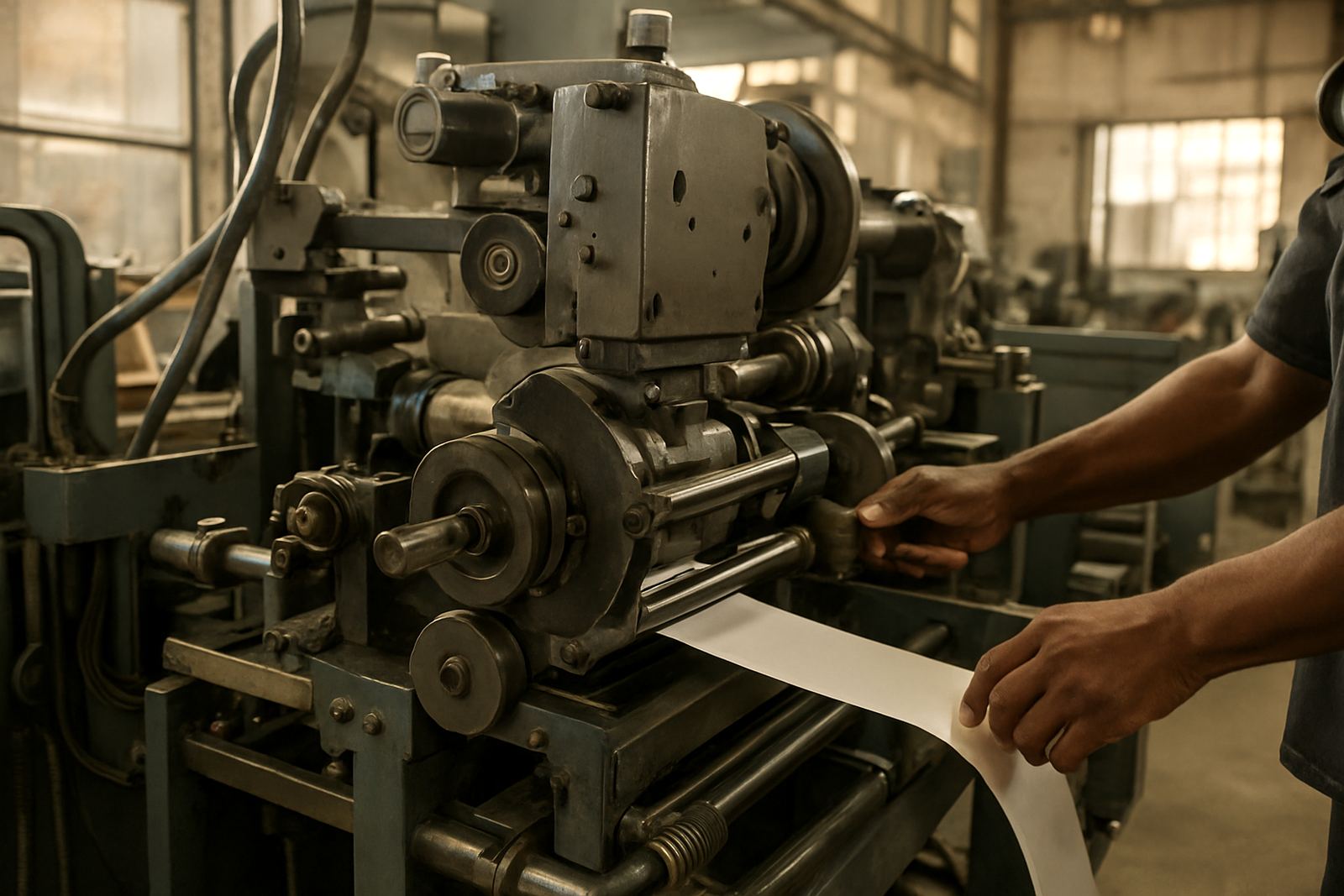
The die itself does not need power or gas, but it must be installed correctly on the press. Rotary and magnetic tooling depends on accurate bearer setting, correct cylinder fit and stable web tension. If the press is not set properly, the best die can still cut poorly. We can supply press trial support and practical guidance on fitment, especially where a site runs older equipment or multiple shifts with different operators.
Before fitting a new food label die, check the following: the press width, repeat length, core or cylinder compatibility, web path, adhesive type and the final trim arrangement. In many plants, load shedding also affects production timing, so it helps to have the die on site before the window opens and to keep the job notes together with the tooling. That keeps the line moving and reduces wasted stock.
- No dedicated electricity or gas is required for the die itself
- Press compatibility must match the die format and repeat
- Clean, dry storage is best before and after use
- Operator notes should stay with the job for future repeat runs
Care, servicing and repeat order support
Food label dies last longer when they are cleaned after use and stored properly. Paper dust, adhesive residue and fine stock fibres can build up on the cutting edge and affect the next run. For flexible magnetic systems, magnet checks help identify loss of pull or uneven seating, while solid dies may need die regrind or bearer adjustment after extended use. We also handle cylinder refurb where the tooling body is still sound but the working face needs attention.
For busy printers, the main benefit is repeatability. Once a food label shape has been approved, we keep the profile and job details ready for the next order. That means less back and forth, fewer proof cycles and faster turnaround when a customer needs a repeat or an urgent remake. If the artwork or board spec changes, we can compare the old and new job notes and advise on the best adjustment before production starts.
- Wipe down after use and remove adhesive build up
- Store flat, dry and clearly marked by job number
- Check cutting quality before the next full production run
- Book regrind, refurbishment or replacement before edges fail
What to send when ordering a food label die
Clear job details save time and prevent costly remake work. If you are ordering a new food label die, send the artwork and tell us the material, press type, repeat length and quantity. If it is a repeat job, include the old job reference or a sample if available. We also need to know whether the label must peel cleanly, whether the cut should kiss only, and if there are any tight corners, apertures or registration marks that need special attention.
The more accurate the information, the better the fit on press and the cleaner the finish. Our team in Germiston handles die design, CAD proofing, stock advice, packing and dispatch, and delivery coordination across South Africa. If you are unsure about one of the details, send what you have and we will work through it with you. A short callout from the press room often avoids a long delay later.
- Artwork or a clear sample of the label
- Material type and thickness
- Press model or die format required
- Repeat length, quantity and turnaround needed
Key facts
| Product type | Food label dies for rotary and flexible converting |
|---|---|
| Construction options | Rotary solid dies, flexible magnetic dies, magnetic cylinders |
| Typical use | Food packaging labels, wraps, seals and short run pack labels |
| Service area | South Africa, including Germiston, Johannesburg, Pretoria, Durban, Cape Town and Gqeberha |
| Support services | Die Design, CAD Proofing, Repeat Matching, Die Regrind, Bearer Setting, Magnet Checks, Press Trial Support |
| Power or gas need | None for the die itself, press compatibility required for fitment |