Rotary Perforation Dies For Clean Tear Lines
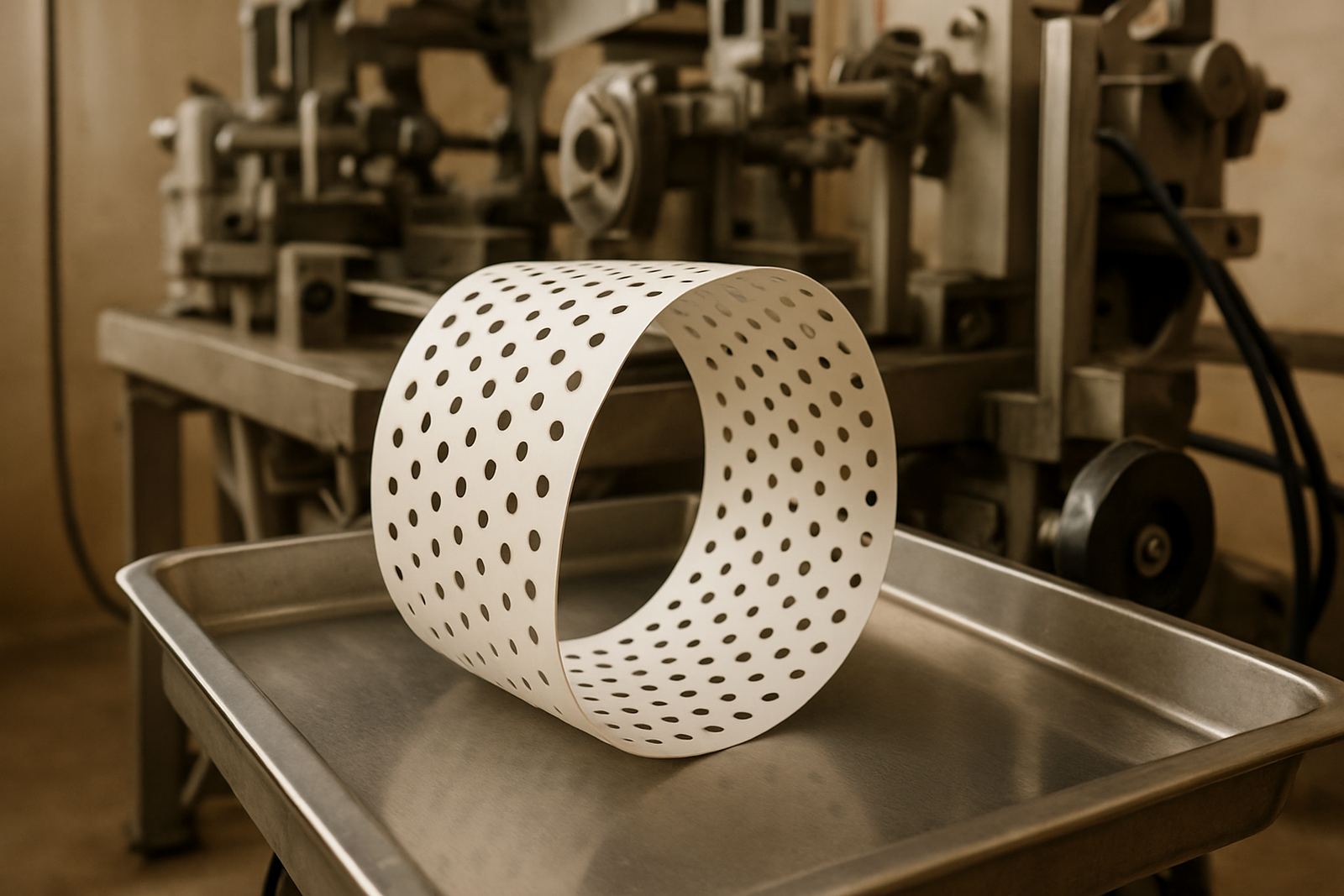
Perforation dies are used when a label, tag or pack panel must separate in a controlled way rather than cut through completely. The die creates a row of cut and bridge points, so the material tears neatly by hand while still running cleanly on press. This is common on coupons, return labels, ticket strips, loyalty packs and products that need a removable section.
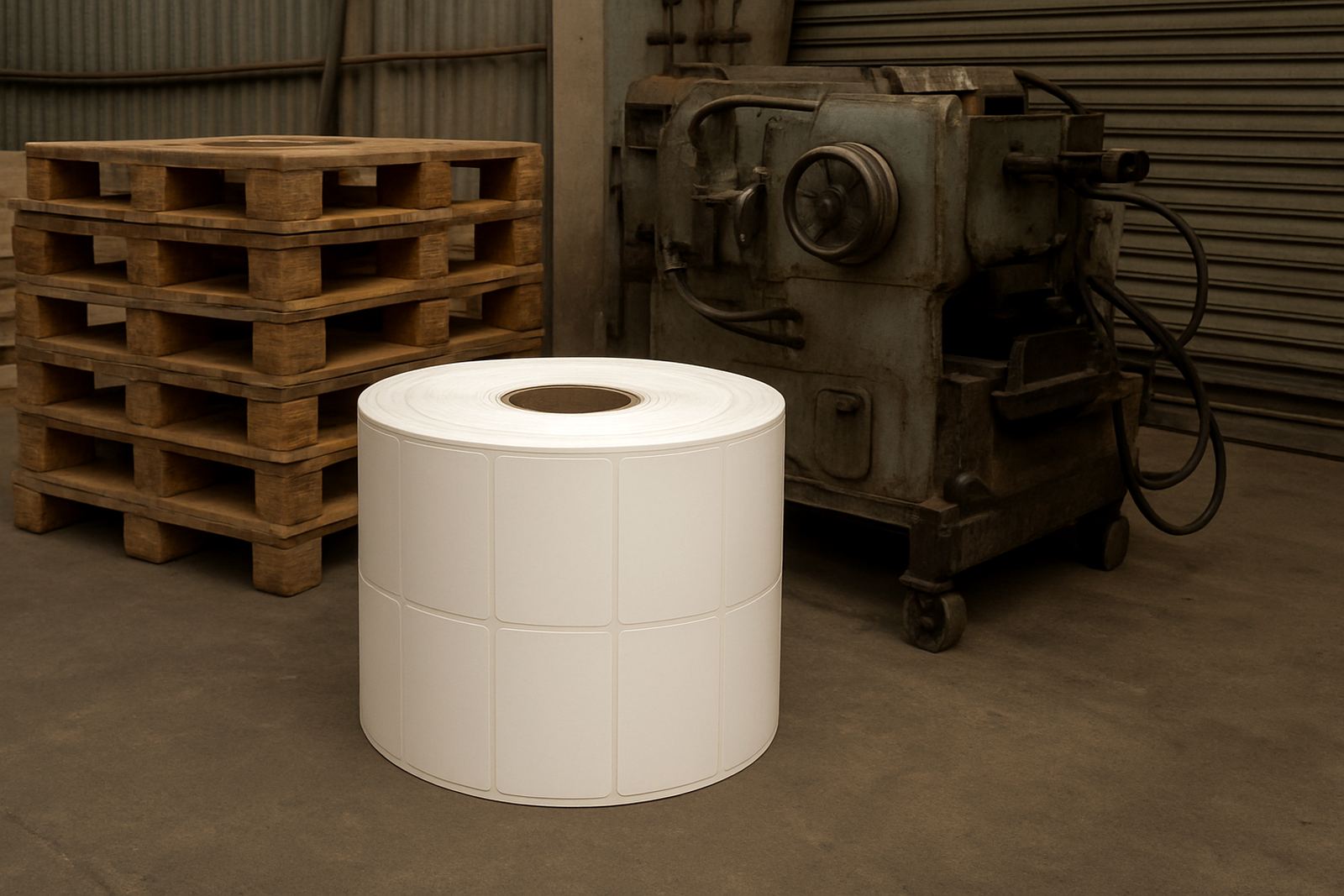
At LabelCutter Dies in Wadeville, Germiston, we make perforation dies to suit label converters working across Johannesburg, Pretoria, Durban, Cape Town and Gqeberha. Each die is made to order for the stock, adhesive, press width and repeat length you are running. On narrow webs the bridge size matters a lot, as does the angle and spacing of the perforation. A poor pattern can cause premature tearing, register drift or waste on the rewind.
We work to precise tolerances so the perforation pattern stays consistent from the first roll to repeat orders later. That is important when a customer comes back six months later and wants the same tear feel on a new print job. Marius Jacobus van der Merwe and the team check the job details, then match the die to the press and finishing process, not just to the artwork line.
Sizes, Patterns And Build Options
Perforation dies are not one-size-fits-all. The pattern depends on what the finished label must do, how strong the carrier web is and whether the job is running on paper, film or laminate. We can set up full perforation, micro perforation, partial perforation and combination patterns where a cut section is followed by a hold section.
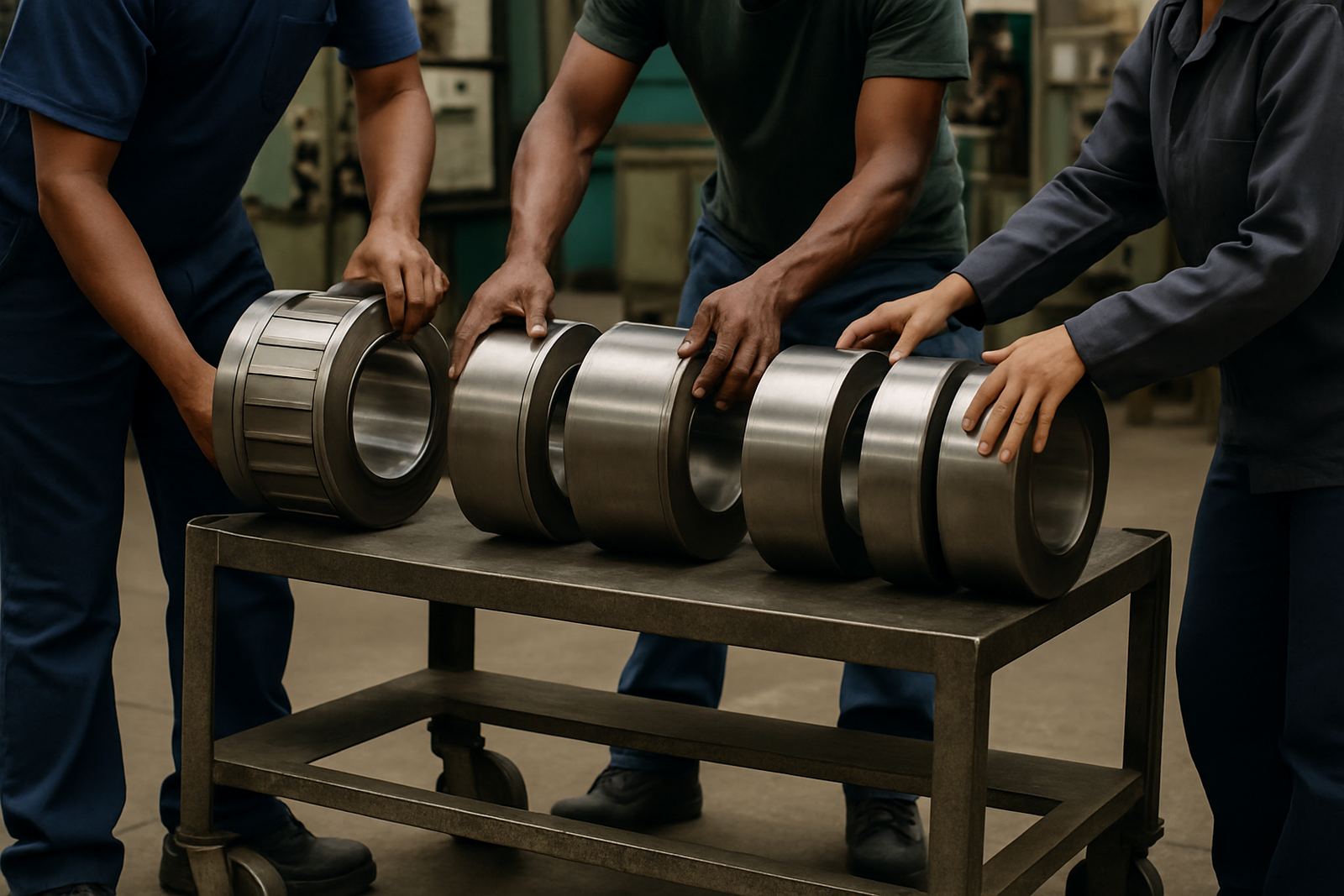
Common working sizes range from small repeat labels on narrow webs through to wider sleeves and wrap labels with longer repeats. Typical rotary diameters are set to suit the machine and repeat, while the effective cutting width is matched to the label layout. For flexible magnetic dies, the strip profile is made to the cylinder and the press setup. We can also supply magnetic cylinders for repeat jobs where quick changeover matters.
Options include different bridge lengths, perf spacing, cutting depth and bearer settings. If the job needs easy tear but must not split during winding, we will usually specify a tighter bridge pattern and check the substrate for stretch. For heavier stocks or kraft label materials, the perforation needs to be stronger than on thin PE or PP films.
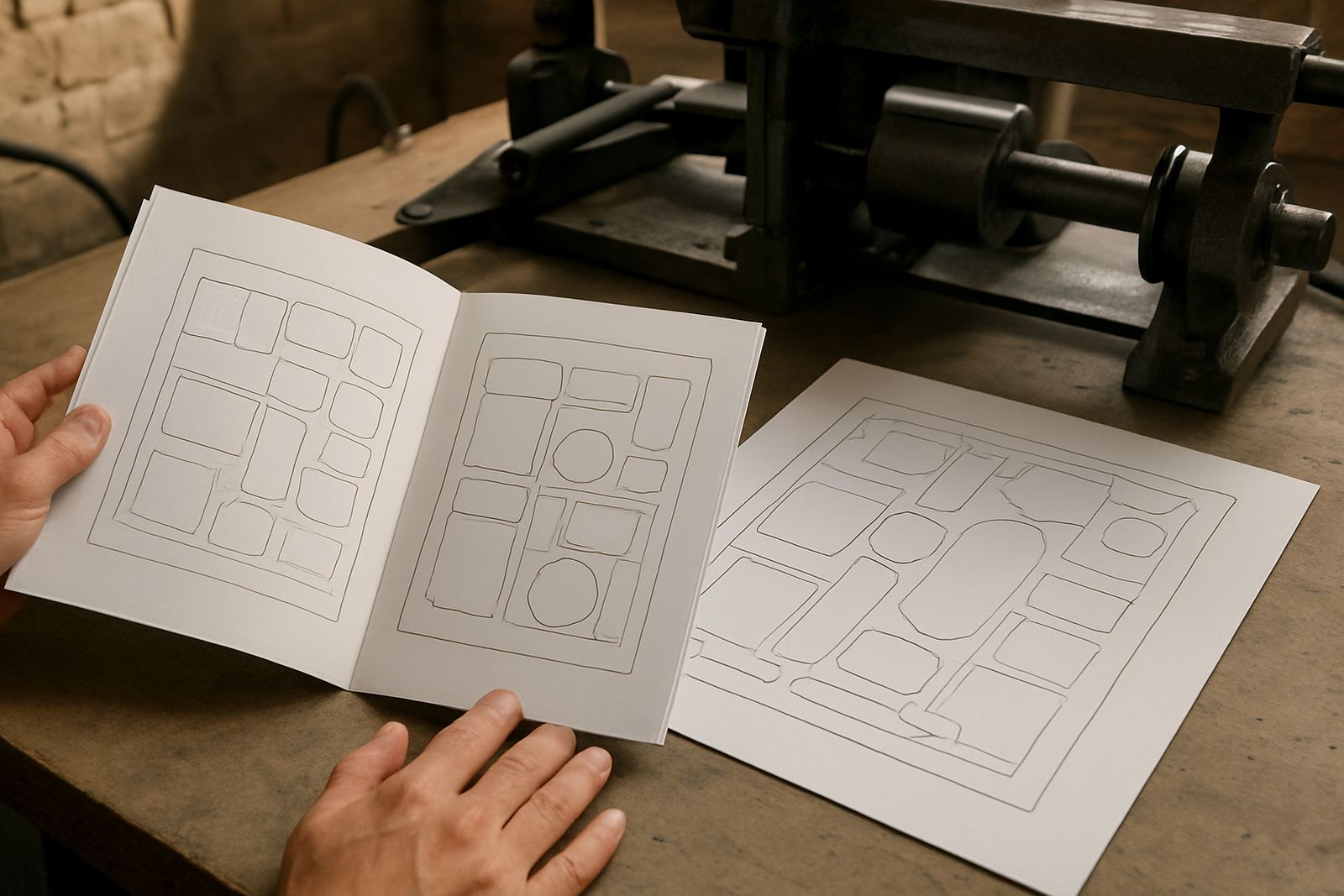
When you send an enquiry, include the repeat, web width and the exact tear requirement. If the label must tear from left to right, top to bottom or only at a certain section, say so clearly. That saves time in CAD proofing and helps avoid rework.
- Pattern types: full perf, micro perf, partial perf and mixed perf
- Common repeat lengths: made to order for the press setup
- Material options: solid rotary, flexible magnetic and magnetic cylinder formats
- Bridge and cut dimensions: set to suit tear strength and rewind stability
Where Perforation Dies Work Best
These dies suit label printers, converters and pack finishers who need a neat tear line without slowing production. They are used on removable coupon labels, inspection tags, medical pack labels, promotional strips, carton seals and multi-part labels. In colder inland areas the material can behave differently to coastal humidity, so we factor in stock movement and adhesive response for jobs going to Durban or Cape Town as well as Gauteng.
Perforation dies are also useful where the end user must open or remove a section with one hand. On a busy line, especially during load-shedding recovery or when a press is being started and stopped, the die must still track properly and keep the cut consistent. That means the tooling has to be right from the start, not adjusted by trial and error on every run.
We support customers across Germiston Supply, Johannesburg Deliveries, Pretoria Deliveries, Durban Deliveries, Pinetown Deliveries, Cape Town Deliveries, Bellville Deliveries and Gqeberha Deliveries. For customers in industrial areas and port towns, we can also advise on packing and dispatch so the tooling arrives ready for fitment and storage.
- Ideal for coupon labels and tear-away promotional sections
- Useful on pack seals, tags and inspection labels
- Works across short runs, repeat jobs and urgent remakes
- Can be matched to humid coastal conditions and inland production changes
Installation, Press Setup And Power Needs
Perforation dies themselves do not need power or gas, but the press and finishing line do need a stable setup. The die must be mounted square, with the bearer contact set correctly and the cylinder or magnetic base checked before the run starts. If the bearer setting is wrong, the perforation can cut too deep on one side and too light on the other.
For rotary solid dies and magnetic cylinders, the machine should be clean, aligned and free of debris on the mounting points. If the job runs with UV curing, drying or slitting next to the die station, make sure the line speed and heat are being managed properly. Heat can change the behaviour of some stocks, especially thin films and pressure sensitive materials.
We can assist with bearer setting, magnet checks and press trial support. For converters who change jobs often, a repeat matching check helps to make sure the next run behaves like the last one. Ruhan de Beer and Siyanda Letsoalo handle the technical side and machine shop coordination, while Nirasha Ramdass checks the artwork and CAD details before cutting starts.
If your press is standing due to load-shedding or maintenance, keep the die dry and stored flat. Avoid placing it near open floors where dust, oil mist or moisture can build up. In coastal areas, a light protective routine is worth the effort because humidity can affect stored tooling over time.
Care, Regrind And Repeat Matching
Like any precision tooling, a perforation die needs proper care if you want it to stay accurate. Clean the die after use, check for nicking on the cutting edge and keep it packed so the teeth are protected during transport. Small damage on a perforation edge can change the tear feel immediately and create problems on the next run.
We offer die regrind and cylinder refurb services for older tooling, which is often cheaper than replacing the full set when the base condition is still sound. If the job is repeated often, repeat matching makes it easier to keep the same tear line, especially when the customer expects the same opening force on every batch. For jobs with fine bridges or short repeats, even a small wear change can make a noticeable difference.
If you are not sure whether the existing die can be saved, send clear samples and the previous job details through the enquiry form on our contact page. We can advise on whether the pattern needs adjustment, whether the bearer setting has shifted, or whether a fresh remake will give you a better result.
- Clean and dry after use to protect cutting edges
- Store flat and packed for transport between sites
- Use regrind or refurb when the base tooling is still serviceable
- Repeat matching helps keep tear strength consistent across batches
What To Check Before You Order
The best perforation die starts with complete job information. We need to know the substrate, label size, repeat, press type and the exact part of the label that must tear. If there is a coupon, flap or security section, mark it clearly on the artwork or explain it in plain language. The more exact the brief, the less chance there is of a mismatch on press.
Check these job details before placing the order: the web width, repeat length, total number of up and across labels, whether you need solid rotary or flexible magnetic tooling, and if the job must be suitable for a quick changeover. Also mention any municipal or retail pack rules that affect the label layout, because some packs need a specific opening behaviour or traceable tear section.
We can supply stock advice, packing and dispatch, and delivery coordination for converters across South Africa. If the job is urgent, say so upfront. Anele Mthembu handles dispatch coordination, and the team will confirm what can be turned around quickly without compromising the tolerance or the perforation pattern.
Key facts
| Product type | Rotary perforation dies for label converting |
|---|---|
| Tooling formats | Solid rotary dies, flexible magnetic dies, magnetic cylinders |
| Typical use | Coupons, tear-off sections, pack seals and controlled separation |
| Tolerance focus | Precise repeat matching and consistent bridge spacing |
| Service area | Supply coverage for Germiston, Johannesburg, Pretoria, Durban, Cape Town and Gqeberha |
| Support services | Die design, CAD proofing, bearer setting, regrind and press trial support |