Start with the job type and the press it will run on
Before you budget, pin down the label spec, the press type and the monthly volume. A short-run self adhesive label for a Johannesburg promo job does not need the same tooling plan as a long repeat bakery run in Durban or a high-volume beverage line in Cape Town. The more clearly you define the job, the easier it is to compare tool life, lead time and the true cost per thousand labels.
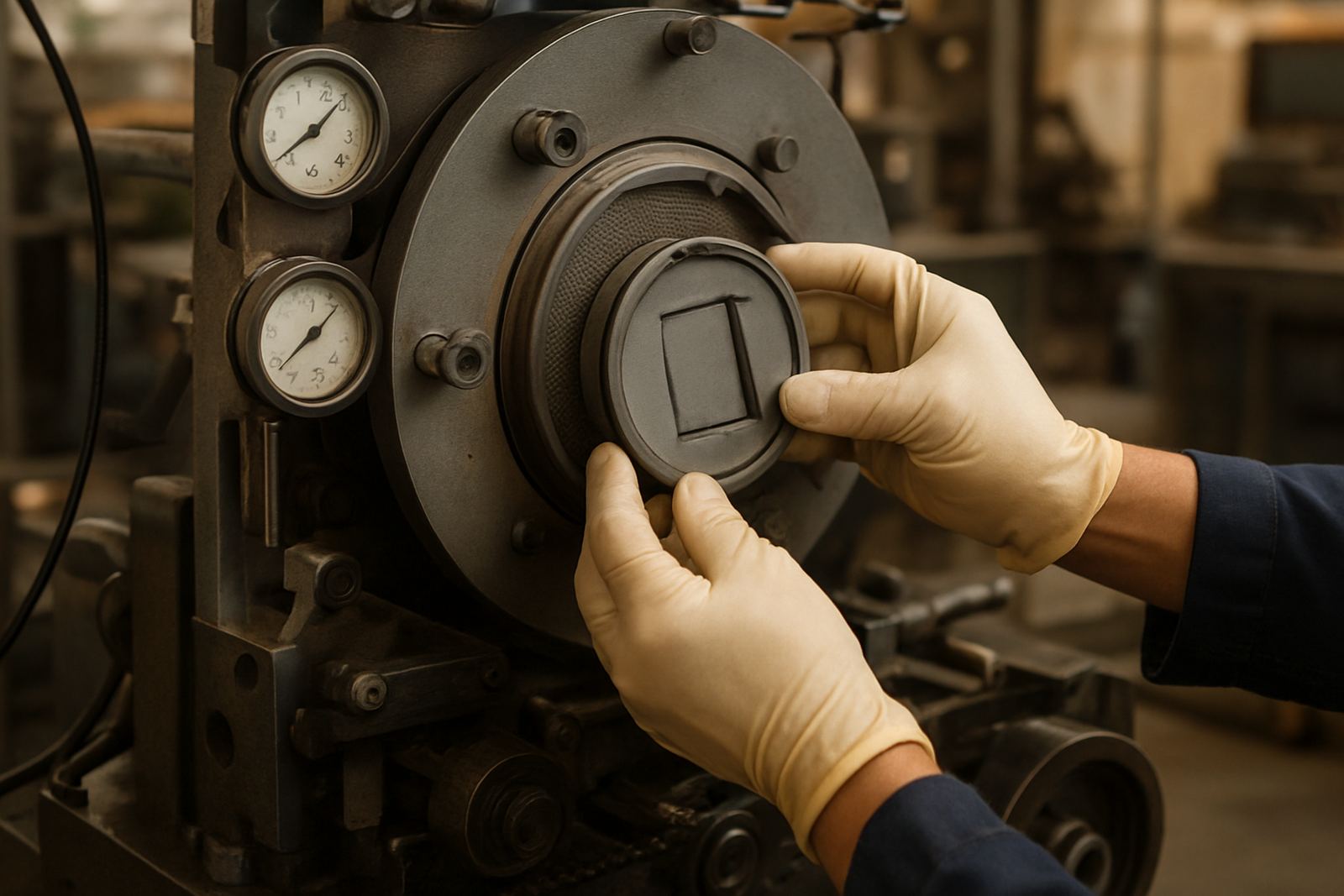
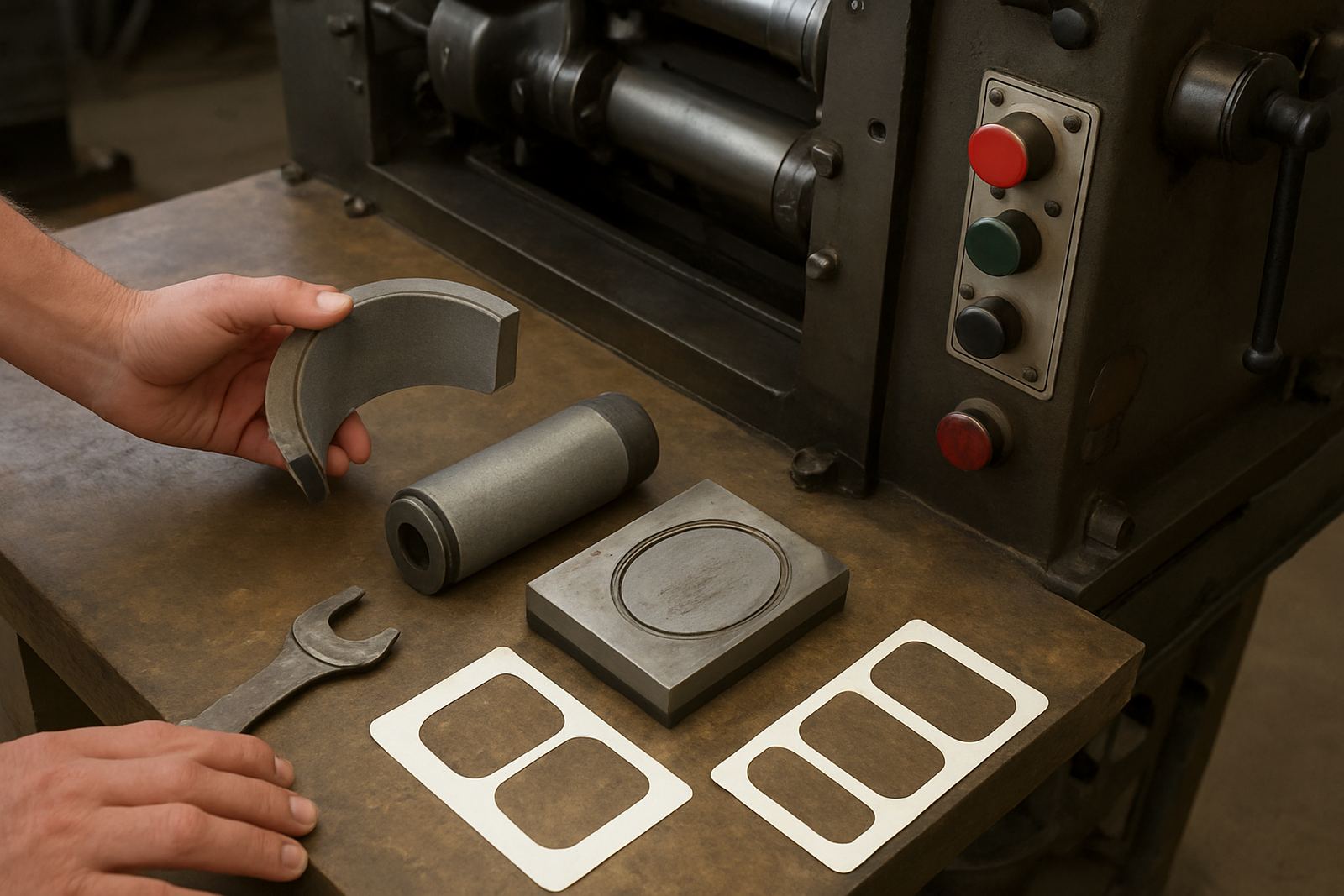
For budgeting, separate the tooling from the print run. Ask whether the job will run on a rotary press, a magnetic cylinder setup, or a flexible die with a magnetic base. Solid rotary dies usually suit higher durability needs, while flexible dies can make sense for repeat work where speed and flexibility matter. If the press setup changes often, factor in setup time and bearer settings as part of the cost, not only the cutting tool itself.
At this stage, a simple note helps: record material type, label size, cavity count, repeat length and whether the job is likely to return. That small habit saves a lot of back and forth later, especially when a customer wants the same label six months after the first run and expects the tooling to behave exactly the same.
Build a repeat-job budget, not a once-off quote
Repeat work is where a sensible budget pays off. If a label returns every quarter, the first tooling price is only part of the story. You also need to plan for matching, cleaning, storage and possible regrind or refurb work over time. A die that is stored badly or left on a humid floor can cost more later than a slightly higher-quality tool handled properly from the start.
Use these repeat-job checks when planning the budget:
- How often does the label repeat, and is the artwork likely to change?
- Will the same press and material be used each time?
- Is the die likely to need repeat matching after long storage?
- Do you need pack-and-dispatch support for multiple branches or sites?
- Should you set aside a small allowance for press trial support or minor adjustments?
For converters serving Gauteng, KZN and the Western Cape, transport and timing can also affect the budget. If a die needs to move between Germiston, Pretoria, Pinetown or Bellville, you should account for dispatch coordination and the cost of getting the right tooling back on press on time. Small delays can create overtime, and overtime is part of tooling value even if it never appears on the original quote.
Allow for rush work and urgent remakes
Rush work is where many budgets go off track. A same-day or next-day remake can cost far more than the original tool because it disrupts the production queue, machine setup and dispatch planning. If your business handles urgent supermarket changes, seasonal artwork or last-minute customer approvals, keep a rush allowance in your budget model.
A practical way to budget is to split urgent costs into three parts: priority production, faster dispatch, and any press recovery time if the first die did not perform as expected. Even when the issue is small, like a bearer setting correction or a magnet check after a long production run, it can still affect the total cost of the job.
Keep a small reserve for these situations:
- Artwork corrections after approval
- Urgent remakes for damaged or worn tooling
- Extra transport cost for same-day deliveries
- Press trial support when a customer changes substrate
- Temporary stock cover while a replacement tool is made
In South Africa, load-shedding can also affect timings for machines, planning and dispatch. If a plant loses a shift, the budget should include a buffer for rescheduling, because rush jobs after a power cut often cost more than the tool itself. It is better to budget for one controlled urgent job than to let several small emergencies stack up.
Track total tooling value over 12 to 36 months
The cheapest die on paper is not always the cheapest tool over time. To see the true value, track how long the die lasts, how many repeats it handles, and whether it stays accurate after cleaning and storage. A tool that lasts through several repeat orders in Johannesburg, Pretoria or Gqeberha may cost less per job than a cheaper one that needs early correction.
When you review tooling value, include the following:
- Initial manufacture cost
- Number of successful repeat runs
- Any regrind, refurbishment or cylinder work
- Downtime avoided through accurate tolerances
- Storage and handling costs over time
For long-term planning, it helps to assign a simple lifetime value to each die. Divide the total tooling spend by the number of completed runs, then add the costs of transport, handling and any remedial work. That gives a much more honest figure than a once-off price alone. A tool that is well made and properly cared for often pays back in fewer stops, cleaner cuts and less waste on the press, even if the starting quote looked higher.
Choose the right maintenance allowance for the coastal and inland climates
South African conditions matter. A die stored in a humid Durban environment will face different risks from one kept in a dry inland warehouse in Germiston or Pretoria. Coastal moisture can affect corrosion, while dust and temperature changes can affect fit and repeat accuracy. Budgeting for maintenance is not overcautious, it is practical.
Set aside a small annual allowance for checking, cleaning and reconditioning. This can include die regrind, cylinder refurb, magnet checks and repeat matching. If you are running labels for food, household or export customers, the tolerance window often narrows and any wear shows up quickly on press.
Good storage and handling also protect the budget. Keep tooling wrapped, labelled clearly and stored flat where possible. If a die is moved between production floors or branches, make sure dispatch notes and job references are complete. A missing label on the tool can lead to the wrong repeat being fitted and that mistake is costly, even if the actual damage is minor.
Use this budgeting checklist before ordering the die
A clear checklist keeps the process under control and stops the same questions from coming up on every repeat. It also helps procurement and production speak the same language, which is useful when a job moves from quote to press trial in a hurry.
- Confirm the label size, repeat and substrate
- Note whether the job is a first run or a repeat
- Check if the press needs a solid rotary die, flexible die or magnetic cylinder
- Ask whether urgent turnaround is needed
- Allow for packing, dispatch and delivery coordination
- Include a small reserve for maintenance or remake work
- Review storage and handling after the job is complete
If you budget this way, the tooling line becomes easier to defend inside the business. You can explain why one job needed more value up front, why another needed press trial support, and why repeat work should never be priced like a brand new tool. It also makes it easier to plan cash flow when several customers need labels at the same time.
For label printers and converters, the aim is not to spend less at any cost. The aim is to spend in a way that keeps the press running, protects repeat accuracy and avoids waste. That is the kind of budget that holds up through busy weeks, power interruptions and tight delivery windows.