1. Start with the cylinder and press details
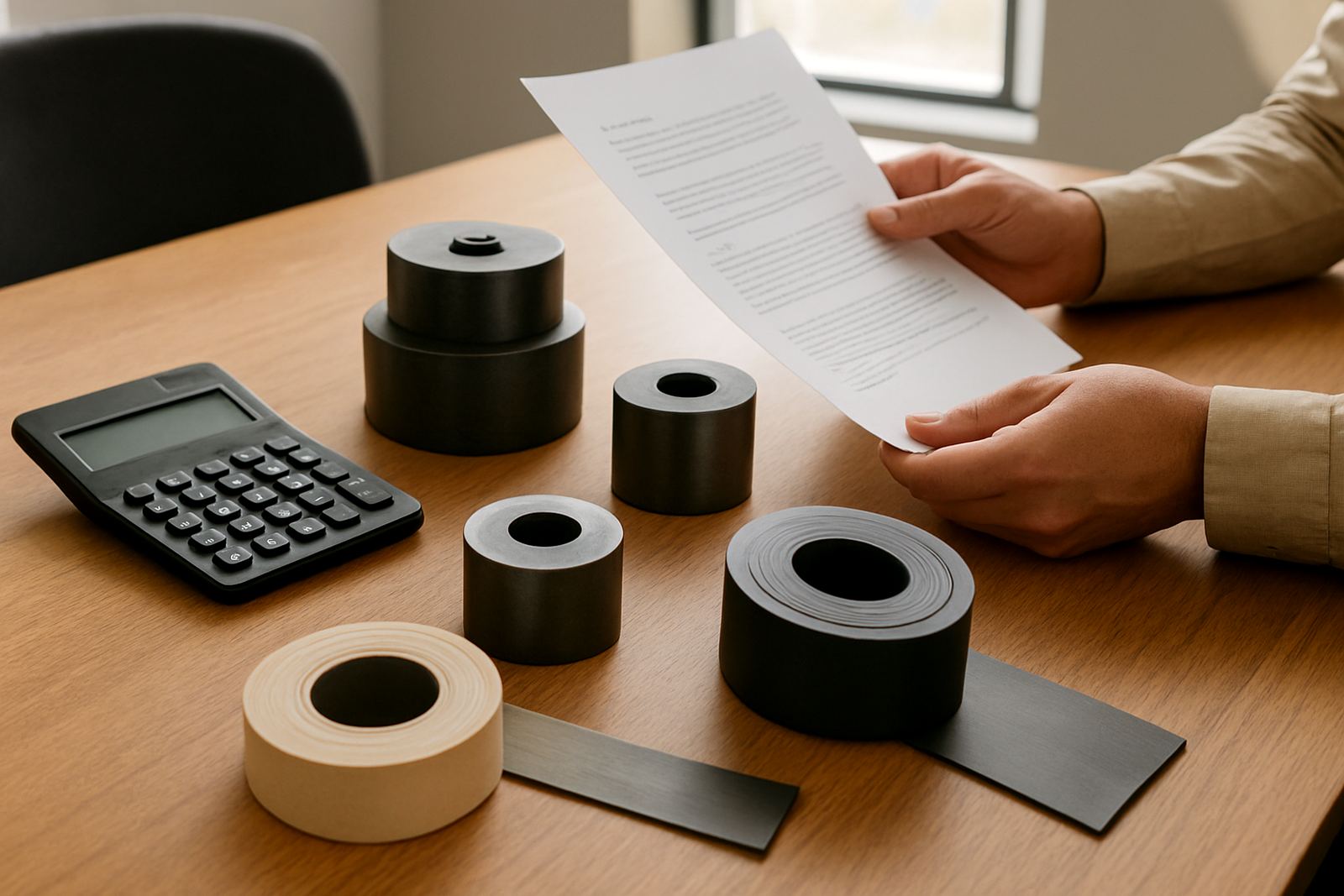
The most important point is simple: a flexible magnetic die must match the cylinder it will run on. If the die is for an existing setup, we need the cylinder diameter, face width and the exact repeat that the press is running. For label printers in Germiston, Johannesburg and Pretoria, a small variation in repeat can throw off registration across the web, especially on narrow labels.
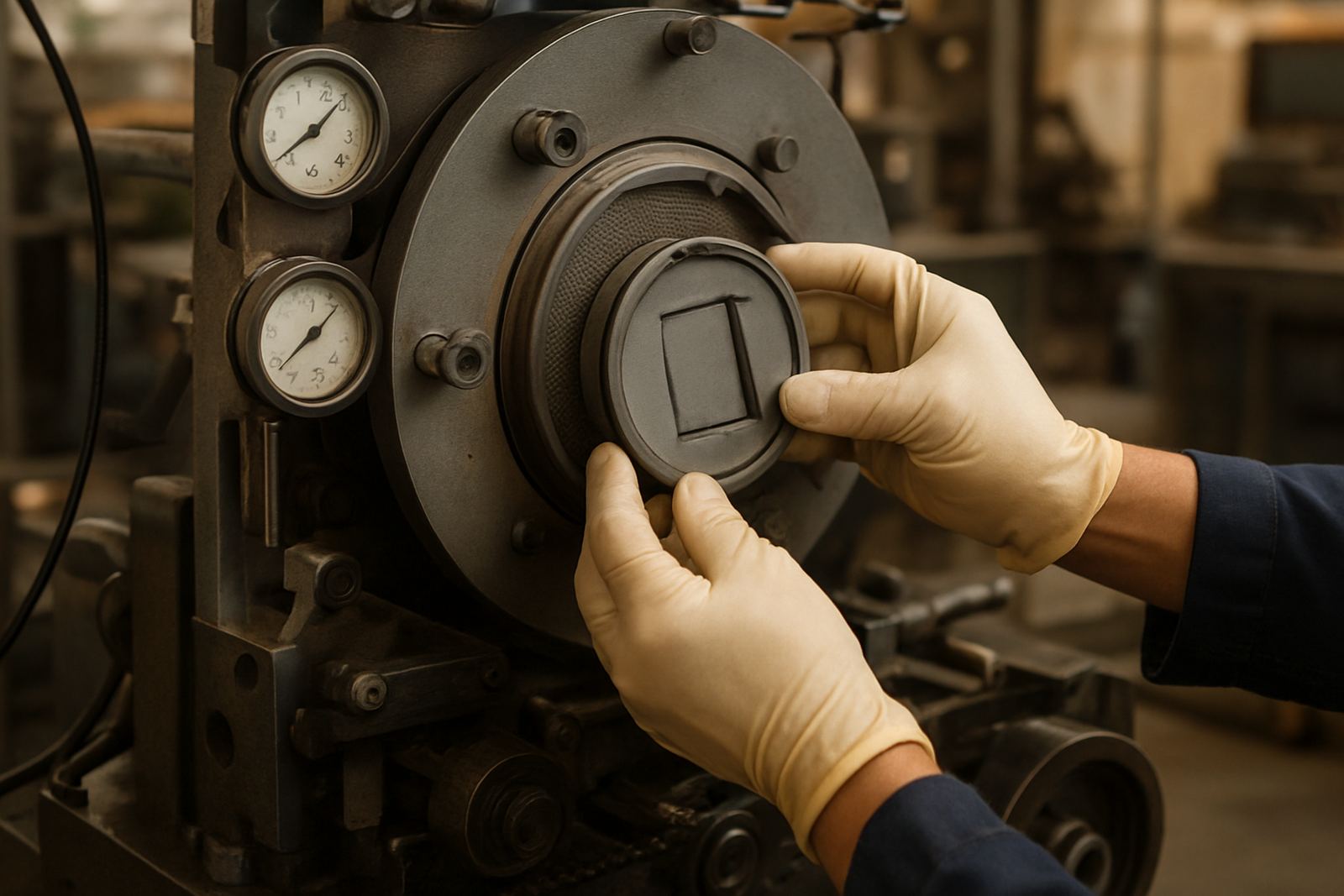
Give us the press make or model if you have it, plus the die station type and how the cylinder locates on the machine. If the cylinder has been refurbished before, tell us what was done and when. A worn bearer, scored face or poor magnet grip can affect cut quality even when the artwork is correct.
- Cylinder diameter and face width
- Repeat length in millimetres
- Press make, model and station type
- Any previous cylinder refurb or regrind
- Whether the die will run in one-up or multi-up format
2. Send artwork that reflects the actual label
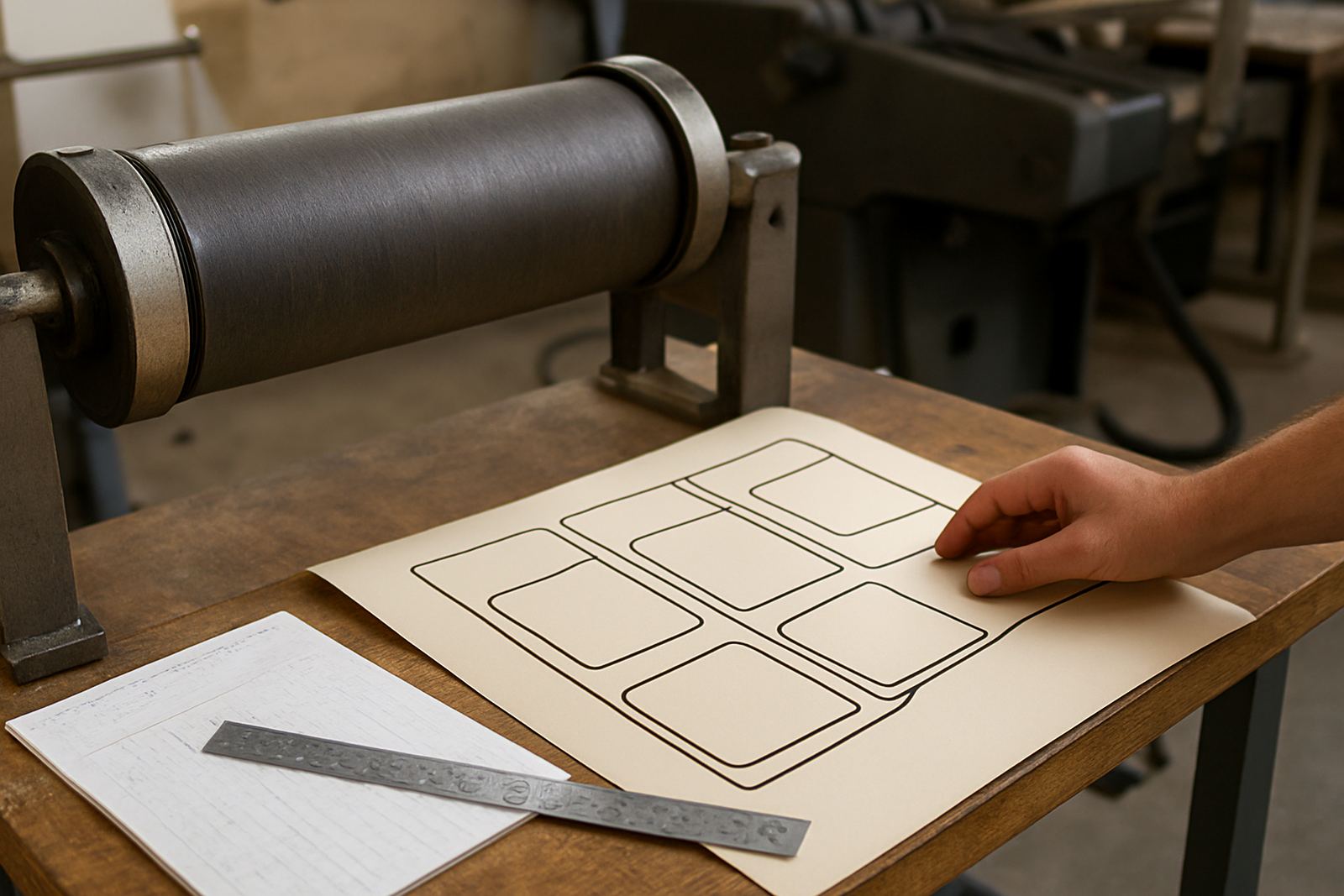
We can work from a clean PDF, AI, CDR or EPS file, but the important part is that the artwork matches the label you want to cut. If the artwork was resized after approval, say so. A label that looks fine on screen can still miss the cylinder repeat by a few tenths, which is enough to cause trimming issues or a weak kiss cut.
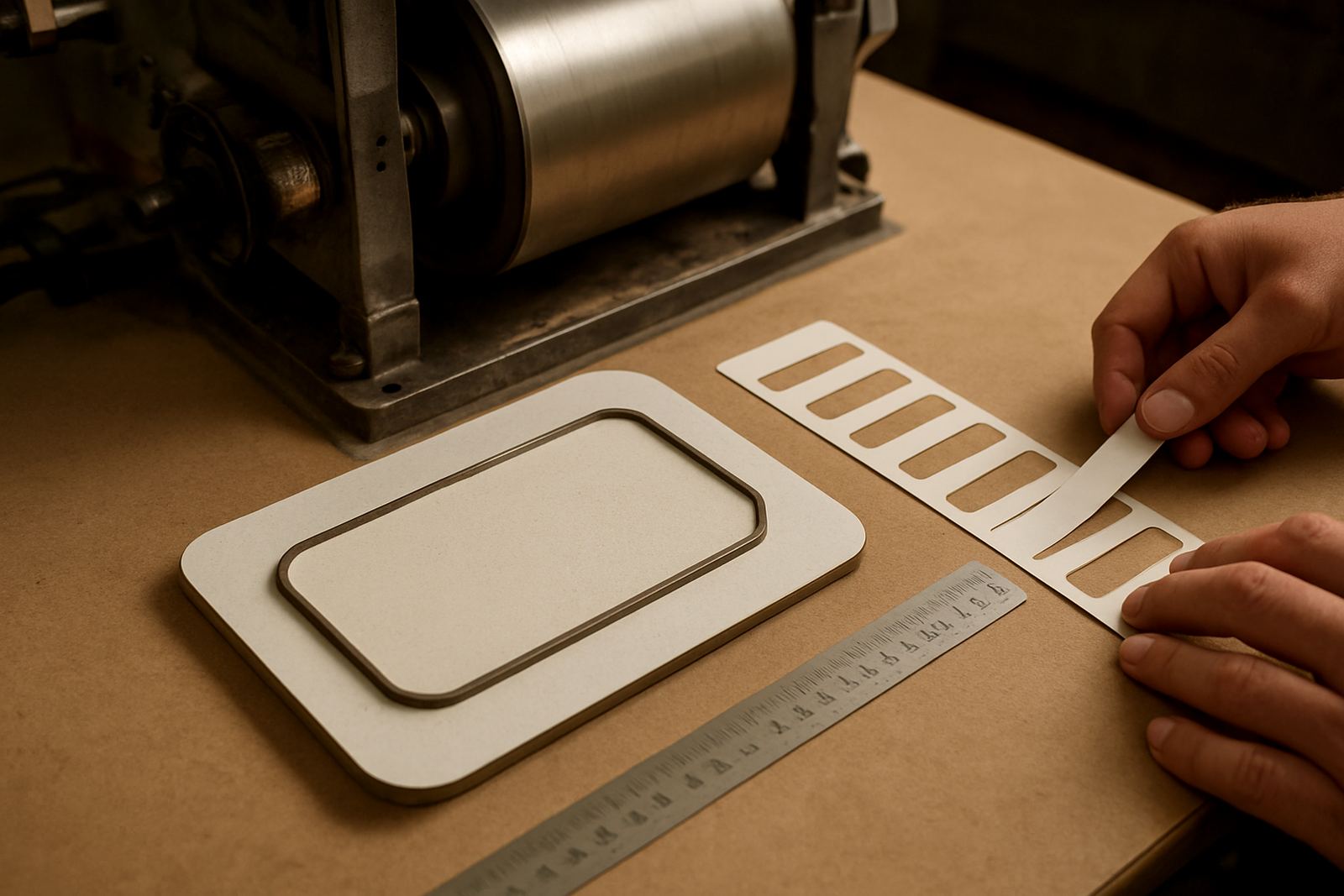
Include any bleed, cut lines, perforations and corner radii. If the label has variable data, side slits or a peel feature, mark it clearly. For coastal jobs in Durban, Pinetown or Cape Town, we also check whether the stock and adhesive suit the humidity and handling on the plant floor.
- Final artwork file, not an older draft
- Cut lines, perforations and bleed clearly marked
- Corner radius, label gap and strip layout
- Material type and adhesive type
- Any special handling or release requirement
3. Confirm the cut style and tolerance you need
Flexible dies are made for different jobs, so it helps to be specific. Tell us whether you need a kiss cut, full cut, perforation, score or a combination. If the label stock is thin or prone to stretch, we may suggest a lighter cut. If it is a heavier self-adhesive stock, the cutting depth and bearer setting need tighter control.
Do not leave tolerance to guesswork. If you need a repeat held for long runs, say so at the start. That way we can plan the die profile, edge finish and proofing steps around the press conditions. We see a lot of repeat matching work where the issue is not the die itself, but an old set-up being run at the wrong tension.
- Kiss cut, full cut, perforation or score
- Required tolerance or cut depth preference
- Stock thickness and adhesive build-up
- Run length and whether the job is short or ongoing
- Any history of edge lift, liner damage or overcut
4. Check press condition before you place the order
A good die can still underperform on a press with worn parts. Before ordering, check the cylinder face, magnet pull and bearer condition. If your machine has had load-shedding stoppages, it is worth checking whether the press was restarted under uneven tension or if the stock sat in a hot bay and curled. Those things show up in cutting sooner than people expect.
We can advise on press trial support, magnet checks and bearer setting, but we still need honest feedback from the floor. If there is chatter, drag or uneven depth on the current die, tell us where it happens on the web. That detail helps us decide whether the problem is the cylinder, the stock, or the tool path.
- Check bearer wear and any flat spots
- Inspect magnet grip and cylinder seating
- Look for chatter marks, drag or cut fade
- Confirm web tension and guide stability
- Note any stoppages, heat or humidity effects
5. Use the repeat matching checklist for reorders
If you are reordering a flexible die, the easiest route is to match the old job exactly. Send the previous job number, a sample if you have one, and the press notes. Repeat matching is faster when we can compare the old cutter to the current artwork, instead of rebuilding the job from memory. Missing one detail can lead to a remake, which nobody wants when the delivery is going to Cape Town or Gqeberha.
For repeat jobs, also confirm whether the customer has changed the label size, stock or adhesive. Even a small change in label length or liner thickness can alter the cut depth. If the job has been on long storage, check the sample for curl, cracking or adhesive bleed before approving the new die. It is a small step, but very useful.
6. Final approval, packing and delivery
Once we have the artwork, press details and cut requirements, we prepare the die and proof the critical dimensions before dispatch. If you need urgent remakes or a tight turnaround, tell us upfront so we can plan production and packing accordingly. We supply label converters across South Africa, from Wadeville and Germiston to Johannesburg, Pretoria, Durban, Pinetown, Cape Town and Bellville.
When the die leaves our shop, keep the packing clean and dry, especially for coastal receiving points. Store the die flat, away from grit and oil, and check it before the press starts up. A small nick in the cutting edge or a dirty magnet face can affect the first run. That is why stock advice, packing and dispatch matter just as much as the cutting itself.
- Confirm the final drawing before production starts
- Tell us if the order is urgent or tied to a press booking
- Store the die flat, dry and clean on arrival
- Inspect the edge before first use
- Report any issue right away so we can assist