Confirm the order details before the press stops
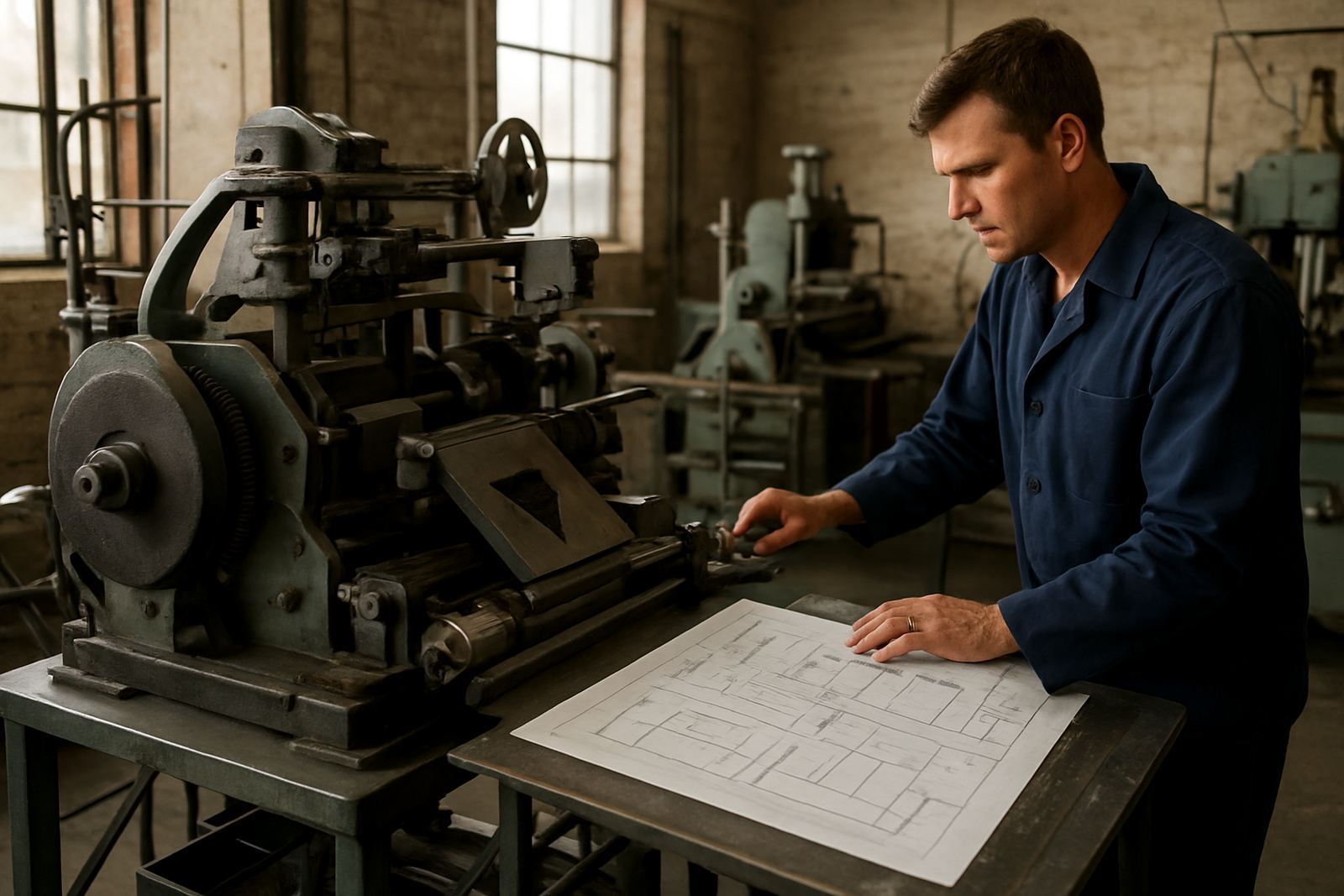
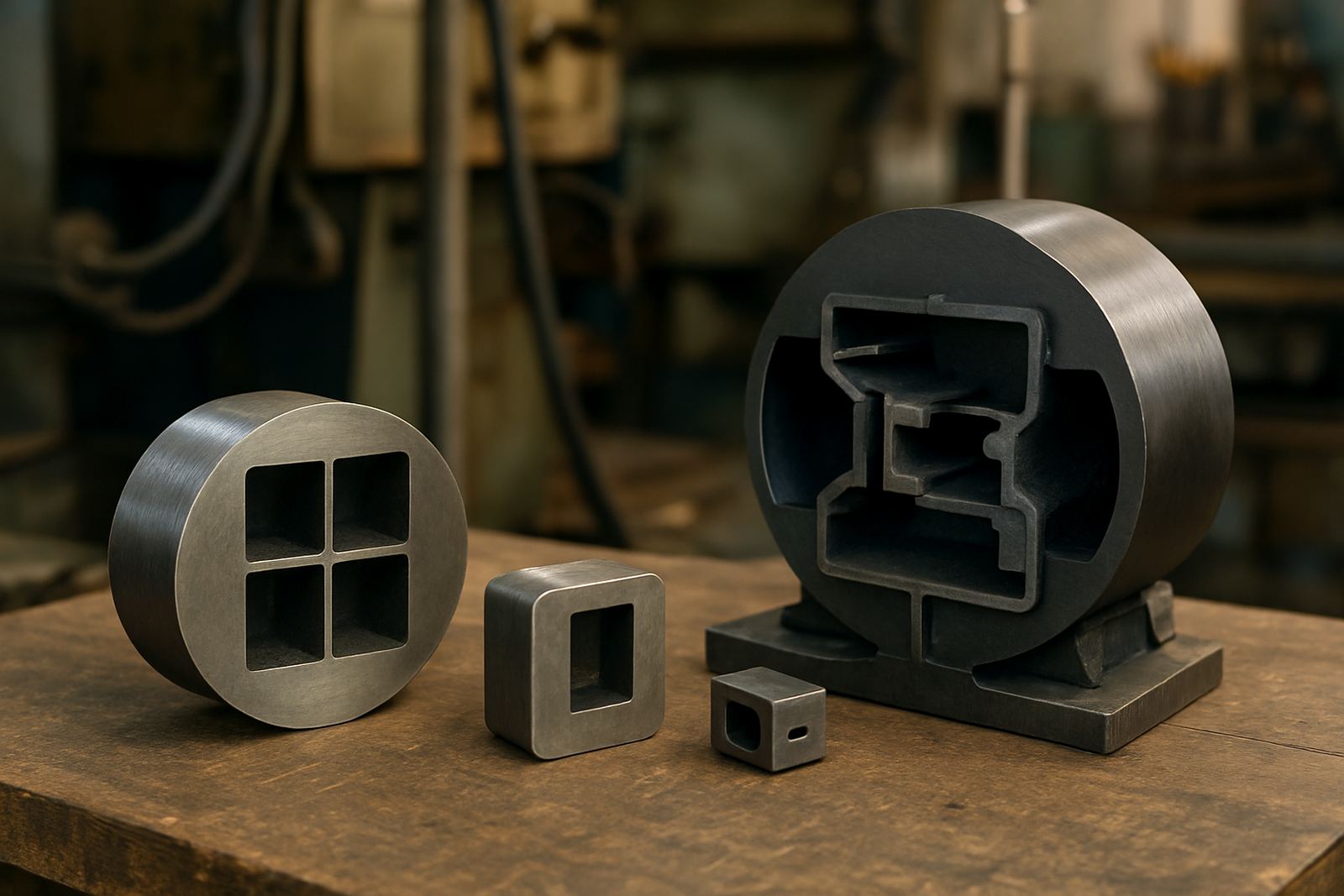
Before you book the trial, make sure the job brief matches the tool that arrived. Check the repeat, label size, material spec, adhesive type and whether you are running a rotary solid die, flexible magnetic die or magnetic cylinder. If the job is for a reprint, compare it against the last approved sample and note any changes in artwork, barcode size or finishing.
For converters in Johannesburg, Germiston, Pretoria, Durban, Cape Town or Gqeberha, it helps to keep one person responsible for the final sign off. That avoids confusion when the pressroom, design team and production office all have different copies of the brief.
- Confirm repeat length and label count
- Check substrate thickness, liner type and adhesive
- Match the die type to the press setup
- Verify whether the job is new or a repeat
- Note any special tolerances, slitting or perforation needs
Set the press up for the material you are running
Every substrate behaves differently. Paper, film and heavier board stocks do not tension the same way, and humidity can shift how a web tracks especially on coastal sites like Durban and Cape Town. If the press has been sitting through load-shedding, let it stabilise before you start, and check that any heaters, vacuum, drive settings and web guides are back at normal operating condition.
Clean the feed path, remove old trim and make sure the tooling area is free of dust and adhesive build-up. A small amount of debris can affect cut depth and registration. If you are running a magnetic cylinder, confirm that the face is clean and the mounting surface is true.
- Inspect web guides, rollers and tension settings
- Check the press for dust, adhesive and trim offcuts
- Allow machine temperatures to settle before trialling
- Confirm suction, registration and unwind control
- Keep a spare set of critical tools close by
Have the right samples and measurements on hand
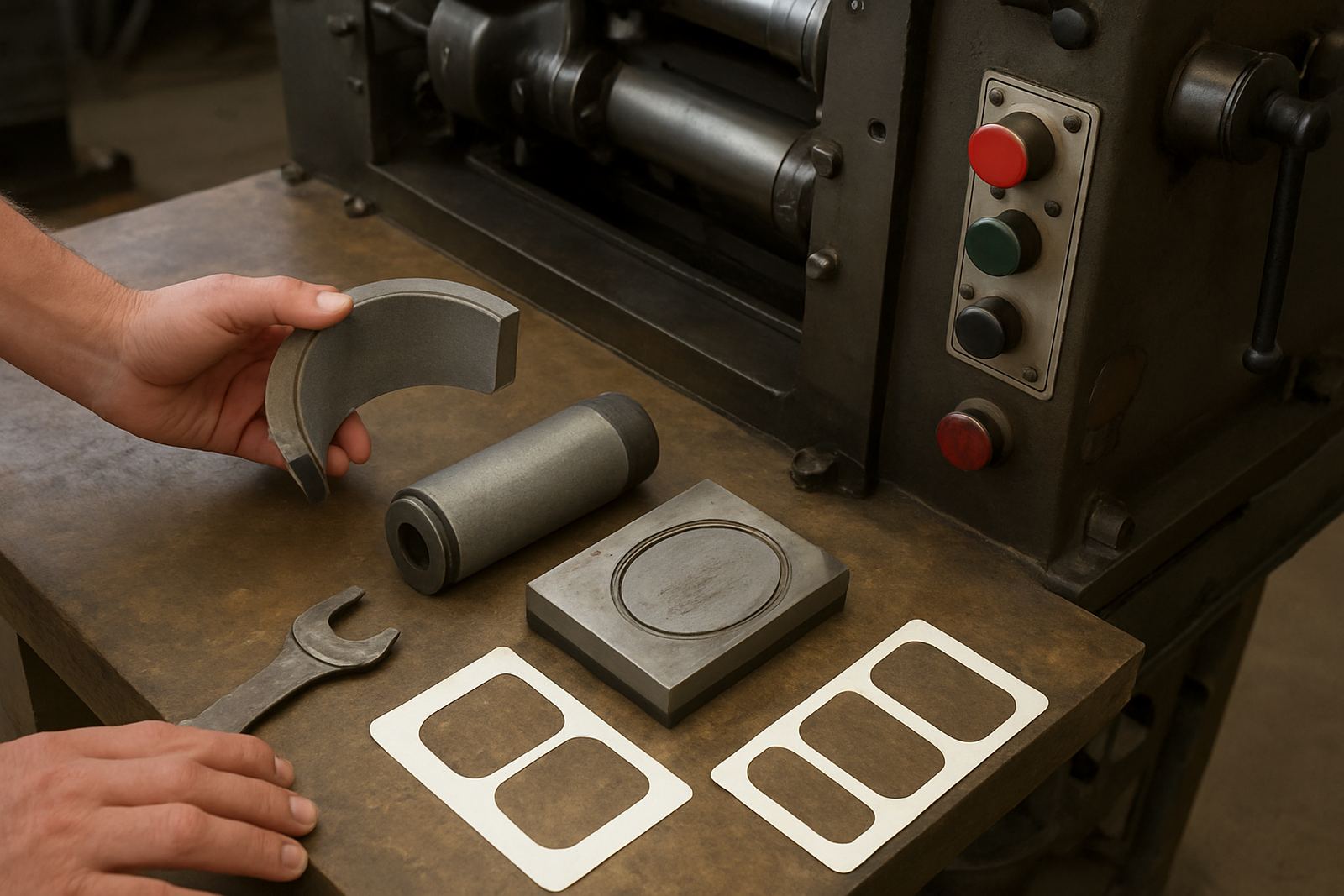
A press trial is easier when you can compare what is happening on the machine with a physical sample. Bring approved prints, previous labels, cutter proofs and any customer reference sheets. If the job has been repeated before, compare the new setup against the last good run so you can see whether the issue is coming from the tool, the stock or the press settings.
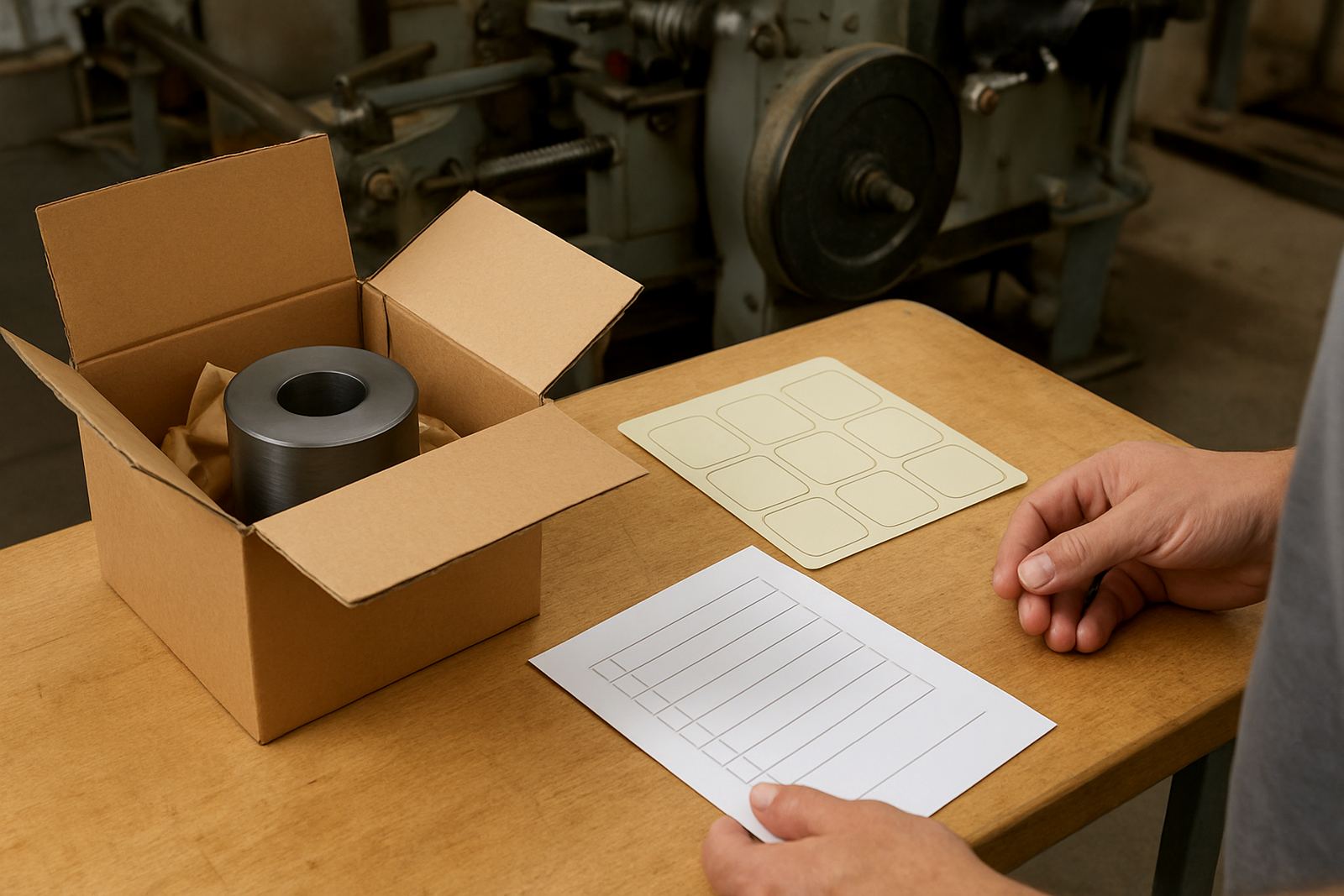
It also helps to have a ruler, micrometer, magnifier and a simple inspection sheet. Measure cut depth, burrs, kiss-cut consistency and any drift in the image to cut relationship. If you are working on a tight tolerance job, record the actual readings rather than just writing “okay”.
- Approved sample or customer sign off sheet
- Previous job sample for repeat matching
- Measuring tools for depth, width and repeat
- Magnification for edge quality checks
- Notes space for press speed and tension changes
Line up the people who will actually run the trial
Trial time is wasted when everyone arrives late or assumes someone else has brought the paperwork. Make sure the operator, supervisor, QC person and, where needed, maintenance lead are available for the full run. If the trial is being done for a new customer or a difficult repeat, include the person who knows the artwork history and the person who will approve dispatch.
At LabelCutter Dies in Wadeville, Germiston, we often see better results when the press team sends one clear contact to handle the enquiry and follow through. That keeps the feedback loop short, whether the job is going to Johannesburg Deliveries, Pretoria Deliveries, Durban Deliveries, Pinetown Deliveries, Cape Town Deliveries or Bellville Deliveries.
- Assign one person to approve changes
- Keep the operator and QC person on the same schedule
- Have maintenance on standby for machine issues
- Record who approved the final sample
- Set a realistic time slot for setup and checks
Use a simple trial sheet and record every adjustment
During the trial, write down each change you make. Include press speed, tension, bearer setting, cut depth, registration, temperature and any cylinder or die adjustments. If you alter more than one thing at once, it becomes hard to know what fixed the fault. Keep changes one at a time where possible, even if the clock is moving quicker than you would like.
Good records save time on the next run. They also help with urgent remakes and repeat matching, because the team can see exactly what worked on the last successful job. A neat job card can stop a lot of back and forth later, and it is easier to resolve a problem when the facts are in front of you.
- Record every setting change and the result
- Keep samples from each stage of the trial
- Note any visible edge wear or chatter
- Capture the final approved setting for repeat work
- Flag anything that needs cylinder refurb or die regrind
Know when to stop and ask for support
Some issues are press related and some are tooling related. If the cut is drifting, the edges are breaking down, or the magnetic fit is not holding as it should, stop and check before you waste more stock. A worn die, a marked cylinder face or an incorrect bearer setting can look like a press fault at first glance. In other cases the stock is simply too soft, too slippery or too moisture affected for the current setup.
If you need help during the trial, send clear notes and photos through the enquiry form on our contact page. Include the repeat, the material, the issue and what has already been tested. That gives the team enough to advise on press trial support, magnet checks, die design or an urgent remake if needed. It saves time for everyone, and yes the small details matter.