Start With the Press Make, Model and Web Path
Begin with the exact press make, model and the web width currently running on your line. A press that handles 330 mm web width on paper may not behave the same with film or heavy board, so the tooling has to suit the material and the job format.
Also note whether the press is running inline or offline, the direction of web travel, and if the job uses unwind and rewind shafts with a specific core size. Small differences here can affect register, cut depth and whether the die clears the web cleanly. If the machine has been moved or modified over the years, check the current setup not just the manual.
Confirm Tooling Type and Mounting Style
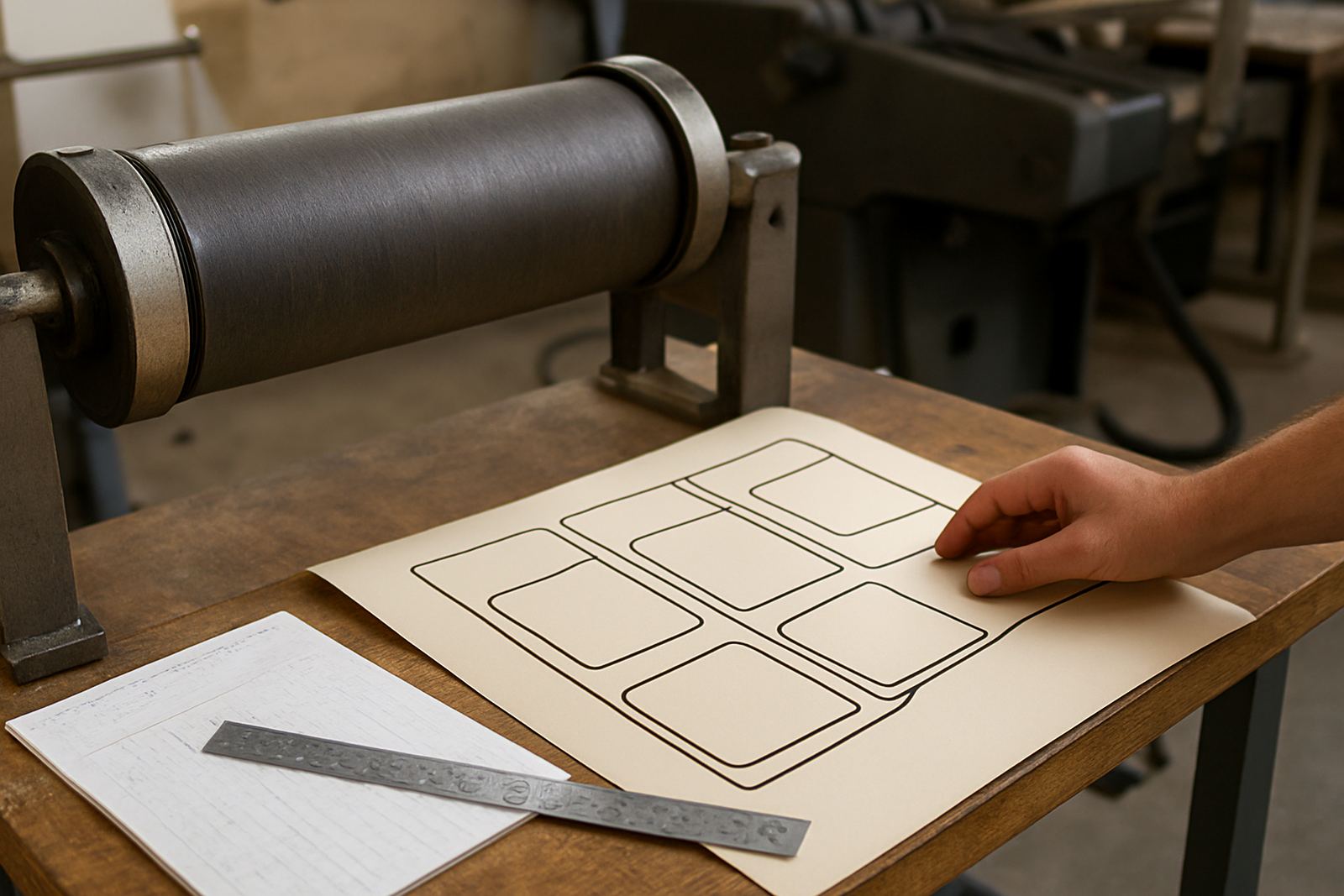
Match the tooling to the press station before you approve manufacture. Rotary solid dies, flexible magnetic dies and magnetic cylinders all behave differently, and each one needs the correct mounting arrangement, bearer setup and repeat length.
- Check whether the press takes a solid rotary die, a flexible die on a magnetic cylinder, or a dedicated cylinder.
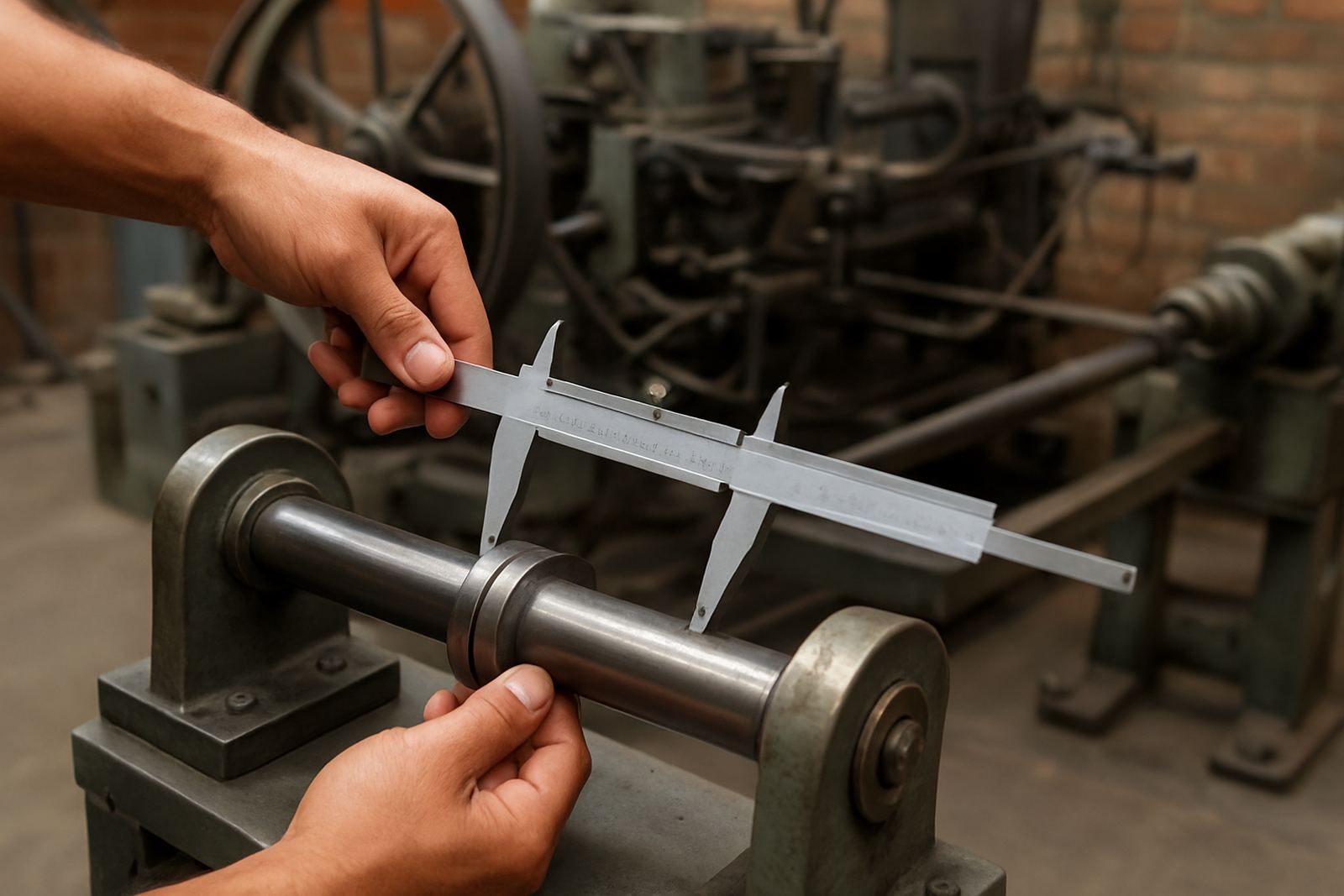
- Measure the available mounting space and the clearance around guards, shafts and anvil rollers.
- Confirm the repeat length in millimetres and whether the press can hold it without adjustment.
- Ask if the station needs a standard bearer height or a custom setting.
If you are replacing an existing tool, compare the old part to the new specification rather than relying on the label on the machine. A worn tool can hide the true dimensions.
Measure the Job Correctly Before You Send Artwork
Good measurements save time. For label converters in Johannesburg, Durban, Cape Town, Gqeberha and Pretoria, the common issue is not the artwork itself but a mismatch between the final trim, repeat and the press setting. Measure finished label size, gap, repeat and any butt cut or gutter requirement.
Check whether the cutter needs to follow printed marks or a pre-printed repeat. If the print includes varnish, foil or heavy solids, tell us because those details influence the cutting profile and pressure required. In coastal areas like Durban and Gqeberha, humidity can change substrate behaviour through the day, so keep that in mind when testing material.
- Finished label size in millimetres
- Gap between labels and lanes
- Repeat length and number across the web
- Material type, thickness and coating
- Any special cut-outs, kiss-cut areas or perf lines
Check Material, Thickness and Press Speed Limits
The press must be able to run the chosen stock at the speed you need without losing cut quality. A thin facestock on a dry day may run well, but a thicker adhesive laminate or a stiff synthetic stock can change the pressure demand and create drag on the press. This is where press compatibility really matters.
Ask what speed range the press normally holds on similar work and whether the motor, bearings and feed system are happy at that rate. If you are planning urgent remake work, it is worth confirming whether the same tool can run on the same press without slowing the line or causing waste. We often see delays where the tooling is correct but the line speed is too ambitious for the stock.
Use a Quick Compatibility Checklist on Site
Before confirming the order, run a simple check with the operator or shift supervisor. This helps catch setup issues while the press is still available and before production time is booked. It also helps when teams are working through load-shedding windows and need to get the first pass right.
- Is the press level and properly aligned?
- Are the shafts, clamps and mounts in good condition?
- Does the machine take the repeat length without forcing adjustment?
- Are the bearers, magnets or cylinders free from damage?
- Is there enough clearance for the chosen tooling and waste removal?
- Has the operator run a recent job on the same substrate?
If any of those points are uncertain, do not guess. A small setup fault can show up as poor cut depth, uneven wear or register drift after only a few hundred metres.
When to Ask for Repeat Matching or Press Trial Support
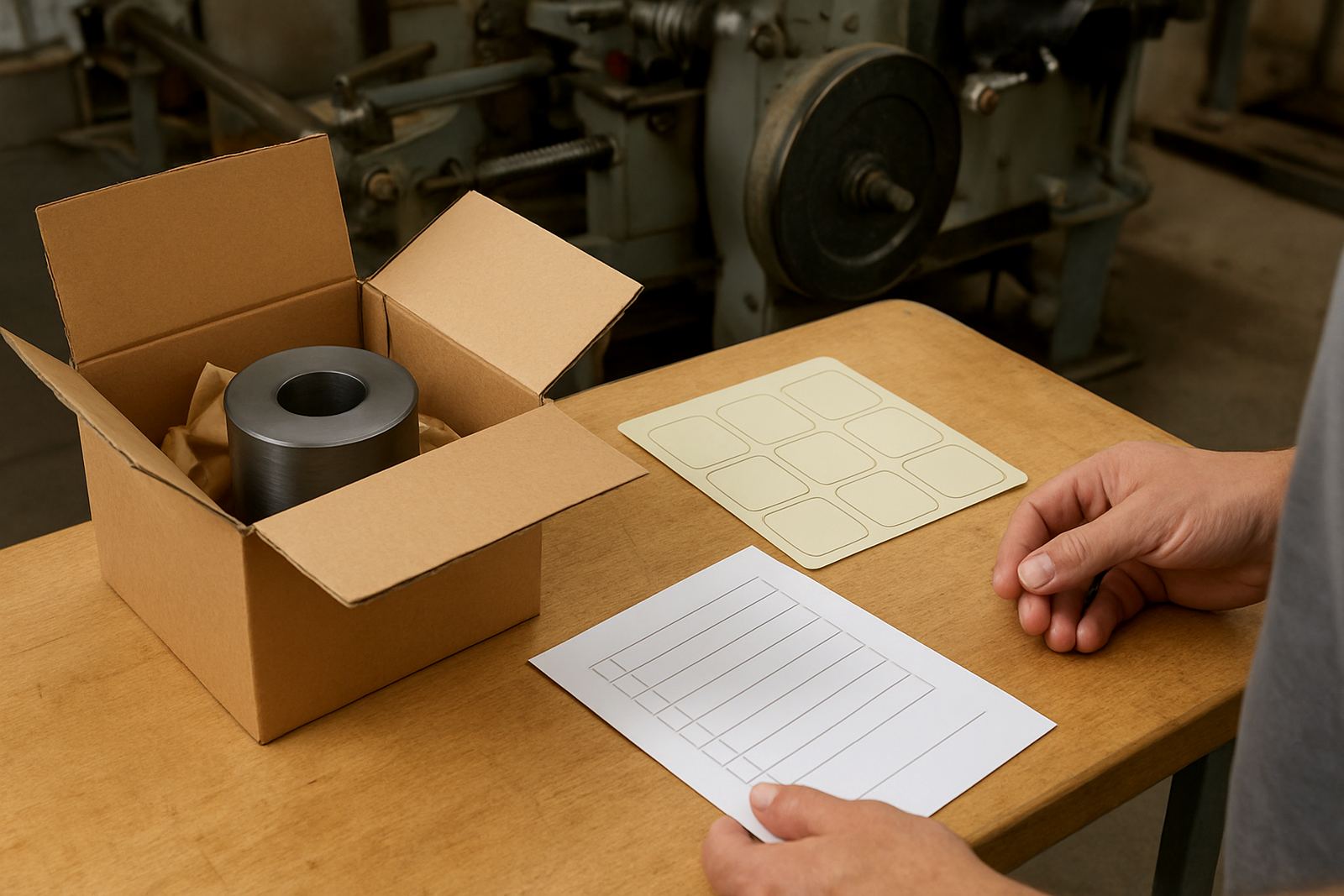
If you are replacing a worn tool, repeat matching is the safest route. Bring the old die, cylinder or sample labels if possible, and note what changed on the press since the last job. That helps us compare the current setup with the previous run and keep the new tooling within tolerance.
Press trial support is useful when a line has been moved, refurbished or is being asked to handle a new product range. It also helps if you are working with tighter municipal delivery windows or need to keep stock moving through Germiston, Johannesburg or Pretoria on a fixed dispatch plan. Our team can advise on die design, CAD proofing, bearer setting, magnet checks, cylinder refurb, die regrind and urgent remakes where needed.
For the cleanest result, send clear measurements, the substrate details and a photo of the tooling station if you have one. That gives our production team and technical sales team enough detail to guide the spec before manufacturing starts.