Start With the Substrate You Are Cutting
The first question is simple, what material is going through the press. Paper labels, cast or coated label stock, synthetic films and unsupported materials all behave differently under pressure. A paper face stock with a light adhesive can usually run with a different die setup than a thick film or a linerless job, so the cutting edge and base material must suit the product, not only the artwork.
For short runs and repeat work, you may want a die material that gives quick setup and clean cut edges with minimal adjustment. For longer runs, the focus moves to edge retention, dimensional stability and heat resistance. In hot press rooms, especially inland during summer, die materials can expand slightly and that can affect cutting consistency if the choice is wrong.
- Paper labels usually need less aggressive cutting pressure
- Films and synthetic stocks often need tighter tolerance control
- Thicker adhesive layers can cause build-up on the cutting edge
- Heavy coverage labels may need more frequent inspection during the run
Match Die Material to Run Length and Repeats
Short production runs and frequent artwork changes call for different thinking from high volume work. If you are producing seasonal labels, product relabelling or small batch promotions in Johannesburg or Durban, the main concern is fast turnaround and dependable repeat matching. In that case a flexible magnetic die or a well maintained rotary solid die may be the practical option, depending on the press and the stock.
Long runs need more wear resistance and better control over cutting pressure over time. A die that starts well but dulls quickly will cost more in waste and machine downtime. The right choice should hold form across the full run, not only during the first few hundred metres. That is where material selection and good bearer setting both matter.
- Short runs favour fast changeovers and reliable repeatability
- Long runs favour stronger edge retention and better heat handling
- Frequent repeat jobs need accurate file matching and stored settings
- If the same label runs monthly, plan for future repeat consistency now
Consider Pressure, Speed and Press Condition
Two presses can run the same label very differently. A machine in good condition with stable web control will treat a die kindly, while a press with worn bearings, uneven pressure or poor registration will shorten tool life. When we assess material choice, we also look at bearer setting, cylinder condition and how the press is actually being used day to day.
High speed work puts extra stress on the cutting edge and on the magnetic system where relevant. If the job is running near the top end of the press speed, small issues can turn into scuffing, incomplete cuts or liner damage. In coastal areas like Cape Town, Gqeberha and Durban, humidity can also affect material handling and storage, so keeping tools dry and clean matters more than people think.
Some plants ask for urgent remakes after a press trial, but often the better step is to review the pressure, stock and die type before the next repeat. That saves both time and Rand.
Choose Between Rotary Solid Dies and Flexible Magnetic Dies
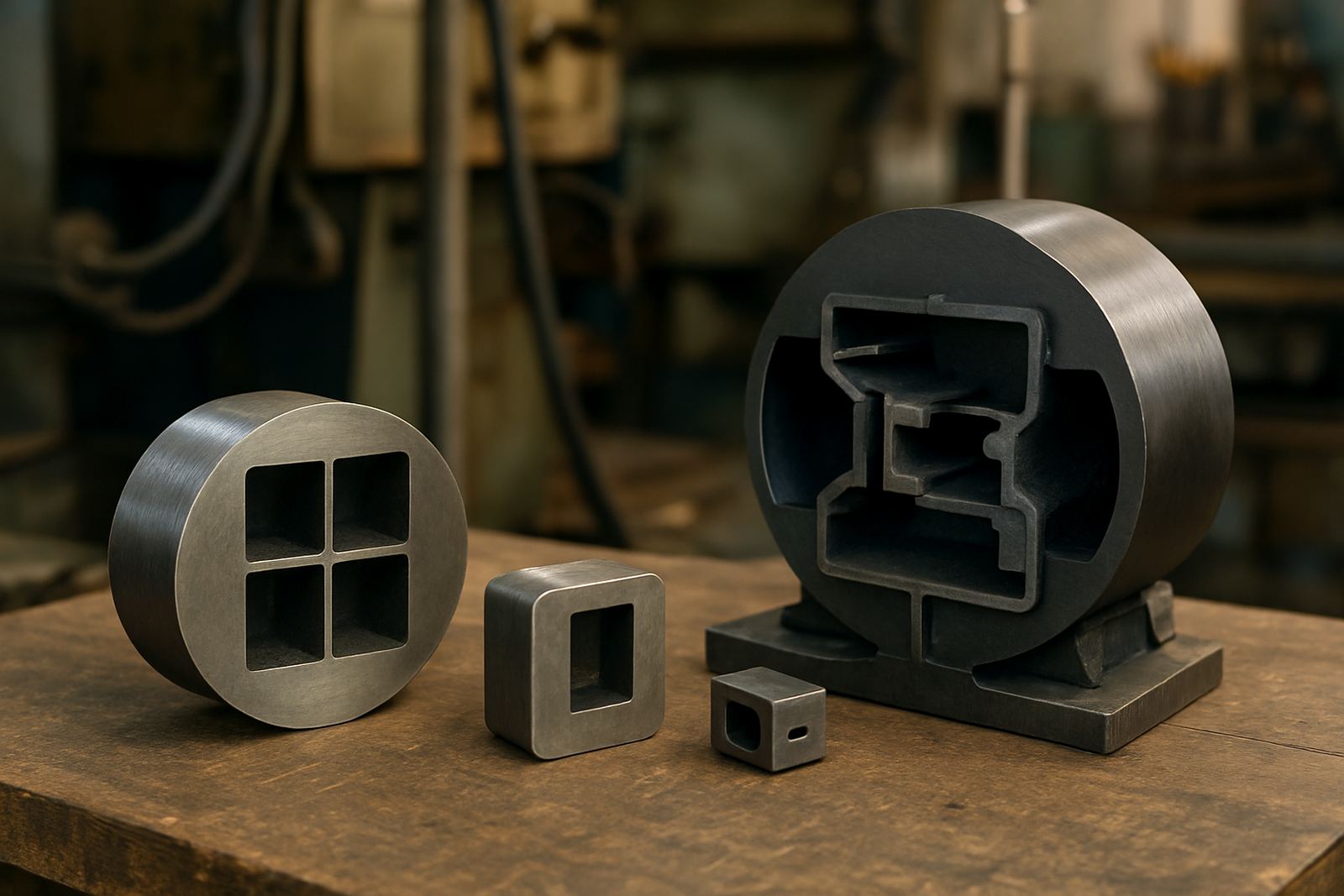
Rotary solid dies are usually chosen when the job demands strong durability, precise control and consistent performance over longer runs. They suit converters who want a more permanent tool for repeat products and can justify the higher initial investment. They can also be the better choice where cutting demands are demanding and tolerance control is tight.
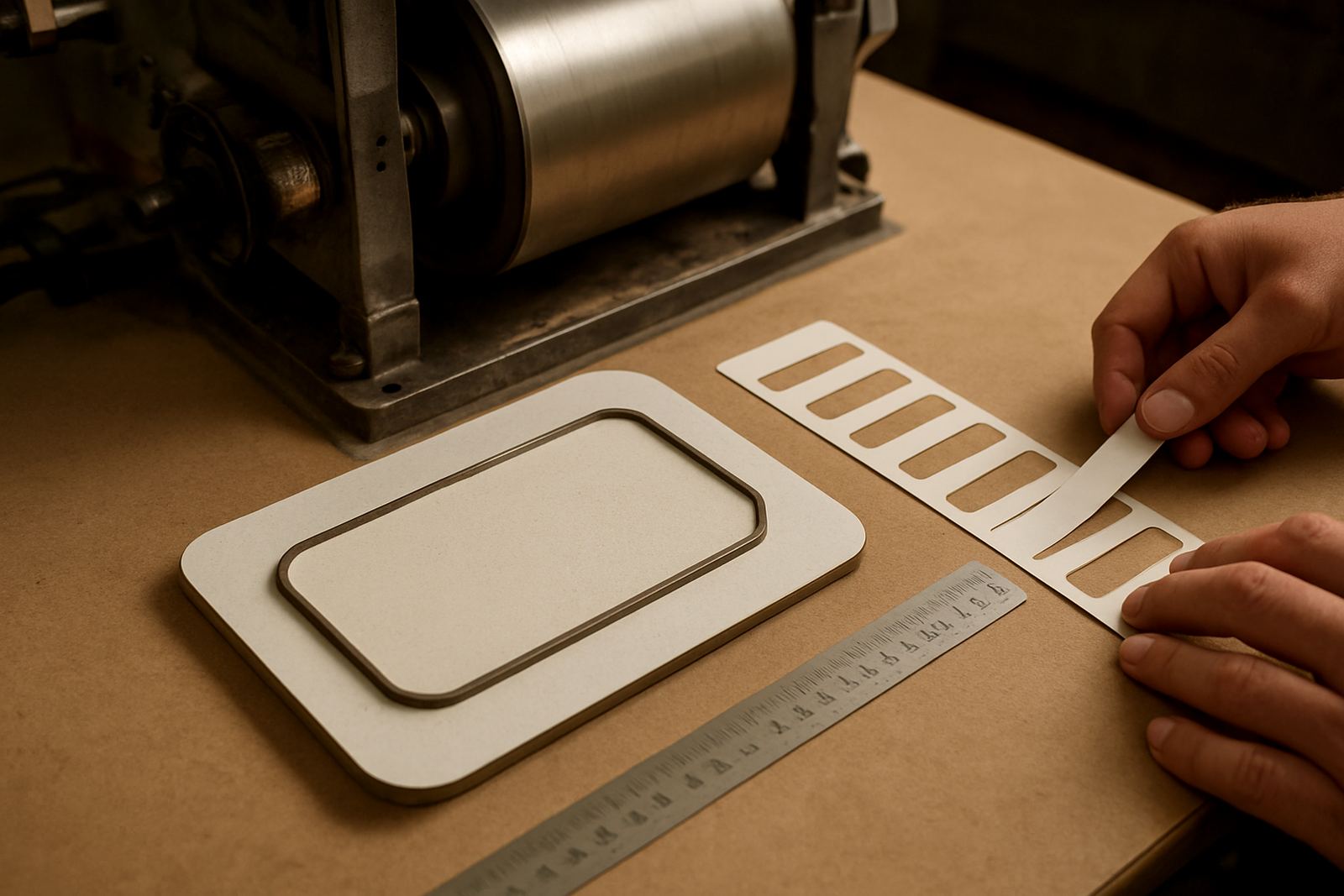
Flexible magnetic dies offer good value where quick changeovers matter and the work mix changes often. They are practical for many label plants across Gauteng and KwaZulu-Natal, especially where press time is valuable and stock profiles vary through the week. They are easier to handle for some repeat jobs and can reduce downtime when the production schedule is busy.
As a rule, the best choice is the one that gives the cleanest cut with the least adjustment, not the one that looks strongest on paper. That sounds obvious, but it is where many jobs go wrong.
Build a Simple Material Checklist Before Ordering
Before placing an order, gather the job details so the die can be specified properly. A clear checklist reduces delays, avoids remakes and helps us advise on the right material, edge finish and storage method. This is especially useful when the order is going to Johannesburg, Pretoria, Pinetown or Bellville and the job needs to be packed and dispatched without back and forth.
- Substrate type, face stock and liner details
- Label size, repeat length and artwork orientation
- Expected run length and monthly repeat volume
- Press type, speed and any known setup issues
- Whether the job needs urgent remakes or future repeat matching
- Storage conditions, including heat, dust and humidity on site
If you are unsure, send the job details through the enquiry form on our contact page and we can help narrow it down. A few clear notes at the start can prevent a costly mismatch later.
How LabelCutter Dies Supports the Right Choice
At LabelCutter Dies in Wadeville, Germiston, we work with label printers and converters across South Africa to match die material to the job, the press and the production schedule. Marius Jacobus van der Merwe and the team handle die design, CAD proofing, repeat matching, cylinder refurb, die regrind, bearer setting, magnet checks, press trial support and delivery coordination.
Nirasha Ramdass checks the CAD details, Thandiwe Nkosi manages production flow, Ruhan de Beer supports technical sales, Siyanda Letsoalo leads the machine shop and Anele Mthembu coordinates dispatch so orders move on time. When a material choice needs a second look, we can advise on stock use, setup risk and whether the job would benefit from a solid rotary option or a flexible magnetic die.
For converters in Germiston, Johannesburg, Durban, Cape Town, Gqeberha and Pretoria, the aim is the same: longer life, fewer stops and a cleaner cut from the first run to the repeat. That is where good material choice pays for itself.