What repeat length means on a label job
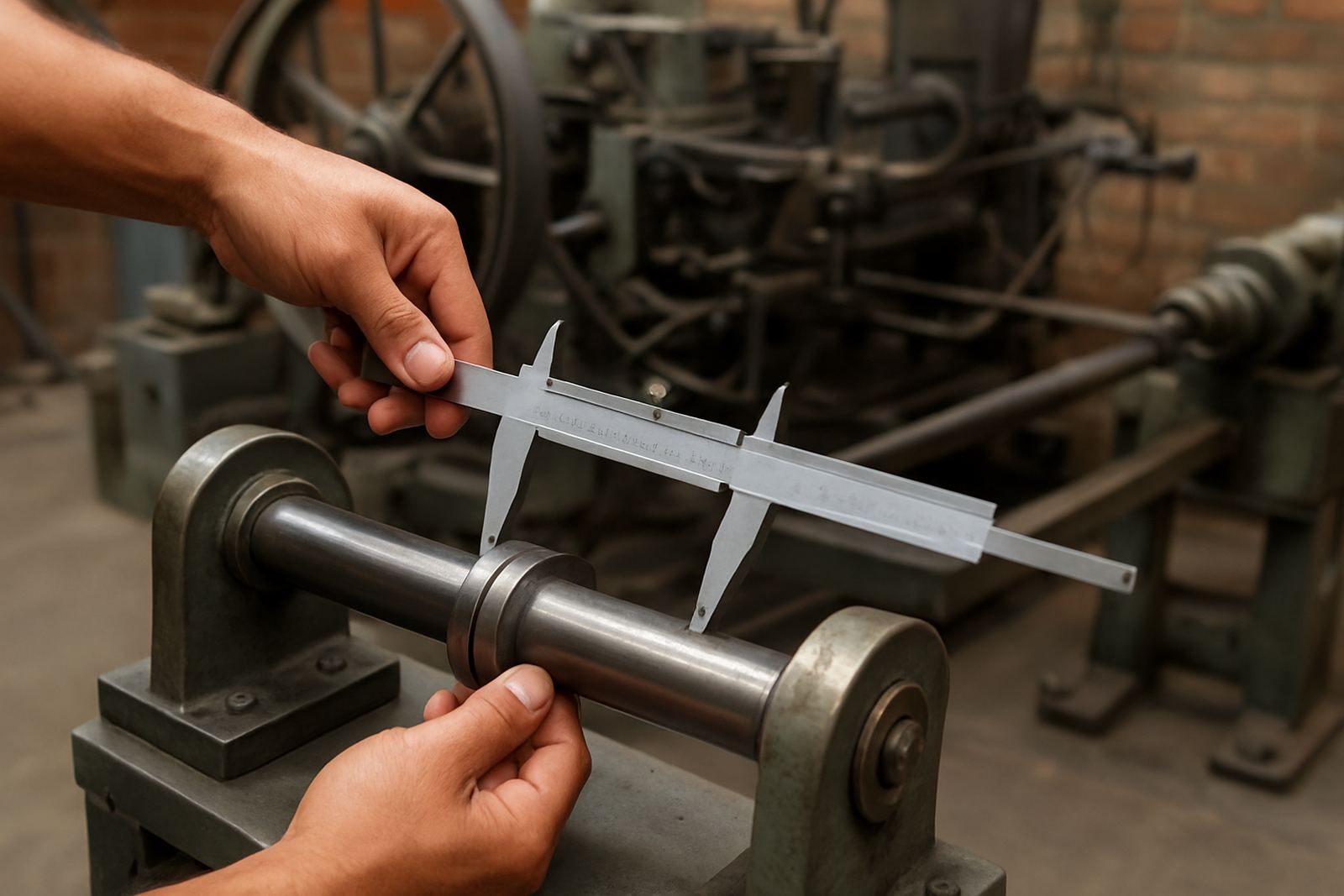
Repeat length is the distance from one identical point on a label to the same point on the next label, measured along the direction of travel. In plain terms, it tells you how long one full label cycle is on the press. When the repeat is wrong, you can end up with waste, poor register, extra cutting pressure or a layout that simply will not fit the cylinder or die.
For label printers in Germiston, Johannesburg, Pretoria, Durban, Cape Town and Gqeberha, the repeat must suit both the artwork and the machine. A good repeat lets the press handle feed, cutting and matrix removal without unnecessary strain. It also helps with repeat matching when a job comes back months later and needs the same result again.
If you are ordering a rotary solid die, flexible magnetic die or magnetic cylinder, the repeat length is one of the first figures we check against the rest of the job details.
Start with the artwork and the final label size
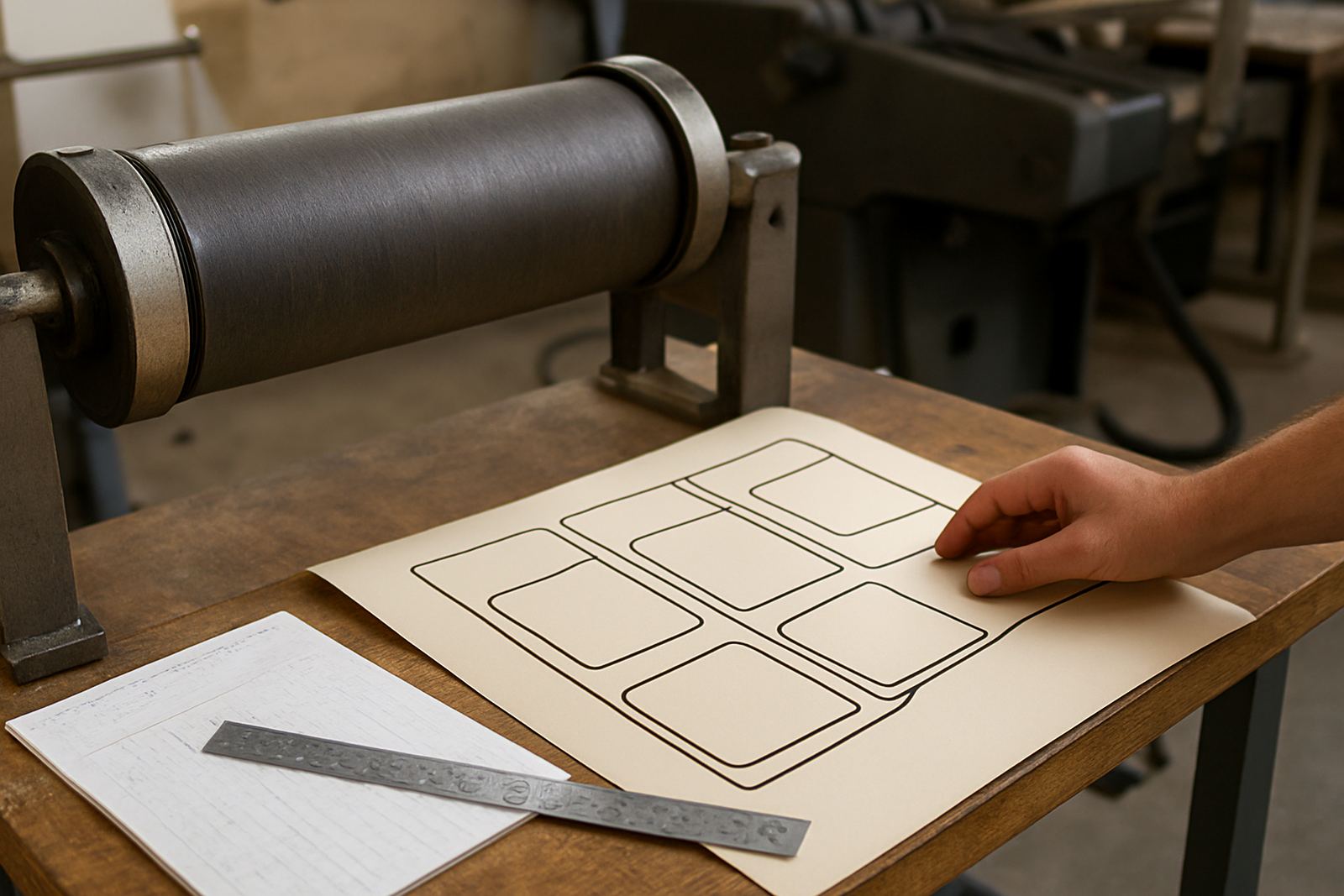
Before you think about the press, check the artwork itself. Measure the finished label size, including any bleed, cut lines and fold or panel positions if the label has more than one section. The repeat must account for the full pattern from top to top or mark to mark, not just the visible image area.
Use this quick check before sending a job for die manufacture or repeat matching:
- Confirm the finished label size in millimetres.
- Check whether the artwork repeats in a straight line or on a staggered layout.
- Include any gap needed for weeding, matrix control or slitting.
- Allow for special features such as perforations, tabs, or clear areas for sensors.
- Make sure the repeat matches the label count across the cylinder or sheet layout.
If the artwork was built for a different machine, do not assume the old repeat will fit. Small changes in label shape or copy position can shift the whole layout.
Check press capability before you set the repeat
Every press has limits. Some presses handle short repeats comfortably, while others are better suited to longer repeats and larger cylinders. If the repeat is too long, the job may not fit the circumference. If it is too short, you may lose efficiency or struggle with setup and registration.
We often see jobs where the repeat was chosen from artwork alone, then the printer discovers the press cannot carry it. That leads to delays, extra bearing adjustments, or a remake. In South Africa, where load-shedding already affects production windows, it is worth checking the machine first and avoiding a second setup.
Use these press points as part of your planning:
- Cylinder circumference or repeat range available on the machine.
- Material width and how many labels can be arranged across the web.
- Sensor position and mark visibility.
- Drying, curing or cooling time if the job runs at speed.
- Available bearer setting and pressure profile for the chosen die.
Match repeat length to layout efficiency
The best repeat is not only the one that fits. It is the one that uses the press efficiently. A poor layout can waste material, create awkward trim widths or force a slower run speed. On wide web jobs, even a few millimetres of unnecessary gap can add up over thousands of labels.
Think about the full layout, not just one label. If the repeat lets you place more labels across the web, you may reduce cost per label. If the repeat is awkward, you may need extra passes, more waste or a different finishing plan. That matters for converters supplying retail, logistics, wine, food and industrial labels across the country.
When reviewing layout efficiency, ask these questions:
- Can the repeat be nested more efficiently?
- Does the gap between labels suit the cutter and the matrix removal?
- Will the repeat help or hinder slitting positions?
- Can the job be run with fewer changeovers?
- Is there enough tolerance for repeat matching on reorders?
Factor in the die type and material behaviour
Repeat length behaves differently depending on the die type and the material. A solid rotary die, flexible magnetic die and magnetic cylinder each have their own setup needs. Adhesive strength, face stock thickness and liner quality also affect how the web behaves through the press. In humid coastal areas such as Durban, moisture can change how some materials track and release, so setup needs a bit more care.
If you are running paper, film or laminated stock, check whether the material stretches, curls or shrinks under press conditions. That can change where the repeat lands by the time the job reaches the cutting station. For longer runs, we recommend keeping a note of the final working repeat, not only the artwork repeat, so the next order can be set up faster and with less trial waste.
For repeat related support we can assist with die design, CAD proofing, magnet checks, press trial support and repeat matching, especially when a job must be remade quickly or brought back into line after a press change.
Use a simple repeat checklist before you place the order
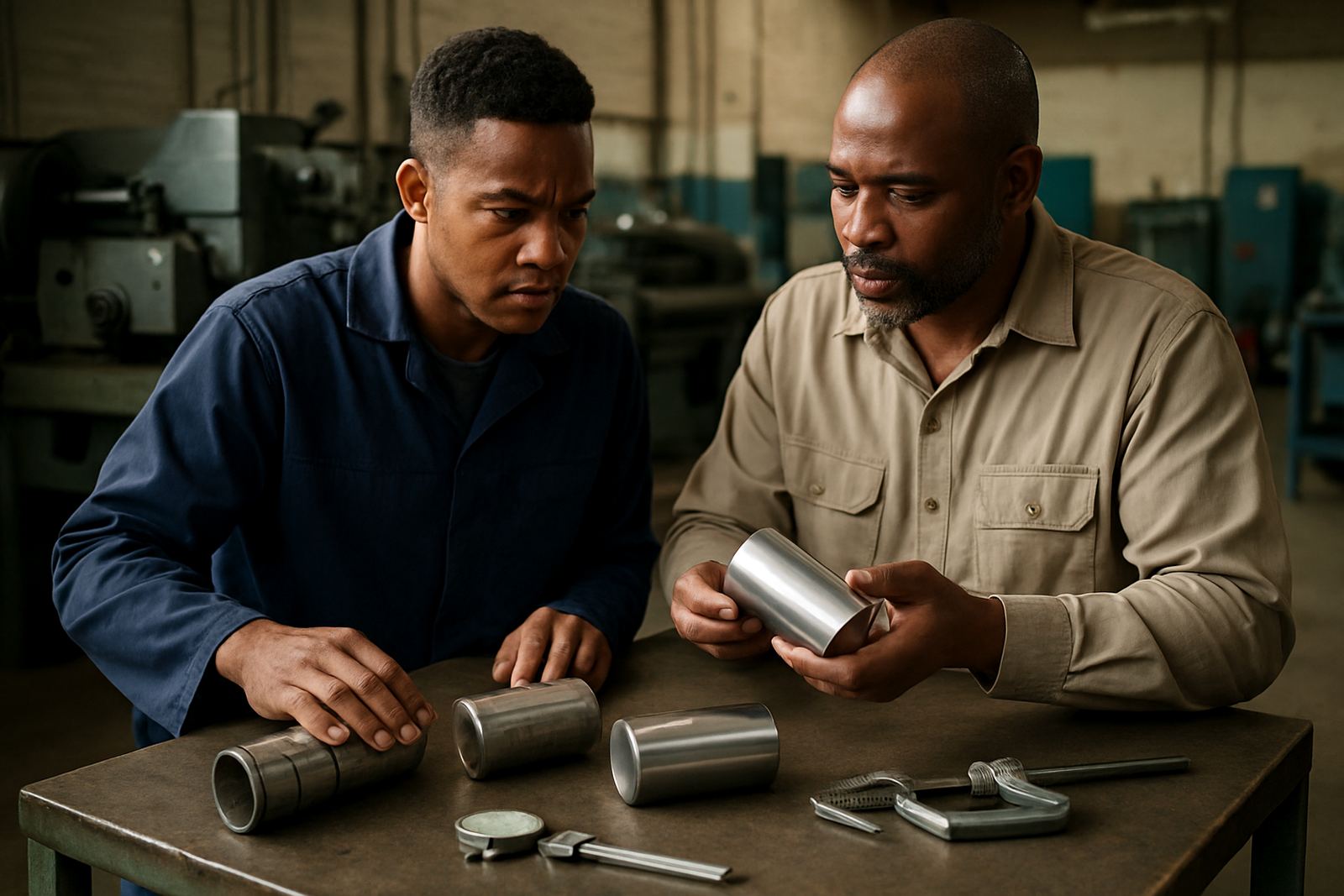
A short checklist saves time later and helps avoid a mismatch between the artwork, the cylinder and the press. This is especially useful when multiple people handle a job, such as a designer, production planner and machine operator. Keep the same measurements on every quote and job card.
- Artwork size confirmed in millimetres.
- Repeat length measured and signed off.
- Press model and repeat range checked.
- Material type and thickness recorded.
- Die type selected for the job.
- Need for repeat matching or cylinder refurb noted.
- Dispatch area confirmed for Johannesburg, Pretoria, Durban, Pinetown, Cape Town, Bellville or Gqeberha.
If a repeat needs urgent correction, it is best to say so early. That helps us advise on stock, remake timing and packing and dispatch from Wadeville, Germiston without holding up the press.
When to ask for help with a repeat
If you are unsure about the repeat, ask before the job is cut. That is the safest point to correct a layout issue. A repeat that looks fine on screen can still fail on press if the cylinder size, bearer setting or label spacing is off by even a small amount. It is far easier to check at the quoting stage than after the first roll is already on machine.
At LabelCutter Dies, Marius Jacobus van der Merwe and the team work with label converters and printers across South Africa to check repeat length against the full production setup. Thandiwe Nkosi handles production planning, Nirasha Ramdass prepares the CAD proof, Ruhan de Beer assists with technical sales, Siyanda Letsoalo oversees the machine shop and Anele Mthembu coordinates dispatch so the finished die or cylinder reaches the right branch area on time.
A correct repeat means fewer surprises, cleaner setup and better repeatability on future orders. That saves time, material and money.