Start with the artwork and repeat file, not the memory
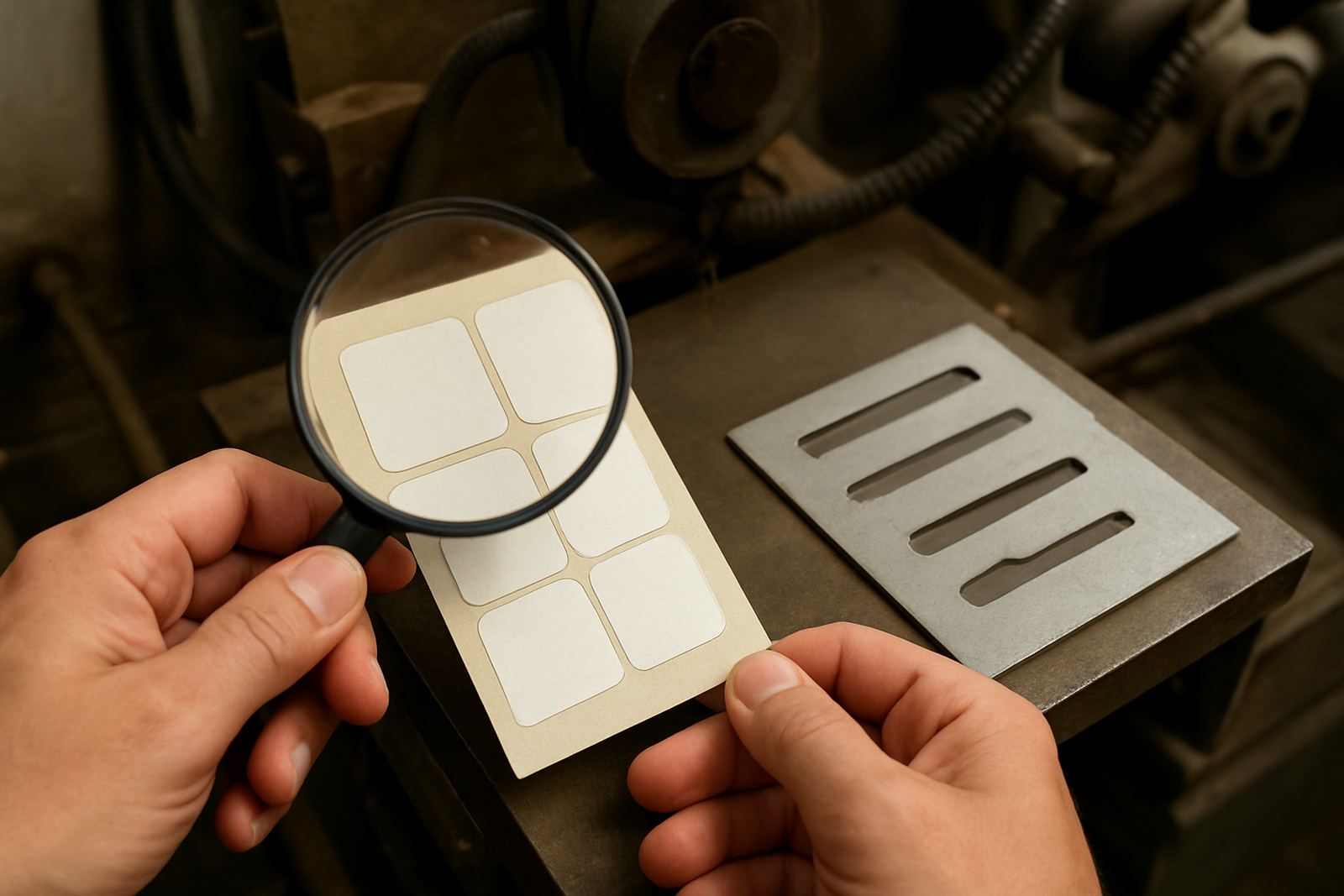
Most remake problems begin when a new order is treated like the last one without checking what actually ran on press. Before you approve a die or cylinder, compare the current artwork, repeat size and cut specification against the previous approved job. Even a small change in label count, web direction, waste or gap can affect the finished tool.
If you are reordering for Johannesburg, Durban, Cape Town or Gqeberha, ask for the latest approved proof and make sure it matches the current press plan. Do not rely on a verbal instruction passed along in the make-ready room. If the carton, sleeve or roll note changed, the die should be checked again. That simple step catches many avoidable remakes.
- Confirm label size in millimetres, not an estimate
- Check repeat length and repeat width separately
- Confirm web direction and unwind direction
- Mark kiss cut or through cut clearly
- Note any perforations, holes or special slits
Measure the press conditions before you send the order
A die that worked in one plant may not behave the same way in another. Press speed, tension, board quality, adhesive, laminate and ambient conditions all affect cutting and stripping. In coastal areas like Durban and Cape Town, humidity can change how material feeds and how waste releases. In winter dry conditions inland, static build-up can also affect the run.
Share the press details with your die maker so the tool is matched to the actual machine and substrate. If you run on narrow-web equipment, or switch between paper and film, say so upfront. The same applies where load-shedding has interrupted production and the press is restarted after a stop. A resumed run sometimes needs a fresh bearer check or a quick trial before full production starts.
- Press make and model if available
- Substrate type and thickness
- Adhesive or laminate used on the job
- Typical running speed and tension range
- Whether the line runs hot, cold or in humid conditions
Use CAD proofing to catch fit issues early
CAD proofing is one of the easiest ways to reduce remake risk, because it shows the fit before steel is cut or a magnetic tool is made. It gives you a chance to spot awkward corners, weak bridges, tight tolerances or a repeat that will not sit right on the cylinder. For label converters working to tight schedules, this is far cheaper than finding a problem after dispatch.
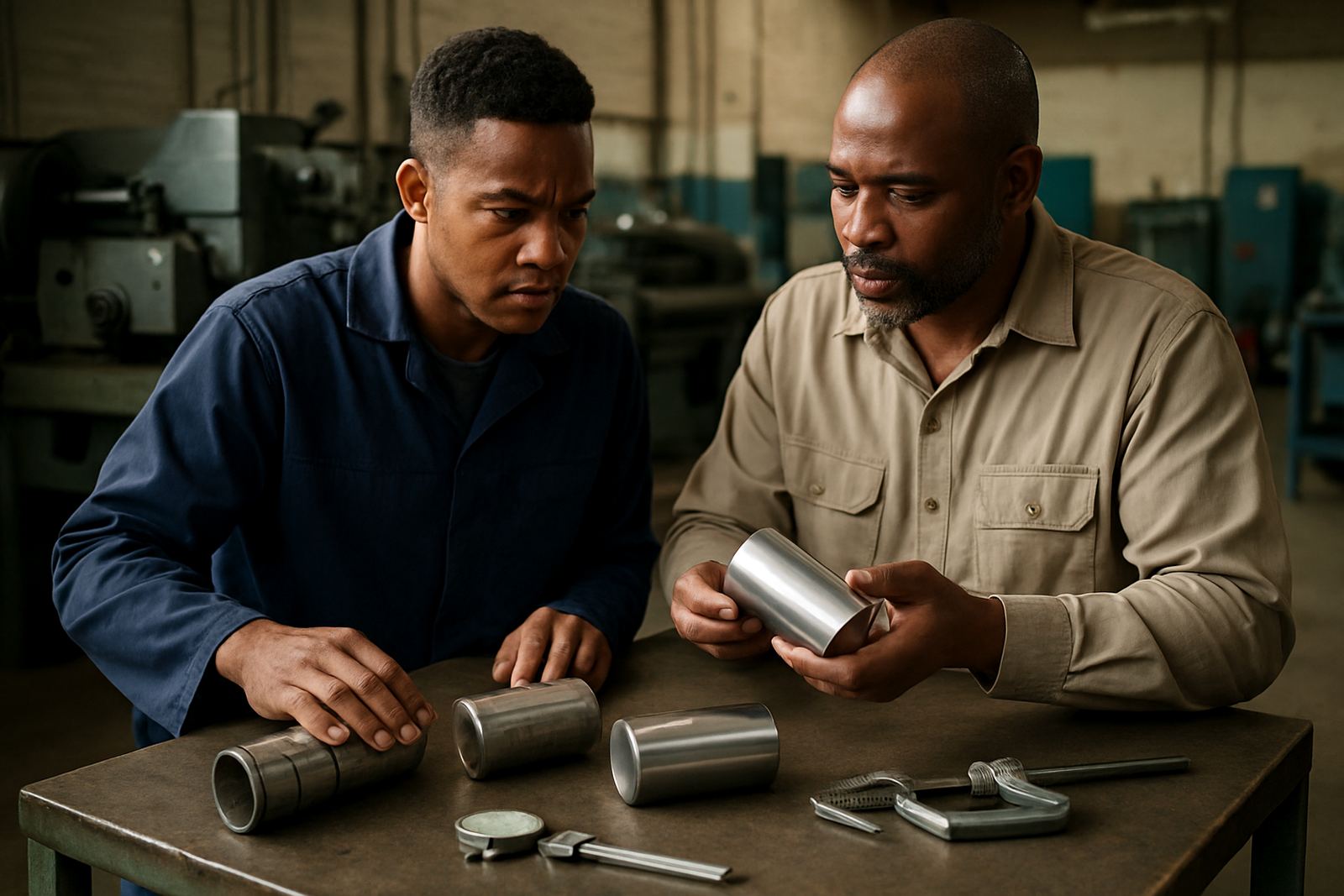
At this stage, the proof should be checked by someone who understands the press, not only the sales side of the order. Nirasha in CAD can flag an offset or a size mismatch, while the technical team can check whether the bearer setting and strip layout are practical. If the proof needs a correction, ask for the revision before sign-off. A rushed approval often becomes a costly remake later.
Good proofing should answer three questions: will it cut cleanly, will it strip properly, and will it register on the press without unnecessary wear. If the answer to any of those is uncertain, pause and check again.
Match the die type to the job before production starts
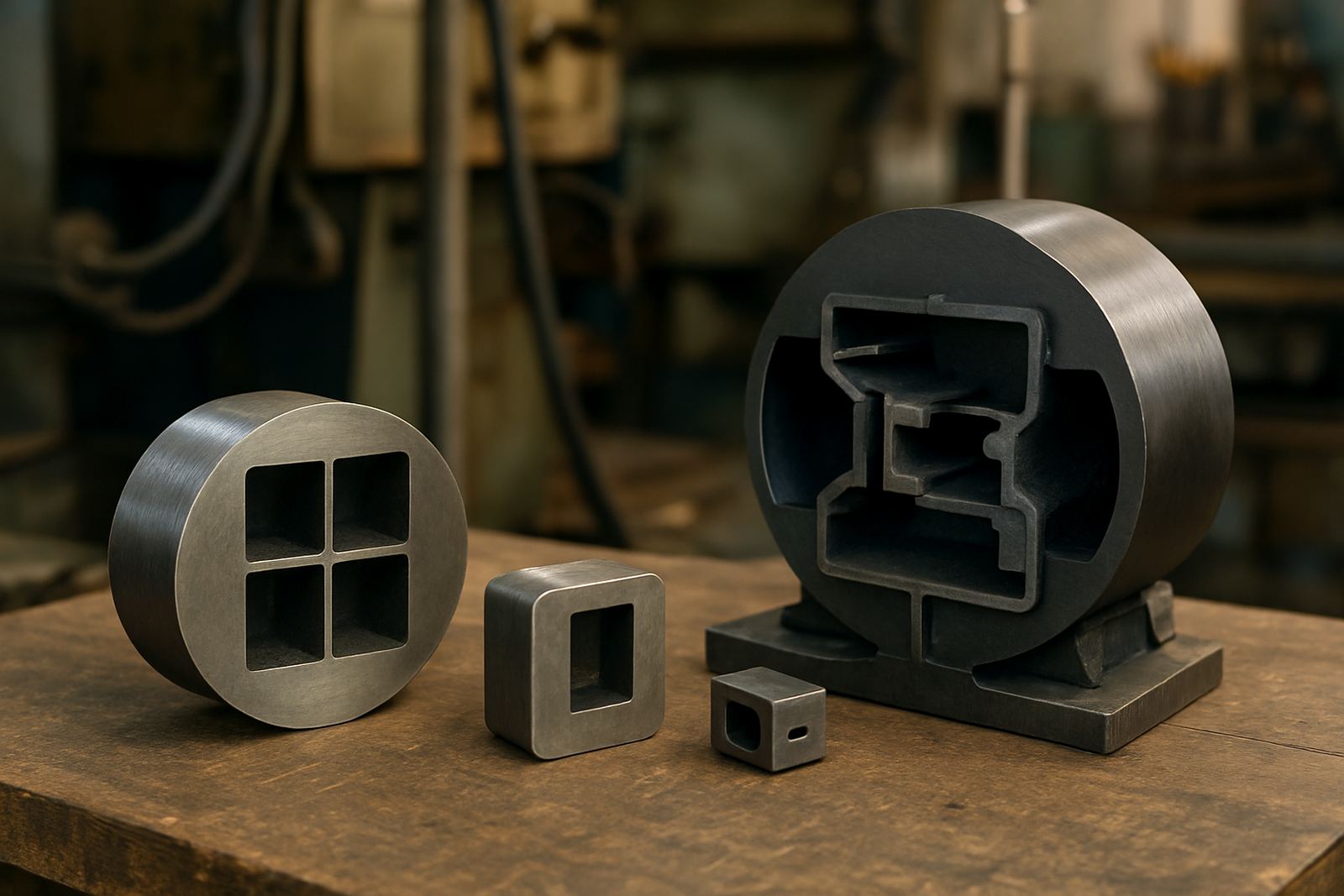
Not every label job needs the same tool. Rotary solid dies, flexible magnetic dies and magnetic cylinders each suit different volumes, materials and press setups. A wrong choice can cause poor cut life, uneven pressure, extra waste or a remake that should never have been needed. For high-volume work, the right cylinder or rotary tool can save hours across a production week.
When deciding, consider how often the job repeats, how hard the substrate is, and whether the press team needs quick changeovers. If the job is short-run and repeatable, a flexible magnetic die may be enough. If the volume is high and tolerance is tight, a more permanent solution may be better. Marius and the technical team can help with stock advice, but the best result comes from sharing the real run details, not just the order code.
- Short run with frequent changeovers may suit a flexible magnetic die
- Long run with stable volume may suit a rotary solid die or cylinder
- Fine print and close registration need tighter checking
- Heavy stock, film or high adhesive areas may need extra review
- Ask about repeat matching before you re-use an old tool
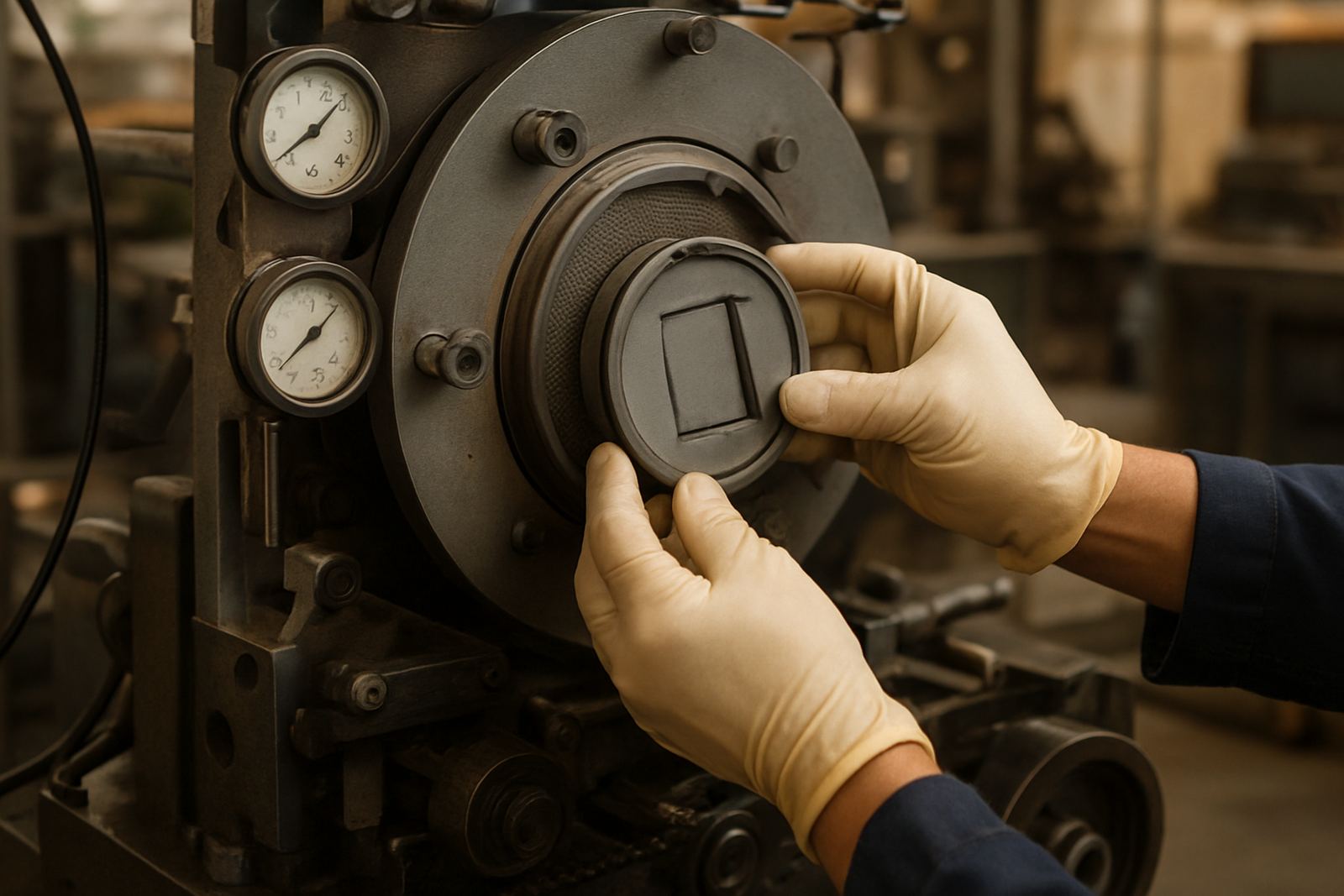
Check bearer setting, magnet condition and edge wear
Mechanical wear is another common reason for remake work. A blunt edge, uneven bearer setting or weak magnet can create poor cut quality even when the artwork is correct. That leads to complaints that sound like design faults, when the real issue is tool condition. Regular checks prevent that confusion.
If you are re-using an existing tool, ask for a die regrind, cylinder refurb or magnet check before the run. These services are especially useful when a job has been sitting idle, stored in a humid store room, or used on several different presses. In Germiston and the surrounding industrial areas, dust and handling damage can also affect the working face if tools are not packed and stored properly.
Before the next run, confirm that the cutting edge is clean, the mounting is secure and the setting is true across the width. A small wear mark at one end can become a full remake if it is left untested.
Build a pre-dispatch checklist for your team
The last check before dispatch is often the one that saves the job. Packing and dispatch should not be treated as a simple handover. The tool must be labelled correctly, wrapped safely and matched to the right delivery note. A mix-up between similar jobs is one of the easiest ways to create a remake and lose a day in production.
For South African printers serving multiple sites, especially where deliveries go to Johannesburg, Pretoria, Durban, Pinetown, Cape Town, Bellville or Gqeberha, a clear dispatch routine is essential. The wrong tool at the wrong plant can stop a press shift and create avoidable overtime. Anele handles dispatch coordination so the package, route and timing all line up with the order.
- Check the job name against the approved proof
- Confirm size, repeat and tool type
- Verify packing protection for transport
- Mark the destination site clearly
- Keep a record of the dispatched revision number
Use press trial support to close the loop
A press trial is often the final defence against remake costs. It lets the production team see whether the tool, stock and settings are working together before the full run starts. If adjustments are needed, they should be made early while there is still time to correct course. That is far better than discovering a fault after hundreds of labels have been cut and counted.
During trial support, note cut pressure, stripping behaviour, registration stability and any sign of edge drag or waste pull-back. If the press is fighting the tool, stop and diagnose the cause. Sometimes the fix is as simple as a bearer adjustment or a magnet check. Sometimes the repeat needs a fresh proof. The point is to catch it while the job is still recoverable, not after the clock has moved on.
When these checks become routine, remake risk drops quickly. Your schedules stay steadier, your stock use becomes more predictable, and your team spends less time chasing errors that should have been caught before the first reel started.