What a solid rotary die is used for
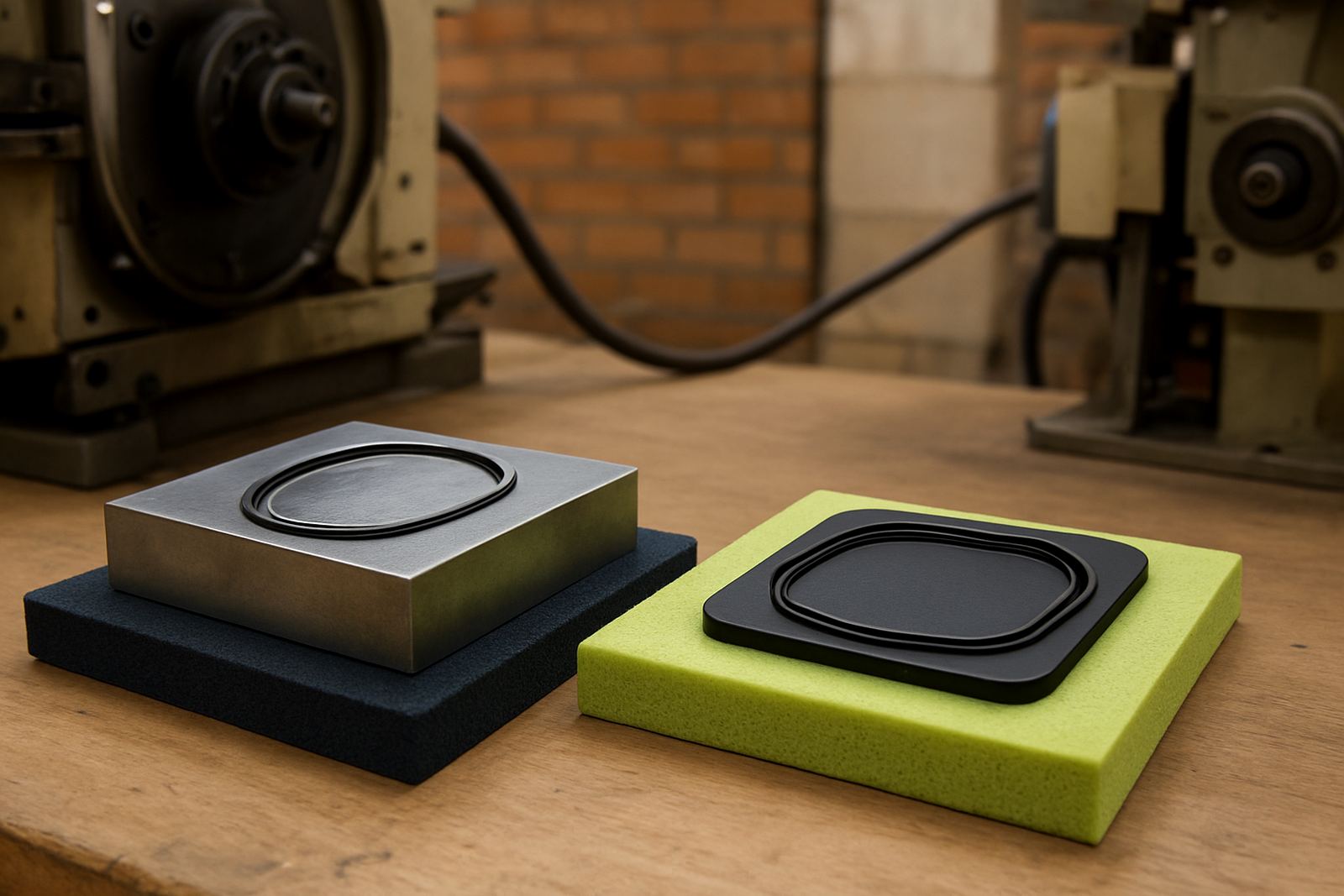
A solid rotary die is a hardened steel tool made for rotary converting lines where repeat accuracy matters on long production runs. It is the better fit when you need a stable cutting edge, tight tolerances and steady performance on the same label specification over and over. In Wadeville and the wider Gauteng manufacturing belt, that usually means work where a press team wants fewer adjustments and predictable results across shifts.
Solid dies are commonly chosen for thicker stocks, tougher liners and jobs where tool life is a priority. They can be made to suit very specific sizes, but they take more time and cost more upfront than flexible options. Once set correctly, they are dependable for high volume label work and for customers who want less drift over repeated runs.
- Best for long runs with repeat orders
- Good where cut precision must stay consistent
- Useful when the substrate is less forgiving
- Higher initial cost, but longer service life
Where flexible magnetic dies make more sense
Flexible magnetic dies are lighter, quicker to handle and easier to swap on presses that change over often. They sit on a magnetic cylinder and are well suited to short to medium runs, seasonal work and jobs that need faster turnaround. For many label printers in Johannesburg, Durban and Cape Town, this is the practical choice when line time is valuable and the same press must handle different jobs in one day.
They are also useful when a converter wants a lower-cost entry point for a new label format. The tool is easier to store, easier to move and faster to replace if a remade set is needed. For many day-to-day label runs they do the job very well, especially when the press setup is stable and the operator follows the correct bearer, pressure and magnet checks.
- Best for shorter runs and frequent changeovers
- Quicker to mount and remove
- Lower upfront cost than a solid rotary die
- Handy for trial work and urgent remakes
How to choose between them for your press
The right choice starts with your run length, material type and the amount of repeat work you have. If you print the same label every week in large volumes, a solid rotary die often pays its way. If your order book changes daily, flexible magnetic dies may save more time at the press. On the coast, where humidity can affect storage and handling, it also helps to consider how the tools will be kept between jobs.
We usually look at the press, the web width, the label size, the cut depth and the amount of waste you can afford. A neat die is only part of the answer. If the bearer setting is off, or the magnetic cylinder needs attention, the cut will suffer no matter how good the tool is. That is why a proper technical check matters before you commit to a new set.
- Choose solid dies for high volume repeat work
- Choose flexible dies for faster turnarounds
- Check substrate, adhesive and liner thickness
- Confirm press compatibility before ordering
A simple checklist before you place an order
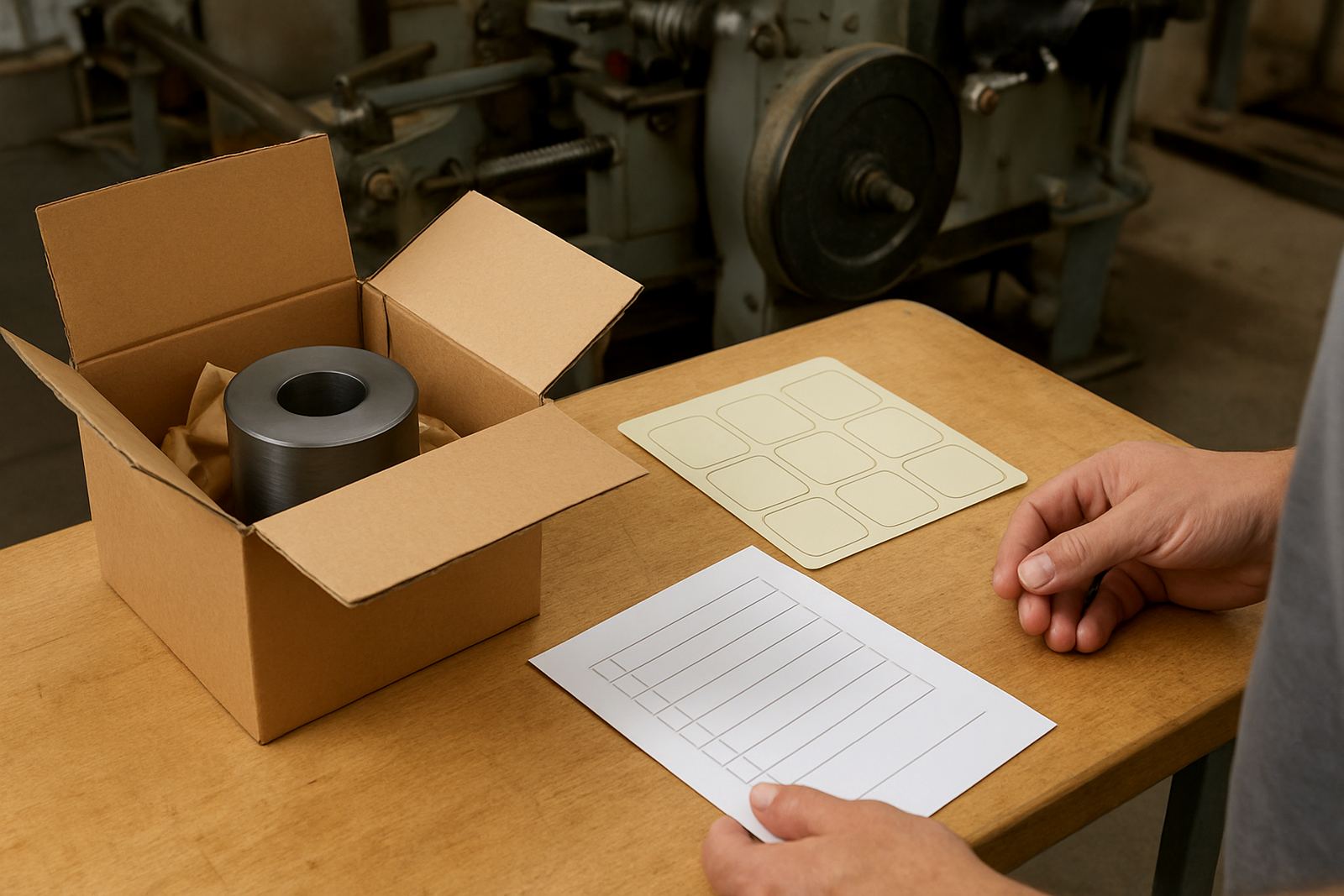
Before you send specs for a new die, have the basic details ready. That saves time, avoids back and forth, and helps with a cleaner first cut. It also reduces the chance of a mismatch between the artwork, the press and the actual cutting tool. A few minutes of checking upfront can prevent a day of stoppages later on.
Use this checklist before you submit the enquiry form on the contact page:
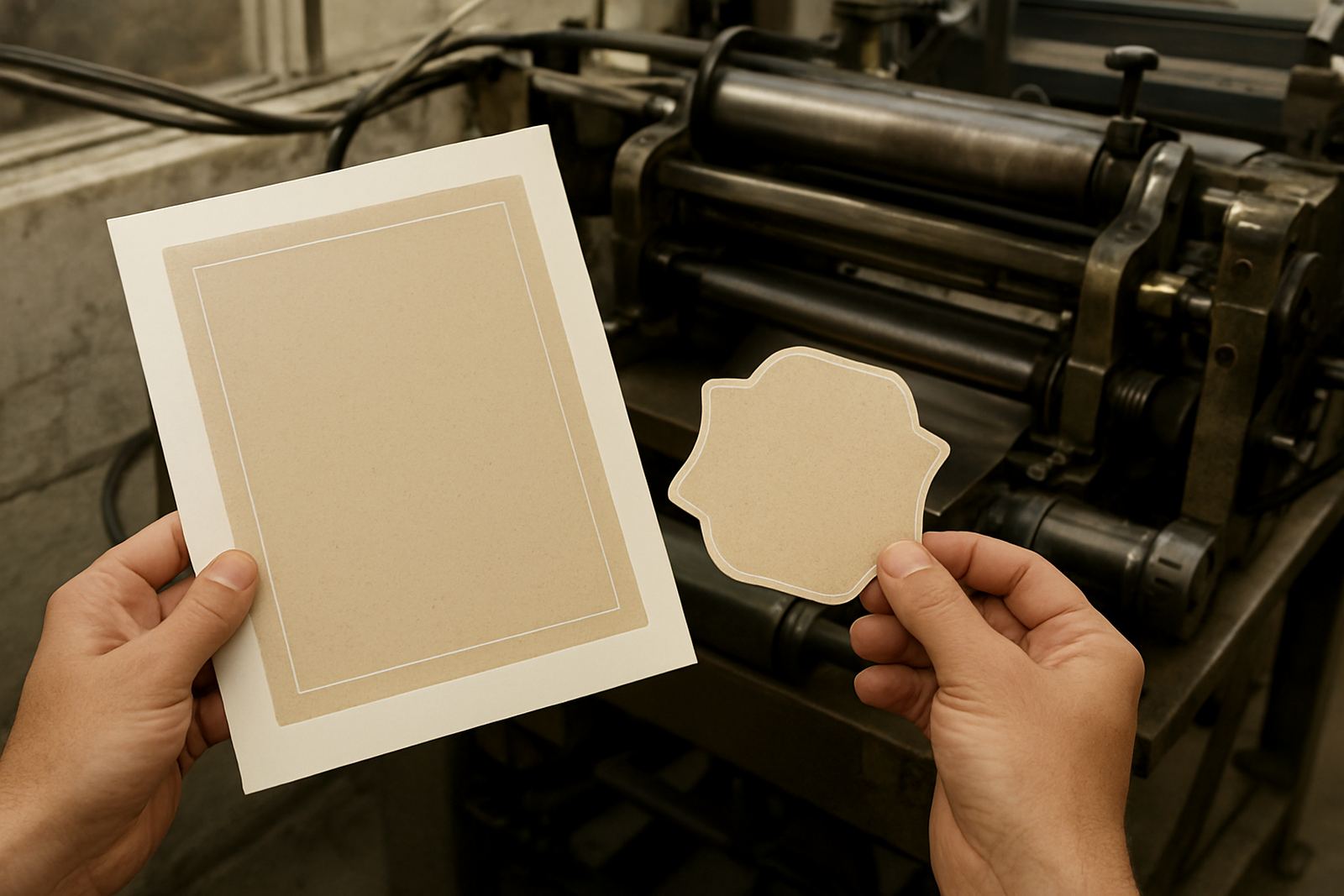
- Label size, shape and corner details
- Substrate type and liner thickness
- Run length and how often the job repeats
- Press type and cylinder or mount details
- Any current sample, PDF or repeat reference
- Whether you need press trial support or urgent remake work
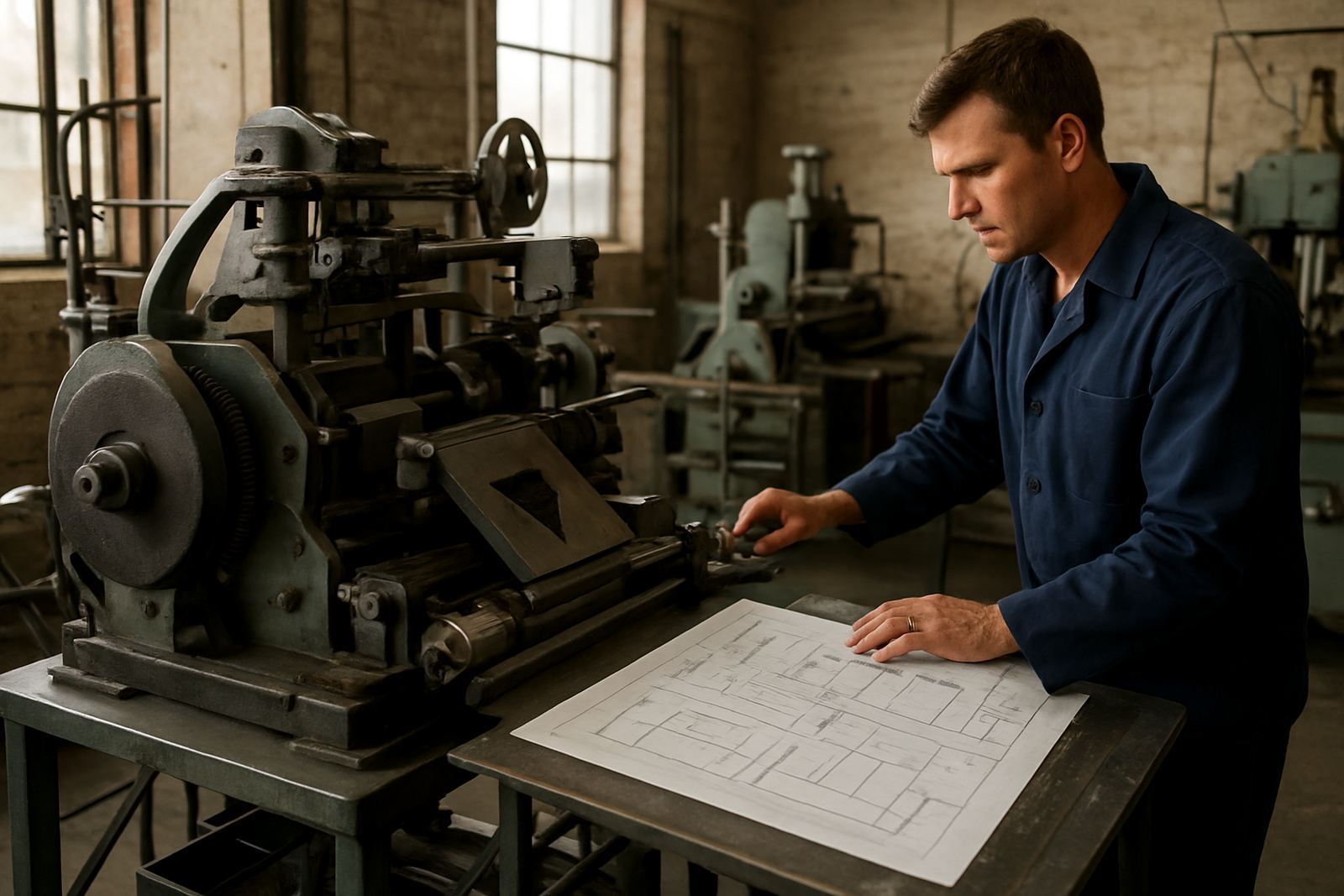
If you are unsure, ask for CAD proofing and repeat matching. That is often the quickest way to catch a small issue before it becomes scrap. It also helps when a customer wants the same cut again months later and expects it to line up exactly.
What good support should include from design to dispatch
A proper die supply service does more than cut metal and send it out. It should include design checks, tolerances that are fit for label production and practical advice on what will work on the press. At LabelCutter Dies, that support is handled by a small team that knows the line from CAD to packing. Nirasha Ramdass manages CAD proofing, Thandiwe Nkosi oversees production, and Siyanda Letsoalo leads the machine shop side so the tool matches the spec before it leaves Wadeville.
For many customers, the real value is in the follow-through. That means checking magnet condition, setting bearers correctly, sorting cylinder refurb work when needed and helping with stock advice when a replacement is needed in a hurry. It also means careful packing and dispatch so the tool reaches Germiston, Pretoria, Durban, Pinetown, Cape Town, Bellville or Gqeberha in good condition. Marius Jacobus van der Merwe and Ruhan de Beer often handle the practical side with the client to keep the order moving.
When to ask for a remake, regrind or cylinder check
Not every cutting issue means the whole tool must be replaced. If the cut has gone uneven, the edge has lost life or the setup has started to drift, a regrind or cylinder check may be enough. For flexible magnetic systems, a magnet check can show whether the hold is still right. For solid dies, die regrind work can restore performance and extend service life, especially on repeat work that is still commercially sound.
If you are seeing crushed edges, incomplete cuts or extra pressure on the press, do not keep running the job and hope it will settle. That usually costs more in spoilage. The better move is to stop, check the tool and decide whether a repair, repeat matching or urgent remake is the sensible route. In local production, time matters but so does getting the cut right first time.
- Ask for a remake if the spec has changed
- Ask for a regrind if the edge is worn but the tool is sound
- Ask for a cylinder check if mounting or pressure looks wrong
- Ask for press trial support when a new stock or layout is involved