1. Start with the label build, not the die
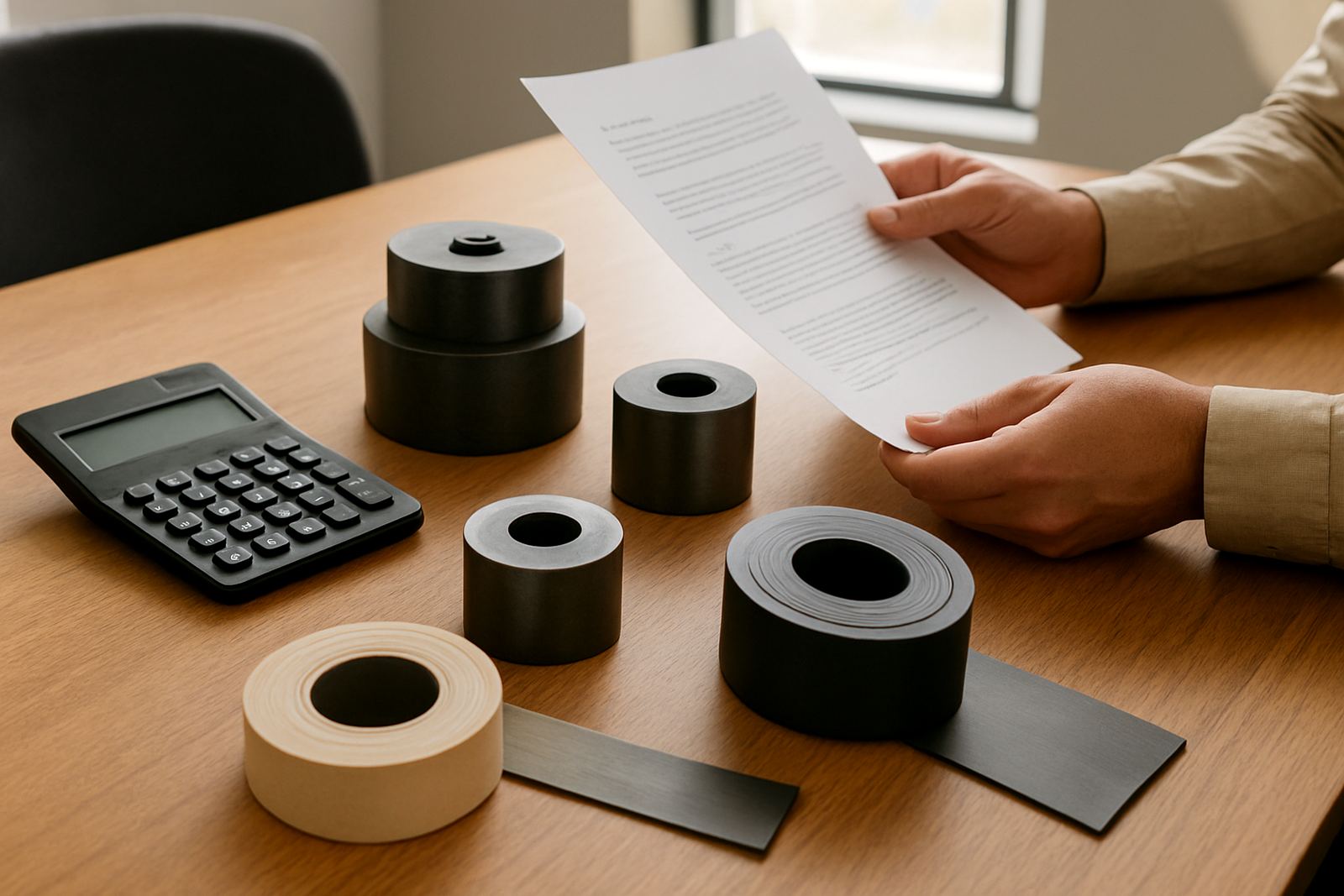
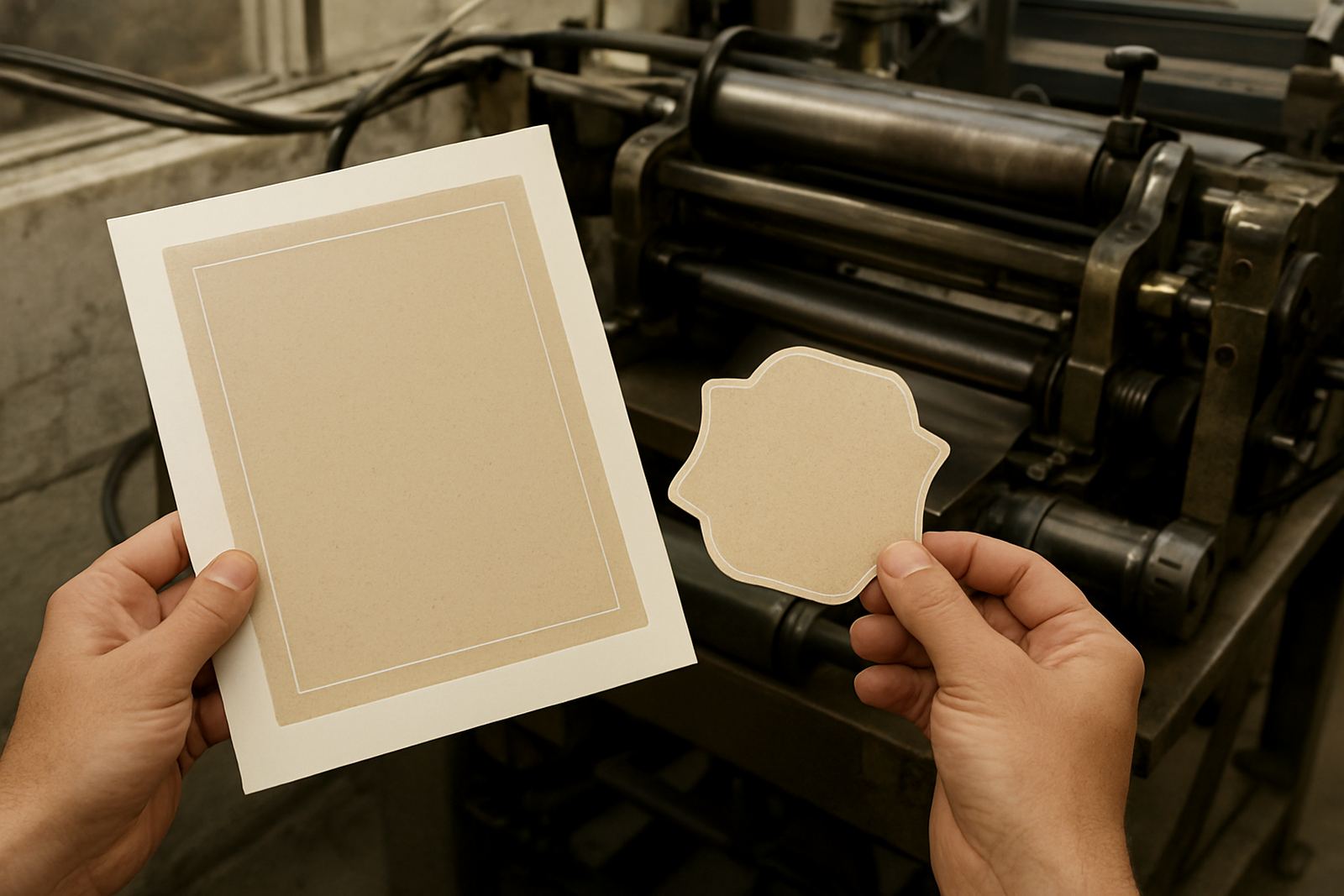
Before any rotary solid die or flexible magnetic die is made, define the full label structure. State the face stock type, adhesive, liner material and whether the job is paper, PP, PET or another film. A kiss cut on 60 micron film behaves very differently to one on coated paper, and a liner that is too soft can show scoring even when the blade setting looks correct.
Give the exact finished label size and the waste pattern, plus whether the job needs matrix removal, tab cuts or easy-peel gaps. If the artwork has tight corners, tiny text or narrow bridges, mention that too. On some Durban and Gqeberha jobs humidity can change how the stock feeds, so we also need to know whether the material will run in a controlled store room or straight from a warm delivery bay.
- Face stock type and thickness
- Liner type and thickness
- Finished label size and layout
- Whether the matrix must strip cleanly
- Any tight corners, slits or bridges
2. Cut depth must stop at the liner line
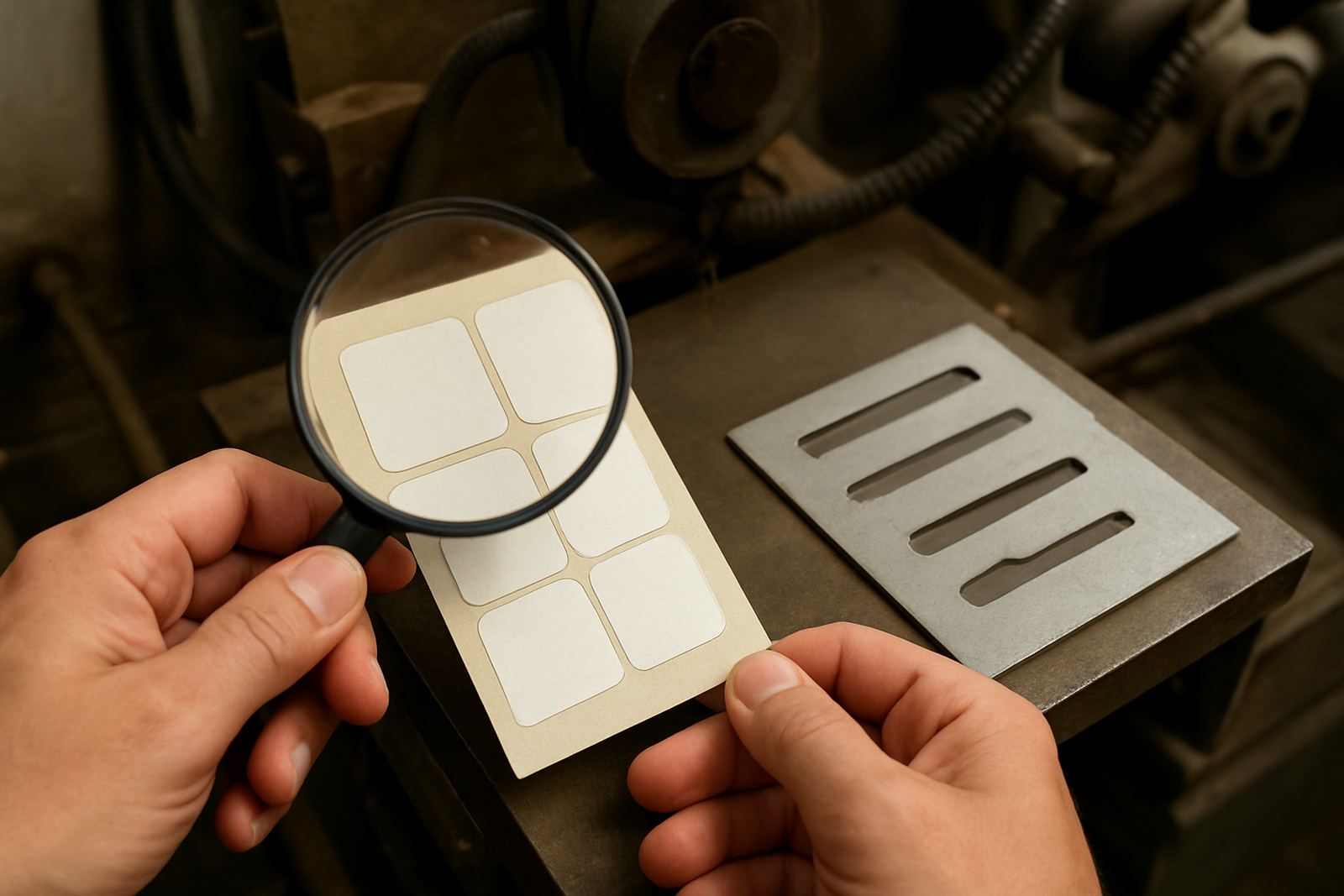
The main question on a kiss cut is simple: do you need the face stock separated while the liner stays intact? If yes, the die depth must be set to reach through the face stock and adhesive layer, but not into the liner. For converters in Johannesburg and Pretoria running mixed jobs, this tolerance needs to be repeatable across the full cylinder, not just good on one sample.
We normally ask for a press sample or a sample of the stock if the job is new. That lets us check how the face material compresses under load and whether the liner gives a little more than expected. A liner score can cause web breaks later, especially on long runs or where tension is high. If the job is for hand application, a slightly deeper kiss might be acceptable, but for automatic dispensing the liner must stay smooth and strong.
- Confirm whether the liner must remain unmarked
- Tell us if the job will be hand applied or machine dispensed
- Say if the press runs at high tension or low tension
- Provide a sample if the stock is new to you
3. Tell us how the job will run on press
A kiss cut that works in the die room can still give trouble on press if the setup is wrong. We need to know the press width, web direction, repeat length and whether the job runs on a rotary press, semi-rotary unit or another converting line. If there is a magnetic cylinder in use, confirm the cylinder size and whether it has been checked recently for wear, bearer setting and magnet holding strength.
Load-shedding, power dips and rushed changeovers can all affect setup time, so practical information helps us match the tool to the way you actually run jobs. If the labels must register with print, varnish or slitting, say so at the start. The more exact the press details, the less time is spent on trial and error in Germiston or on delivery to Cape Town, Bellville or Pinetown.
- Press type and web width
- Repeat length and running direction
- Whether print must register to the cut
- Any slitting or perforation needs
- Condition of the existing cylinder or die set
4. Check the artwork for features that affect cutting
Artwork is not just a print file when a kiss cut is involved. Small internal corners, close-up text, fine cut-outs and tiny islands all affect how the die behaves. If the label has a peel tab, fold-back edge or carrier strip, we need that shown clearly in the brief. In some cases the face stock can tear before the cut fully releases, so those areas may need a change in shape rather than only a deeper cut.
Good CAD proofing avoids surprises. We review the geometry, compare repeats and look for places where a close tolerance may cause lifting or premature liner damage. When customers send old tooling for repeat matching, we also check whether the previous job had wear, regrind history or a modified cut line. That is especially useful when the same label is being rerun after months in storage.
- Check for tiny islands or loose elements
- Mark peel tabs and release points clearly
- Show any special slits, gaps or perforations
- Send the latest artwork version, not an old file
5. Ask for the right support before the run starts
For a new kiss cut job, press trial support is often worth the time. It helps confirm whether the face stock separates cleanly and whether the liner remains intact through stripping, rewinding and dispensing. If the first trial shows a light score or incomplete release, we can adjust the tooling, recommend a regrind or suggest a small design change before the whole batch is affected.
Customers across South Africa often need urgent remakes when a line is down or stock is tied up waiting. In those cases, it helps to say upfront whether the job is urgent, whether you need stock advice, and how soon packing and dispatch must happen. We also coordinate deliveries to Johannesburg, Pretoria, Durban, Cape Town and Gqeberha, with practical planning for local traffic and cut-off times.
- Request a press trial if the job is new
- Ask for stock advice if material choice is still open
- Say if the order needs urgent remake handling
- Confirm delivery area and preferred dispatch timing
6. A simple brief that gets the die right first time
When you specify a kiss cut, the clearest brief is the one that answers the right questions without extra guesswork. You do not need a long story, just the facts: what is being cut, what must stay intact, how it will run and where it must be delivered. That is how we keep tolerances tight for label printers and converters from Wadeville, Germiston through to the larger metro areas.
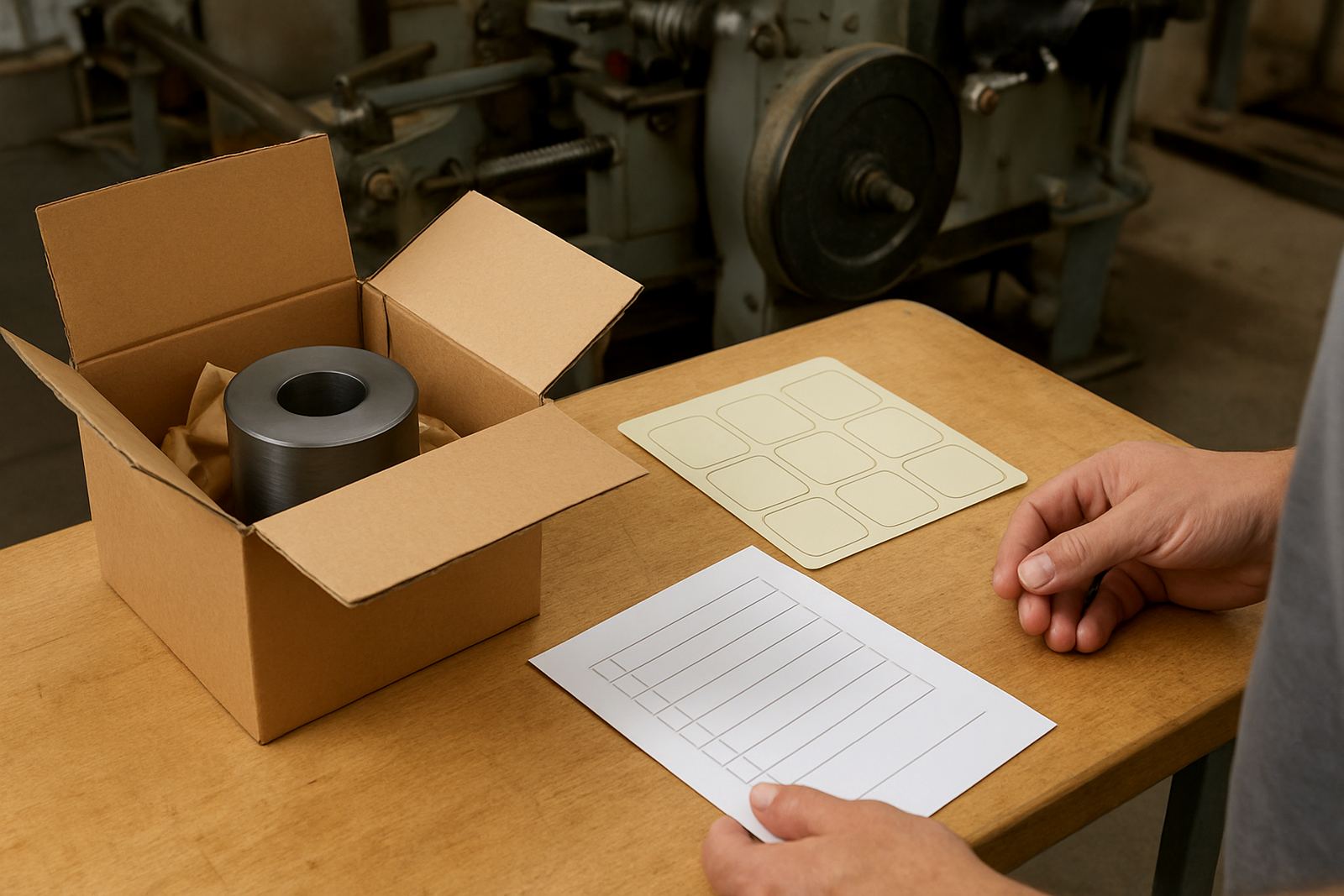
Use this checklist before sending your enquiry through the contact form. It saves time, cuts down on back-and-forth and helps avoid a liner that is scored too deep or a face stock that does not release properly.
- Product name and label size
- Face stock, adhesive and liner details
- Press type and running conditions
- Need for repeat matching or cylinder refurb
- Delivery location and urgency
LabelCutter Dies makes rotary solid dies, flexible magnetic dies and magnetic cylinders to order for South African label work. From die design and CAD proofing to bearer setting, die regrind and delivery coordination, the aim is the same: a clean kiss cut that does its job without damaging the liner.