Start With A Clean Handover After The Press Run
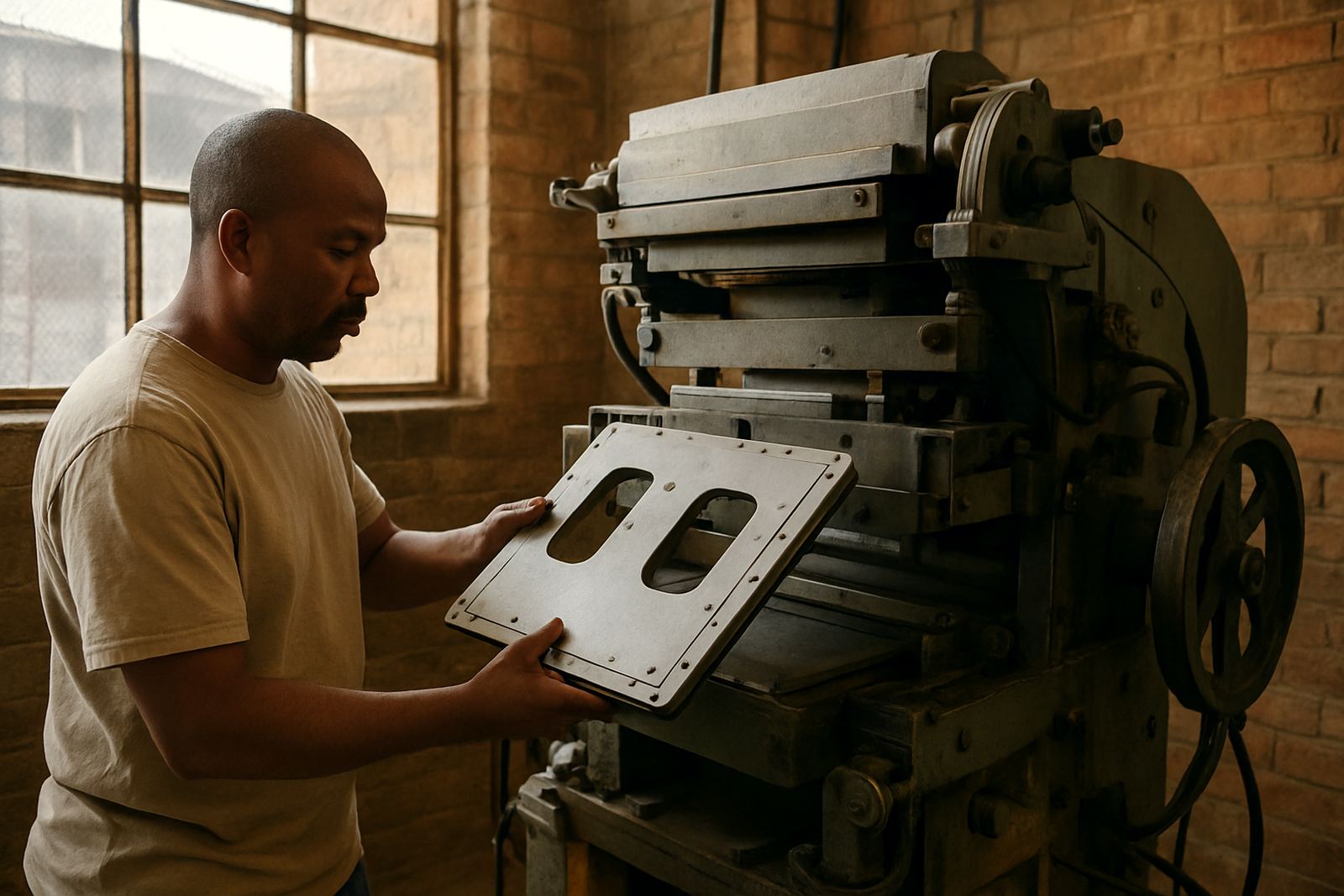
At the end of a run, do not leave a die sitting on the press longer than needed. Switch off and isolate the machine first, then remove the die carefully with proper lifting support if the unit is heavy. In Germiston, Johannesburg and Pretoria shops, the quickest way to avoid edge damage is to keep one person on the handling side and one person on the receiving side.
Wipe off label adhesive, paper dust and ink mist before the die is packed away. Use a soft cloth and a suitable cleaning method for the material in front of you. Do not use steel tools on cutting edges or on the magnetic face. If a die has been run hard on coated stock or on a job with heavy liner build-up, inspect it before it goes back onto the shelf.
- Remove loose waste from the cutting face and around the bearer areas.
- Check for nicks, burrs or stuck label waste along the cutting line.
- Make sure locating holes, pins and mounting surfaces are clear.
- Confirm the die is dry before packing, especially in coastal areas like Durban and Cape Town.
Check Wear Before You Put It Back Into Storage
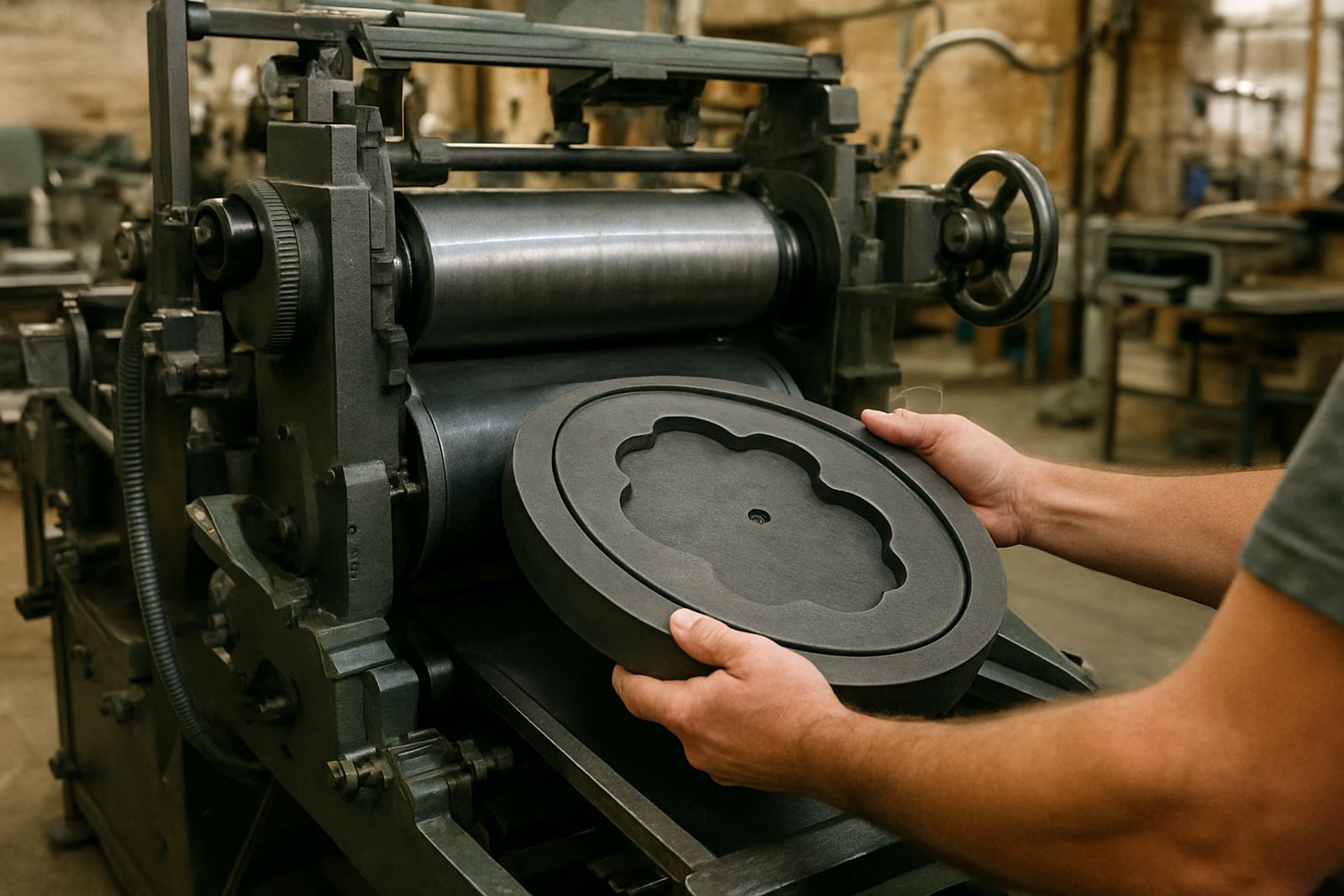
A quick inspection between jobs helps you spot small issues before they become costly. Look closely at the cutting edge, the backing condition and any points where the die may have rubbed against the machine. If you use magnetic cylinders, check the cylinder surface for scoring, rust marks or old adhesive that could affect the next setup.
For repeat work, compare the die against the approved sample or the last good job reference. That is especially useful for converters running many short repeats through the week. A die that looks fine at a distance can still have a slight wear line that affects a fine label edge or a tight corner radius.
- Check for edge dulling on the highest wear sections first.
- Inspect any screws, clamps or locking parts for movement.
- Look for corrosion, especially where humidity is high.
- Confirm the die identification matches the job card before storage.
Store Dies In A Dry, Stable Place
Storage matters just as much as cutting quality. Keep dies in a dry area away from floor moisture, open doors and direct sunlight. In coastal regions, use covered storage and a simple moisture control routine. In inland plants, dust is usually the bigger problem, so closed racks or labelled drawers help prevent chips and debris from settling on the cutting face.
Keep each die in its own place. Do not stack metal parts loosely on top of each other. If you have to move a die for a short period, keep it in its carrier or on a lined shelf so the edges do not touch hard surfaces. During load shedding, avoid leaving dies in warm rooms where humidity changes can cause condensation once power returns.
- Store dies flat or in the orientation recommended for that type.
- Use protective covers or separators between units.
- Keep away from chemical cleaners, solvents and wet packing materials.
- Label storage positions clearly so urgent remakes can be found quickly.
Handle Flexible Magnetic Dies Without Bending Them
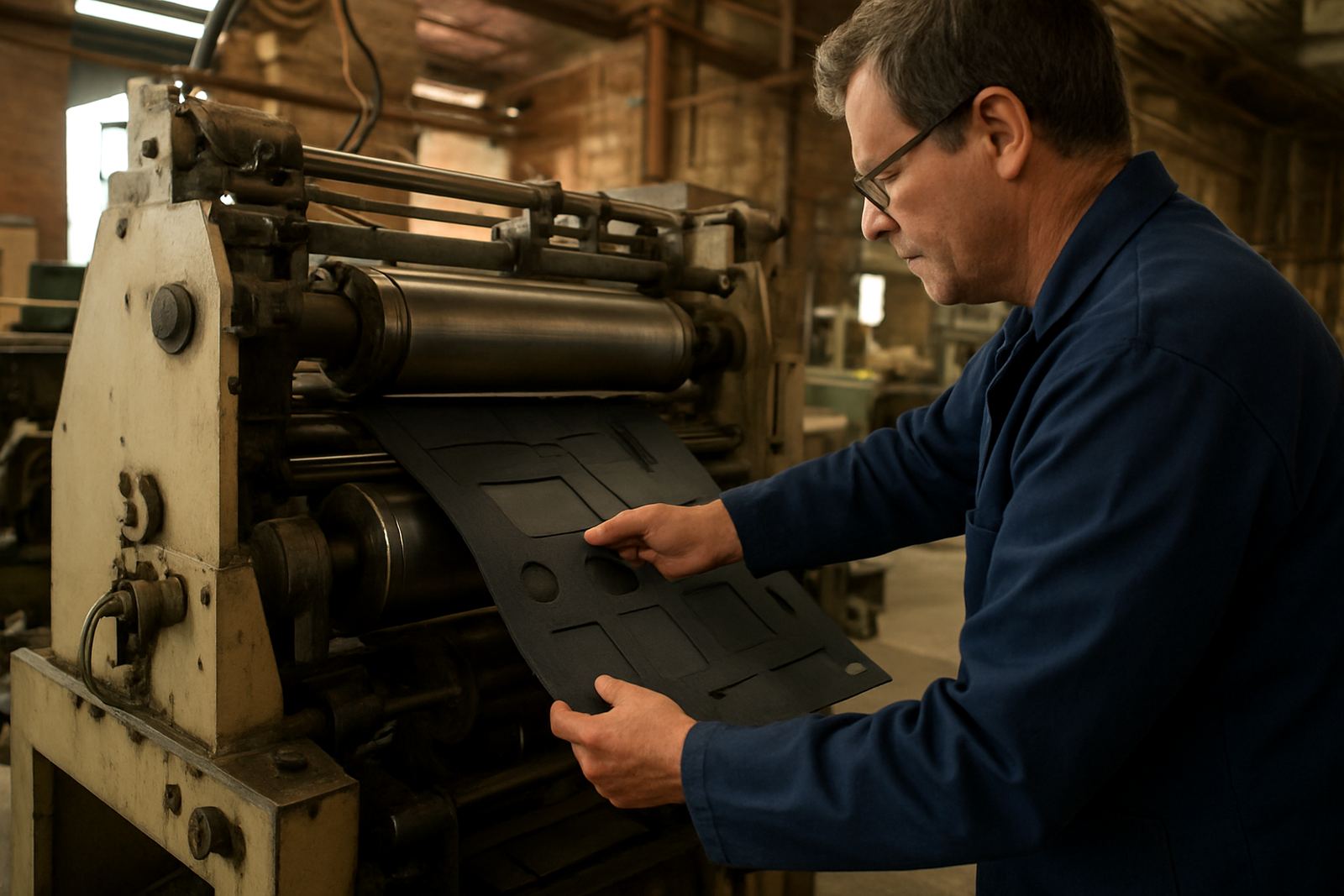
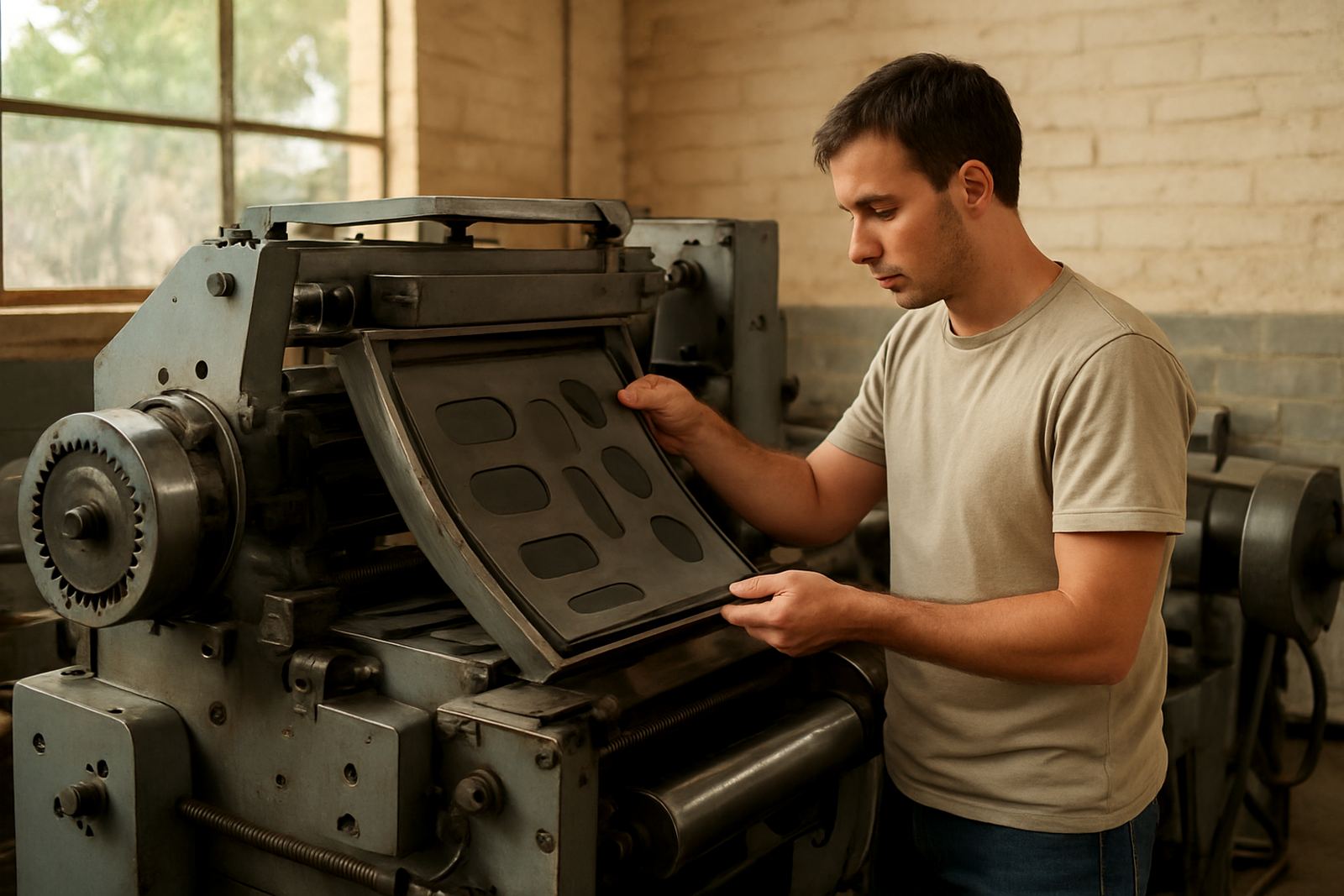
Flexible magnetic dies need careful handling because they can be damaged by bad bending, twisting or rough storage. Always move them by the body of the die, not by the cutting edge. When a job is finished, roll or place the die as instructed for that format and avoid forcing it into a shape it does not want to hold.
Before the next job, check that the magnetic contact face is clean and free from dust. Even a small amount of debris can affect mounting and lead to poor cut depth or uneven pressure across the web. If a die has been stored for some time, let it return to a stable room temperature before fitting it to the press.
- Never crease or snap a flexible die by hand.
- Keep magnetic faces clean and free from metal chips.
- Do not let dies rub against sharp corners or exposed steel shelves.
- Use the correct carrier or cylinder for the format and repeat size.
Match The Die To The Next Job Before It Leaves The Shelf
Before a die goes back into production, confirm the details against the next order. Check repeat, artwork version, cut depth history and any special notes from the last run. If there was a press issue, note it clearly so the next operator knows what to watch for. This saves time on the floor and helps reduce trial waste.
For converters supplying Johannesburg, Durban, Cape Town, Gqeberha and Pretoria, proper job matching is also useful for dispatch planning. The right die in the right pack cuts down on delays, missed delivery windows and avoidable rework. If the job is urgent, keep the die record visible so the loading team can confirm it quickly.
- Compare the die ID with the order and sample reference.
- Check whether the job uses the same stock, liner or press set-up.
- Note any bearer settings, magnet checks or press trial notes.
- Flag anything that needs repeat matching or cylinder refurb before the next run.
When To Ask For Help Before The Next Run
Some signs mean the die should not go straight back into use. If you see broken edges, uneven cut depth, visible wear or mounting problems, stop and have it checked. It is cheaper to deal with a small issue early than to lose a shift on spoiled stock. If a die was dropped, packed badly or exposed to damp conditions, it should be inspected before it goes back on press.
LabelCutter Dies in Wadeville, Germiston supports printers and converters across South Africa with die design, CAD proofing, repeat matching, cylinder refurb, die regrind, bearer setting, magnet checks, press trial support, urgent remakes, stock advice, packing and dispatch, plus delivery coordination. If a unit needs attention between runs, send the details through the enquiry form on the contact page and include the job reference, the issue you have seen, and any sample notes.
A careful storage routine keeps the next setup faster and cleaner, and it helps the die last longer too. That matters whether the job is a small repeat for Pretoria or a full production run for Cape Town. Small habits in the store room usually save the biggest headaches on press.