Start With the Cut Pattern, Not the Guesswork
When a job starts giving trouble, begin by checking the cut itself. Look at the first sheets or the first few metres off press and compare them with a known good sample. If you see cut-through, incomplete kiss cutting, corner lift, or labels that are hard to strip, the fault may be in depth setting, bearer contact, pressure balance or a worn edge.
It helps to note whether the issue appears on one lane only, across the full web, or only after the press has warmed up. That tells us a lot. A problem that shows up after longer runs can point to heat build-up, glue transfer, pressure drift or an out-of-true cylinder. If the first part of the roll is fine and the rest starts drifting, send us that detail with your enquiry form notes.
- Check if the cut is too deep, too shallow, or uneven across the web.
- Compare the trouble sample with a previous approved run.
- Note whether the issue starts immediately or after the press has been running.
Check Fit, Seating and Bearer Contact
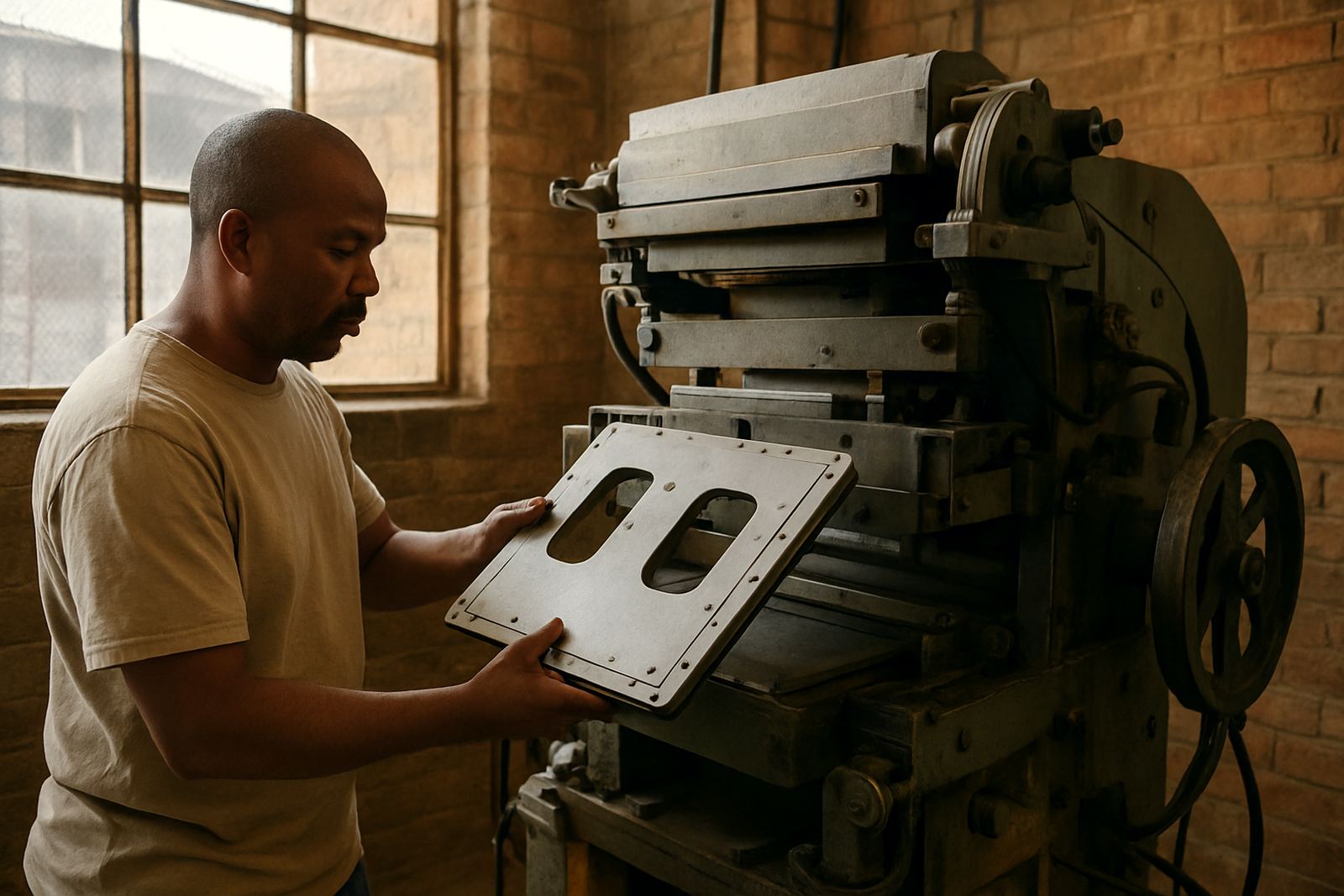
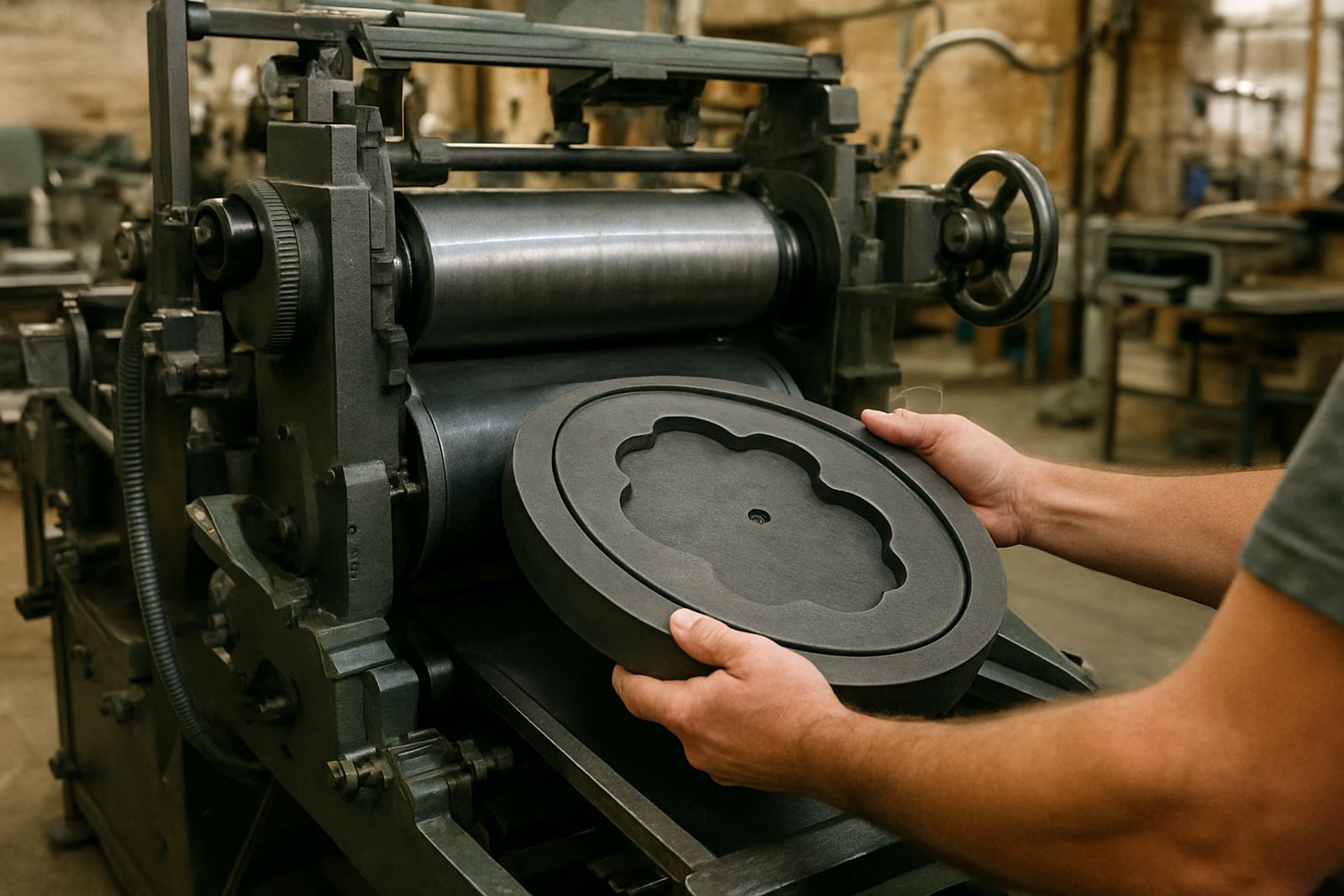
Many tooling problems come down to fit. A rotary solid die or flexible magnetic die must sit correctly in the cylinder or holder, with clean seating surfaces and proper alignment. If the tooling is not fully seated, the cut can vary from side to side and the matrix may start tearing instead of releasing cleanly.
Before you change pressure, confirm that the tooling is mounted square, the bearer setting is correct, and the cylinder surfaces are clean. Small pieces of adhesive, label dust or dried ink can throw off the setting. On repeat jobs, check that the previous approval is still the right match and not a near-match that was stored with the wrong notes. It happens more often than people think.
- Inspect mounting faces for dirt, adhesive and build-up.
- Confirm the die is seated fully and evenly.
- Verify bearer setting before increasing pressure.
When Pressure Settings Need a Reset
Too much pressure can shorten die life and leave rough edges. Too little pressure gives incomplete cuts and sticky matrix pull. The aim is a clean kiss cut with even depth across the web, including the outer edges and any fine detail. If the pressman keeps chasing the problem with more pressure, the result often gets worse.
For short-run label work in South Africa, especially on mixed stocks, a careful reset is often faster than repeated adjustment. Humidity on the coast can also affect material behaviour, while paper-based stocks in inland areas may respond differently in drier conditions. If you are running in Durban, Pinetown or Cape Town and the stock is changing with the weather, mention that when you ask for support.
- Reduce pressure first if the cut is too deep or the matrix is tearing.
- Increase pressure only in small steps when the cut is incomplete.
- Record the exact substrate, liner and press speed for the next run.
Matrix Removal Problems and How to Narrow Them Down
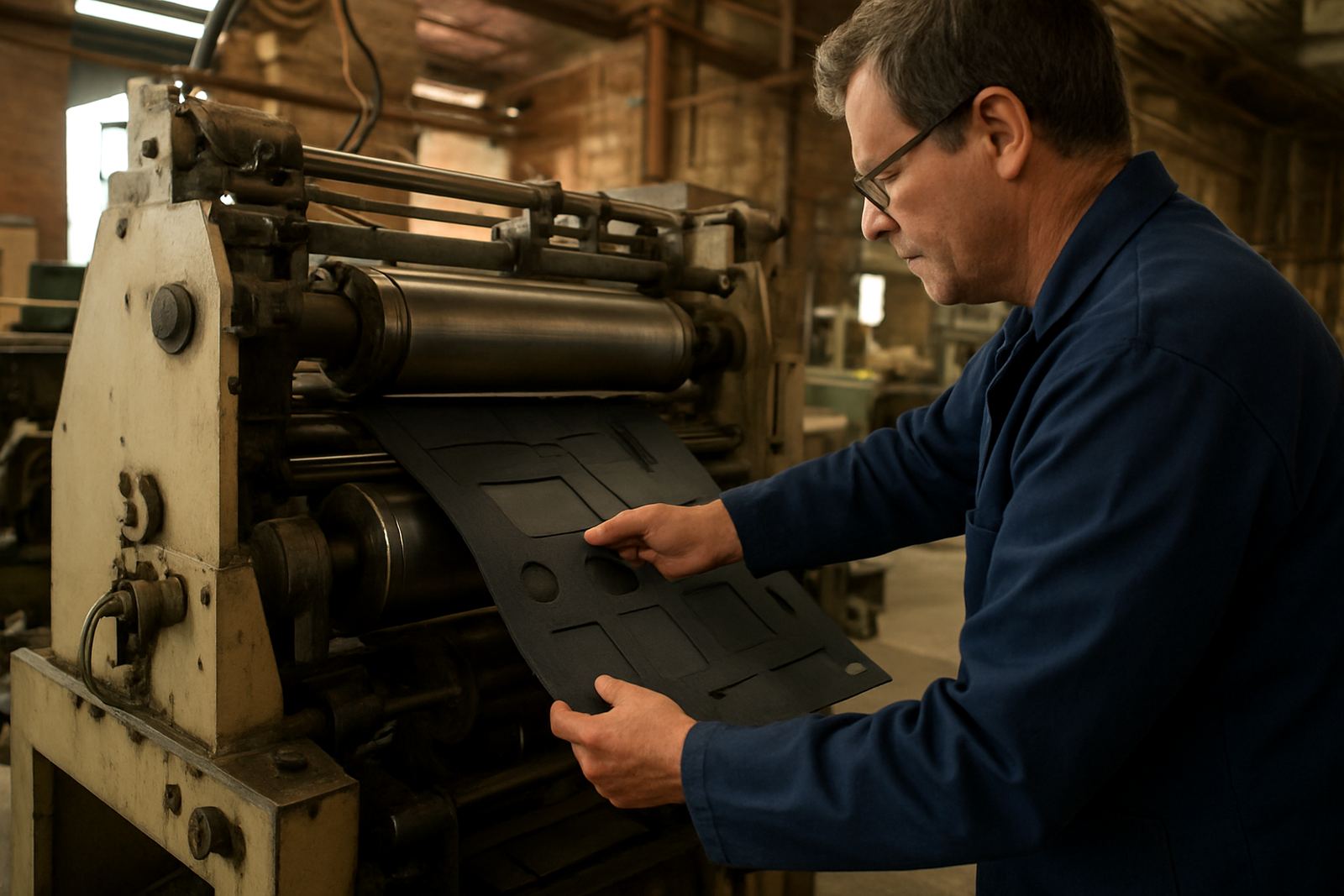
Matrix removal issues are often a sign of cut depth, adhesive behaviour, die wear or poor release balance. If the matrix is lifting in pieces, wrapping around the cylinder or refusing to strip cleanly, there may be a weak point in the cut pattern or a local pressure issue. Some jobs also behave differently on narrow webs compared with wider ones, so the job width matters.
Check whether the problem is consistent from roll to roll. If it changes, the cause may be in the material batch or the press setup. If it stays the same, tooling is more likely to blame. Our team can help assess whether you need a regrind, a remake, a magnet check or a cylinder refurb. That saves time when production is already under pressure.
- Look for matrix break points at the same spot on every repeat.
- Check for adhesive build-up on the die edge.
- Confirm whether the issue is tied to one substrate or all materials.
Damage, Wear and Repeat Matching Signs
Worn tooling usually gives warning signs before it fails completely. Edges lose sharpness, fine details start dropping out and small text may stop punching cleanly. On magnetic tooling, wear can also show up as uneven strip-out or a repeating mark in the same position on every cycle. If a job that once ran well now needs extra pressure, that is often a clue.
When you send us a repeat request, include the old sample, the latest sample and any notes on press settings. We can compare the cut condition and advise on repeat matching, die design changes or whether the existing tool should be refurbished. For South African plants juggling load-shedding and tight dispatch windows, that kind of comparison can prevent another lost shift.
- Look for dull edges, missing detail or repeated marks.
- Keep samples from approved jobs for future matching.
- Share press speed, substrate and storage notes with your request.
How to Send the Right Details With a Tooling Query
Accurate notes on cut quality and register show where the tooling issue sits. Use the enquiry form on our contact page and tell us what the tooling is doing, where the fault appears and what has already been tried. If the problem is urgent, say whether the job is stopping packing, changing turn-around times or holding up dispatch.
We support printers and converters in Germiston, Johannesburg, Pretoria, Durban, Pinetown, Cape Town, Bellville and Gqeberha, with delivery coordination where needed. If the tooling needs urgent remakes, cylinder work or a technical check, our team will guide the next step. A clear sample and a few practical details often solve more than a long explanation.
- State the product, substrate and press type.
- Include photos of the cut, matrix and any visible wear.
- Tell us whether the issue affects all repeats or only one section.