
Why fresh produce labels need cleaner cutting
Fresh produce work is unforgiving. Labels for fruit, vegetables and chilled packs often run in cool rooms, on busy lines, and through storage where moisture, dust and handling can quickly expose a poor cut. If the die is not matched to the stock and the press set-up, you get rough edges, lifted corners and waste from missed pulls or overcutting. That means more spoilage risk, slower packing, and more off-spec rolls going back through the line.
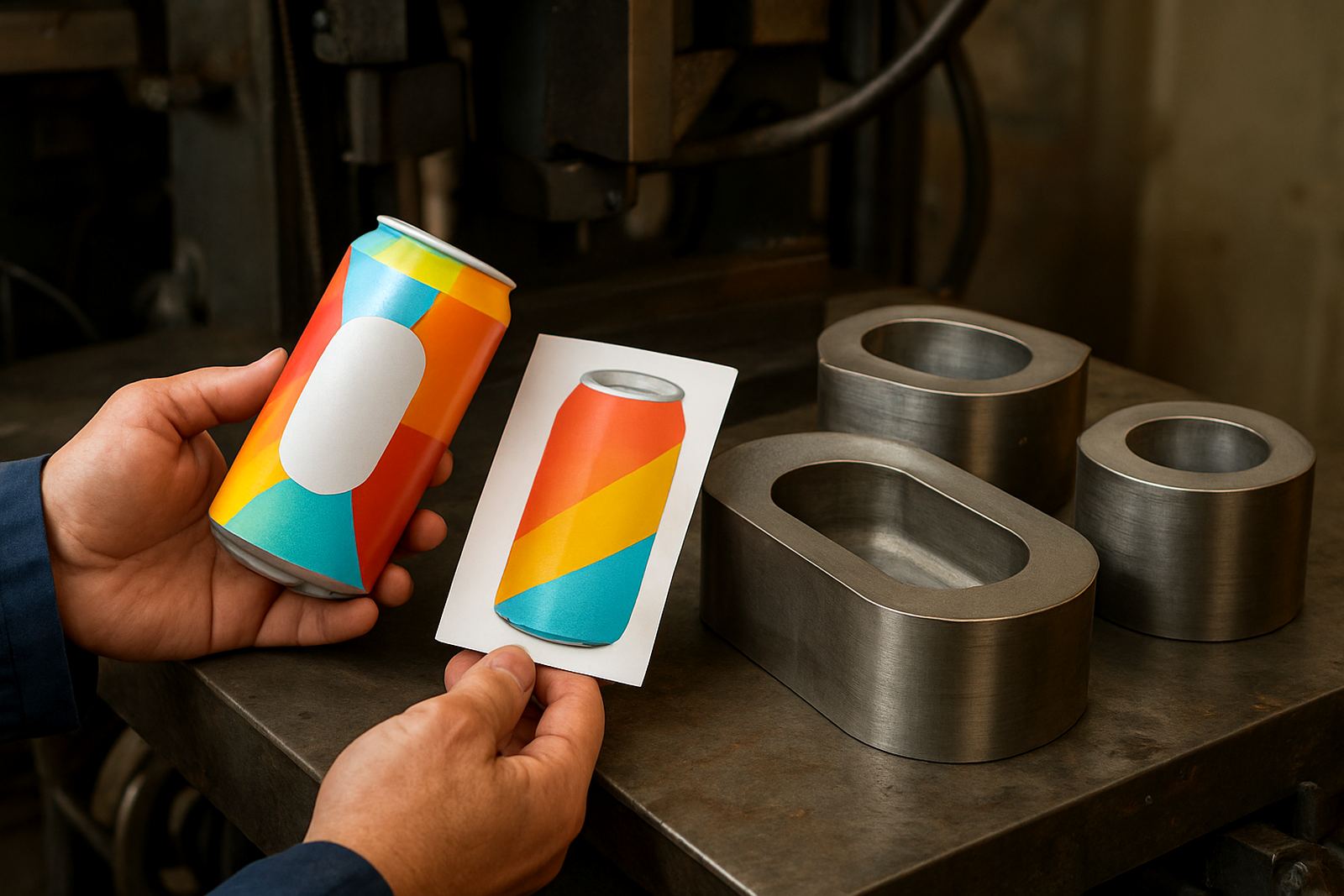
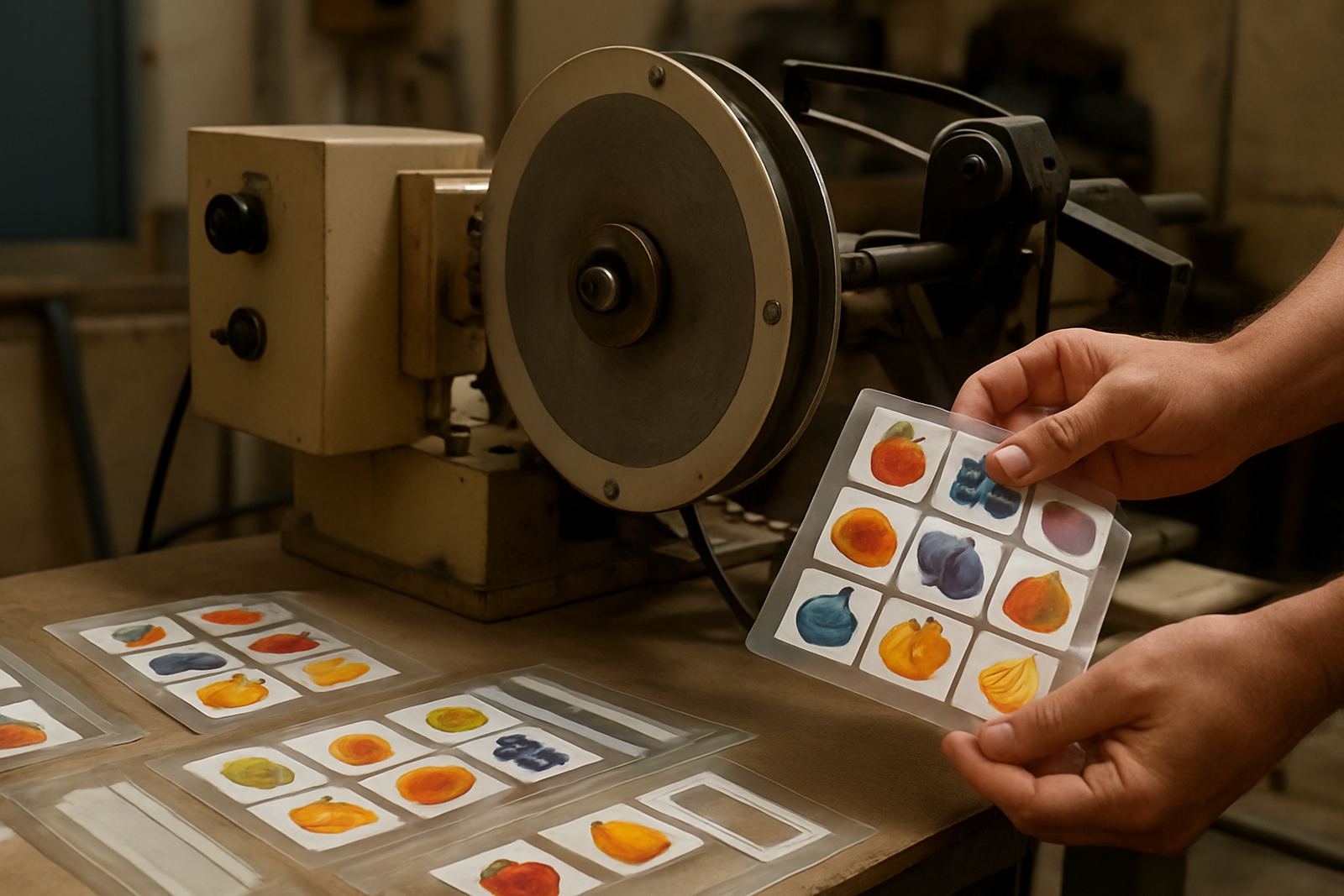
For most produce clients, the goal is not fancy artwork. It is a label that strips cleanly, sits flat on the pack and stays consistent from the first reel to the last. Simple shapes usually win here, especially for barcoded price labels, date labels, variety stickers and traceability labels. We supply tooling for that kind of work day in, day out.
Typical equipment set for produce converters
Most produce label jobs run on rotary converting lines with either solid dies or flexible magnetic dies, depending on the press format and volume. Where a client needs repeat runs and tight control, magnetic cylinders can help keep setup consistent. For shorter runs or quick pattern changes, flexible magnetic dies are often the practical choice. We also support bearer setting, magnet checks and repeat matching where the same label spec comes back month after month.
- Rotary solid dies for higher-volume, fixed repeat work
- Flexible magnetic dies for faster changeovers and simpler maintenance
- Magnetic cylinders for repeat jobs that must hold registration
- Press trial support to check cut depth and stripping on the actual stock
- Die regrind and cylinder refurb for worn tooling
If you are running through winter mornings in Johannesburg or damp coastal conditions in Durban and Gqeberha, small setup errors show up quickly. A cut that looks fine in the workshop can behave very differently once the line is moving at production speed.
Planning the layout for cold-chain packs
Produce labels are often applied to films, paper facestocks or coated materials with adhesive chosen for chilled storage. The die must suit the final pack shape and the way the label peels from the liner. Rounded corners can reduce lift on moisture-prone packs, while sharp internal corners can snag during stripping. If a label sits close to a seal area or fold, leave enough clearance so the cutter does not weaken the pack.
Before we cut a new tool, we normally look at label size, material thickness, press type and whether the label is applied on line or by hand. That saves time later and helps prevent rework. CAD proofing is useful when you are managing several pack sizes for one customer, because a small change in one die can affect the whole family of labels.
- Keep the shape simple if the label must run at speed
- Allow extra clearance for condensation and handling
- Check that strip waste does not pull at the label edge
- Match the die to the stock, not only to the artwork
- Ask for repeat matching if the job returns every season
Common mistakes on produce label jobs
A frequent problem is choosing the wrong cut style for a lightweight label stock. The job may look fine on a test sheet, then start leaving fibre pull or incomplete release once production begins. Another mistake is assuming all chilled applications behave the same. A label used on dry cartons is not the same as one going onto a cold, slightly damp punnet. If the adhesive and die are not matched to the use case, the pack line slows down and packing staff start compensating by hand.
We also see unnecessary downtime caused by worn tooling that should have been regrind or refurbed earlier. On busy produce schedules, an urgent remake can cost far more than planned maintenance. That is why we recommend checking bearer setting, magnet condition and strip quality before the season peaks, not once orders are already stacking up.
Budget ranges for fresh produce tooling
Budgets depend on size, material, repeat count and whether you need a solid die, flexible magnetic die or magnetic cylinder. For straightforward fresh produce labels, clients often plan around R2,500 to R6,500 for a basic flexible magnetic die. More involved rotary solid dies or repeat-accurate cylinder work can sit from about R7,500 to R18,000, depending on the spec and finish required. Refurb or regrind work is usually more economical than a full remake, especially on repeat jobs.
For one-off seasonal runs, it can make sense to start with a simpler tool and upgrade later if the volume grows. For national supply into Gauteng, KwaZulu-Natal and the Western Cape, many converters keep a repeat set on file so the next order does not start from scratch. That can reduce delays when shelves fill up before a long weekend or public holiday.
How we handle local supply and urgent remakes
From Wadeville in Germiston, we support label converters across Johannesburg, Pretoria, Durban, Pinetown, Cape Town, Bellville and Gqeberha. Our dispatch team coordinates packing and delivery so fresh produce clients can plan around production windows and not just courier cut-offs. When a line is under pressure, urgent remakes and stock advice help keep the job moving, particularly during peak season or when a press operator flags an issue late in the day.
Clients usually send an enquiry through the contact page with the label size, material spec, repeat length and a sample if available. From there we can advise on the tooling type, likely turnaround and whether a repeat match or full new die is the better call. Good produce work is mostly about planning, and a clean tool saves time at every shift change.
- Delivery coordination for major South African centres
- Packing and dispatch for safe transport of tooling
- Press trial support for first runs and tricky substrates
- Repeat matching for seasonal produce packs