
When cleaner packs need better cut quality
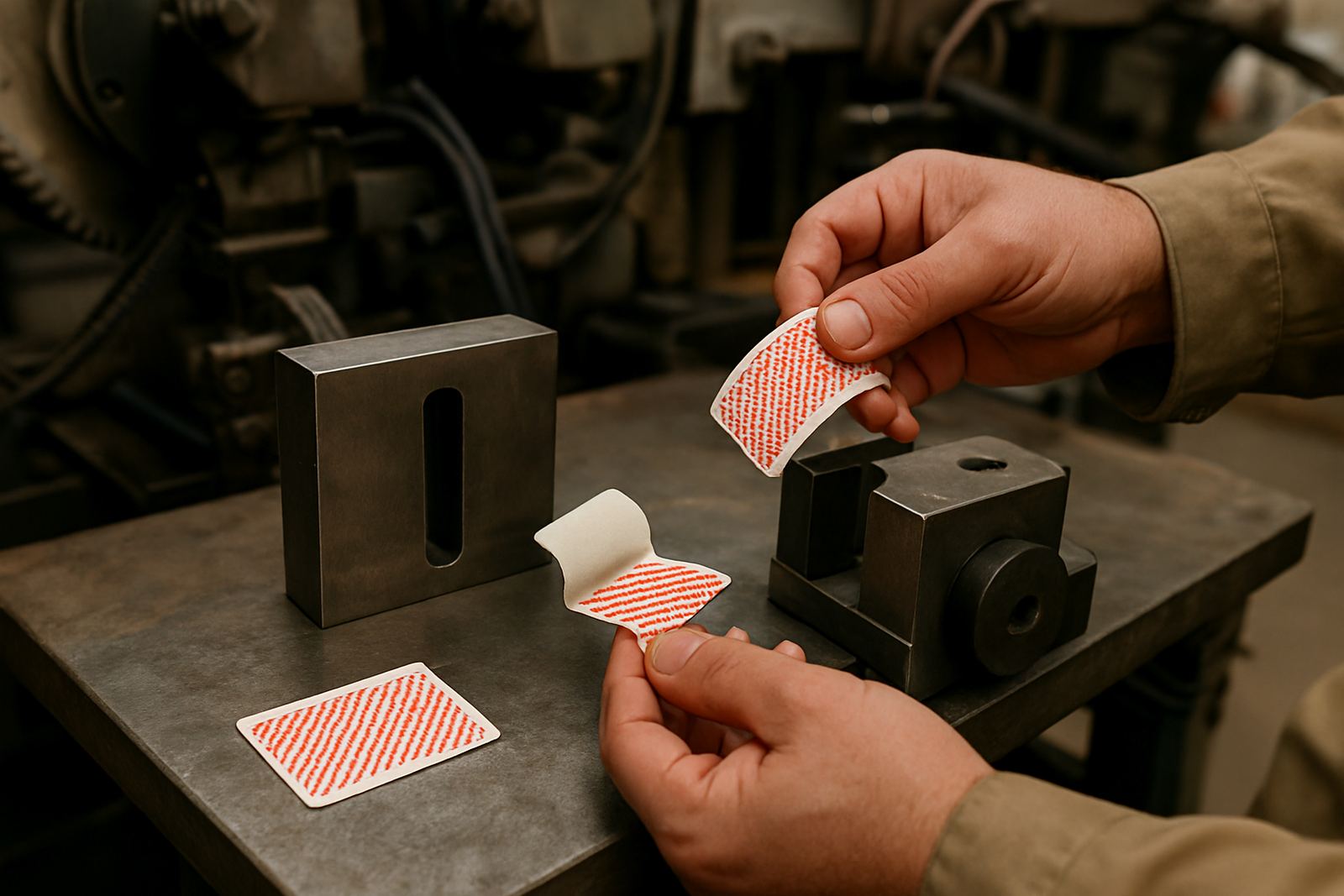
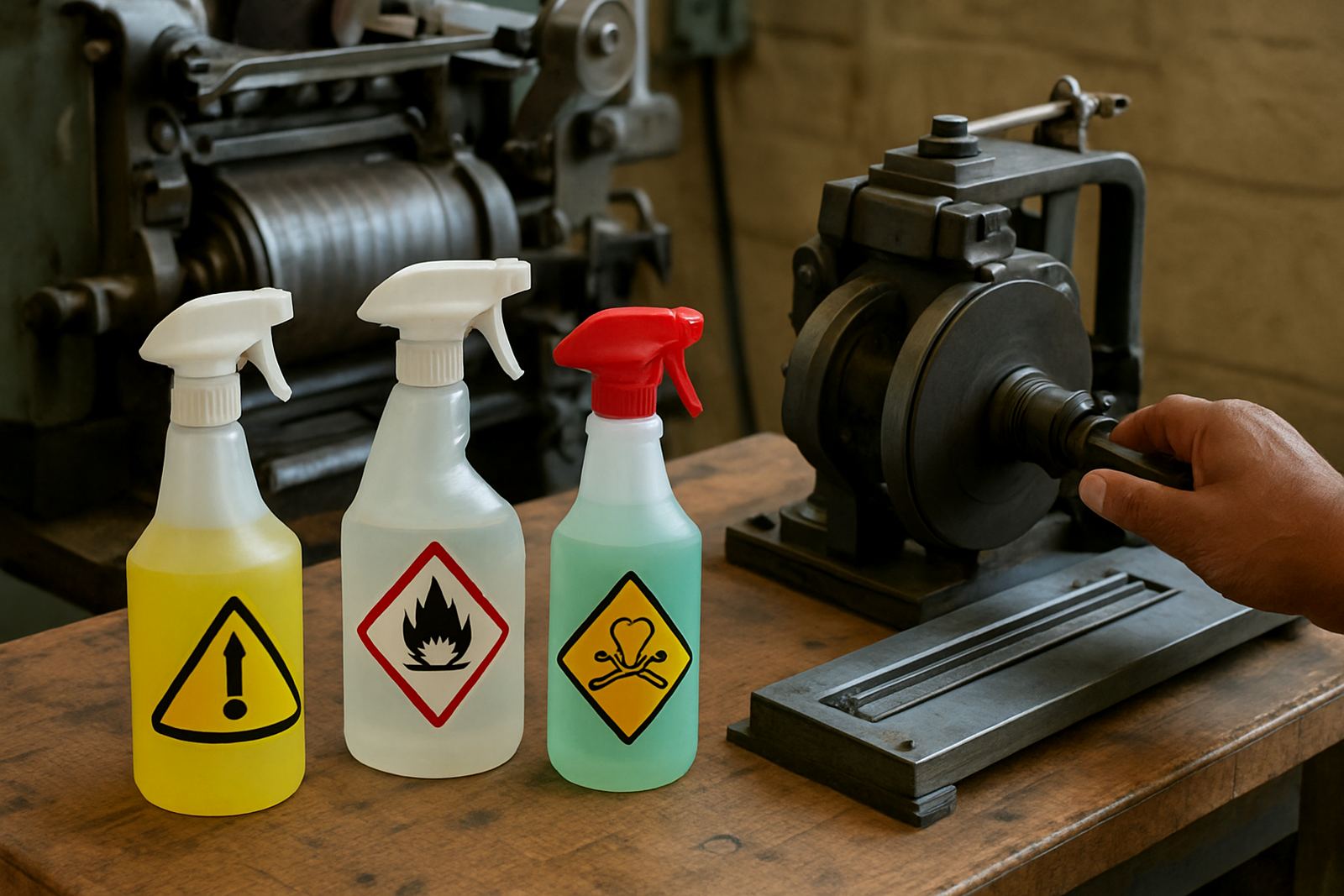
Cleaner labels work hard. They go onto plastic bottles, HDPE jerrycans, squeeze packs and trigger spray containers that may be wet, curved or slightly flexing as they move through filling and labelling. If the die is not right, you get lifting corners, ragged edges, poor stripping and labels that fight the applicator during changeover.
For this product type, the cutter has to match the film or paper face material, the adhesive strength and the shape of the bottle. A simple round or rectangular label may look easy, but on a 750 ml or 1 litre cleaner bottle, even a small error in cut depth or bearer setting can show up as poor release. We work with label printers in Germiston, Johannesburg, Durban, Cape Town, Gqeberha and Pretoria who need tooling that behaves the same from the first roll to the last.
Typical tooling set for cleaning products
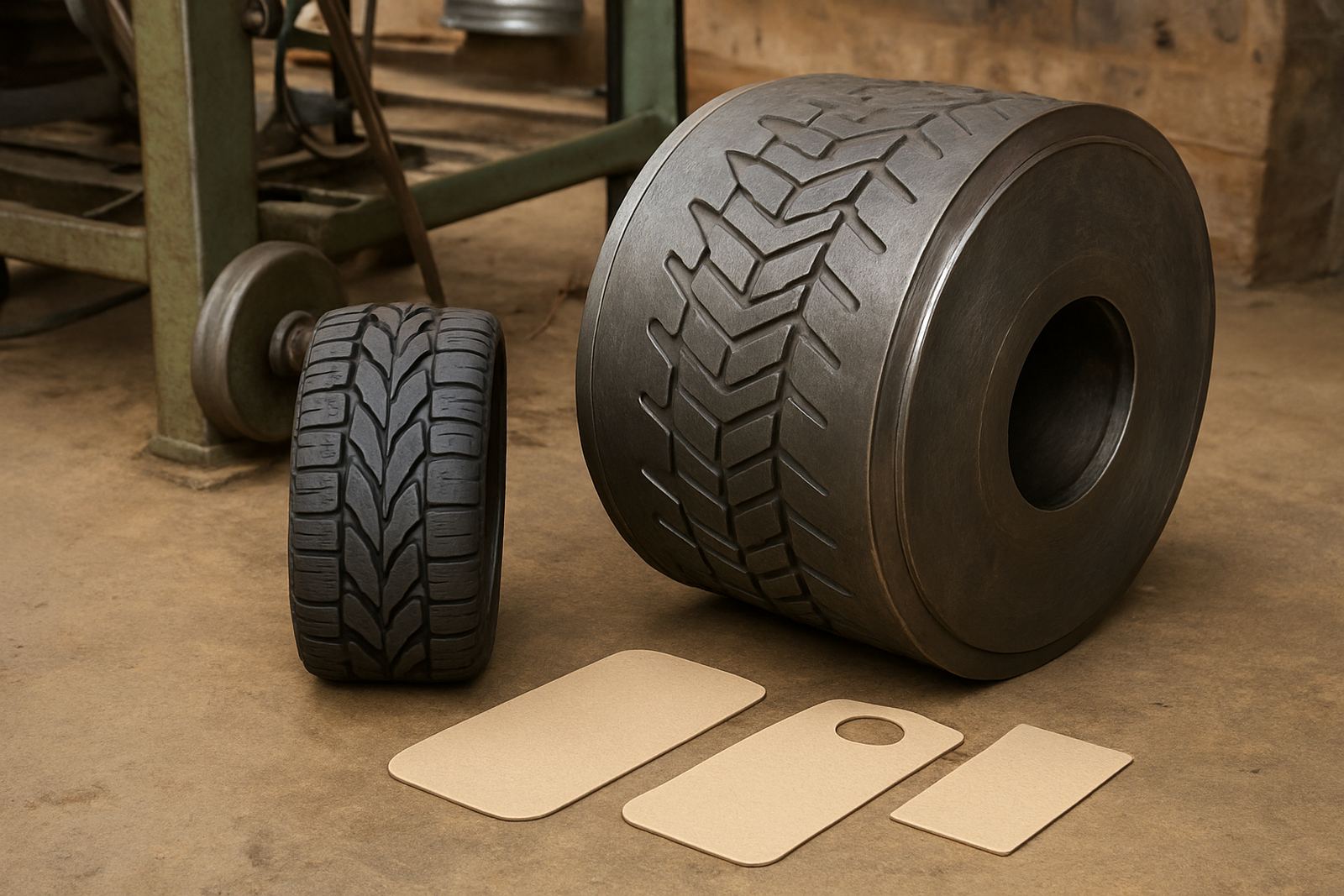
Most cleaner label jobs use one of three tooling options, depending on the press, run length and label shape. Rotary solid dies suit higher volume work where repeatability matters and the artwork stays in production. Flexible magnetic dies are useful for shorter to medium runs, frequent artwork changes and mixed product ranges. Magnetic cylinders are used where the press and job setup call for cylinder based converting with tight control over repeat length and register.
- Rotary solid dies for long runs and consistent edge quality
- Flexible magnetic dies for shorter runs, special shapes and quicker changeovers
- Magnetic cylinders for exact repeat control on compatible presses
- Bearer setting and magnet checks to keep cutting pressure even
- CAD proofing before manufacture so the profile is correct before steel is cut
For cleaner labels, we also look at liner type, waste matrix width and whether the labels need a small corner radius or a full wrap profile. If the pack uses a squeezable bottle, the label should release cleanly and not snag when the bottle is handled on the filling line, its a detail that saves a lot of stoppages.
Planning the label for wet rooms and squeeze bottles
Cleaner packaging often lives in laundry rooms, sculleries and storage areas where moisture, detergent residue and handling can all affect performance. The label design needs enough room for legal copy, batch details, warning text and barcodes without crowding the cut line. If the container flexes, the shape must allow for movement without lifting at the edges.
We usually advise printers to plan the artwork with the bottle profile in mind, not just the flat label size. On a contoured trigger bottle, a label with too much sharp corner detail can become difficult to place. On refill pouches, the cut may need to avoid seals, handles or gusset areas. A small change in radius can make a big difference to how the label behaves.
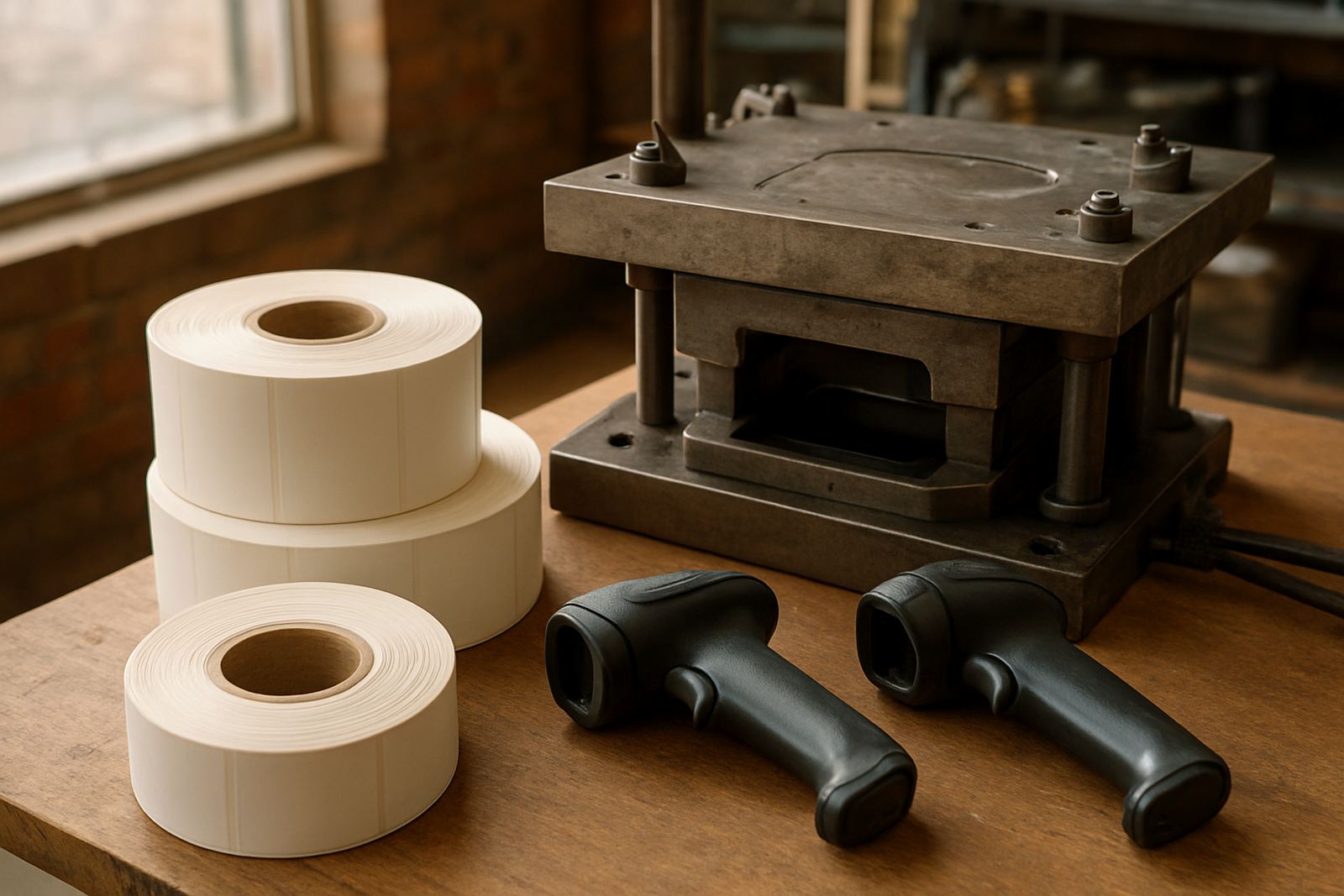
- Allow enough quiet space around barcodes and compliance text
- Keep cut lines clear of seals, shoulders and ribbed sections
- Check whether the label needs to survive damp storage or chemical contact
- Use the right adhesive for chilled, warm or humid conditions
- Match repeat length to the press setup before production starts
Common mistakes on cleaner label jobs
One of the most common problems is choosing a die profile that looks fine on screen but does not suit the container. A shape may be too tight around the shoulder or too sharp at the corner, which can lead to lifting after application. Another issue is skipping CAD proofing and assuming the previous job can be copied without checking the current artwork or substrate. That is where repeat errors creep in.
We also see jobs where the cutter pressure is not matched to the stock thickness. A thin paper label and a thicker film label will not behave the same on the same setup. If the bearer setting is off, the cut can be uneven across the web, leaving some labels crisp and others damaged. It is worth checking the magnet and cylinder condition before starting a new batch, especially on high speed runs where any drag can cause waste.
On urgent cleaner label remakes, the fastest fix is often not a complete redesign but a correction to the die line, bearer setup or repeat matching. Small technical changes can save the run without adding unnecessary cost.
What South African label printers usually budget for
Costs depend on size, material, complexity and how quickly the tooling is needed. A straightforward flexible magnetic die for a common cleaner label size will usually sit in a lower budget band than a new rotary solid die or magnetic cylinder with tighter tolerance demands. When the shape has multiple curves, fine text areas or a complex waste layout, the price rises because the manufacture time and checking time increase.
As a general guide, many cleaner label jobs fall into these broad ranges:
- Simple flexible magnetic die: from around R1,800 to R4,500
- More detailed flexible magnetic die: from around R4,500 to R8,500
- Rotary solid die: from around R7,500 to R18,000
- Magnetic cylinder or refurb work: from around R9,000 to R22,000
- Urgent remake or special turnaround: allow extra for priority machining and dispatch
Transport and timing also matter. A printer in Durban or Cape Town may need delivery coordination to avoid missing a production slot, while Johannesburg and Pretoria converters often want quick dispatch for same week changeovers. If the job is recurring, stock advice can help you keep a spare die ready for the next run instead of paying rush costs later.
How we support cleaner label production runs
LabelCutter Dies works with converters and printers from our Wadeville, Germiston base, supplying tooling for cleaner labels across South Africa. Our team handles die design, CAD proofing, repeat matching, cylinder refurb, die regrind, bearer setting, magnet checks, press trial support, urgent remakes, packing and dispatch. That means the job can move from drawing to machine shop to delivery with less delay.
For cleaner packs, we pay attention to the practical side of production. A label may need to run on a smaller press today and a different line next month. It may need to fit a new bottle mould or a changed panel size. We keep the setup work tied to the actual press conditions so the cutter is usable, not just correct on paper. If you are supplying household cleaner labels into retail or wholesale channels, the real aim is simple: clean cuts, steady register and fewer stoppages on the line.
Clients reach us through the enquiry form on our contact page, and we can help with branch to branch deliveries for Germiston, Johannesburg, Pretoria, Durban, Pinetown, Cape Town, Bellville and Gqeberha. For busy cleaners ranges, that local support can save a lot of lost time when stock needs to move quickly.