When tyre and auto labels need to keep pace with production
Tyre, battery, oil and parts labels often run in batches where the next job is due before the last one has fully cooled. If the die is not accurate, the print line starts chasing registration, edge lift shows up on curved containers, and the finish can look rough around small cut-outs or peel points. That is a problem for OEM supply, aftermarket packs and warehouse labels where barcodes must scan first time.
For these jobs we usually work with printers and converters who need clean cut edges, stable repeat orders and materials that can handle handling, heat and dust. In tyre plants and parts depots, labels may face rough surfaces, rubber dust, oil residue and temperature swings. In coastal areas like Durban or Gqeberha, humidity can also affect adhesive choice, so the die has to match the full converting setup, not just the artwork.
Typical equipment for tyre and auto label converting
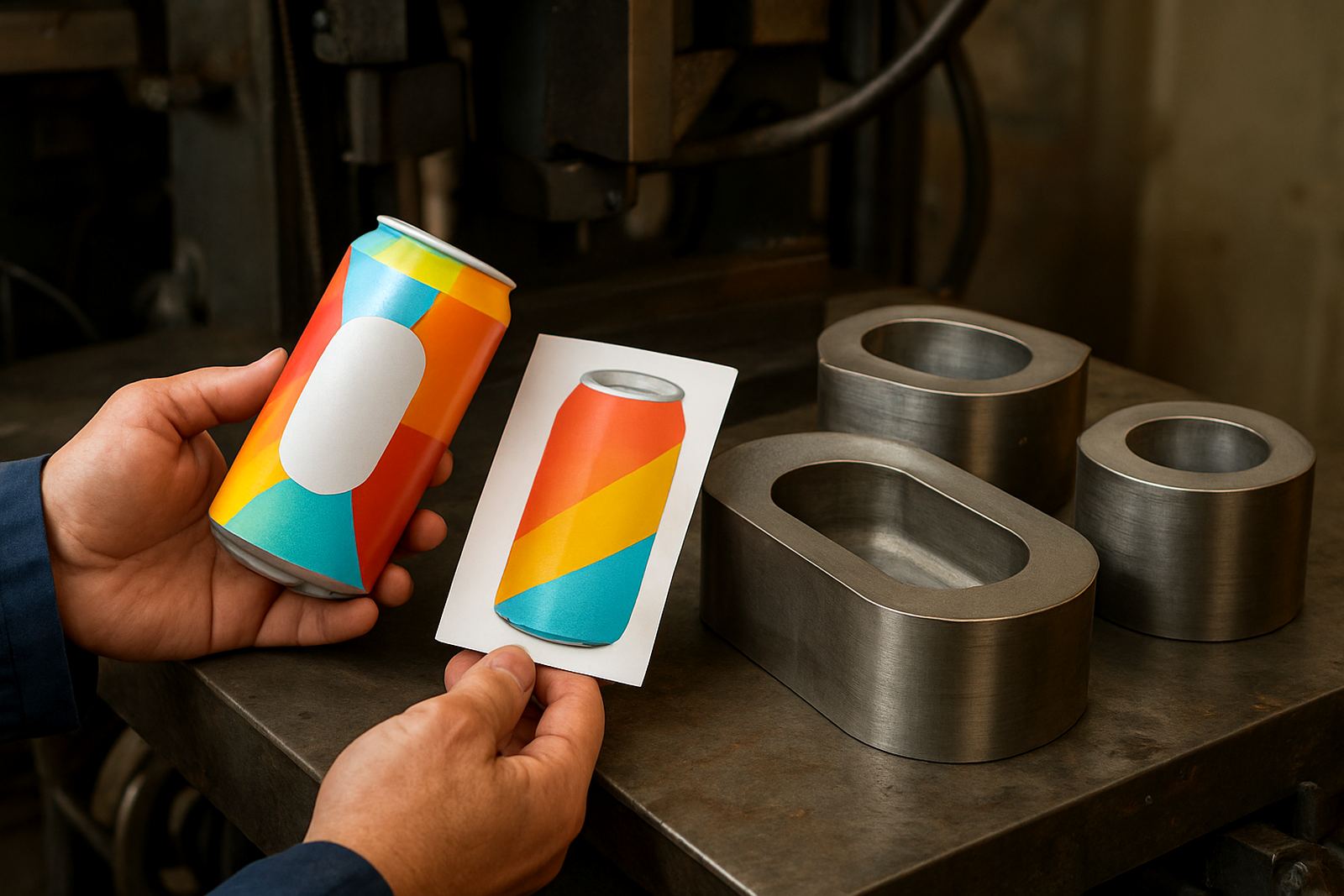
Most tyre and auto label work runs on rotary converting lines, with a solid die for high volume or a flexible magnetic die for shorter runs and repeat jobs. We also supply magnetic cylinders where the press setup calls for that format. The choice depends on run length, substrate, the press speed and how often the job repeats.
- Rotary solid dies for long runs and tighter wear demands
- Flexible magnetic dies for repeat work and quicker changeovers
- Magnetic cylinders for suitable press formats and stable registration
- Bearer setting and magnet checks to keep the cut even across the web
- CAD proofing before manufacture so small details and tolerances are checked early
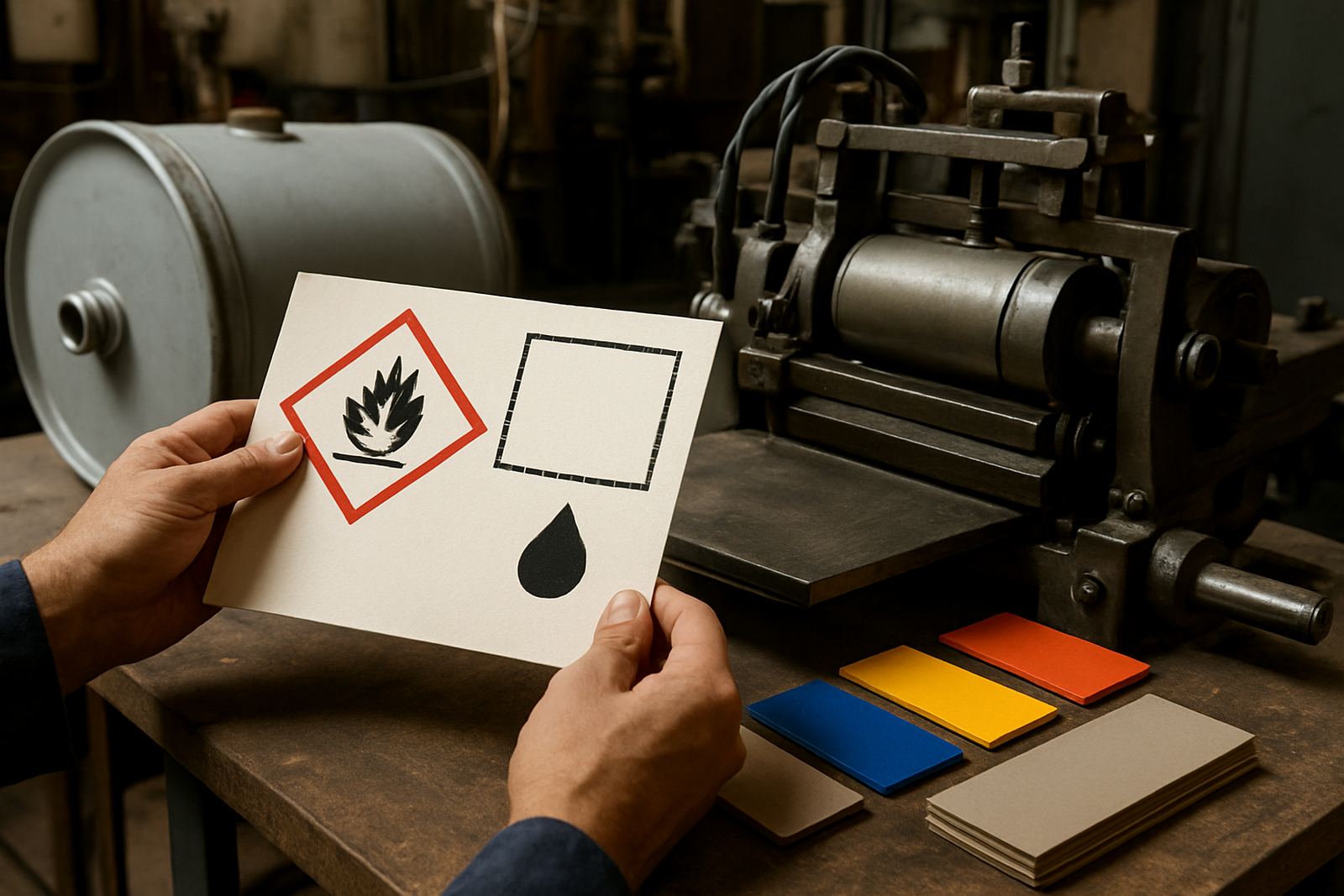
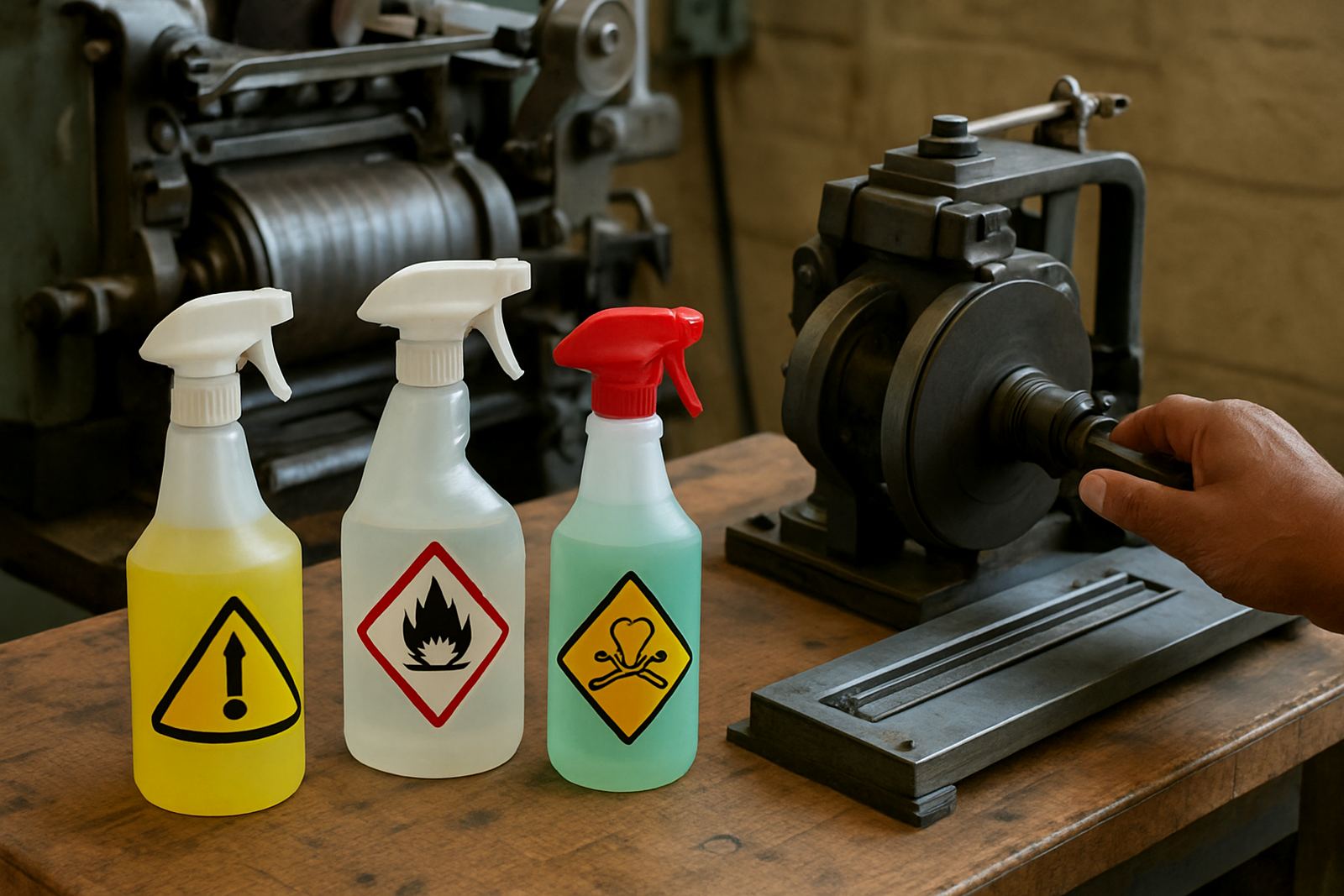
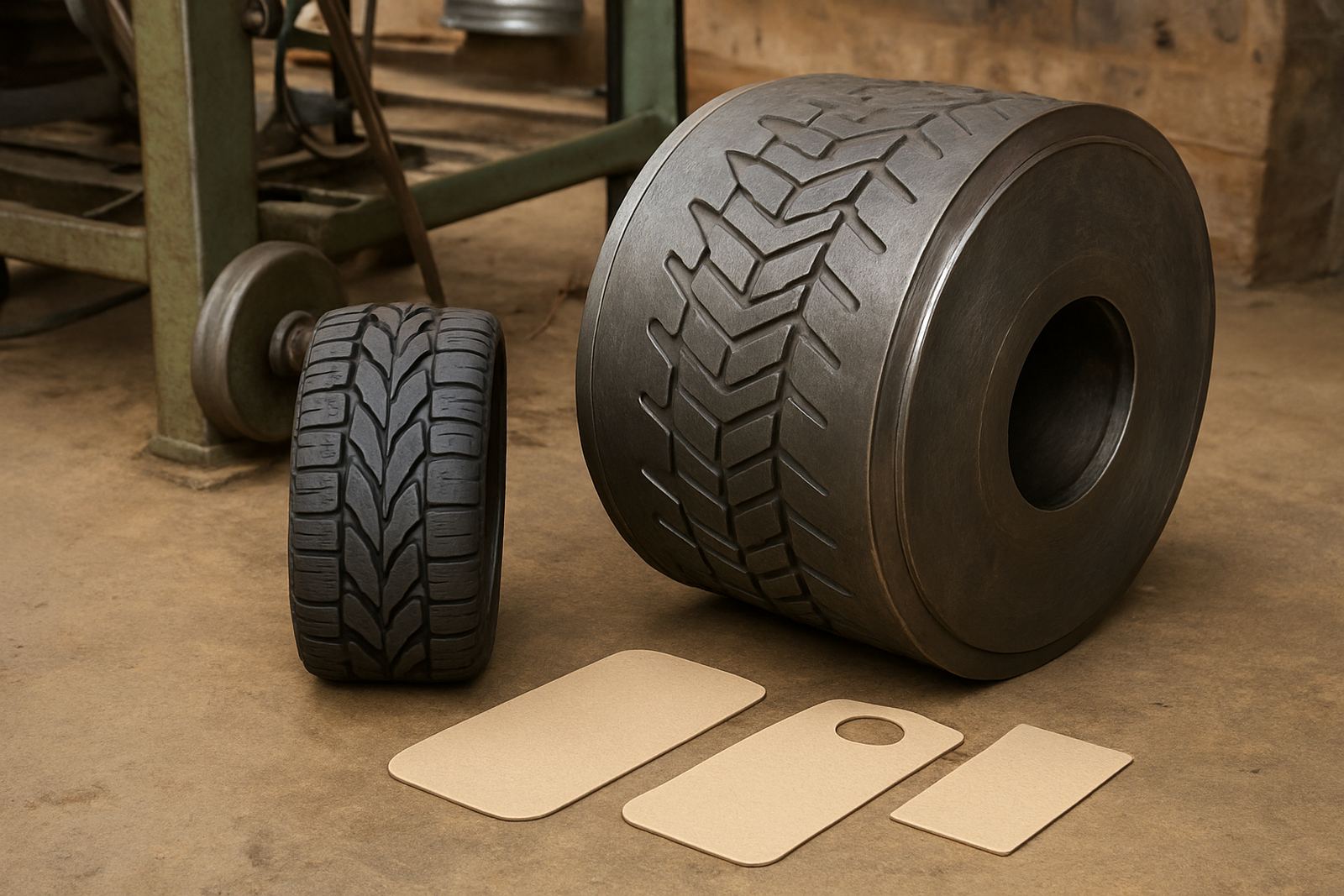
For tyre labels, we often see synthetic stocks, top-coated facestocks and stronger adhesives that need consistent kiss-cut depth. Auto parts labels may also need smaller text, serial fields, warning boxes and barcode windows. A die that is even a fraction off can mark liners, snag on the web or leave tabs too weak for dispensing.
Planning the layout before the die is cut
The best results come when the label structure is planned with the press in mind. That means confirming artwork size, repeat length, grain direction, waste removal, matrix strength and the final pack-out format before cutting starts. If the label has rounded corners, perforations or split faces, we look at how those features travel through the press and whether the liner can support them cleanly.
When we do layout planning, we also check whether the job needs an urgent remake later, or if it should be set up for repeat matching from the start. That matters for tyre suppliers that re-order the same size every month, and for auto parts producers who change batch numbers but keep the same label structure. A tidy setup saves time on press, and less time is lost chasing little adjustments that should have been sorted in CAD.
- Keep barcodes away from high-tension cut points
- Allow enough edge margin for die wear and press variation
- Choose adhesives that suit rubber, plastic, painted metal or cartons
- Plan for storage in warm warehouses and humid dispatch areas
- Match the die style to the actual press speed, not just the target speed on paper
Common mistakes on tyre and auto label jobs
One of the most common mistakes is choosing a generic die spec for a label that needs tougher handling. Another is assuming the adhesive will solve a poor cut. If the kiss-cut is too deep, the liner weakens; if it is too shallow, the label does not release cleanly. Both create waste and can slow the line right down.
We also see jobs where the repeat order was copied without checking wear on the existing tooling. On heavily used dies, the edge can drift and the cut profile changes slightly. That is why die regrind, cylinder refurb and magnet checks matter. A line operator may only notice the issue once labels start mis-feeding or corners begin lifting, and by then you have already lost stock. In Gauteng this often shows up during busy month-end runs when production cannot afford delays.
Another mistake is ignoring dispatch and packing. Dies need to arrive protected, clearly marked and ready for the correct press. In Johannesburg and Pretoria, where many converters work tight schedules, a mixed-up delivery can cost a shift. We keep packing and delivery coordination part of the process so the right tool reaches the right line without avoidable hold-ups.
Budget ranges for tyre and auto dies in Rand
Pricing depends on size, complexity, material choice and whether the job is a first manufacture or a repeat match. Simple rotary work is priced differently to high-detail die sets with multiple cut points or tighter tolerances. If the job includes urgent remake support, refurbishment or extra proofing, that is also factored in.
As a broad guide, tyre and auto label die work can range from around R3,500 to R9,500 for simpler flexible magnetic dies, while more complex rotary solid dies or magnetic cylinder work can run from about R12,000 to R38,000 or more. Repeat matching, regrind and cylinder refurb are generally less than new manufacture, and can be a practical option when the base tooling is still sound. If you are comparing quotes, make sure you are comparing the same cut depth, material, turnaround and support. Sometimes a cheaper quote becomes dearer once the press starts.
How we support converters in Germiston and beyond
From Wadeville in Germiston, we support label printers and converters across Johannesburg, Pretoria, Durban, Pinetown, Cape Town, Bellville and Gqeberha. That includes die design, CAD proofing, repeat matching, bearer setting, magnet checks, press trial support and delivery coordination. For tyre and auto work, that mix matters because the job is rarely just about the die. It is about the whole chain from artwork approval to the press floor.
We work with production teams who need practical answers and steady turnaround. If a label must survive warehouse dust, coastal humidity or fast peel-and-apply use, we will look at the cut, the stock and the adhesive together. Marius Jacobus van der Merwe heads the business with Thandiwe Nkosi in production, Ruhan de Beer on technical sales, Nirasha Ramdass on CAD, Siyanda Letsoalo in the machine shop and Anele Mthembu coordinating dispatch, so the job moves through one team from start to finish.
- Use the enquiry form on our contact page to send artwork or job details
- Include size, quantity, material, press type and turnaround needed
- Tell us if the job is for a tyre side label, parts pack, service sticker or batch control label
- Flag any repeat order history so we can match the existing tooling properly