When a seal must show tampering clearly
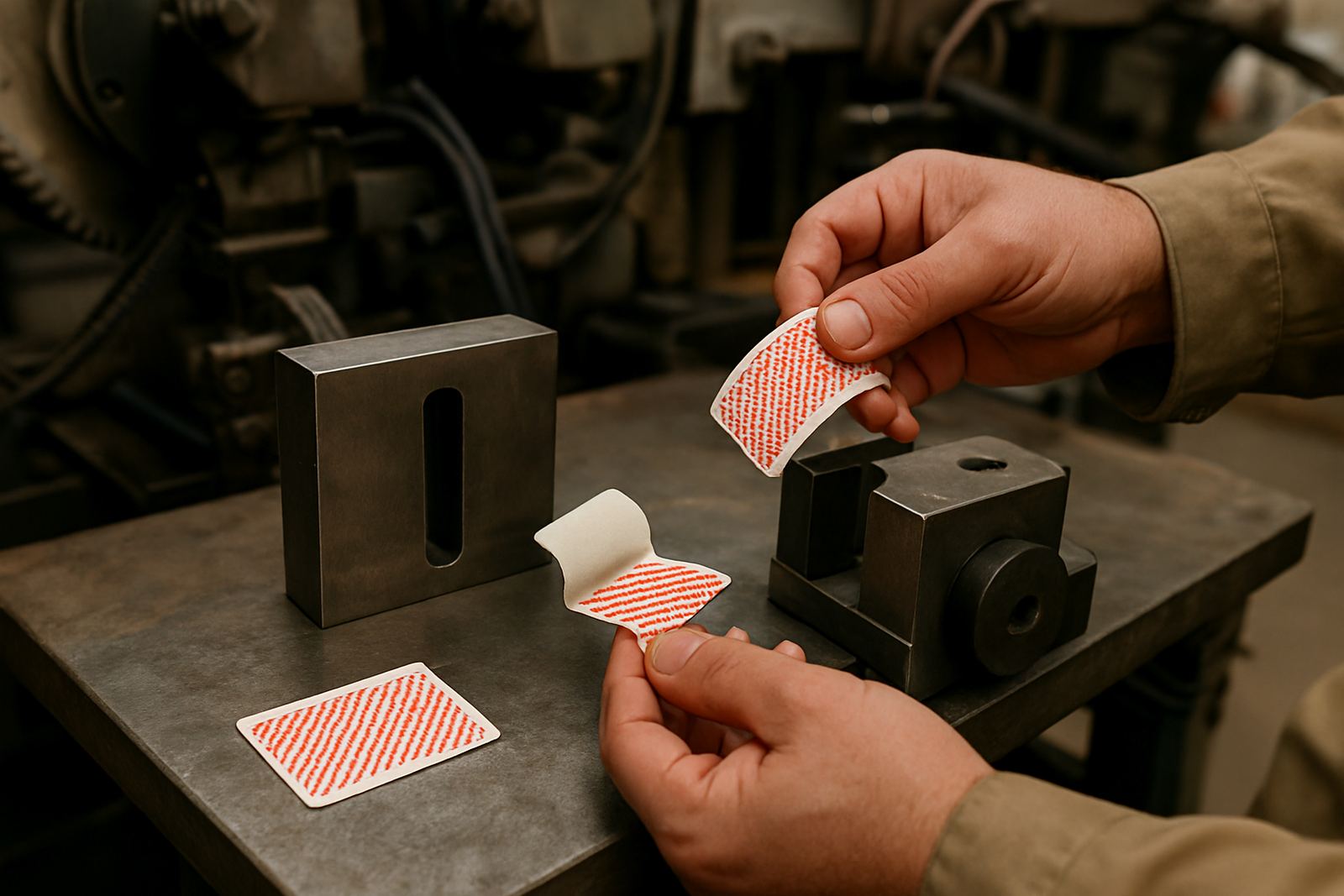
Security seal jobs usually start with a simple demand from the client: if the seal is opened, lifted or moved, the damage must be obvious. That can mean a void pattern, a fragile face stock, a split cut, or a label that tears apart in stages. For South African printers and converters, the challenge is not only the artwork. It is getting the die line, backing material and press settings aligned so the label comes off the press cleanly and performs on the pack.
We make dies to order for these runs, whether the requirement is a small batch for a warranty campaign or a longer production run for industrial, retail or logistics use. Many customers in Johannesburg, Durban, Cape Town, Pretoria and Gqeberha need a repeatable die that can handle narrow webs, fine corners and small text without lift points or burrs. In humid coastal areas and in warehouses with dust, a poor cut can quickly turn into wasted stock.
- Tamper seals for cartons, crates and asset tags
- Warranty labels for appliances, tools and equipment
- Destructible identification labels for serial numbers and compliance marking
Typical equipment used for this kind of work
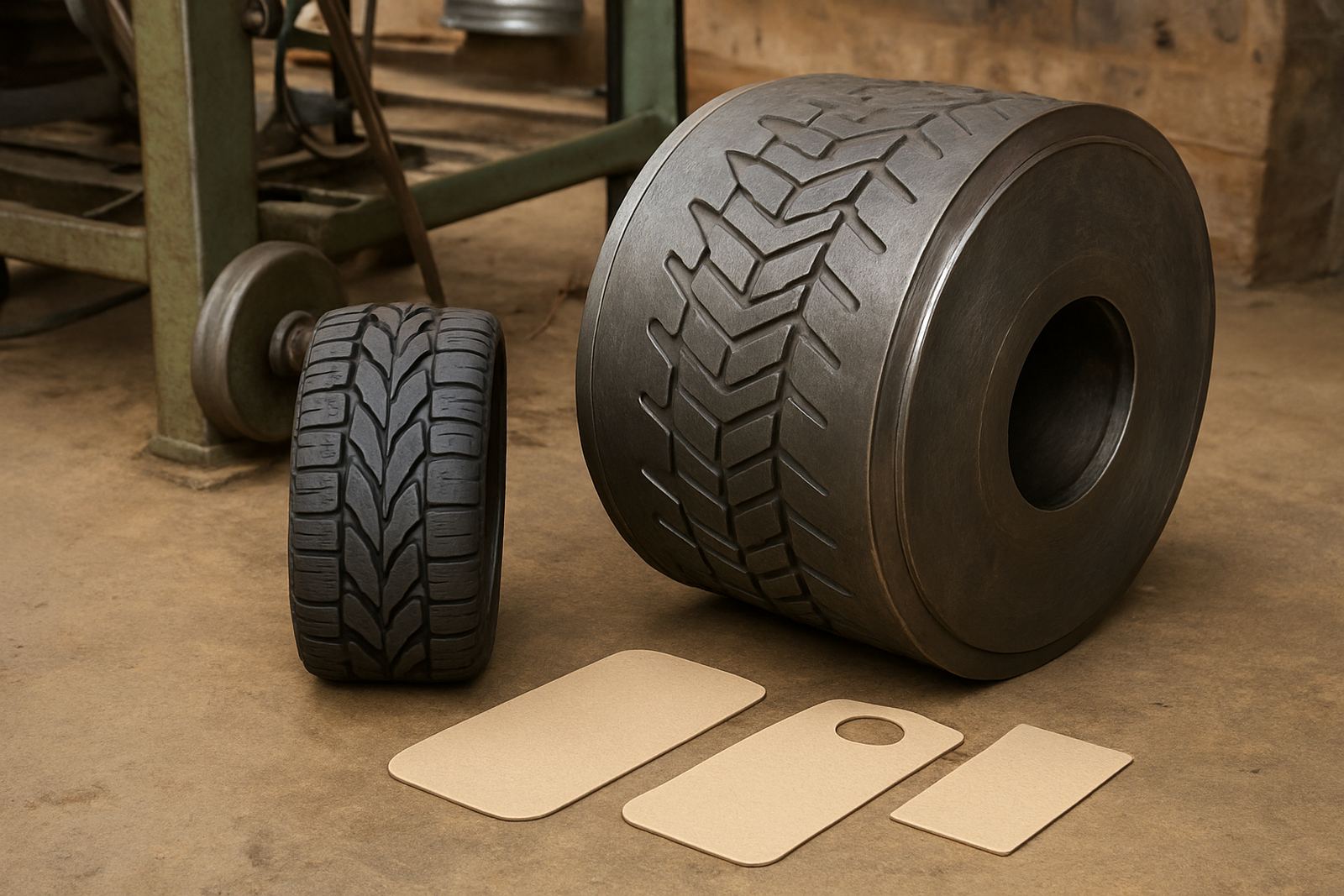
Security seal converting is usually done on rotary equipment, with either solid rotary dies, flexible magnetic dies or magnetic cylinders depending on the press and the job volume. Some printers prefer a solid die for tight tolerance work and longer life, while others need the flexibility of a magnetic setup for faster changeovers. We work to the machine requirements in front of us, including repeat length, bearer setting and the stock build up on the web.
A typical set-up may include a flexo or rotary label press, slitting, rewind sections, inspection and a finishing stage for varnish, lamination or overprint. If the seal must break on removal, the face stock and adhesive choice matter just as much as the cut itself. If the artwork uses tiny slits or micro cuts, the die has to be matched to the material thickness, otherwise the label either cuts through too far or refuses to release properly.
- Rotary solid dies for precise, long run production
- Flexible magnetic dies for quick changeovers and repeat work
- Magnetic cylinders for selected press formats
- Support for bearer setting, magnet checks and press trial work
Planning the layout before the first run
With security seals, the layout needs more care than a standard label. The user often expects a clean peel, but the client also wants visible damage if the seal is removed. That means the cut pattern must be planned with the adhesive, face stock and application method in mind. If the label will be applied by hand onto powder coated cartons or slightly curved containers, the corners and lead edges need special attention. A square corner that looks fine on screen can catch and lift on a line in Wadeville or a depot in Durban harbour.
Our advice is to keep the first sample as close to the final production material as possible. Test the liner, adhesive and print coverage before committing to a full run. If the label includes serial numbers, barcodes or compliance text, allow enough quiet space so the die does not disturb the print area. For destructible formats, avoid overpacking the design with heavy solids, because that can make the fracture lines behave unpredictably.
- Keep critical text away from the cut edge
- Confirm the exact repeat, web width and unwind direction
- Test on the actual board, plastic or metal surface
- Check whether the seal must tear, split or leave residue
Common mistakes that cost time and stock
Most security seal problems come from small planning errors. A job may be quoted on price only, then fail because the adhesive was not suitable for the surface or the cut was set too aggressive. Another common issue is using the same die for a new batch without checking for wear, especially where the job includes fine perforations or small transfer areas. A worn edge can change the break point and the label may no longer show tampering the way it should.
Clients also underestimate the effect of handling. If the packs are moving through cold rooms, coastal humidity or hot distribution centres, the material can shift slightly before application. That affects registration and can lead to lifting at the corners. We also see cases where the customer sends artwork but not the press data, so the die is made without the correct repeat or bearer setting. That usually means delays and extra cost.
- Choosing the wrong adhesive for powder coated or oily surfaces
- Ignoring press tension and web tracking on narrow labels
- Using fine slits without confirming stock thickness
- Skipping a press trial on the final material
What these projects usually cost in Rand
Budget depends on die type, size, complexity and whether the job is a once off or a repeat format. For straightforward security seal dies in smaller sizes, customers often plan from about R2 500 to R6 500. More detailed work with tighter tolerances, micro perforations, multiple repeat elements or special cylinder requirements can move into the R7 500 to R18 000 range. If a project needs refurbishment, regrind work or matching to an existing format, the pricing can change depending on condition and urgency.
Urgent remakes, especially for a press standing idle in Johannesburg, Pretoria or Cape Town, can cost more because they require priority machine time and dispatch planning. For high volume converters, a well planned die is usually cheaper in the long run than repeated adjustments, spoilage and line stoppages. If you are quoting a customer in the security, logistics or appliance sector, build in allowance for proofing and a trial run. It saves grief later.
- Simple security seal die: about R2 500 to R6 500
- Detailed or repeat matched job: about R7 500 to R18 000
- Refurbishment or regrind: priced after inspection
- Urgent remake work: depends on timing and machine queue
How we handle repeat orders and dispatch
Security seal work often returns in repeat batches, so keeping the original format accurate is important. Our team checks the file, confirms the existing dimensions and reviews the wear pattern before production starts. That helps avoid surprises on press and keeps the cutting line where it should be. We also look at the practical side of delivery, because a die that arrives late can stall a whole production slot.
From Wadeville in Germiston, we coordinate deliveries to Johannesburg, Pretoria, Durban, Pinetown, Cape Town, Bellville and Gqeberha. Packing matters as much as the cut, especially for fine tools and magnetic components, so we secure each item for transit and dispatch it with care. If the order needs stock advice, a magnet check, bearer setting or press trial support, we can assist through the enquiry form on our contact page.
- Repeat matching for established security seal formats
- Die design and CAD proofing before manufacture
- Packing and dispatch for local and national deliveries
- Technical support for installation and first run checks