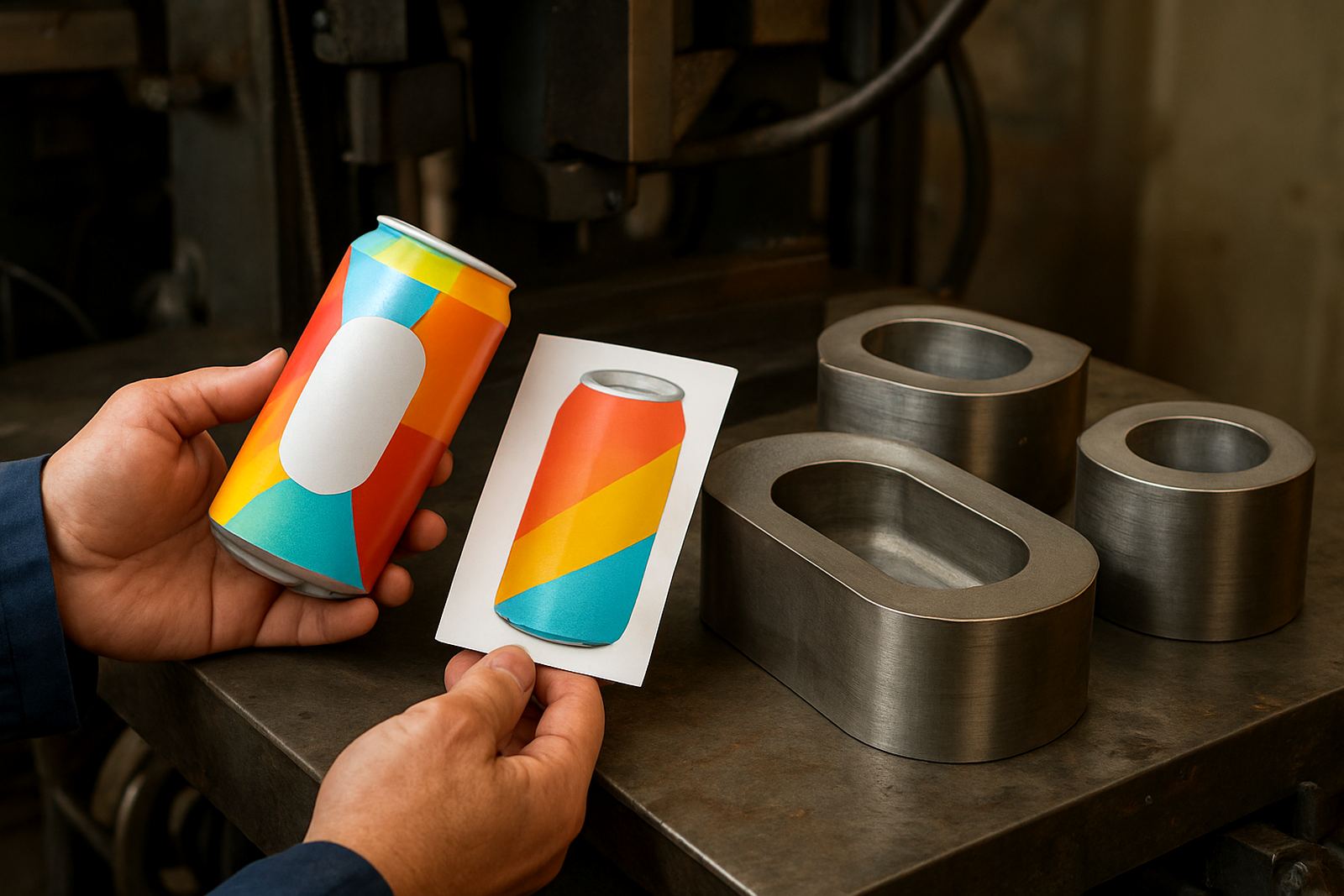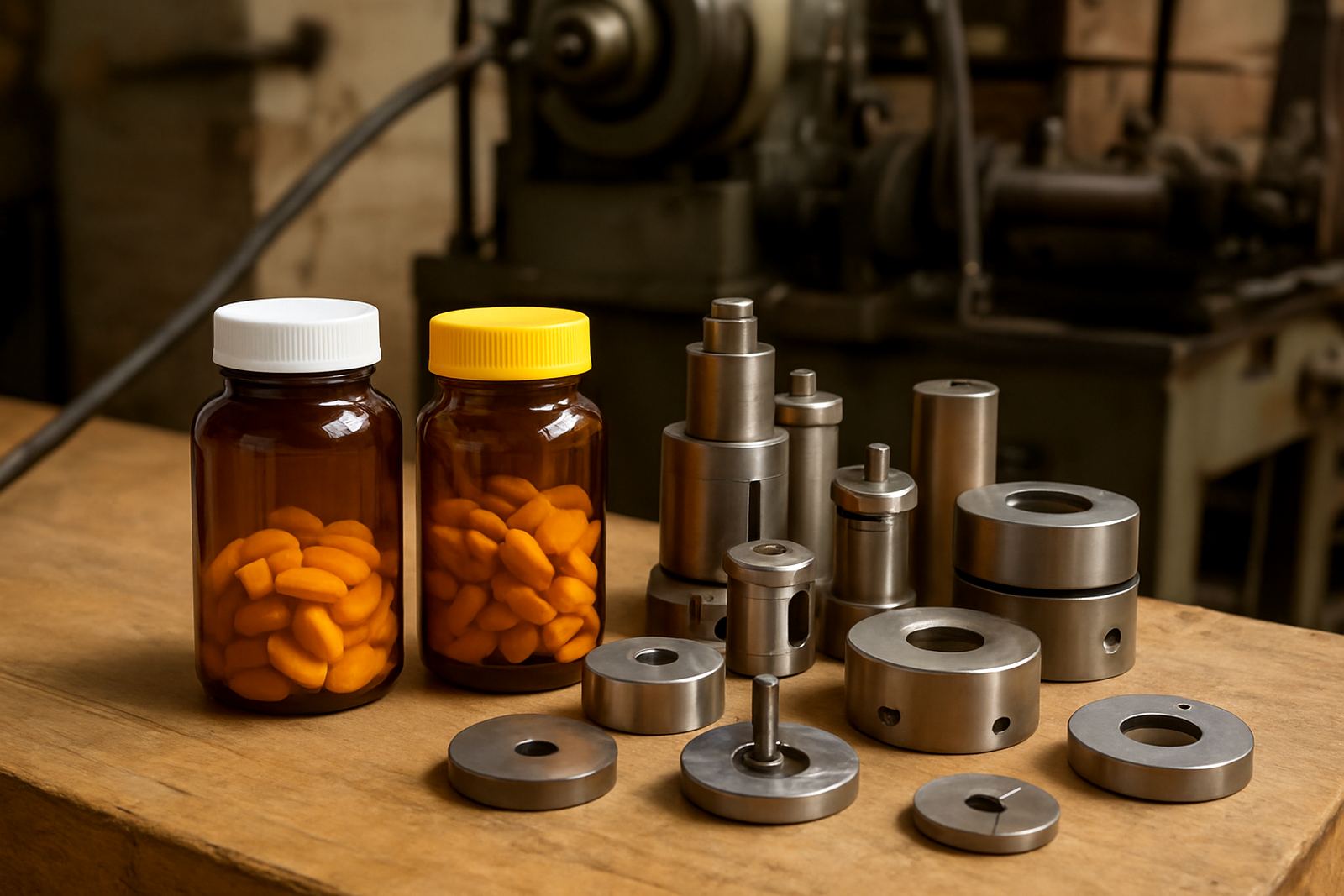
Small labels need tighter die control
Supplement labels often carry a lot of detail on a small face. You may be fitting ingredient panels, dosage notes, barcode space, warning text and a polished front panel onto one narrow wrap or carton label, so the cut has to stay exact from the first roll to the last. If the die is even slightly off, you see lifted corners, poor layflat or labels that start drifting on the press.
For that reason, converters in Germiston, Johannesburg and Pretoria usually ask for dies with careful tolerances and repeat matching when a job comes back months later. We work to the practical needs of South African label printers, including stock movement during load-shedding recoveries, humid coastal conditions in Durban and Gqeberha, and short-run reorders that need to slot straight back into production.
Typical setup for supplement label converting
The right equipment depends on the label size, substrate and press type. For most supplement work, clients are running one of the following sets:
- Rotary solid dies for long-run label lines that need consistent cutting across higher volumes.
- Flexible magnetic dies for short to medium runs, test jobs and repeat orders with frequent changeovers.
- Magnetic cylinders where the press and tooling format calls for a dedicated cylinder setup.
- Bearers and setting pieces matched to the press, especially where pressure control is critical on thin films or coated papers.
- Refurbished dies and regrind work for repeat jobs where the profile must remain true to the approved sample.
We also help with magnet checks, die design and CAD proofing before manufacture. That matters on supplements because a label can look simple, but the cutline often works around rounded corners, tamper seals, peel strips or narrow neck labels where a tiny error becomes obvious on pack.
Planning the artwork and cut line before production
Good planning saves money. Supplement labels are often printed on lighter stocks or films, and those materials can react differently to pressure, adhesive build-up and heat. Before cutting, it helps to confirm the exact outer size, corner radius, bleed allowance and any area where the label must not lift near the bottle curve or carton edge.
We recommend checking the die line against the final print layout rather than guessing from a previous job. If the artwork has changed, even by a few millimetres, the old tool may not suit the new panel length or eye mark position. This is especially true for health products with multilingual copy or batch details that shift between versions. A careful proof now is better than a waste pile later.
- Confirm the finished label size, not just the artwork size.
- Allow for adhesive squeeze and material stretch on narrow labels.
- Keep barcodes away from any cut or crease line.
- Check whether the label must survive chilled storage or moisture after filling.
- Plan for press speed, because a fast run can show faults that a slow test did not.
Common mistakes on supplement label jobs
One common mistake is treating supplement labels like ordinary product stickers. Health ranges often have more regulatory text, smaller fonts and tighter spacing, so the label needs a cut that supports neat finishing instead of forcing a hurried fix at the press. Another error is using the same tooling for different material weights without checking wear, which can cause inconsistent edges or poor release.
We also see repeat jobs ordered from memory, without checking the old sample or the last approved spec. On a popular capsule or powder range, that can lead to a label that no longer matches the bottle, carton or closure. If the client is changing fill size or bottle supplier, the die should be checked again before production starts.
For Durban and Cape Town deliveries, clients often ask for packing that protects the tooling from moisture. That is sensible. Coastal humidity can affect storage and handling, so clean wrapping and proper dispatch matter. In Johannesburg and Germiston, the bigger risk is rushed turnaround when a production line has to restart after a power interruption. A clear dispatch note and the right set-up details help avoid costly rework.
Budget ranges for supplement label dies
Budget depends on the die type, label size, repeat count and whether you need new manufacture or refurbishment. For small supplement labels, many clients start with a flexible magnetic die for trial and short production runs, while higher-volume converters move to rotary solid dies or magnetic cylinders for better run stability.
As a practical guide, smaller simple tools may start from around R3 500 to R8 500, while more detailed or larger-format dies can move into the R9 000 to R18 000 range. Refurbishment, regrind and repeat matching are usually less than full replacement, but the final figure depends on wear, the condition of the profile and whether press support is needed on site or by phone through the enquiry form. Urgent remakes and same-week turnaround can cost more because the machine time and checking process are compressed.
If you are pricing a new supplement line, it helps to budget for the tool plus a little contingency for proofing and set-up. That small allowance often saves a re-cut later.
How our Wadeville team supports supplement converters
From our Wadeville base in Germiston, we support label printers and converters across South Africa with design, manufacture, dispatch and delivery coordination. Marius Jacobus van der Merwe oversees the business, while Thandiwe Nkosi manages production, Ruhan de Beer handles technical sales, Nirasha Ramdass prepares CAD work and Siyanda Letsoalo leads the machine shop. Anele Mthembu coordinates packing and dispatch, so repeat orders can move cleanly through the workshop and out to the next run.
We supply Germiston, Johannesburg, Pretoria, Durban, Pinetown, Cape Town, Bellville and Gqeberha. For supplement labels, that means you can ask for die design, repeat matching, cylinder refurb, die regrind, bearer setting, magnet checks and press trial support from one place. Clients reach us through the enquiry form on our contact page, which keeps the job details together and makes it easier to match the right tooling to the right press.
If your supplement range needs neat small-format cutting and reliable repeat orders, send the specification through with the label size, material, press type and target quantity. We will work from that and advise on the best tooling path, whether the job is a fresh setup or a repeat that just needs to run properly again.